“In order to see birds it is necessary to become a part of the silence.”
– Robert Lynd
It was March 29th of 2015. My Japanese friend asked me to go with him for my very first birdwatching. Winter was ending and it was good to do birdwatching in Eastern Tokachi. Luckily, we saw some species of birds.
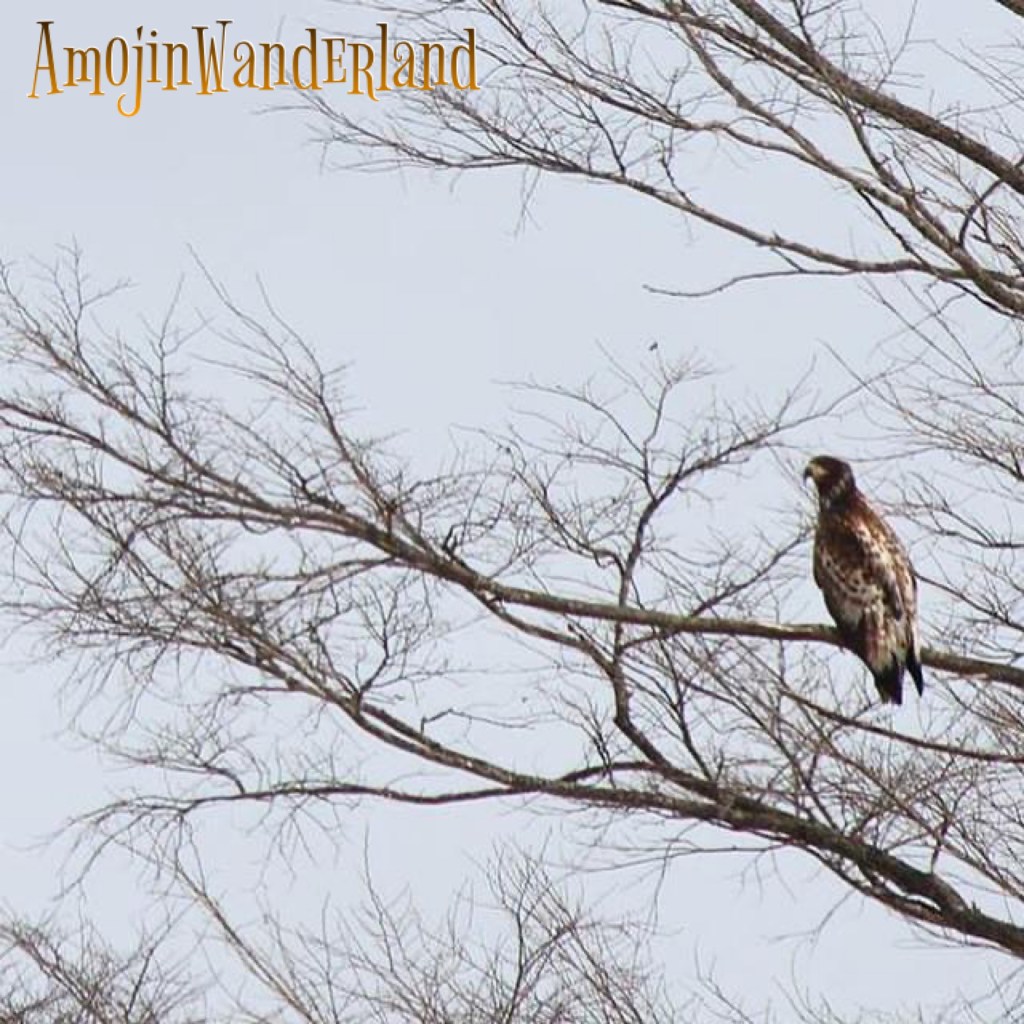
The first bird we saw was a young white-tailed sea eagle. A close cousin of the bald eagle, white-tailed eagle was considered endangered in several countries due to habitat alterations and destructions.
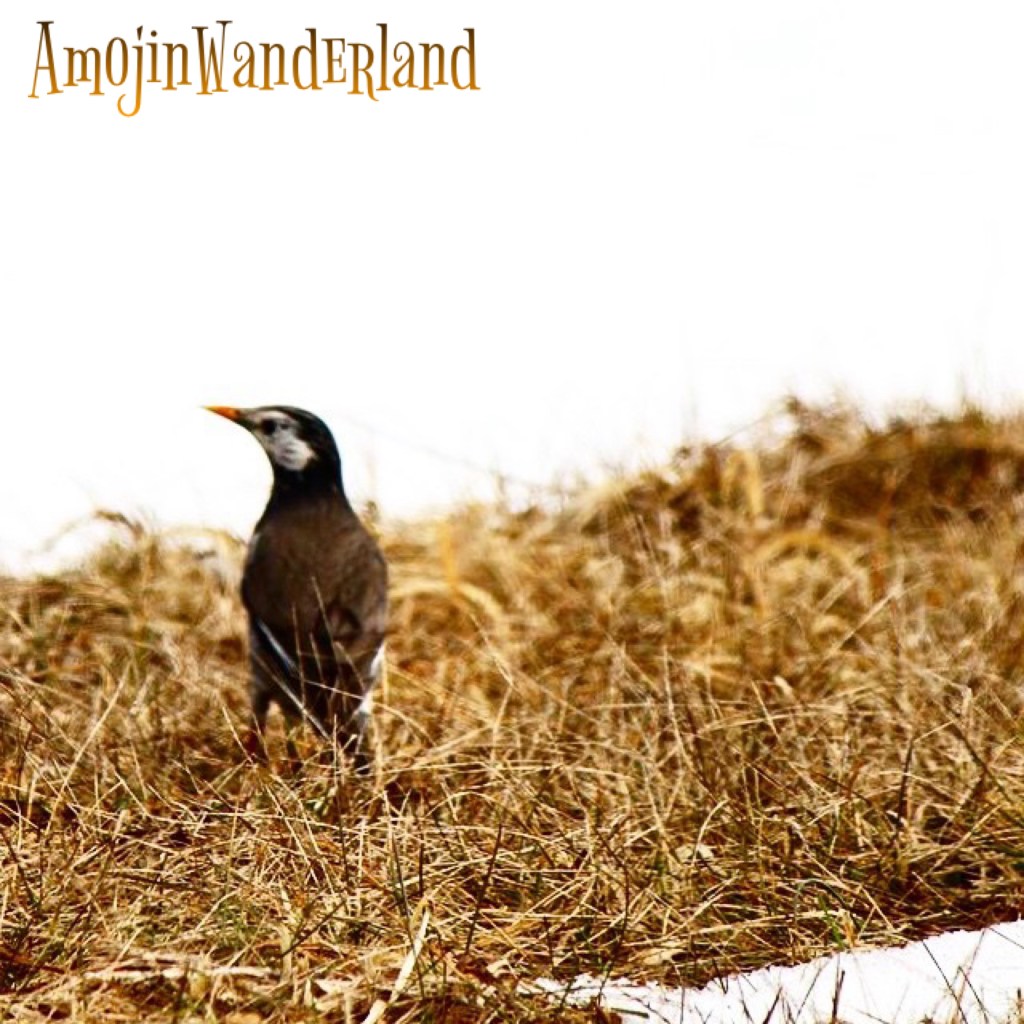
White-cheeked starling or grey starling is common in Eastern Asia including Japan. We are lucky we have noticed the small bird walking in the dry grasses. March is the start of their breeding season which will last until July. Although we cannot hear it clearly from our car, it has a loud, monotonous call consisting of a series of harsh, creaking notes.
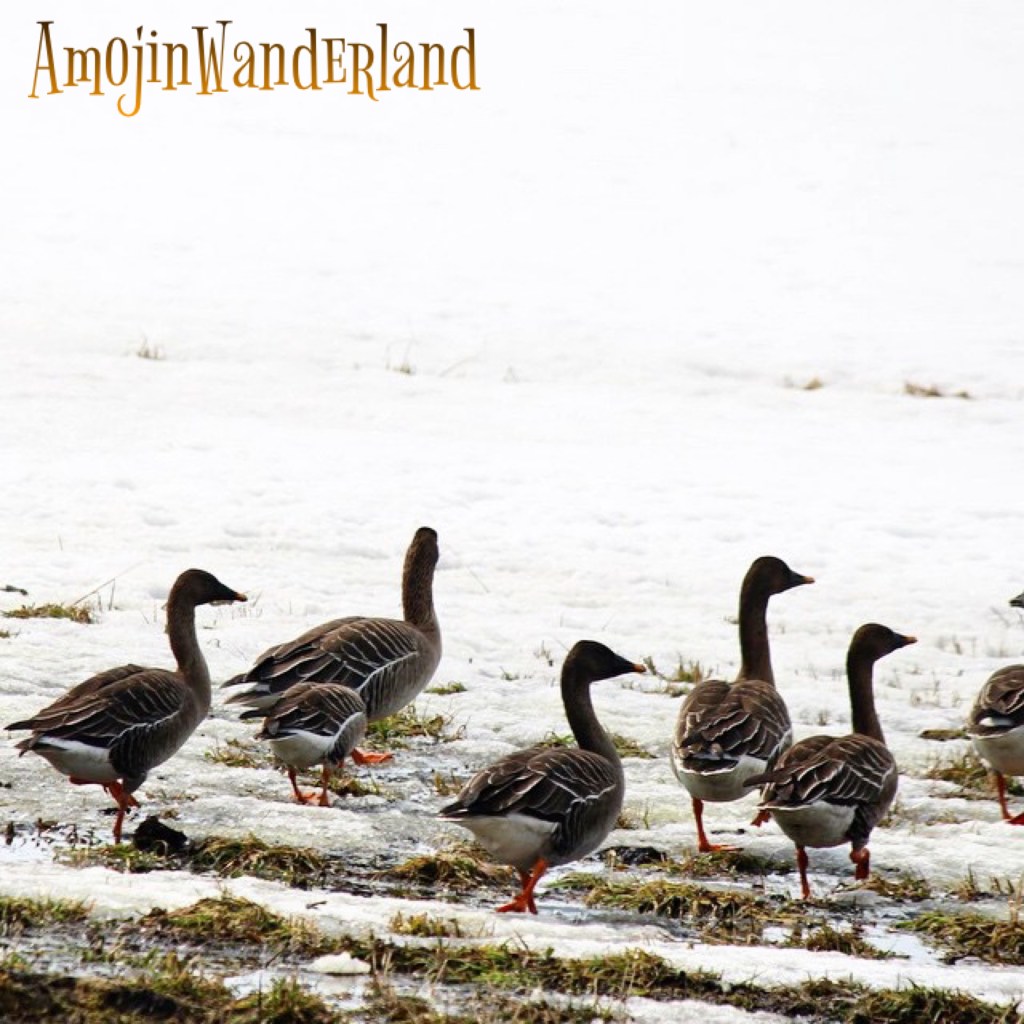
The taiga bean geese are migratory birds and winter further south in Europe and Asia. Their physical features include a bill which is black at the base and tip, with an orange band across the middle and bright orange colored legs and feet.
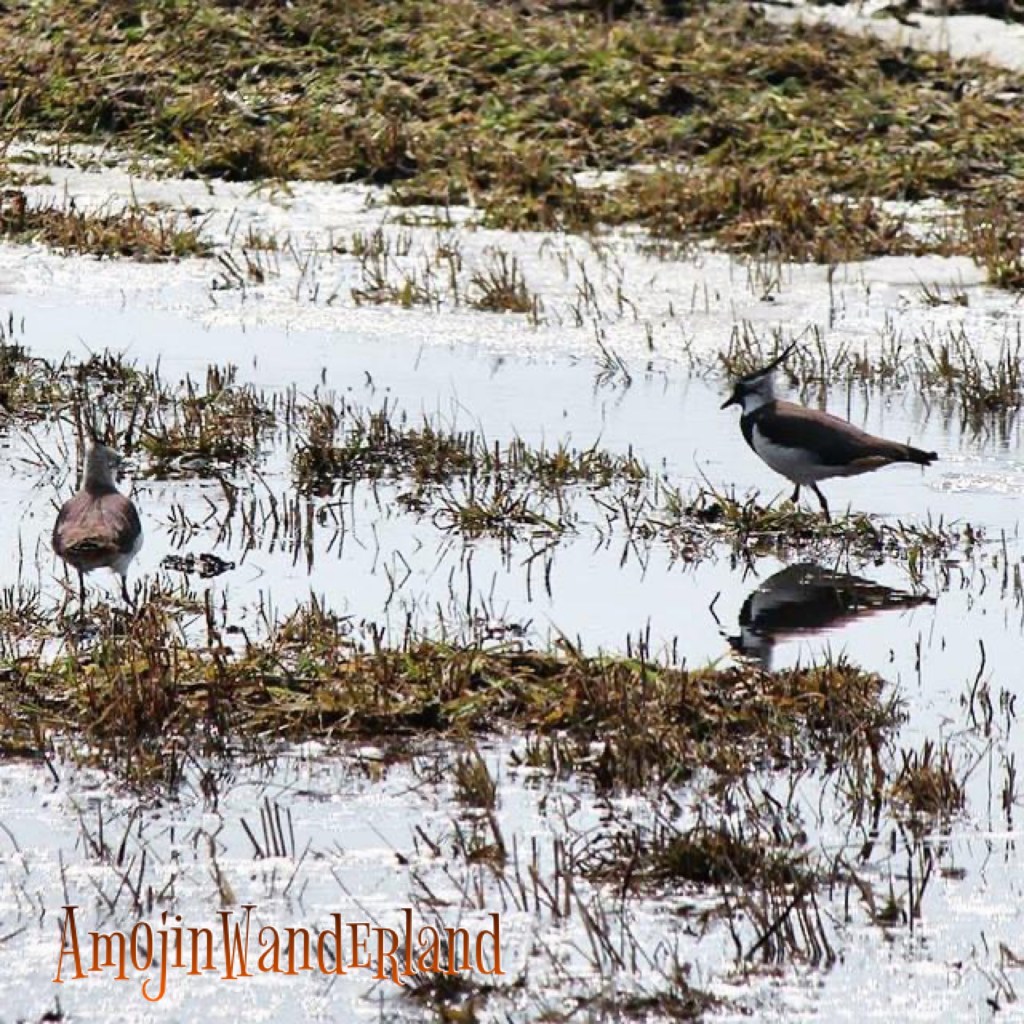
Called ‘tageri’ in Japanese, the northern lapwing is provided with long graceful crest on their heads and the black-and-white plumage on their faces, heads and necks. They are also called peewit because of their call. I was so happy when we saw two of them in a farm land with melted ice. It Northern lapwing is a wading bird that breeds on cultivated land and other short vegetation habitats laying 3–4 eggs in a ground scrape. Maybe, the ones we saw will lay eggs soon in the area where we found them.
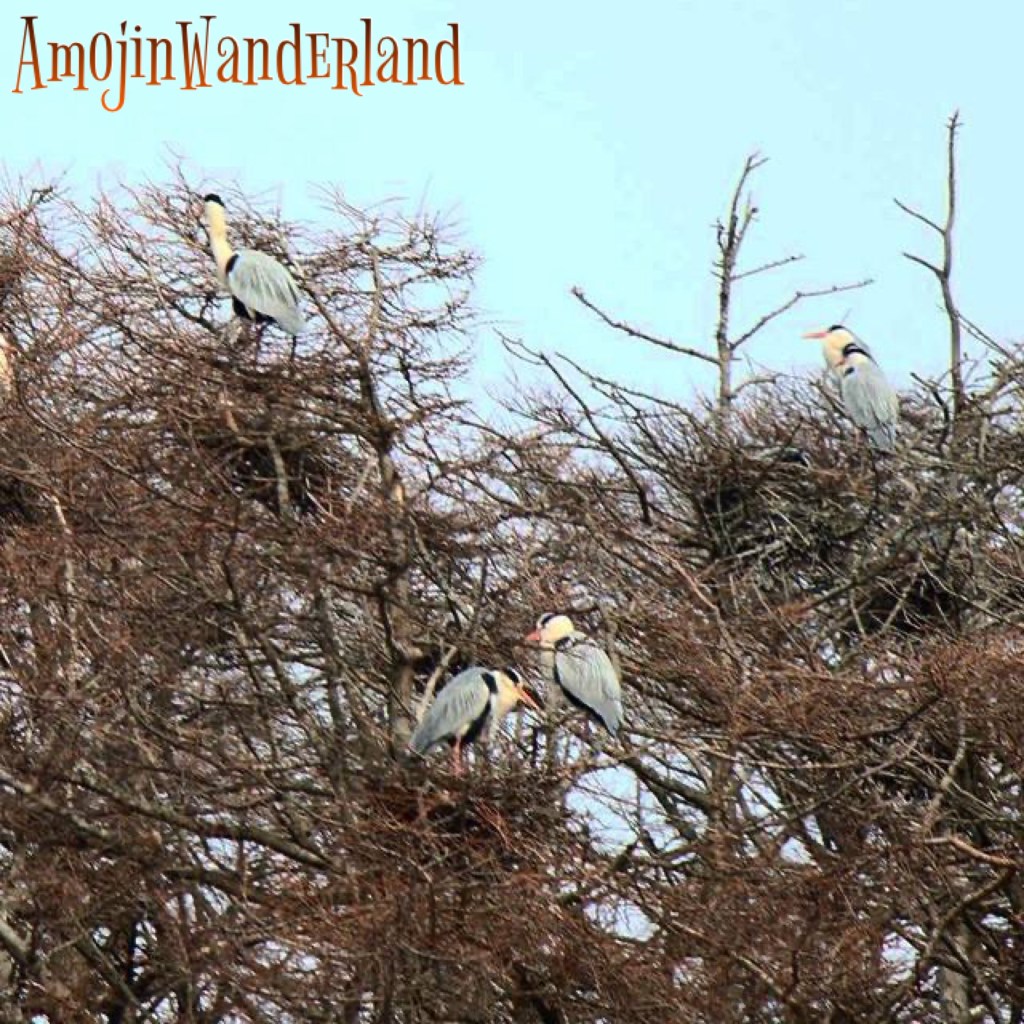
And lastly, we found a flock of grey heron nesting at the top of the trees. These tall birds breed in colonies called ‘heronries’ in spring usually in high trees close to lakes, the seashore, or other wetlands. Grey herons have a white head and neck with a broad black stripe that extends from the eye to the black crest. The body and wings are grey above and the underparts are greyish-white, with some black on the flanks. The long, sharply pointed beak is pinkish-yellow and the legs are brown.
It was really nice to see these birds in person and I know this will not be the last of my birdwatching activity.
 Amoj In Wanderland