“I am Switzerland. I refuse to be affected by territorial disputes between mythical creatures.”
– Stephenie Meyer, Eclipse
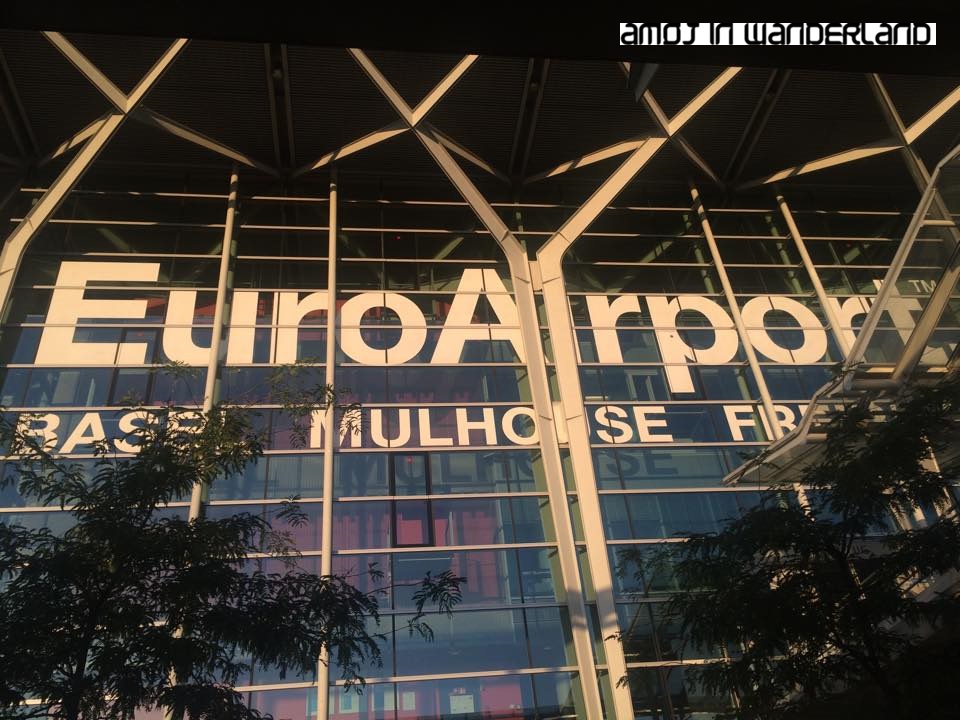
Basel is a Swiss city located near the French and German borders. I arrived at the airport from Frankfurt a day earlier than my conference. The airport is called EuroAirport Basel Mulhouse Freiburg as it is located at about 3.5 km northwest of Basel in Switzerland, 20 km southeast of Mulhouse in France, and 46 km south-southwest of Freiburg in Germany. The airport itself is located in St. Louis, France.
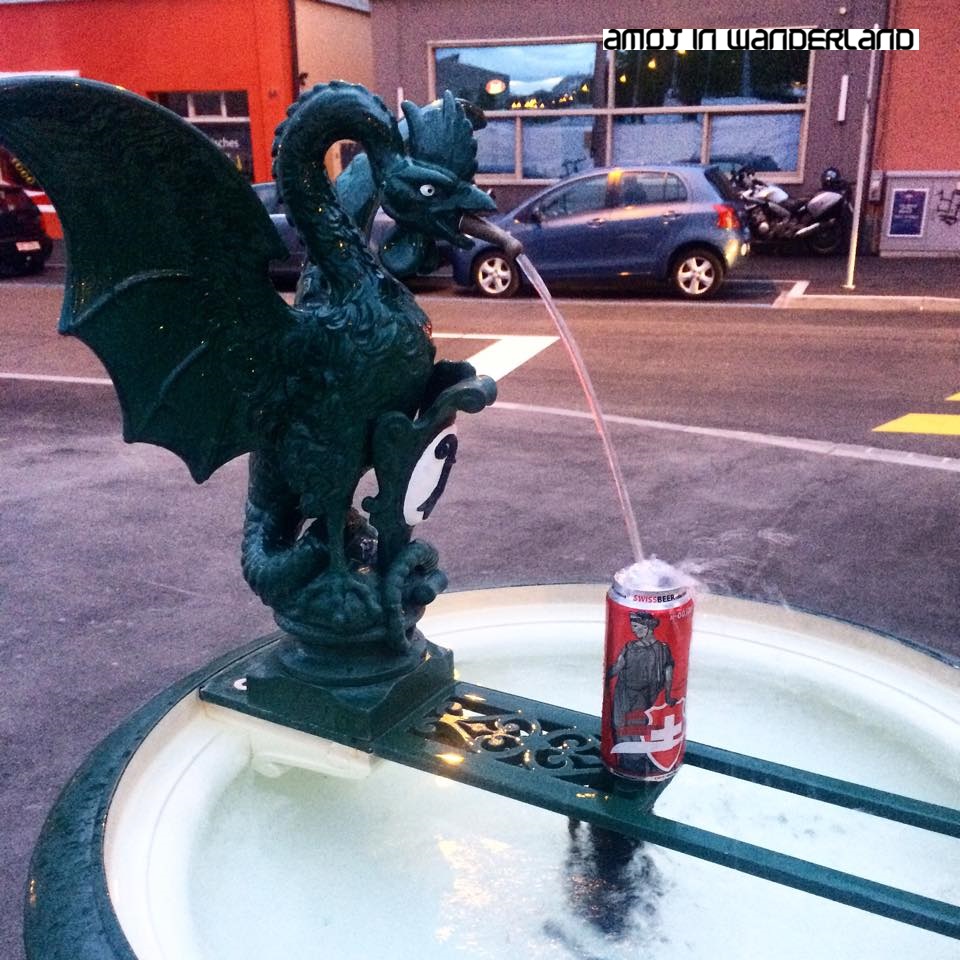
From the airport, I took a bus going to my hotel which is just few kilometers away and is located at the French border of Basel. When I arrived, I just made a short walk and I saw a small fountain with a basilisk. At first, I thought it was a dragon but my German friend told me that it is a basilisk. Basilisk is the heraldic animal of Basel.
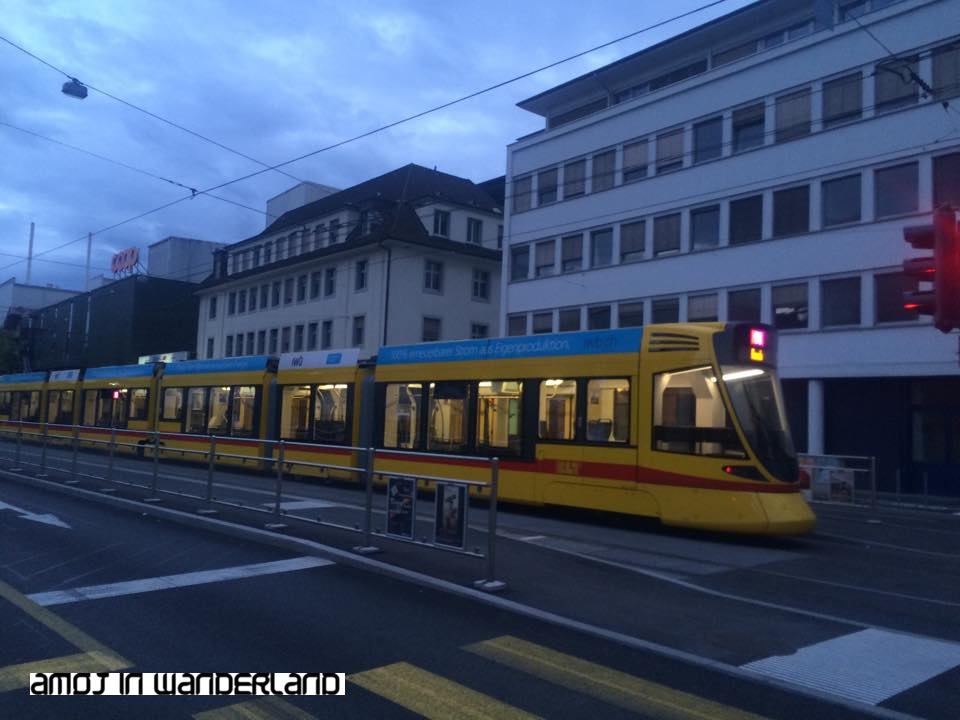
Moving around Basel is easy as there are trams connecting different points of the city. During my stay in Basel for the conference, I always purchased the 1-day pass so it will be more economical to tour the city whenever I wanted. The network of the tramway is already more than a century old and has became part of Basel’s heritage.
Before the opening ceremony of the conference, I went sightseeing with my German bestfriend (who flew over from Munich just to meet me). He stayed there for only two nights, so we just have a little time to go around Basel together.
Rathaus Basel
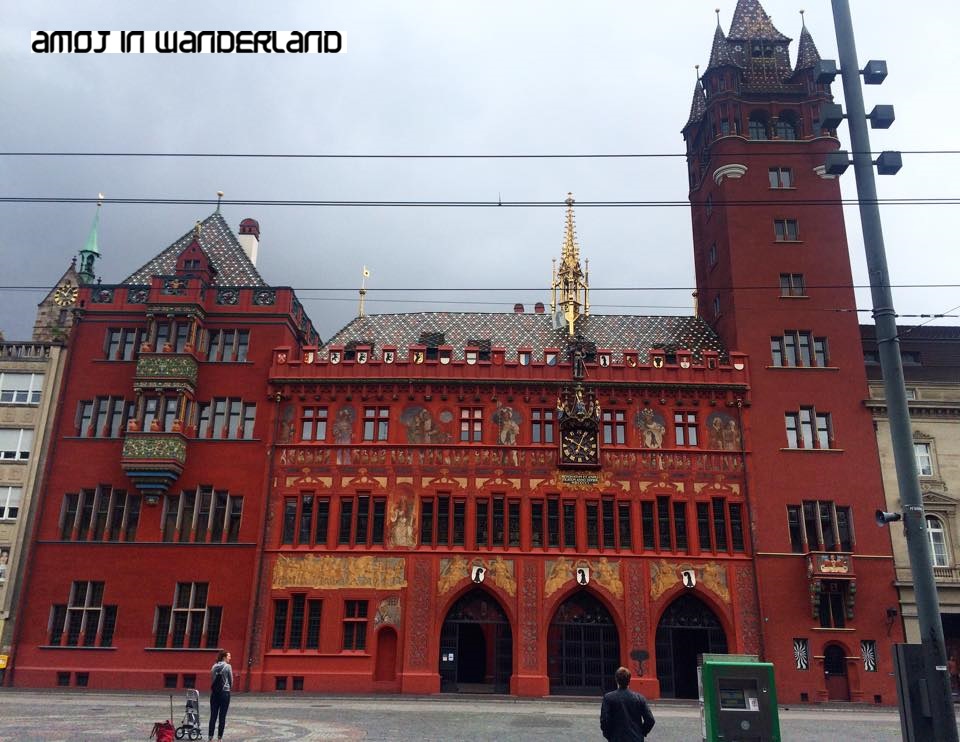
Our first stop is the 500 years old Rathaus Basel or the Basel Town Hall. Built in 1500’s after Basel joined the Swiss confederation, the Rathaus is still used as the city hall until today. Meetings of the Cantonal Parliament and government of Basel-Stadt canton are held here.
The crimson red sandstone facade of the building made it easily recognizable in the Marktplatz (Market Square) area of Basel. Restoration has been done in the building with decorations pertaining to the history of Basel, democracy and justice. The ornate interiors of the courtyard are filled with lavish murals and beautiful figured balconies.
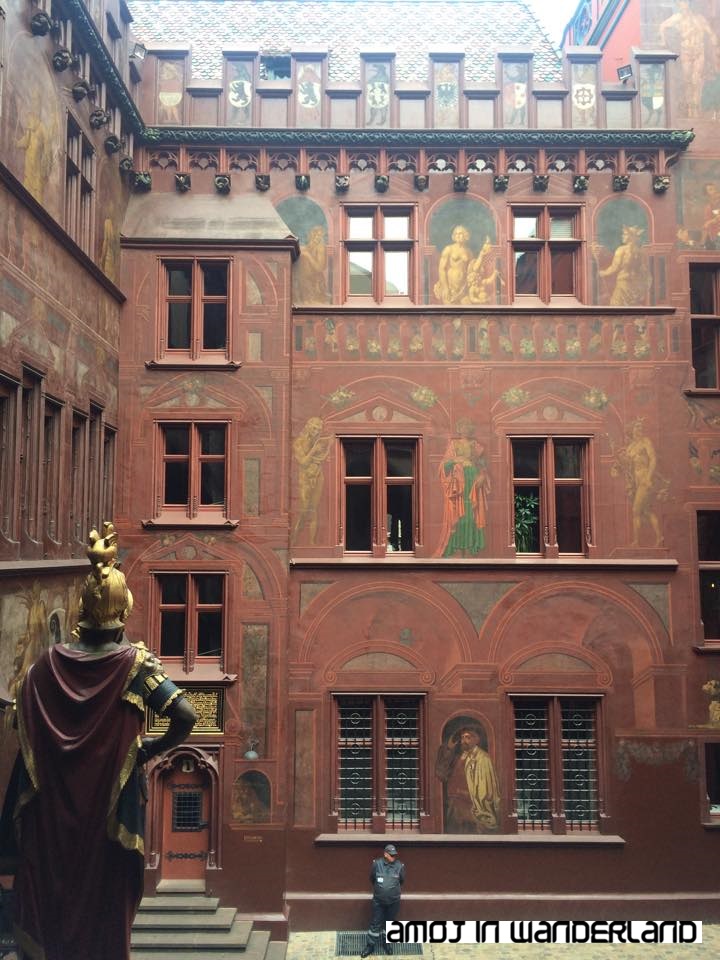
As it is in the Marktplatz, bread, fresh vegetables, fruit and flowers are being sold in front of the town hall.
Basler Münster
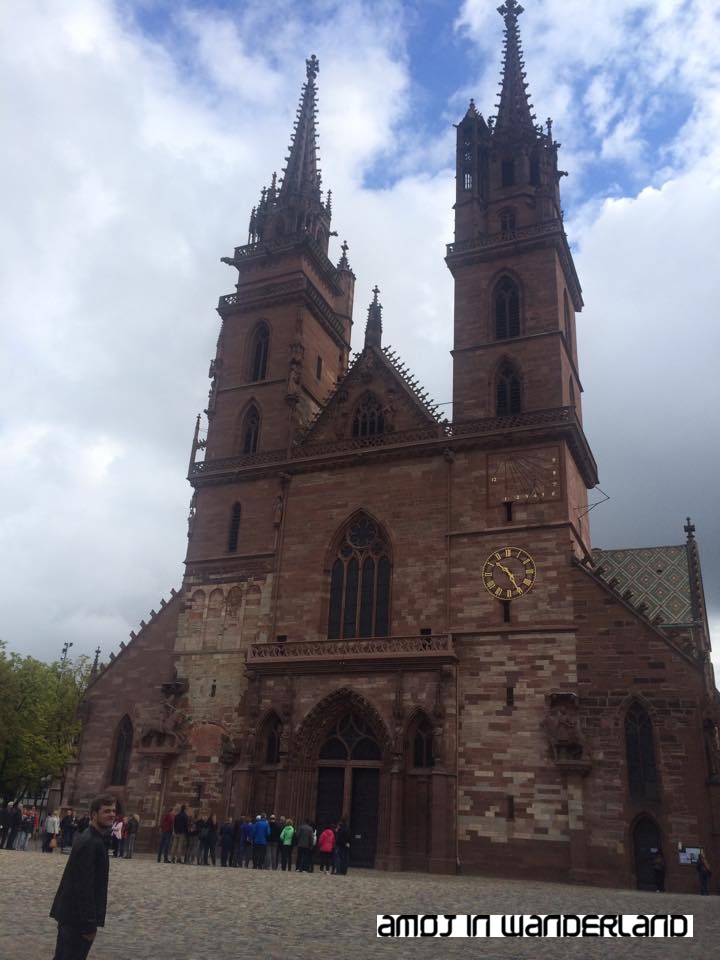
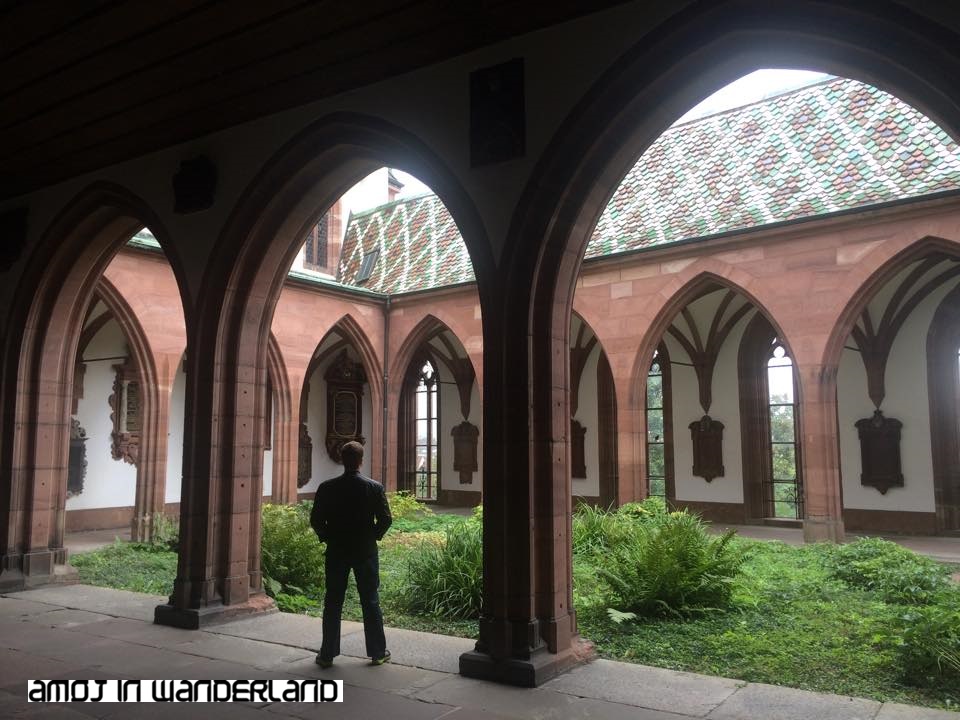
Our next stop is the Basler Münster located at the highest point of the Minster Hill. One of the main tourist attractions of the city, it was originally built as Catholic cathedral but now serves a Reformed Protestant church. The front of the church is bestrided with two towers which are named after the two saints of the knights. The northern tower is called Georgsturm after Saint George which is depicted by a statue showing him on a horse fighting against a dragon. The southern tower is called Martinsturm after Saint Martin of Tours with his statue cutting his cloak with a dagger while riding a horse. Beside the cathedral is the crypt which contains the tombs of the bishops from the 10th to 13th century.
River Rhine
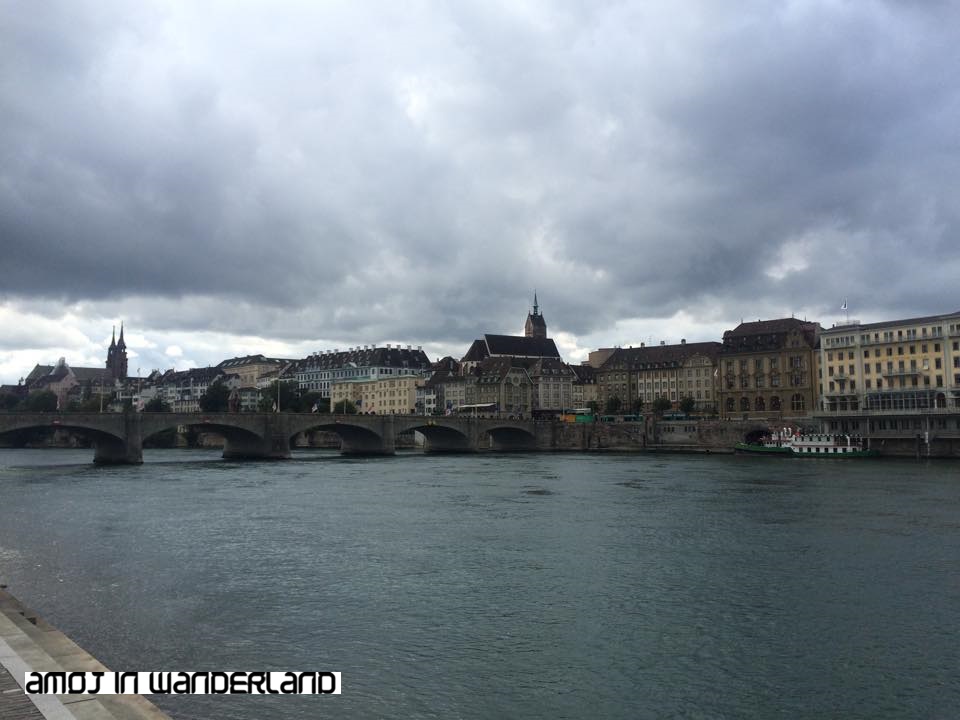
Then, we went walking beside the river Rhine and the view is really breathtaking. The Rhine river is the second longest river in Central and Western Europe flowing across Switzerland, Germany, France, Austria, Liechtenstein and Netherlands. The river accentuates the beauty of the old town and the Mittlere bridge. In the old times, the river served as an important trading routes for Basel. Nowadays, the Rhine is a good place of recreation for the people of Basel for activities like sunbathing and swimming during summer. The conference that I attended even offered a tour activity for swimming at the Rhine, and it’s already near autumn.
Elisabethenkirche
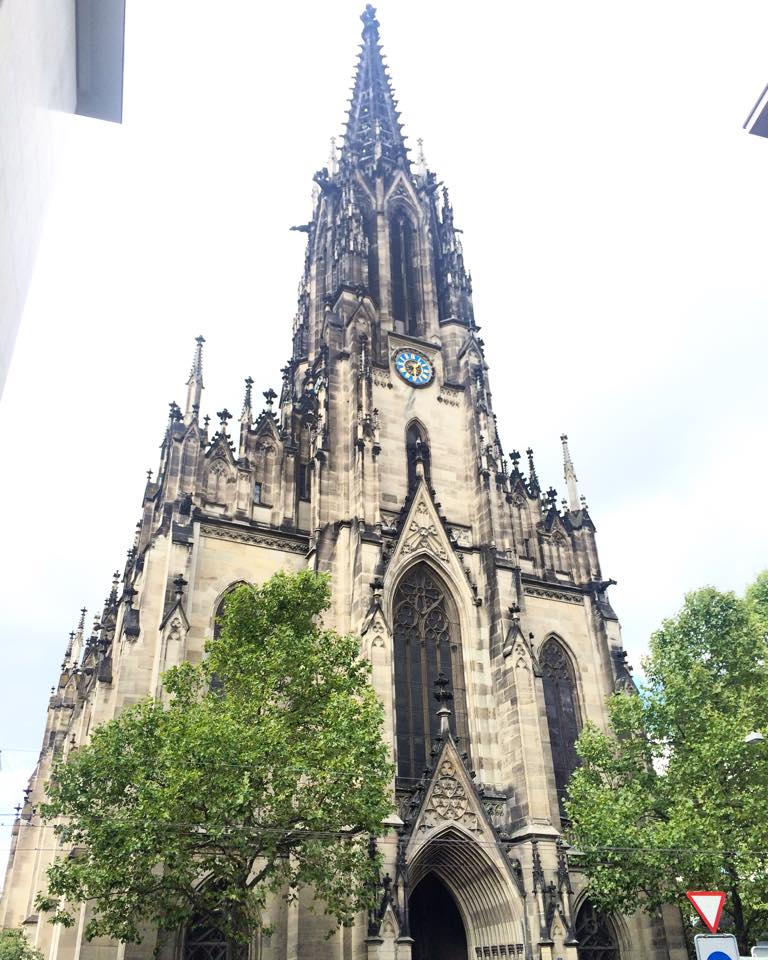
Although our next destination is the Theater Basel, the neo-Gothic church standing next to it got our attention more. The Elisabethenkirche was constructed in the middle of the 19th century making it the first church to be built in Basel after the reformation. Today, the church is known as the first Swiss “Open Church” catering to the spiritual, cultural and social needs of all the people with different backgrounds. This includes services for human-animal relations and the LGBT community.
Tinguely-Brunnen
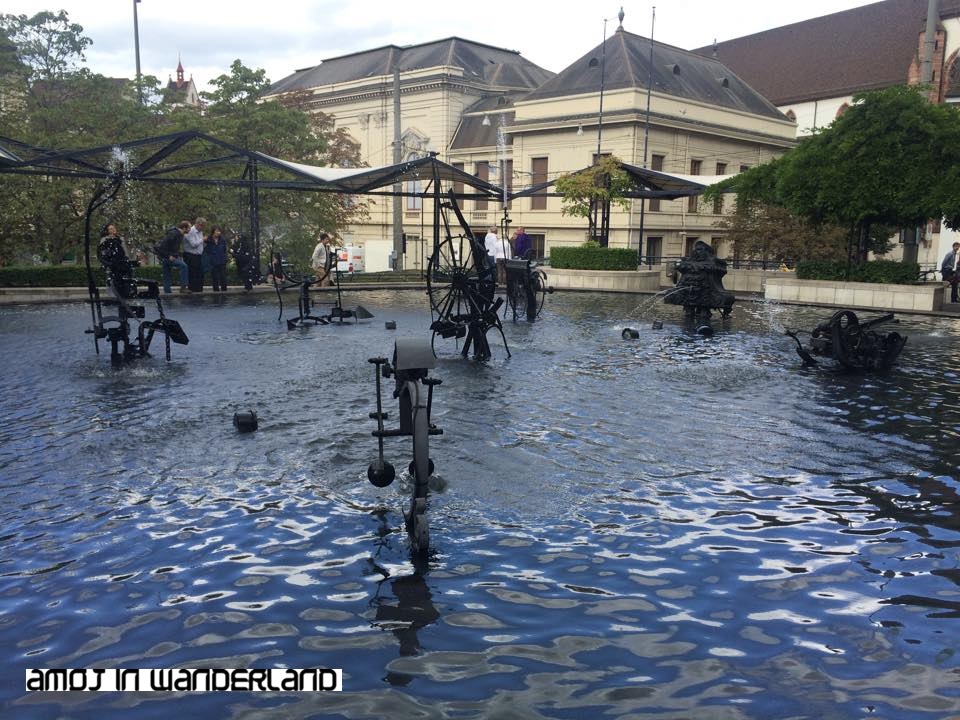
Tinguely-Brunnen was our last stop. In 1977, Swiss sculptor Jean Tinguely introduced a modern and whimsical fountain in the middle of the historic houses. She placed a series of amusing sculptures made from scrap metals at a shallow basin of water in Theaterplats. The nine iron water-spouting contraptions are in constant playful movements giving life to the place where the stage of the old city theater was previously located.
After our short trip around the city, we went back to the hotel to prepare for the conference later that night.
 Amoj In Wanderland
One Comment Add yours