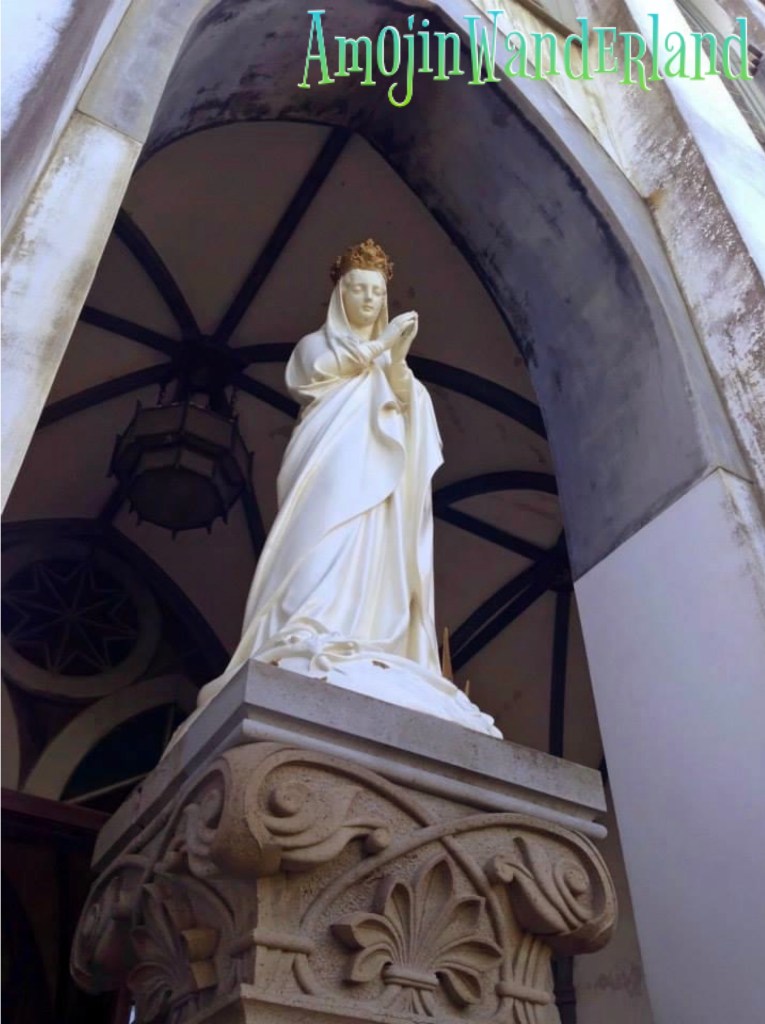
Between the years 1580 and 1587, the Japanese feudal lord Ōmura Sumitada, following his conversion to Christianity, has agreed to grant the city to the Portuguese Jesuits. With this bilateral agreement, Nagasaki was in a very similar situation as Macau, where the Portuguese had agreed to pay the authorities of Guangzhou a fee to in exchange for special privileges over the territory. The port of Nagasaki was then officially opened for trade.
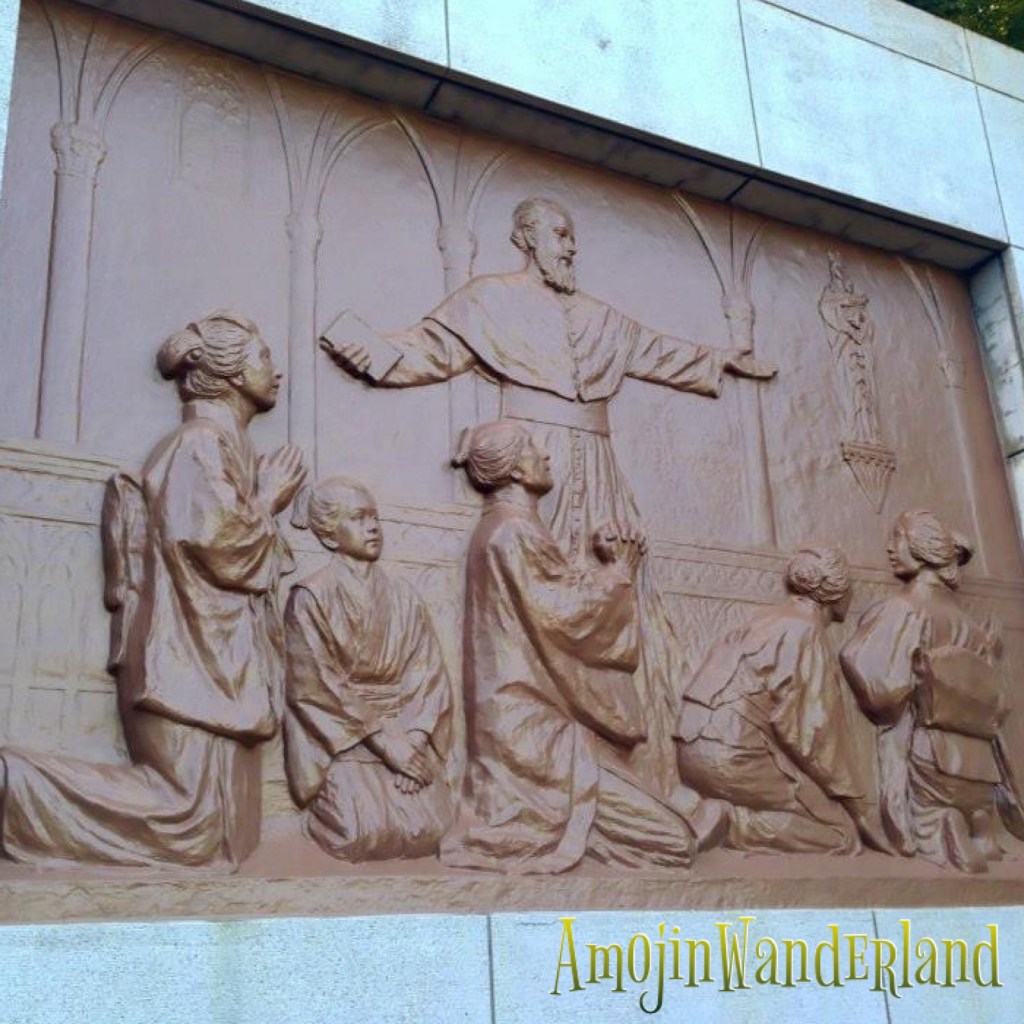
Called then as the Ecclesiastical Nagasaki, the Jesuits aimed the city to be the main site of Catholicism in the Far East. However, the Shogunate became wary of colonialism and started to persecute the Christians. Nagasaki then became one of the historical sites of persecution for Catholics. The first time I went to Nagasaki, I took the opportunity to visit the important Catholic sites in the city.
Memorial to the Martyrdom of the 26 Saints of Japan
The first group of Christian to be executed is the Nihon Nijūroku Seijin or the 26 Martyrs of Japan. They were crucified on February 5, 1597 at Nagasaki after forcing to march at a distance of about 500 miles which took 30 days in the midst of winter. Included in the 26 martyrs are the Japanese Jesuit seminarian Paulo Miki, Joan Soan (de Gotó) and Santiago Kisai of the Society of Jesus; along with 23 other clergies and laities, These first Martyrs of Japan were beatified in 1627 and canonized as saints in 1862.
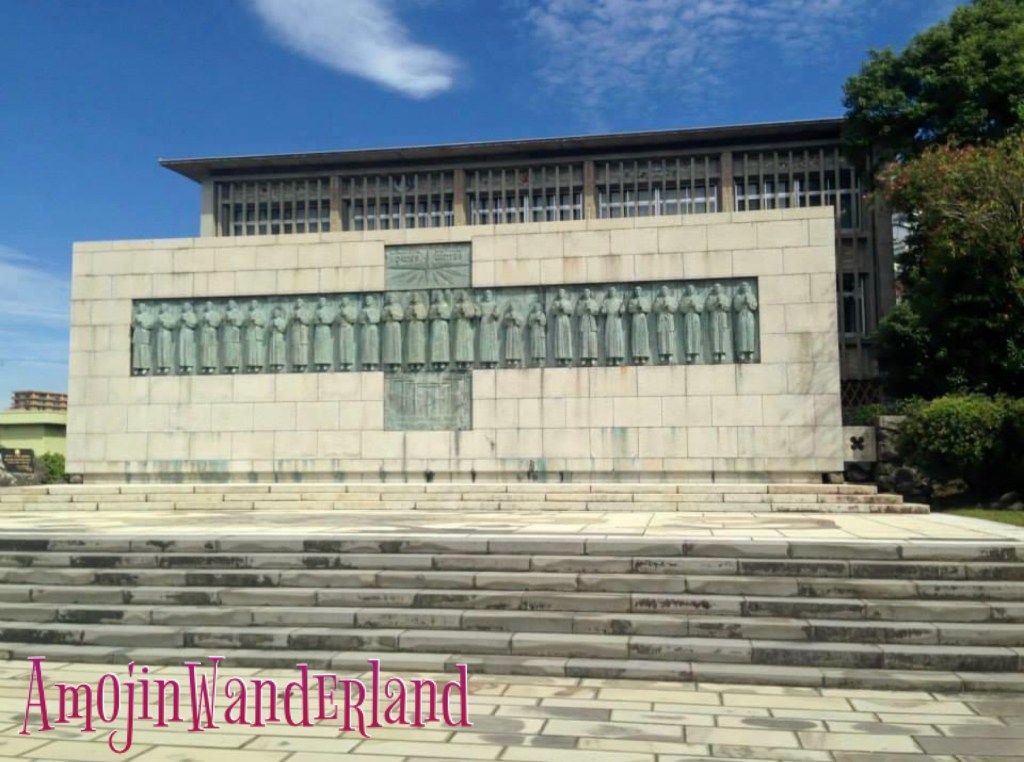
A memorial monument was constructed in commemoration of the centennial of the canonization of the 26 Martyr Saints of Japan in 1963 on Nishizaka Hill concurrently with the adjoining St. Philip Church. The church was dedicated to St. Philip of Jesus, one of the 26 Martyrs, who was a Mexican missionary sent to the Philippines and Japan. He was the first Mexican saint and the patron saint of Mexico City.
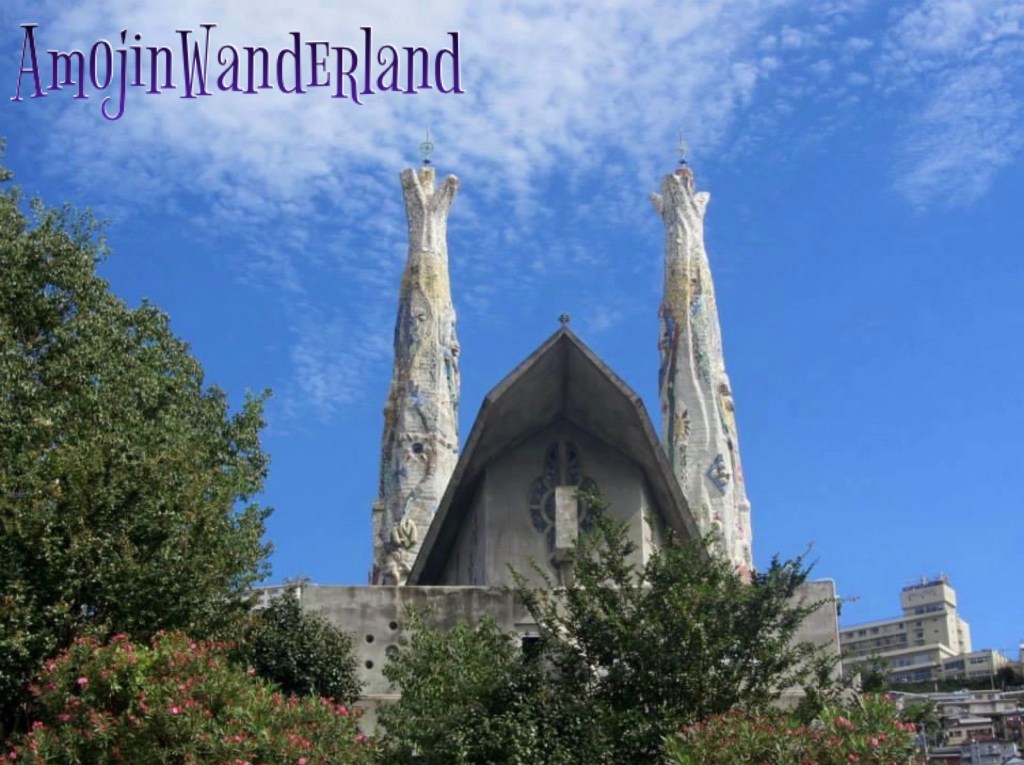
Nishizaka Hill was also the place where the first Filipino saint, San Lorenzo Ruiz was tortured by hanging upside-down over a pit and died due to eventual blood loss and suffocation.
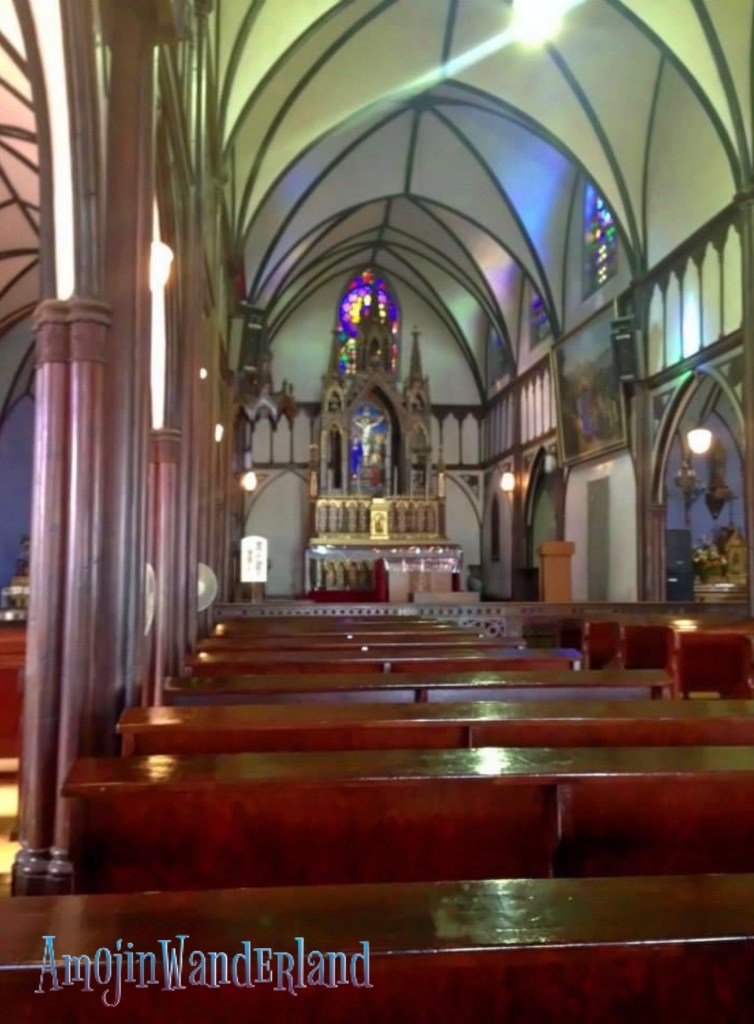
Ōura Church
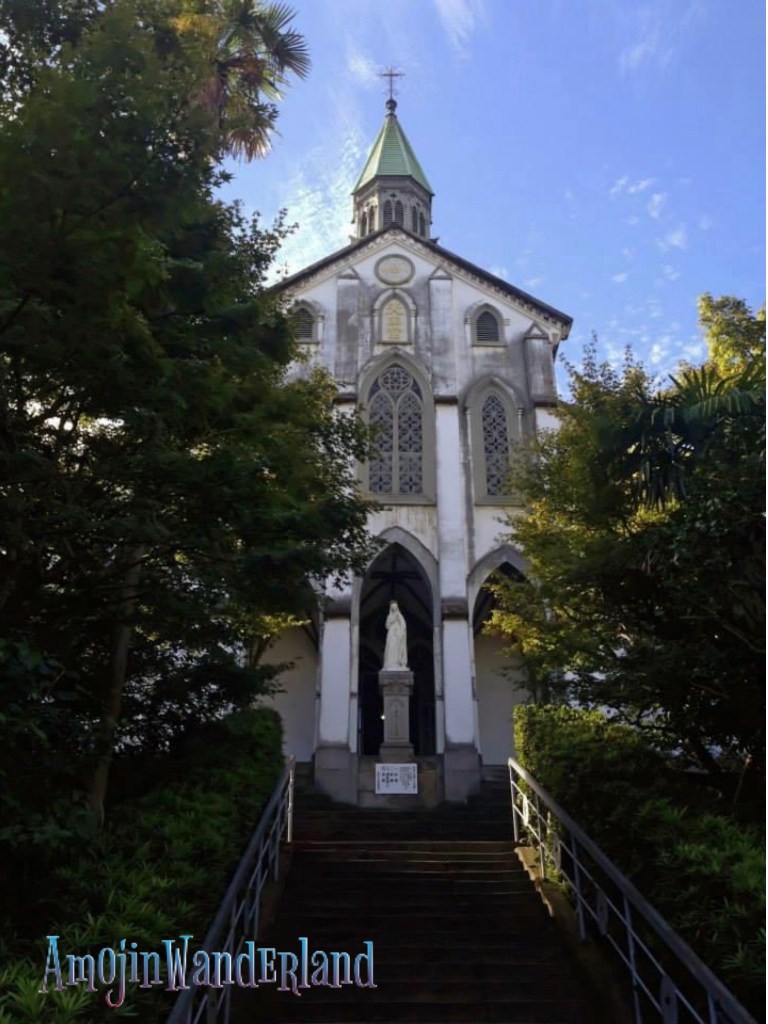
The Ōura Church or the Basilica of the 26 Holy Martyrs of Japan was the oldest standing Christian church in Japan being built in 1864 by a French missionary for the growing community of foreign merchants in Nagasaki. It was also the first Western-style building in Japan to be designated as a national treasure in 1953. I was surprised though that to enter the church I had to pay 300 yen. I didn’t know at that time that the fee includes entrance to a museum nearby which I failed to see.
Urakami Cathedral
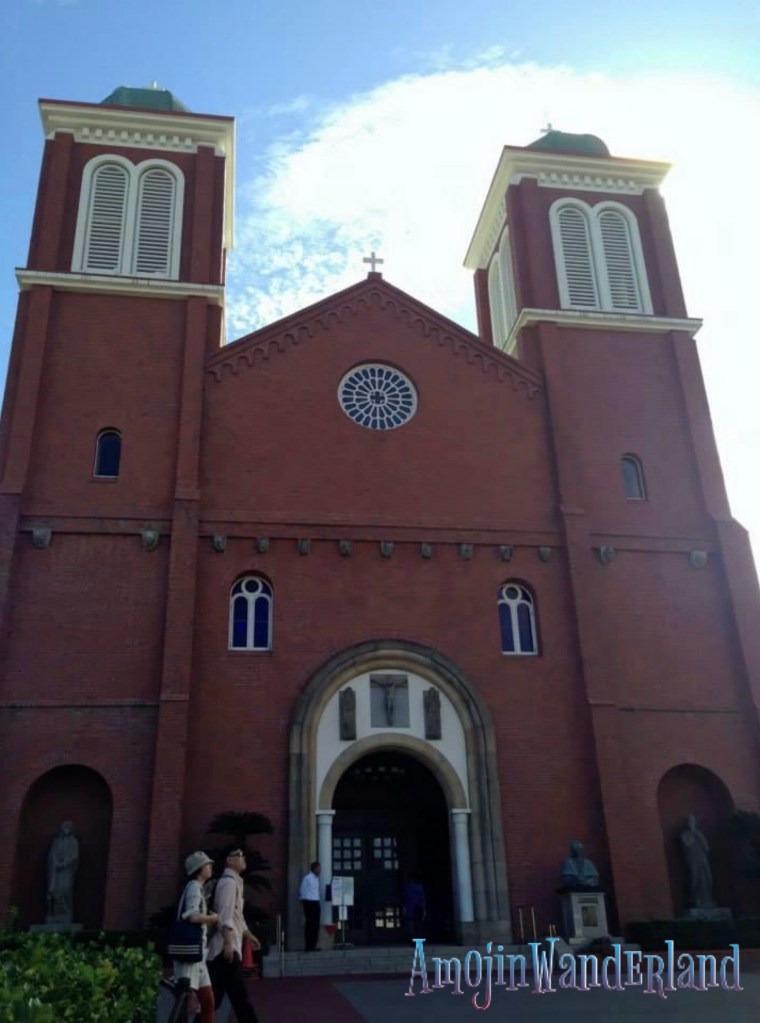
My next destination was the Urakami Cathedral, also known as St. Mary’s Cathedral or the Immaculate Conception Cathedral. It was like I was having Visita Iglesia in October. The church was constructed when Japan’s ban on Christianity was lifted in 1873. The brick Romanesque building was then considered as the largest Catholic church in East Asia until the Nagasaki atomic bombing happened in 1945 completely destroying the cathedral and killing 8,500 Christians along with it. It was finally rebuilt in 1959.
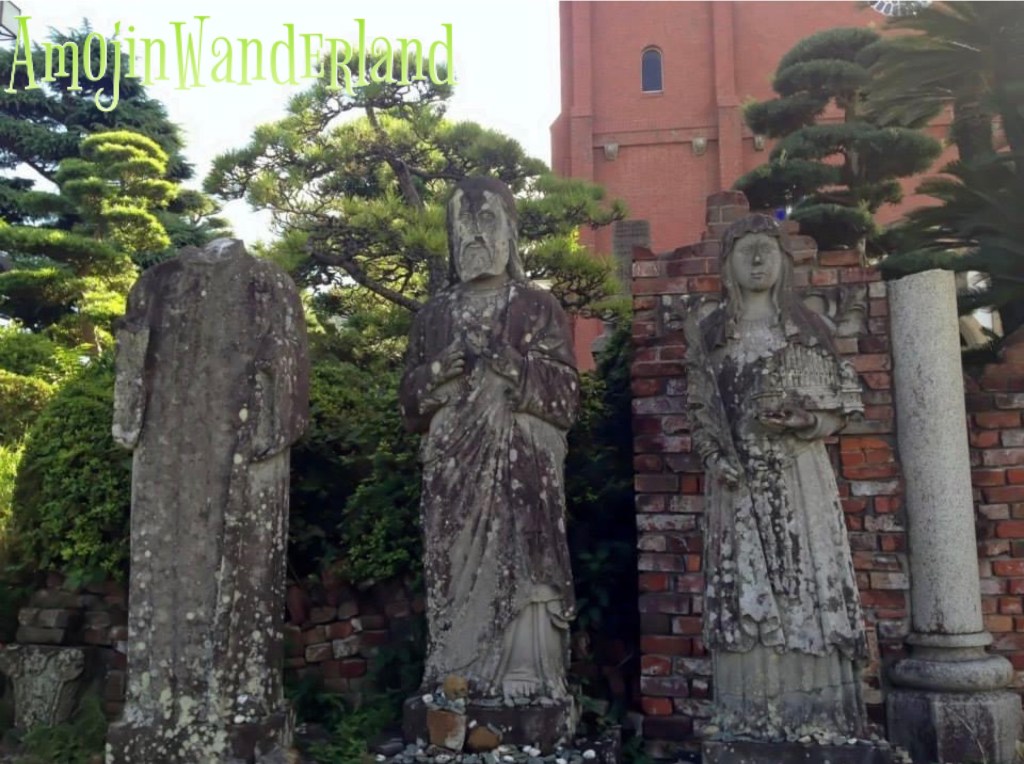
There are about 130 Catholic churches in Nagasaki being the largest archdiocese in Japan. And I have only visited 3 of them. More churches to visit next time I go there.
 Amoj In Wanderland