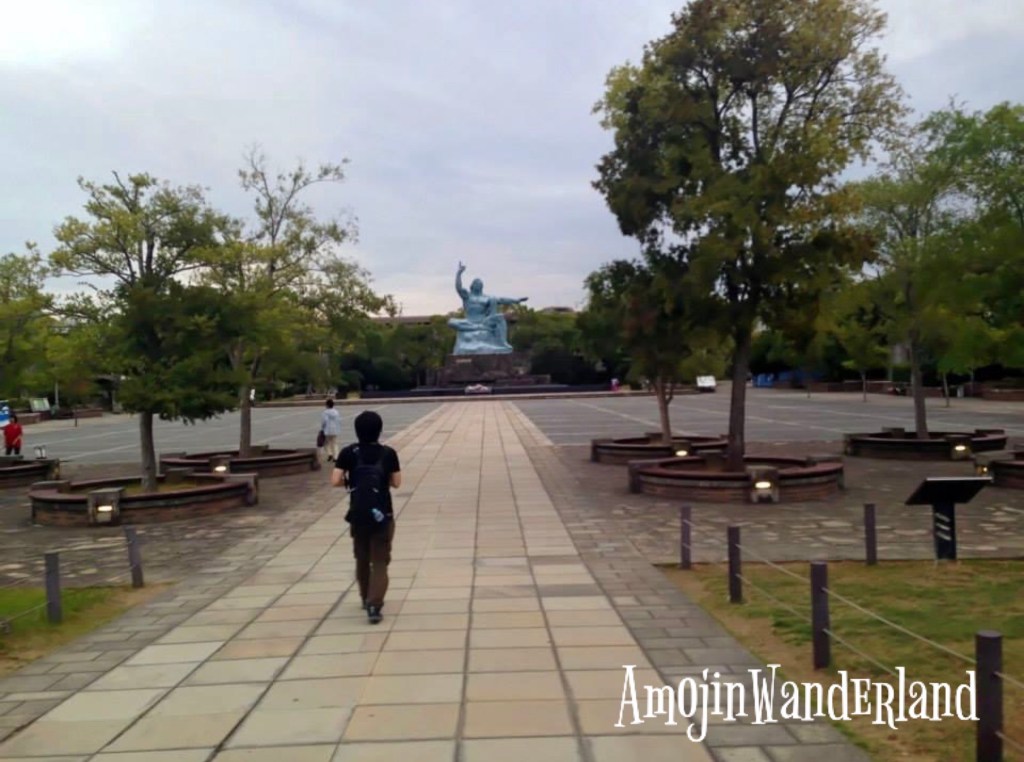
World War II has been the most destructive conflict in the history of mankind. The atomic bombings of Hiroshima and Nagasaki remain to be the first and only uses of nuclear weapons in armed conflict, killing between 129,000 and 226,000 people. In Nagasaki, the bomb was dropped on August 9, 1945 at 11:02 a.m., 1,650 feet above the city. Nagasaki was chosen because it was a shipbuilding center at that time. On August 15, the Imperial Japan surrendered, finally ending the Pacific War that lasted for 3 years and 8 months.
Although it was a sad part of Japan’s history, I needed to visit the places dedicated for the memorial of the Nagasaki atomic bombing. These include the Nagasaki Peace Park and the Nagasaki Atomic Bomb Museum.
Nagasaki Peace Park
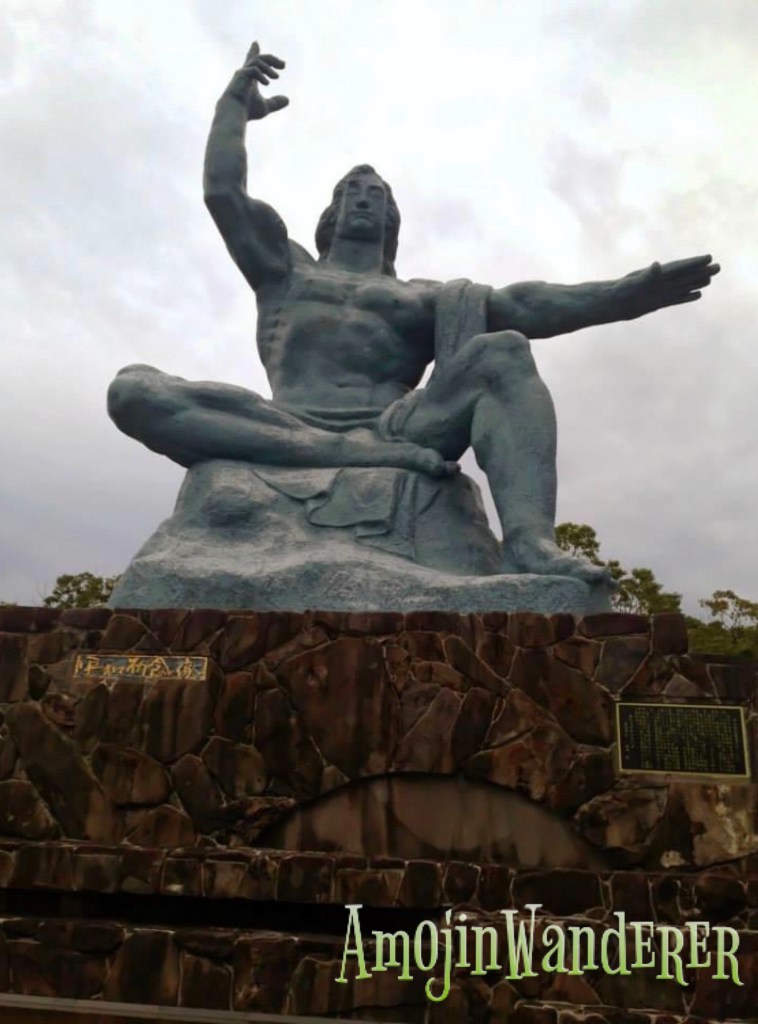
The Peace Park was established in commemoration of the atomic bombing near the hypocenter of the explosion in 1955. Remnants of the Urakami Cathedral can still be seen in the park. At the northe end of the park is the 10 meter tall sitting muscular man created by Nagasaki sculptor Seibo Kitamura. The statue is full of symbolisms such that the right hand points to the threat of nuclear weapons, the extended left hand symbolizes eternal peace, the mild face symbolizes divine grace, the gently closed eyes offer a prayer for the repose of the bomb victims’ souls, the folded right leg and extended left leg signify both meditation and the initiative to stand up and rescue the people of the world.
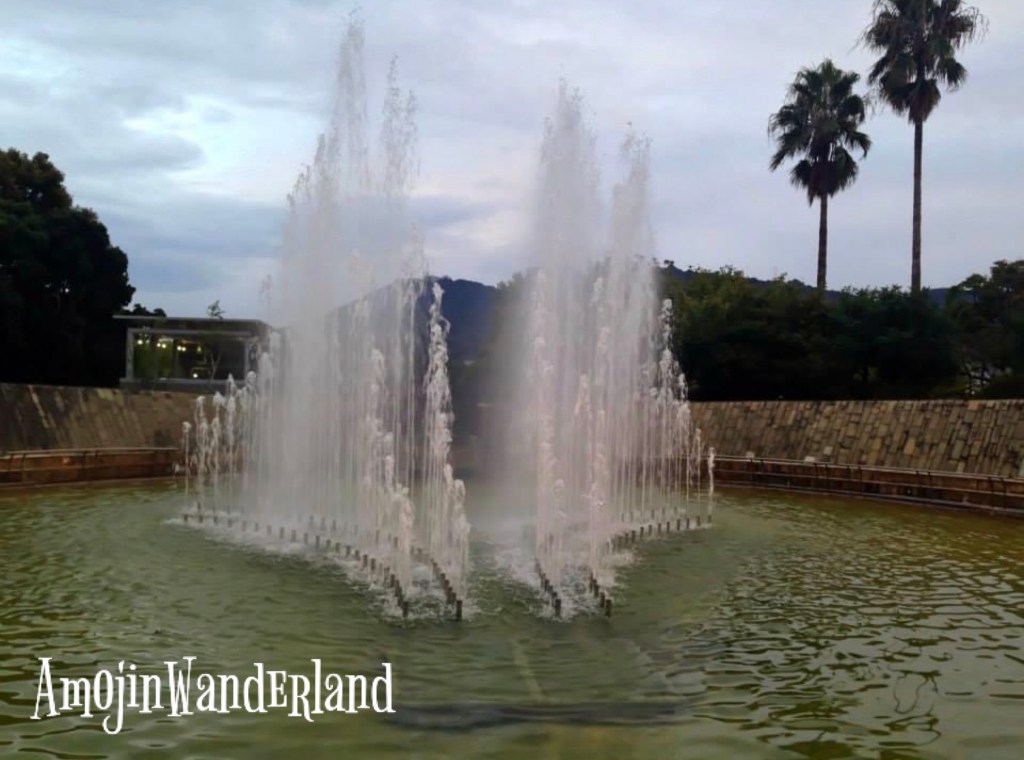
Installed in front of the statue are black marble vault containing the names of the atomic bomb victims and survivors who died in subsequent years and the Fountain of Peace. It was believed that many of those who were killed in the atomic bombing died as they called for water. The fountain was built for their memory and represents aspirations for world peace. The constantly changing pattern of the falling water represents the wing-beats of a dove of peace, and also symbolizes Nagasaki harbor, known as the harbor of the crane.
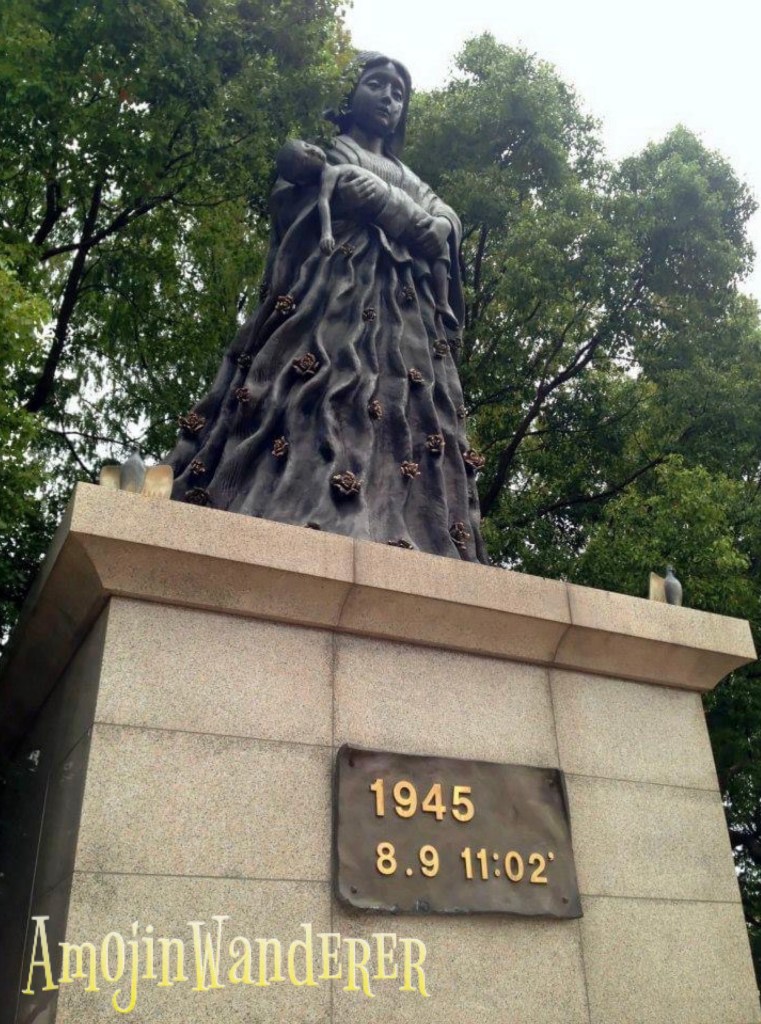
In 1978, a “Peace Symbols Zone” was established on both sides of the park to cater for monuments donated by other countries. One of which is the statue of a mother holding her infant child as an expression of love and peace. This “Statue of Peace” was a gift from the former USSR in 1985. Below it was the date and time the atomic bomb was dropped into the city.
Nagasaki Atomic Bomb Museum
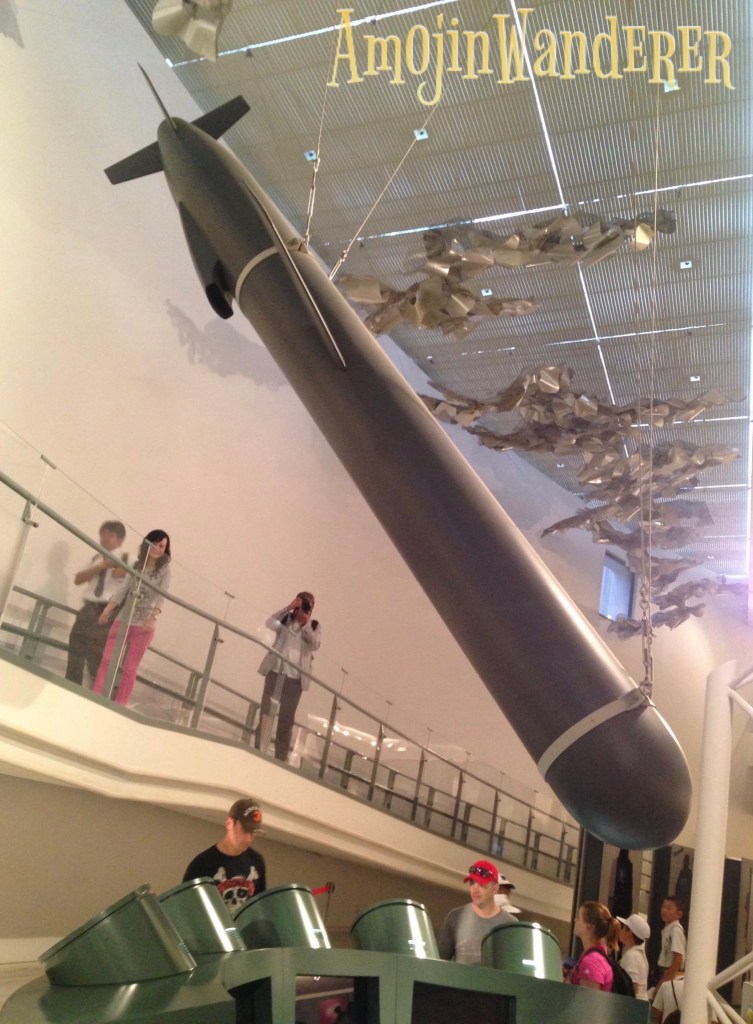
Nearby the Peace Park is the Nagasaki Atomic Bomb Museum. The museum showcased artifacts related to the bombing of Nagasaki, photographs depicting daily life in Nagasaki before the atomic bomb was dropped, the devastation produced by the bomb, and the history of nuclear arms development.

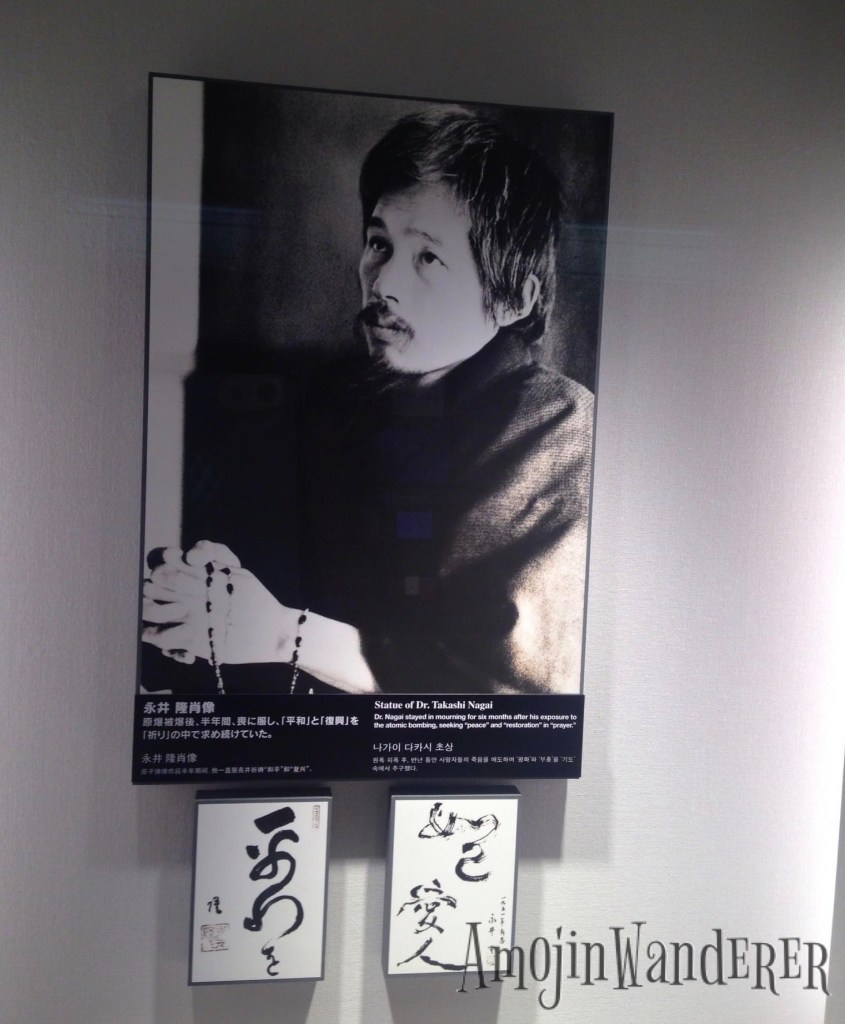
Also featured in the museum is the life of a Catholic physician specializing on radiology and survivor of the bombing, Takashi Nagai. He received a serious injury from the bombing which severed his right temporal artery but still, he joined the rest of the surviving medical staff in treating the atomic bomb victims. He later wrote a book entitled “The Bells of Nagasaki” vividly describing his experiences as a survivor of the atomic bombing in Nagasaki. This was adapted into a Japanese box-office film in 1950. His subsequent life of prayer and service earned him the affectionate title “Saint of Urakami”. He died in 1951 due to leukemia. He has been honoured with the title of “Servant of God” by the Catholic Church and is investigated for possible canonization as a saint.
 Amoj In Wanderland