“Wheresoever you go, go with all your heart.”
– Confucius
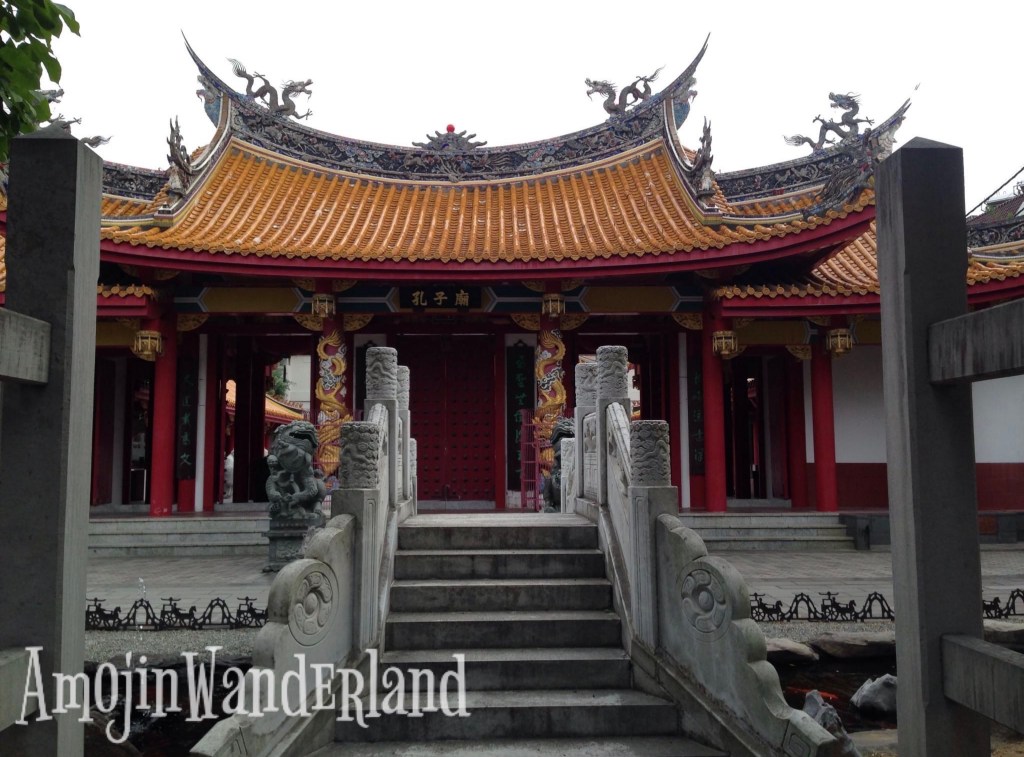
During the Tokugawa shogunate in the 1630s, the only foreigners permitted to trade at the port of Nagasaki were the Dutch and Chinese. Some Chinese had already settled in Nagasaki since at least 1562 until a formal Chinatown was established in the city in the early decades of the 1600s.
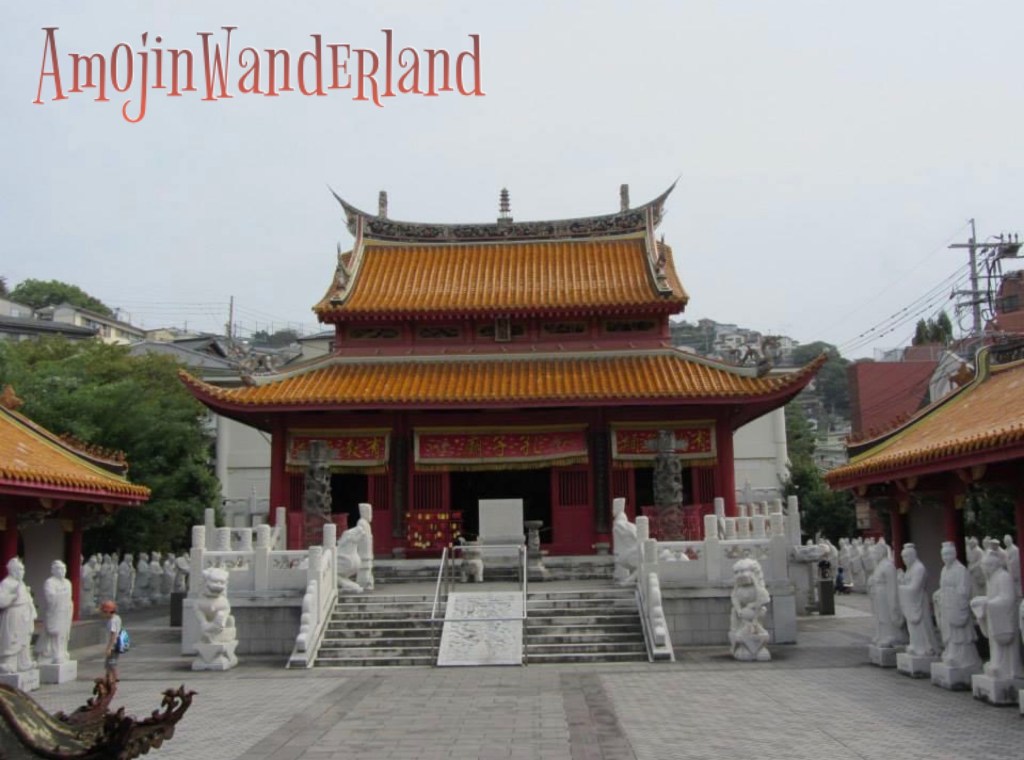
In 1893, the Chinese residents of Nagasaki built the Confucius Shrine or Koshi-byo with the financial support from the Qing Dynasty government in China. It is said to be the only Confucius shrine outside China built by Chinese labor. The shrine originally housed a Confucian sanctuary and primary school designed to serve as a place of worship and learning for the Chinese community. However, it was severely damaged by the atomic bombing during World War 2. The shrine was extensively renovated in 1982.
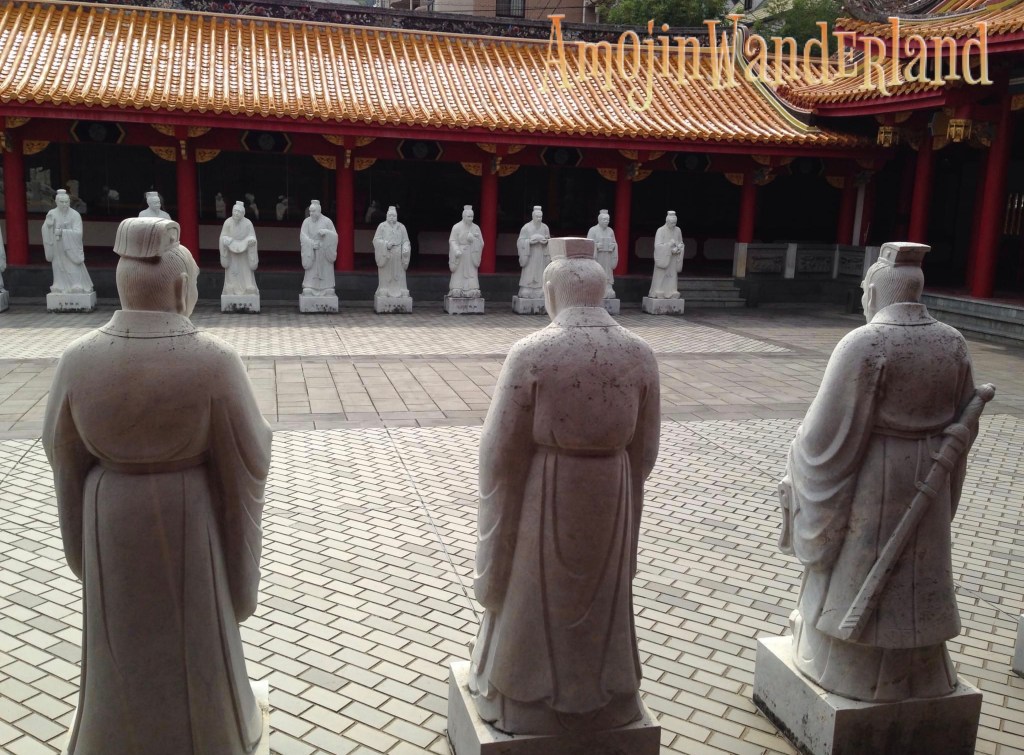
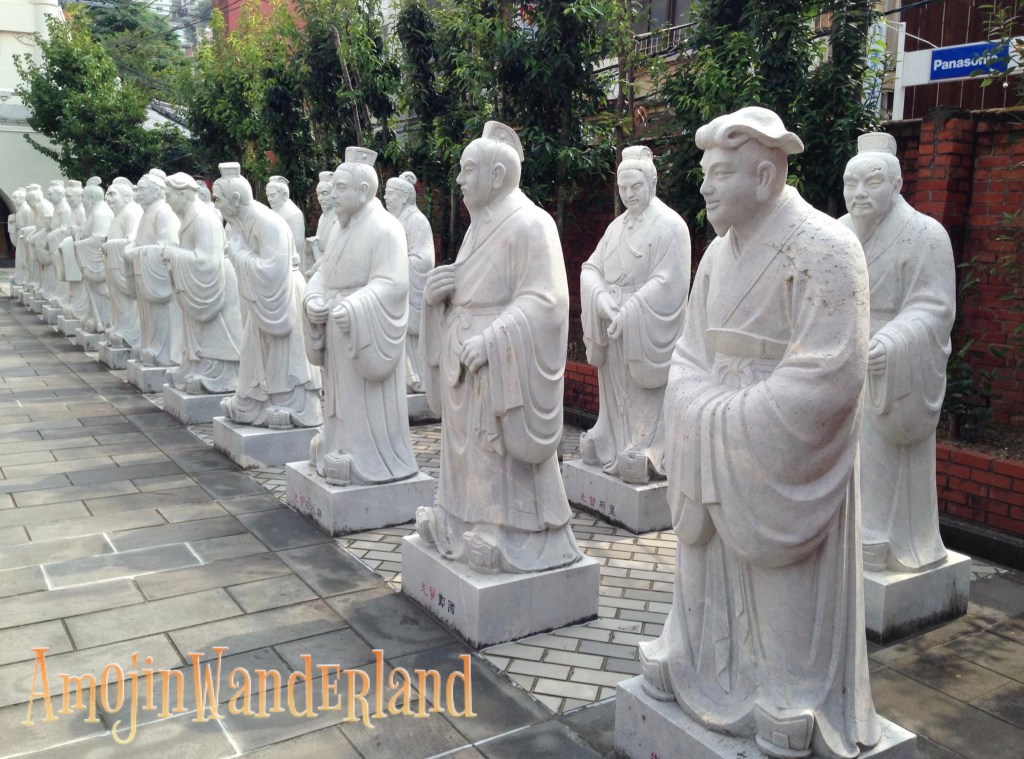
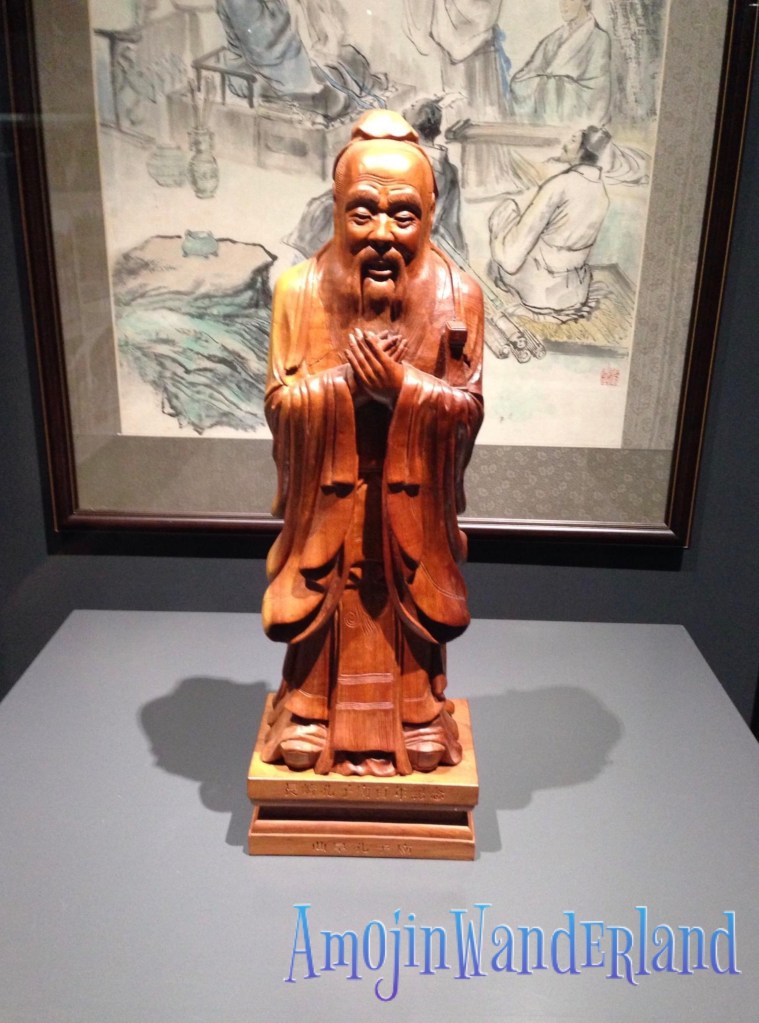
The shrine is near the Oura Church, so I decided to include it on the spot on my trip. The current colorful shrine, built in Chinese style, has 72 statues on the ground representing the 72 followers of the great sage.
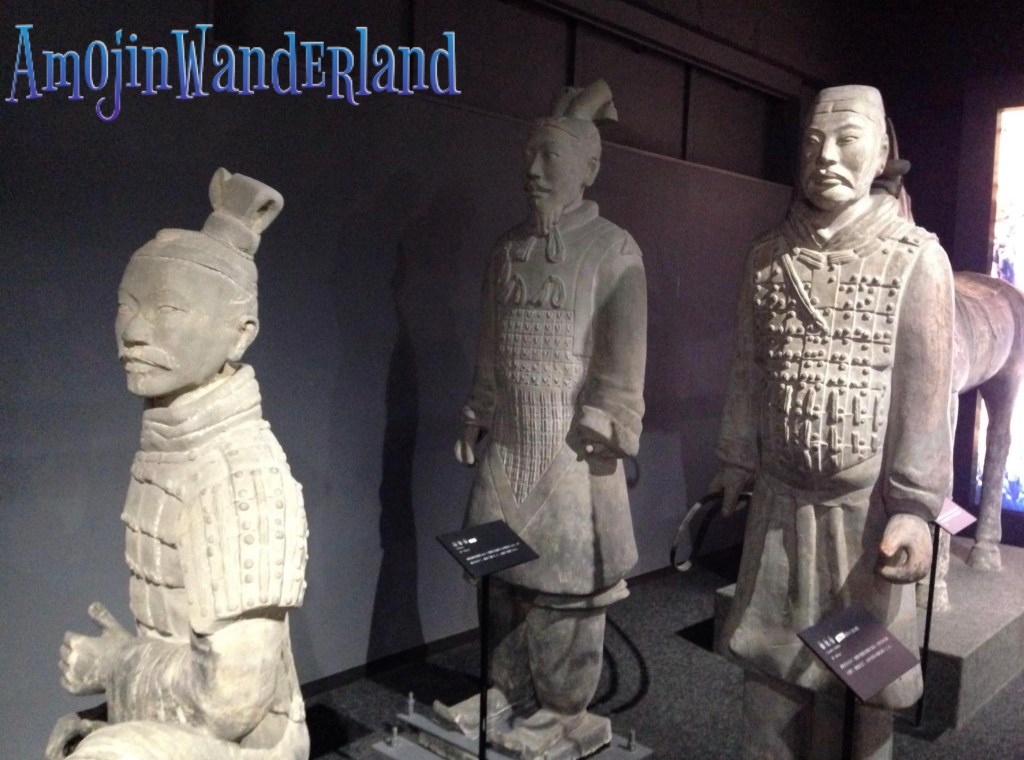
Located at the rear of the shrine is the Historical Museum of China. Displayed on the museum are treasure-class antique articles loaned directly from Beijing.
The Confucius Shrine is an important venue of the Nagasaki Lantern Festival for the celebration of Chinese New Year where different performances were held such as Dragon and Lion dances, music recitals, martial arts, acrobatics and mask changing shows. I should return to see that event.
 Amoj In Wanderland