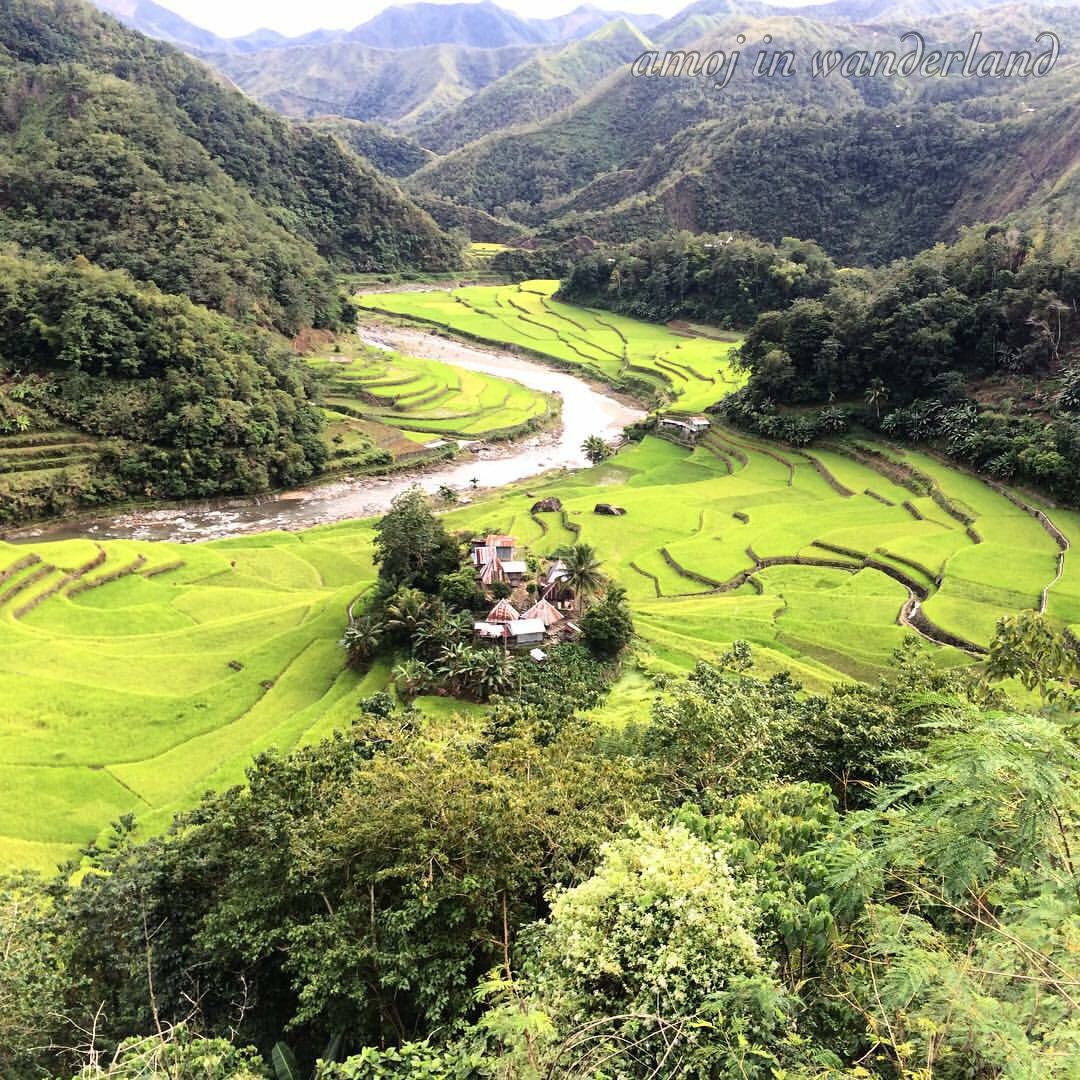
I have always wanted to visit the Banaue Rice Terraces. I didn’t have the luxury of time to do so when I was living in Manila. During our last field sampling in the Philippines, I had a free weekend. I decided to go there with my sister. It was an unplanned trip.
And because I didn’t plan anything on this trip, we went on a longer route. There is supposed to be a bus from Manila going directly to the Banaue Rice Terraces. Still, I chose to go to Baguio first. We started at 6 am, and it took about 6 hours to arrive in Baguio. We took a taxi when we arrived. I asked the driver where we could take the bus going to Banaue Rice Terraces. They took us to a bus station going to Bontoc. Again, we took a longer path as there was a direct bus from Baguio to Banaue. Although the bus was driving smoothly, the narrow mountain road to Bontoc was scary. The trip took about 7 hours, and it was already pitch black when we were near our destination.
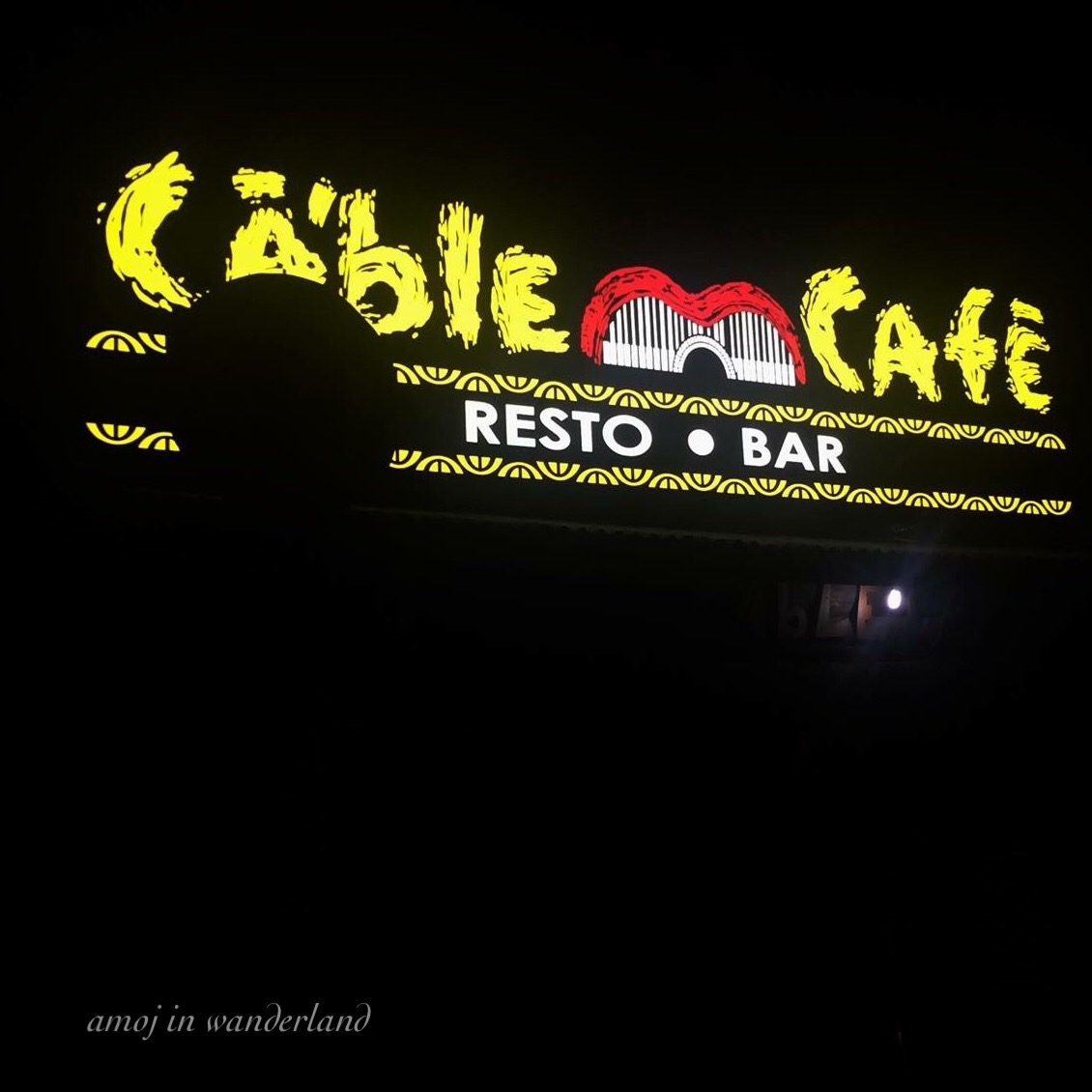
We finally arrived in Bontoc, and thanks God, there are hotels there. It was already late, and there were no more buses going to Banaue. We should move to our final destination the next day. We rented one hotel room for the night and as I expected, there’s no wi-fi there. We just went to the only restaurant-bar located in the area called “Cable Cafe” to eat our dinner. A transvestite was performing that night, singing very old songs. This must be how the young people spend their nightlife in that remote place. We went back to our hotel and called it a night.
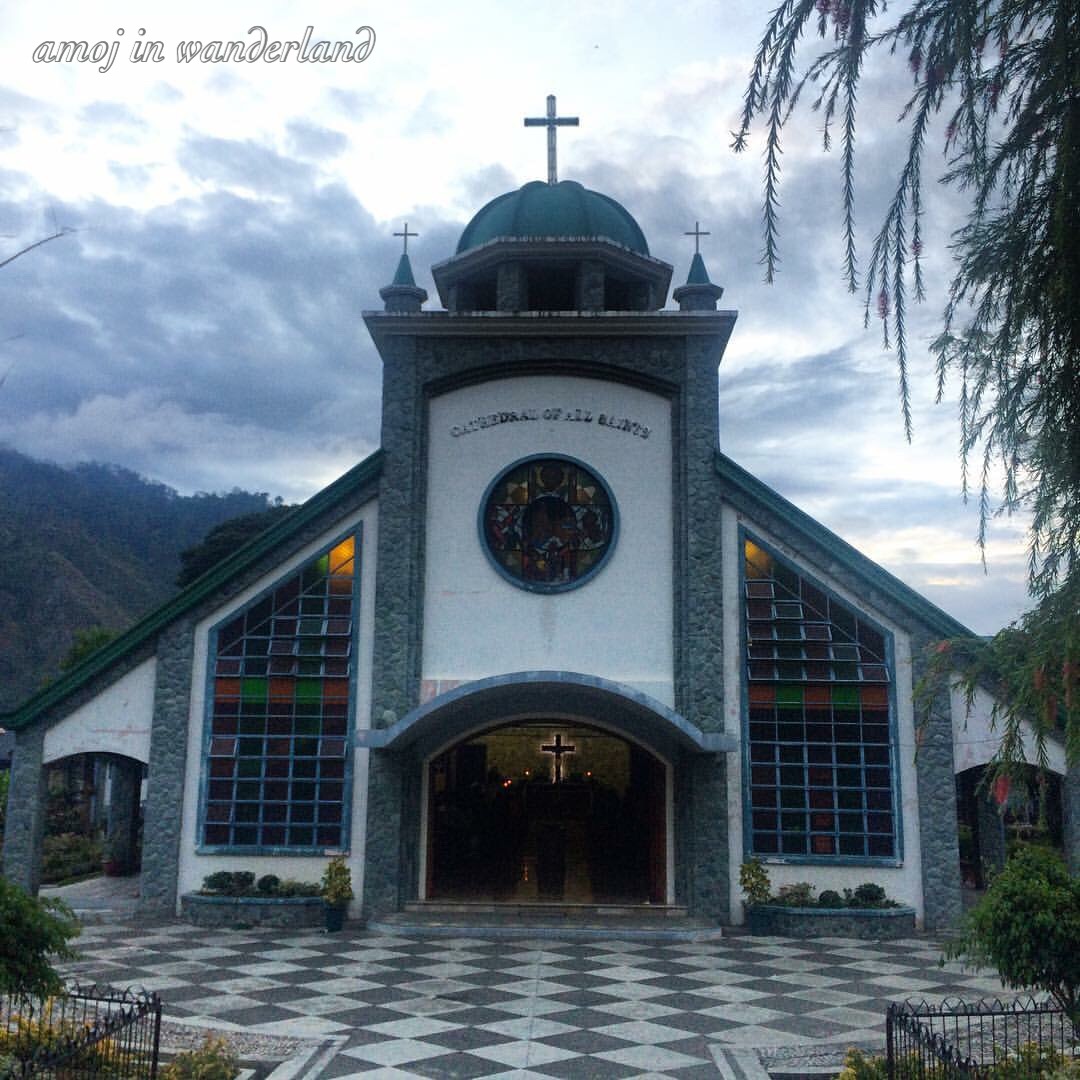
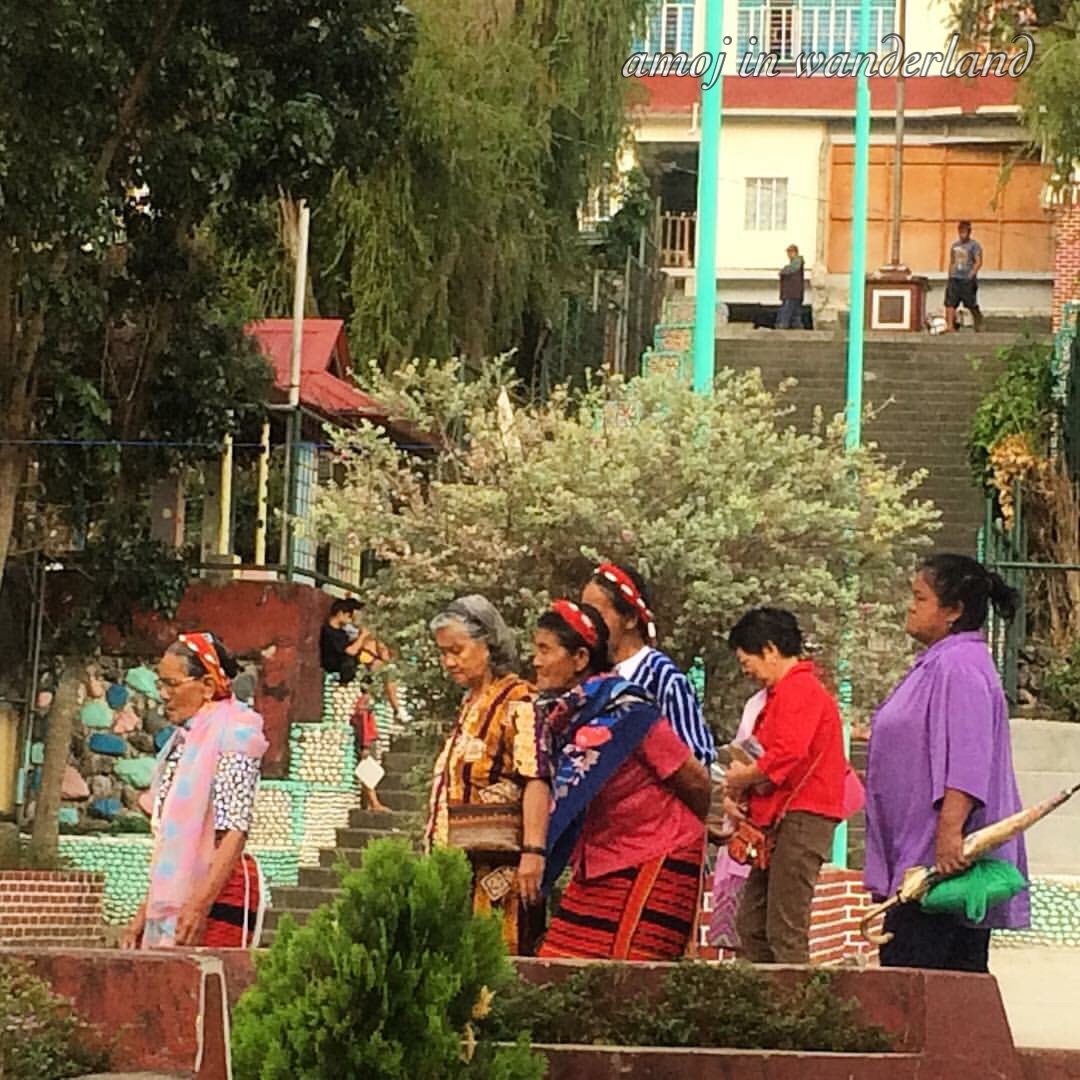
The next day, we decided to go first to the church nearby before going to Banaue. I knew the church was Catholic, but I was surprised that a woman priest (?) was celebrating the mass. I don’t know, but I was creeped out, so we just prayed for a short time and left the church. I just knew later that the church belongs to the Anglican church. We were having our breakfast in one bakery when we heard a continuous ringing of the bell. We don’t know what it meant, but many Igorots (the indigenous people living there) were walking towards somewhere. Most of them are the old ones. It must be a signal for them to gather in one place. I was creeped out again. Maybe it was because of watching too many horror movies. So, we just went to the bus station to finally go to Banaue.
It took another 2 hours to travel from Bontoc to Banaue. The bus took us to the viewpoint, where we will see the Banaue Rice Terraces in all their glory. This is the view printed on the 20 Philippine peso bill. Our long journey just to see this beautiful sight was worth it.
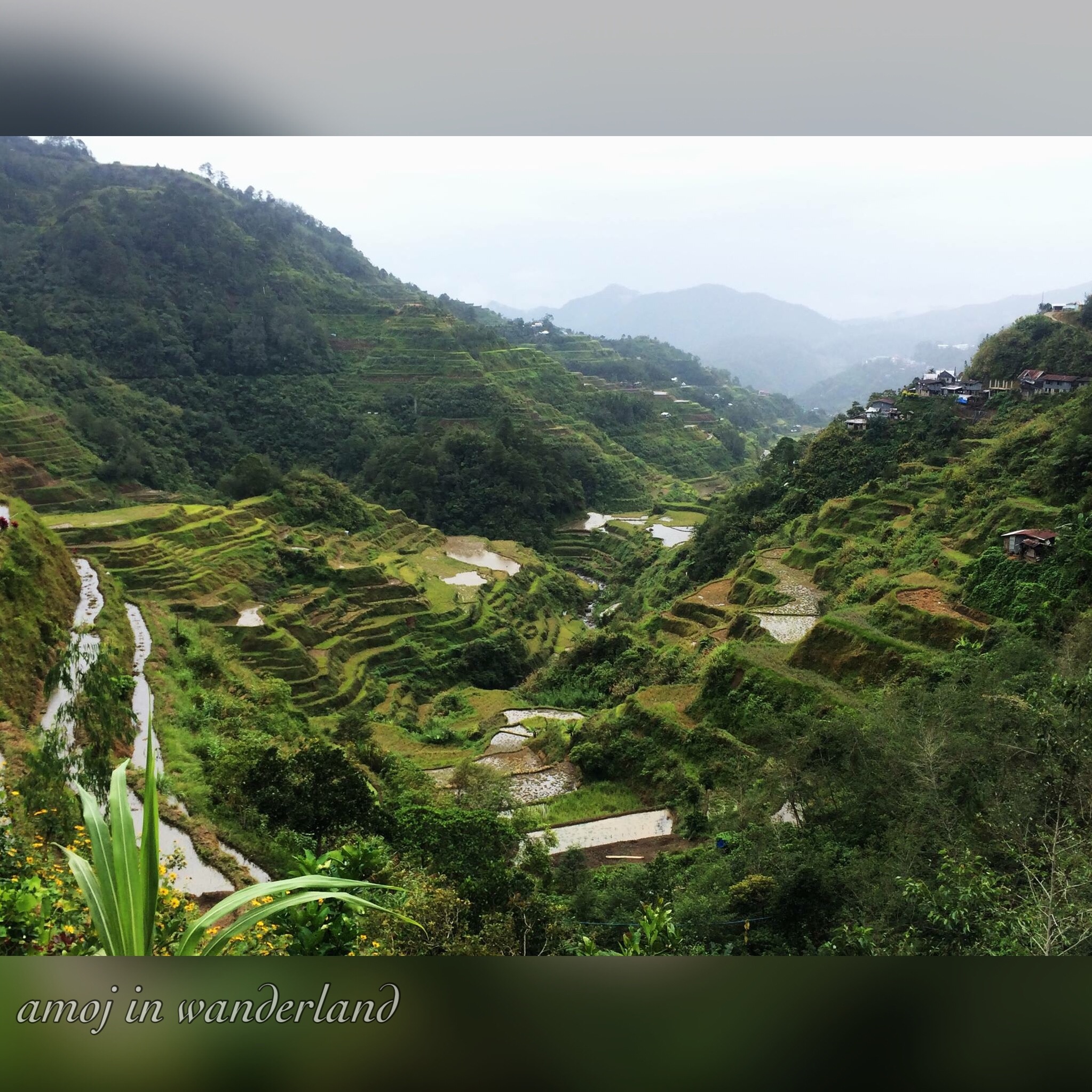
The Banaue Rice Terraces are 2,000 years old. They were carved by hand. The indigenous people in the mountains of Ifugao created them. Terraces were constructed as a practical solution to the problem of growing rice on mountainous land like Banaue. Because of its scenic beauty, it was called by the Filipinos the “Eighth Wonder of the World”. Nonetheless, the Banaue Rice Terraces were not included in the UNESCO World Heritage Site inscription. This was due to the presence of numerous modern structures nearby. The UNESCO list only includes the Batad, Bangaan, Hungduan, Mayoyao Central and Nagacadan. Banaue Batad and Bangaan are under the jurisdiction of the Municipality of Banaue. Still, they are not referred to as the Banaue Rice Terraces. The Banaue Rice Terraces were declared by the Philippine government as a National Cultural Treasure.
After taking pictures, we went to the Poblacion to eat our early lunch. Then, we went to the tourism center, where we rented a tricycle. The guy at the center suggested that we visit Bangaan Rice Terraces. There, we went down and saw an Ifugao village. The rent for the tricycle costs 600 Philippine pesos.
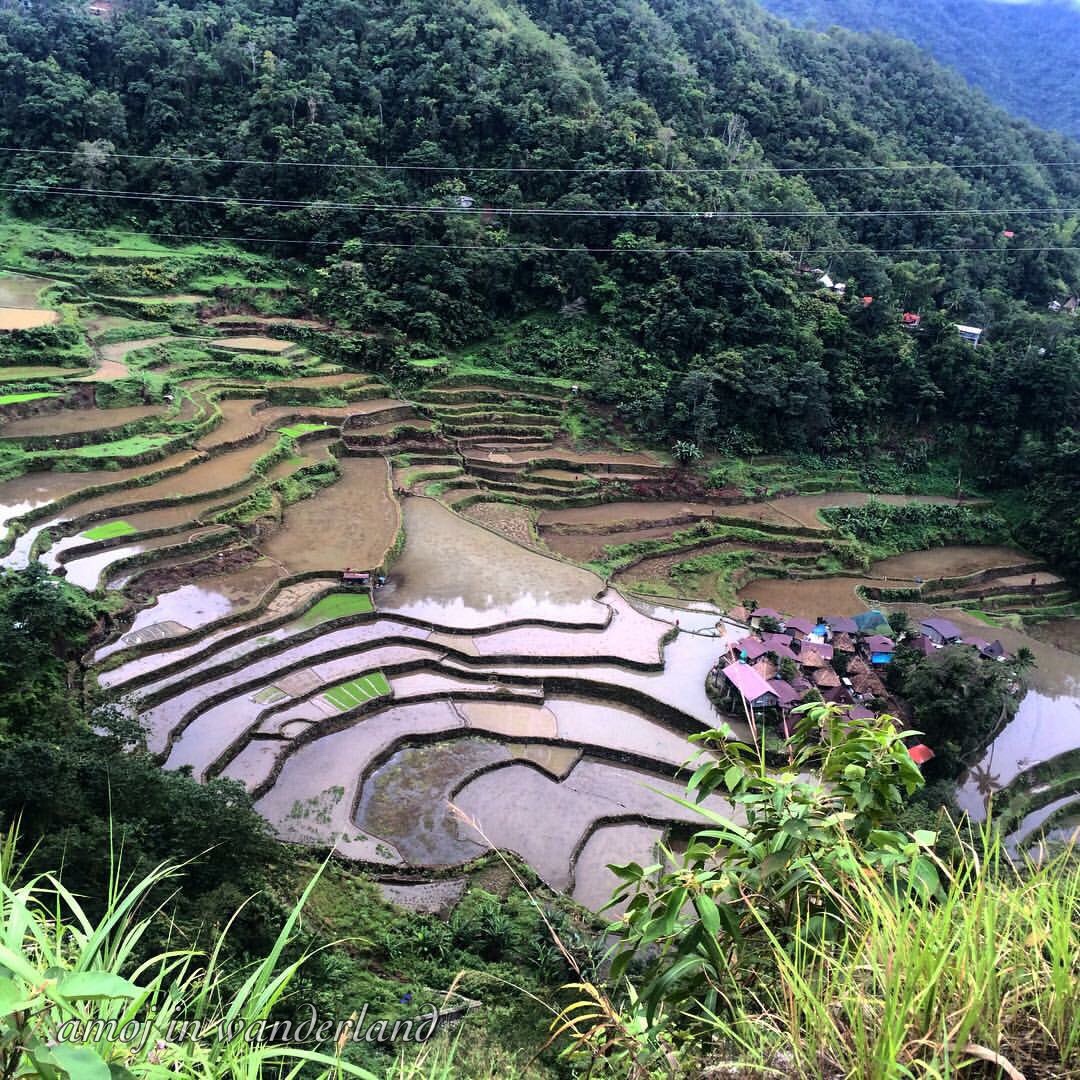
After about half an hour, we arrived in Bangaan. It took us another 1.5 hours to go down to the village. It was interesting to see the traditional Ifugao houses still standing in the village. The local people are kind and friendly.
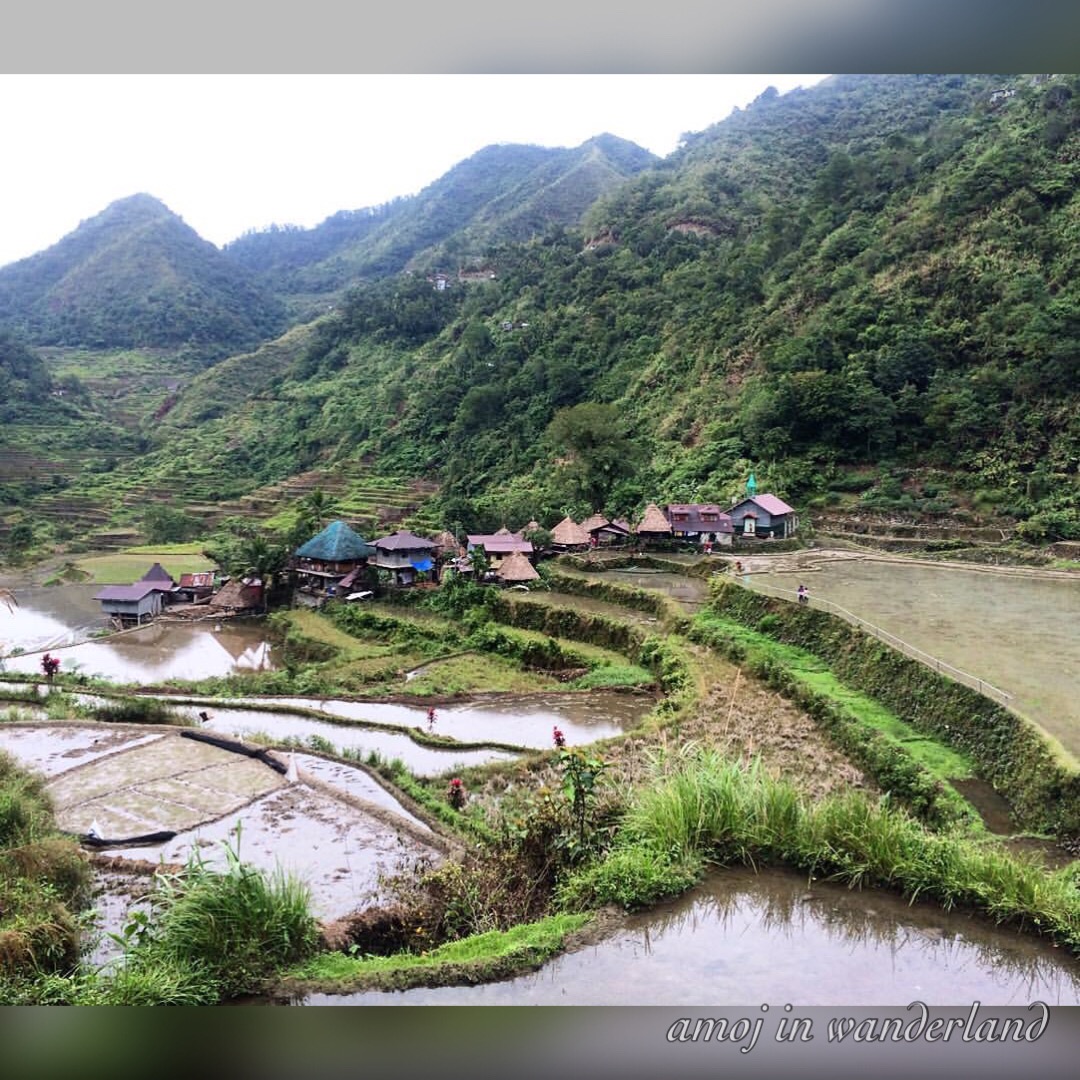
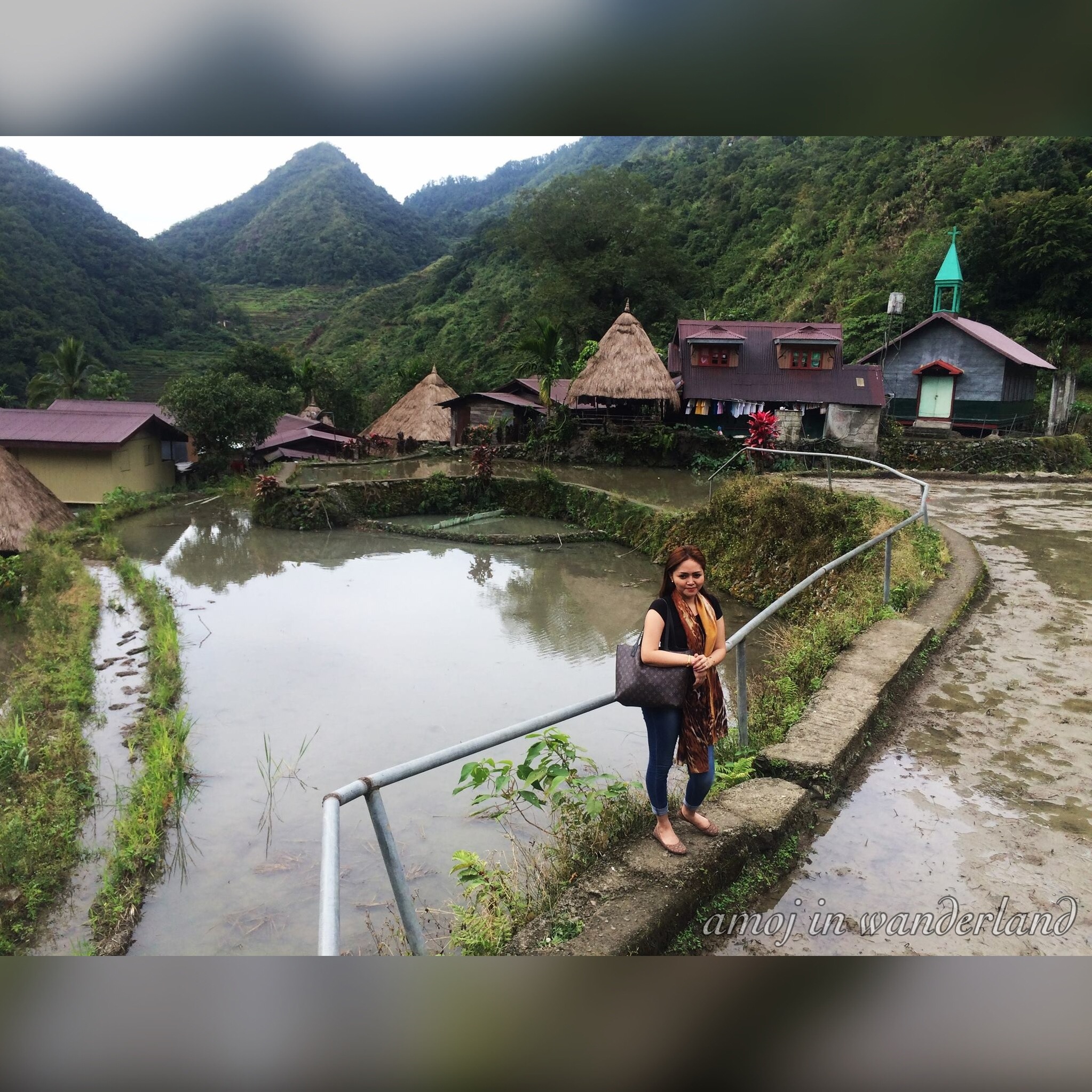
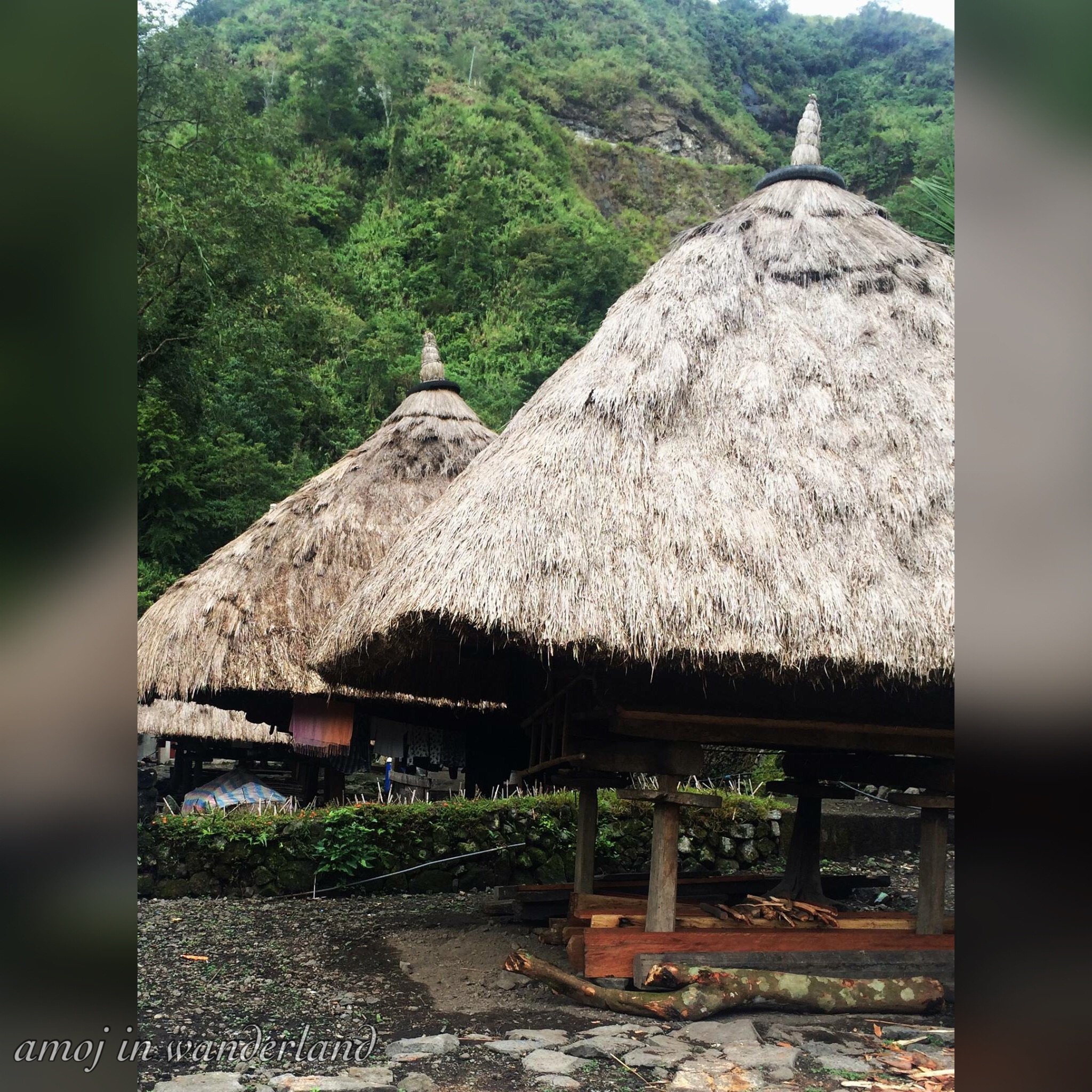
The tricycle driver offered to drive us to Ducligan for an extra 300 pesos. After haggling, we agreed to pay 250 pesos. Ducligan was greener than Bangaan. Unlike in Bangaan, they had yet to finish harvesting the rice. We were lucky that the driver offered to take us to Ducligan, as the scenery was also beautiful.
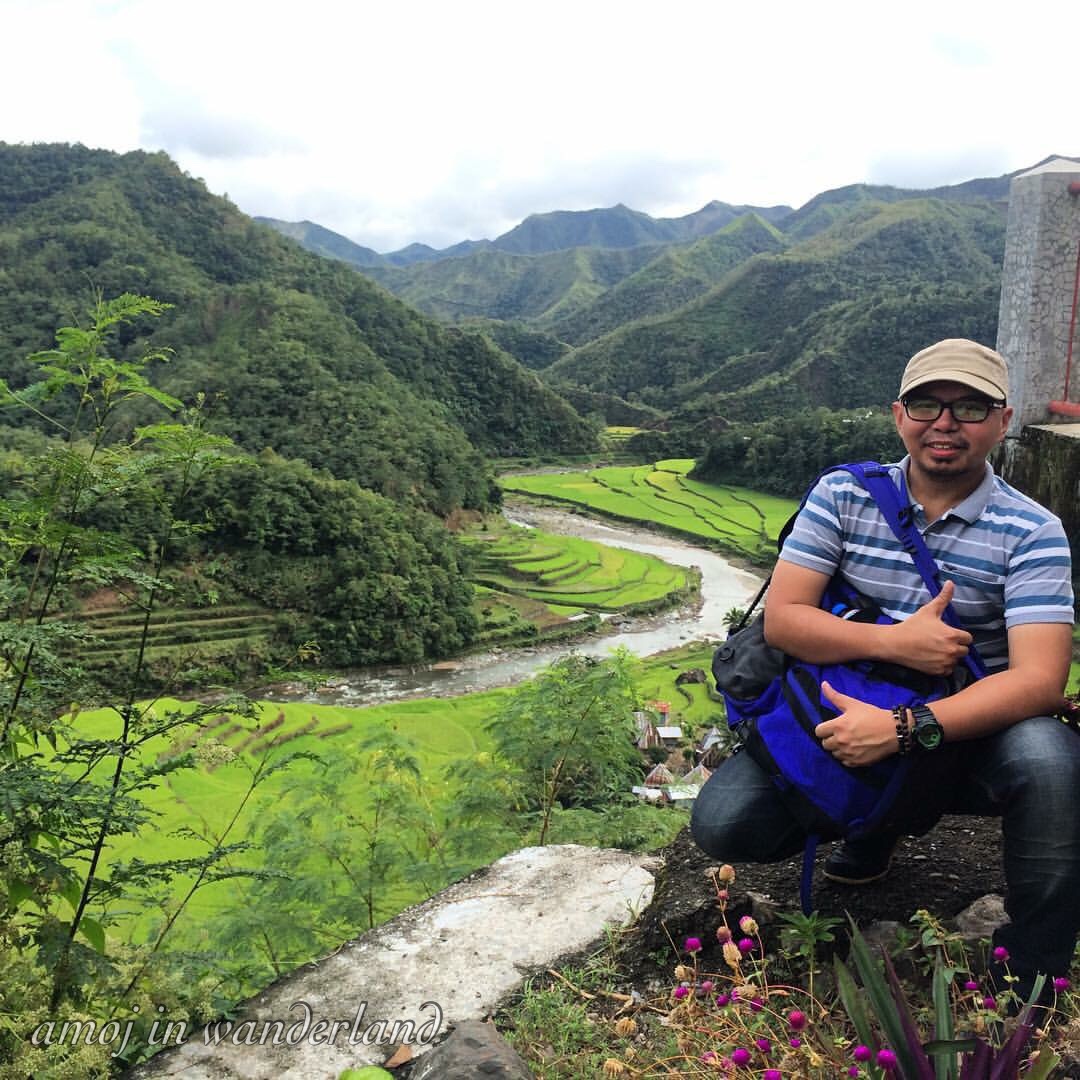
The rice terraces of the Cordillera region face threats from deforestation, disuse, climate change, and earthquakes. They might be endangered in a few years. To save the rice terraces, the Ifugao people’s traditions must be preserved. I just hope that future generations can still adore this wonderful sight. It is more worthy to see in person than in pictures or peso bills.
 Amoj In Wanderland