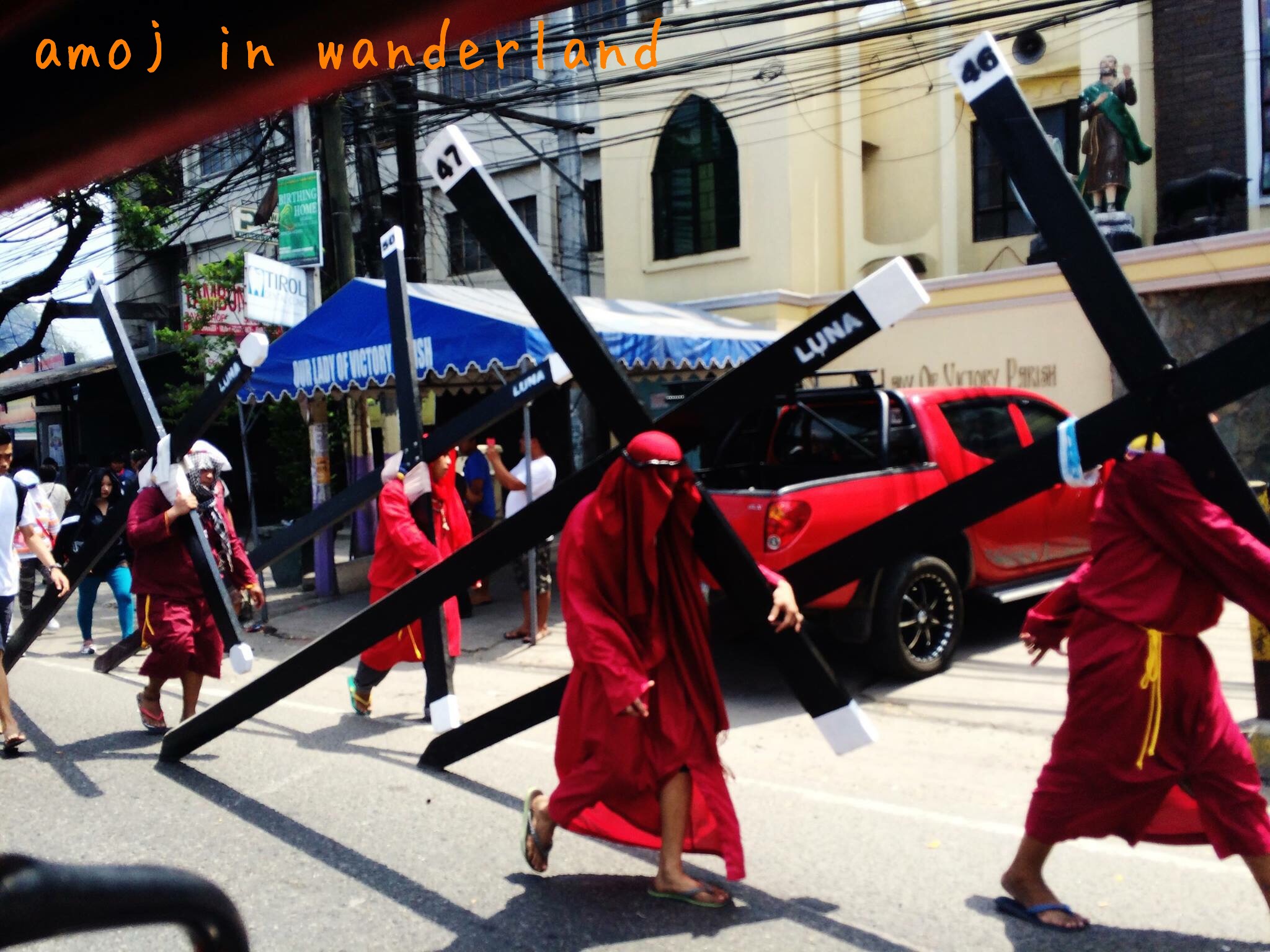
It’s Good Friday and at this time, I should have been going to some churches and do the prayers along the stations of the cross. This is the Catholic’s tradition of doing “Visita Iglesia” every holy week. I have started doing it since the late 90’s with my sister. When I had to leave Philippines and study in Japan, I have never done it for many years until 2014. Since I was in the Philippines at that time during the holy week, I went out with my friends to do the “visita iglesia”.
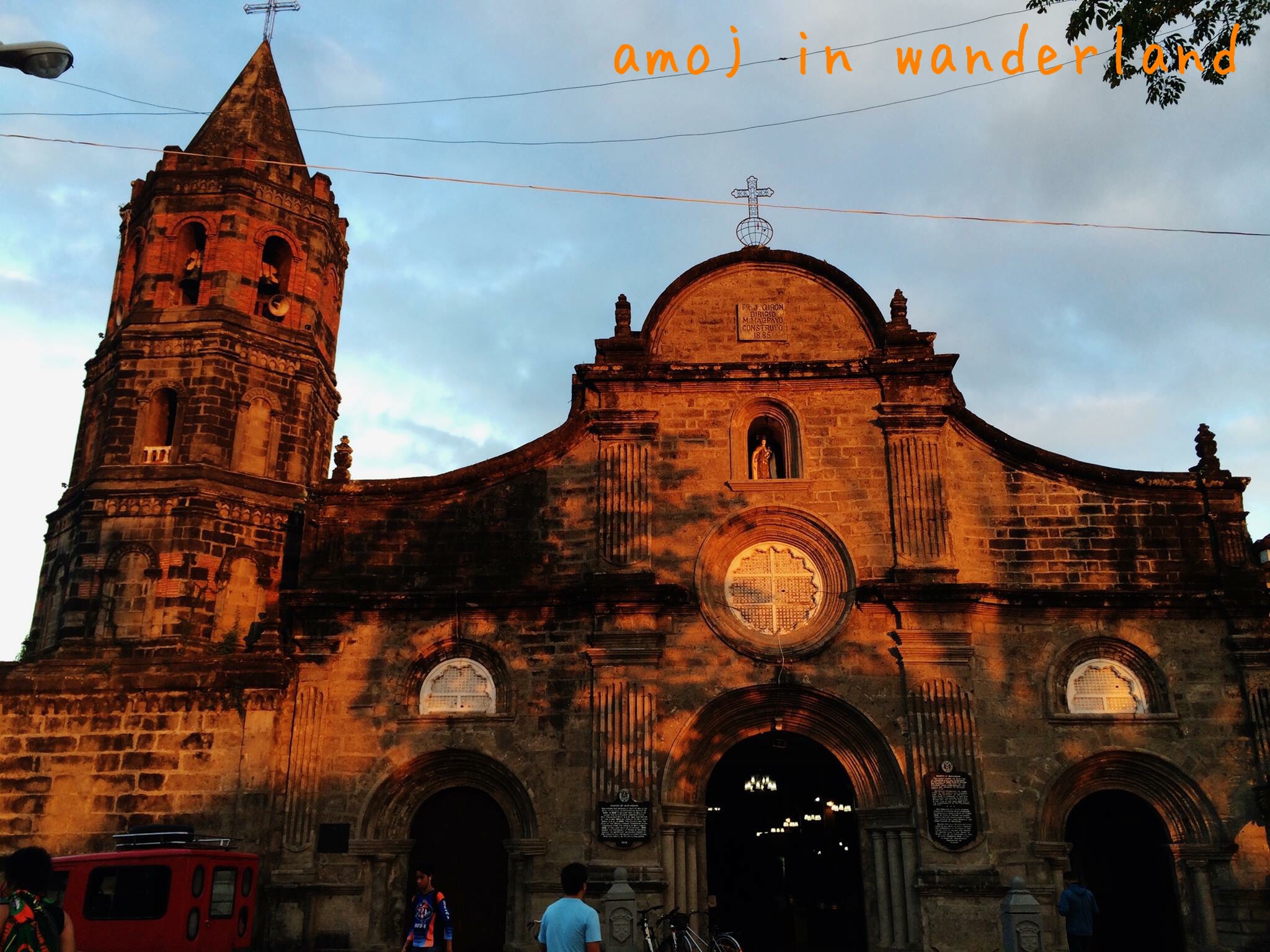
1. Barasoain Church of Malolos, Bulacan
Our first stop is the Our Lady of Mt. Carmel Parish which is more popularly known as the Barasoain Church in Malolos, Bulacan. Founded by Augustinian Missionaries in 1859, it is considered as the most historically important religious building in the Philippines. This is where the first Philippine Republic was inaugurated in January 23, 1899.
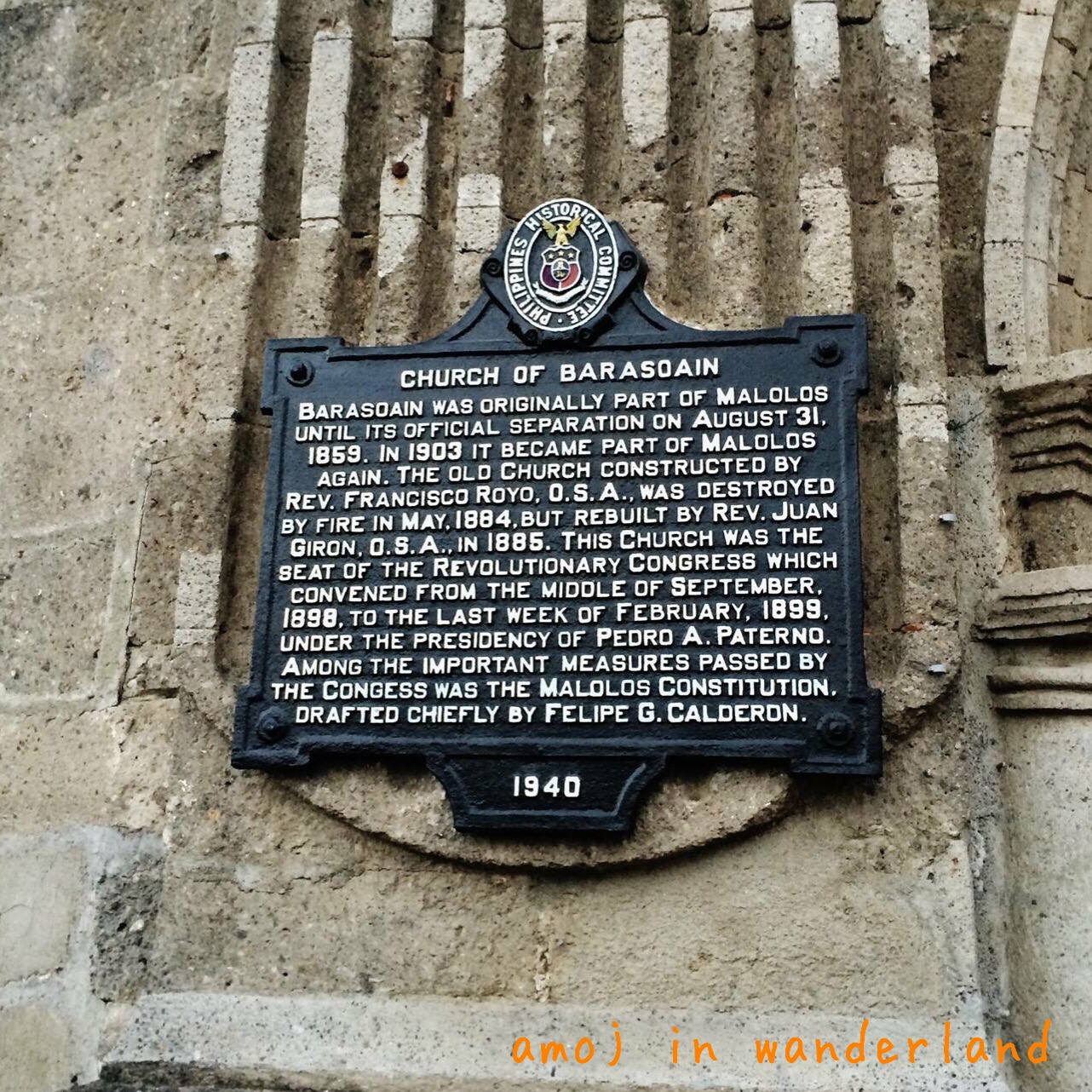
Prior to the inauguration, it has also been a temporary residence of the first Philippine President, General Emilio Aguinaldo. The church is also where the first Philippine Congress has convened in September 15,1898 and the Malolos Constitution has been drafted from September 29, 1898 to January 21, 1899. It was proclaimed as a National Shrine in 1973. It is also the only church being featured on a Philippine money (₱1 bill used from 1951 until 1974, 3 series of ₱10 bill from from 1967 with the last being used until 2017, and the newest ₱200 issued since 2010)
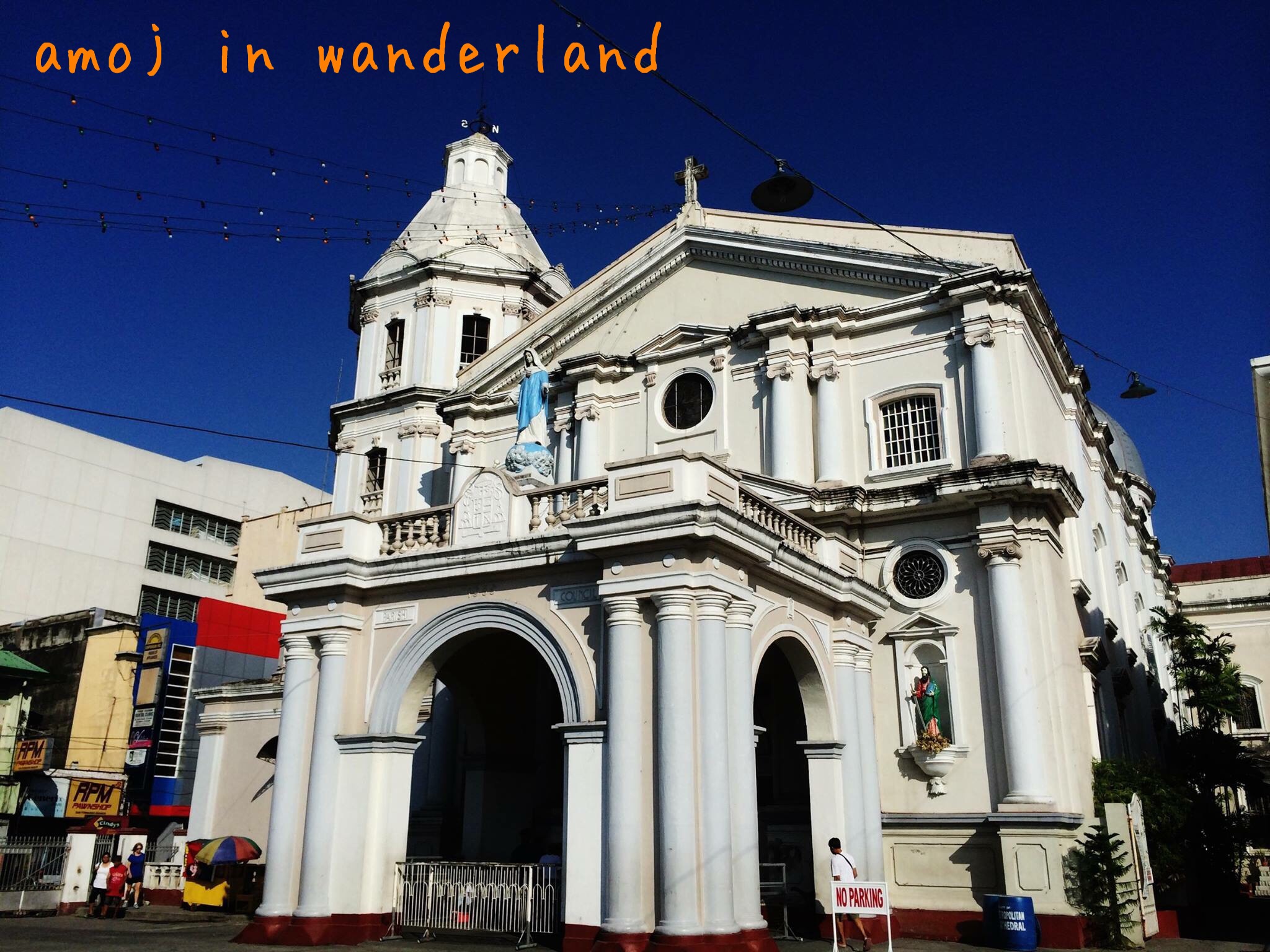
2. Metropolitan Cathedral of San Fernando, Pampanga
Our second destination is The Metropolitan Cathedral of San Fernando in the City of San Fernando, Pampanga. It was founded in 1754 as the Cathedral of Our Lady of the Assumption. The current church has a neo-classical architecture and is serving as the seat of the Archdiocese of San Fernando.
Similar to the Barasoain church, it has some historical value such that the President Aguinaldo and his cabinet have viewed the Philippine Revolutionary Army from the windows of the convent on October 9, 1898. And upon the orders of Gen. Antonio Luna, the Philippine Revolutionary Army burned the church and convent on May 4, 1899. The church was later rebuilt and completed into what it is now in 1948.
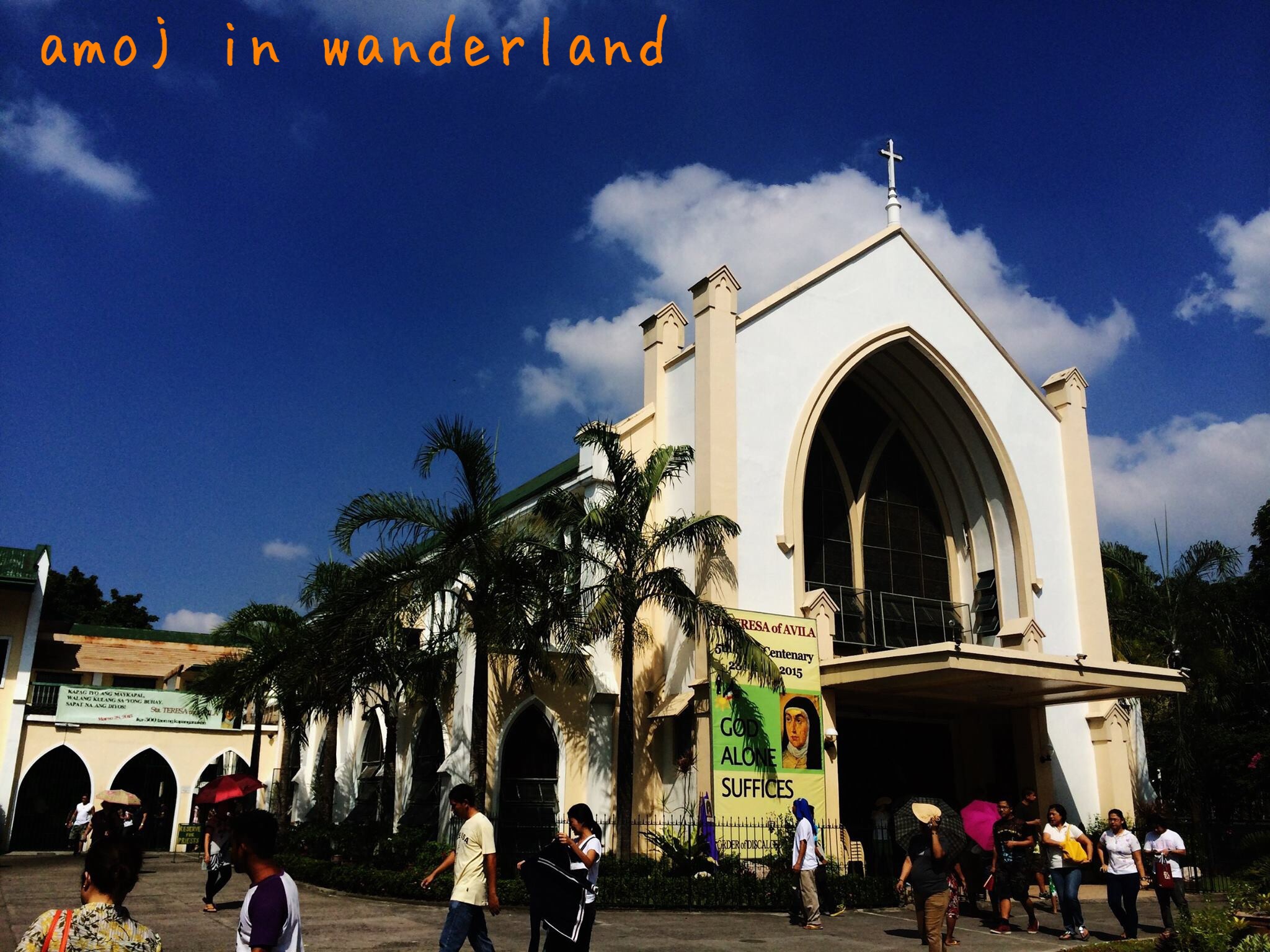
3. Carmelite Monastery and Church of Angeles, Pampanga
Our third stop is the Carmelite Monastery and Church in Angeles City, Pampanga. The Carmelites or the Order of the Brothers of the Blessed Virgin Mary of Mount Carmel or Carmelites is a Roman Catholic religious order founded during the 12th century on Mount Carmel, Israel Their spiritual focus is contemplation.
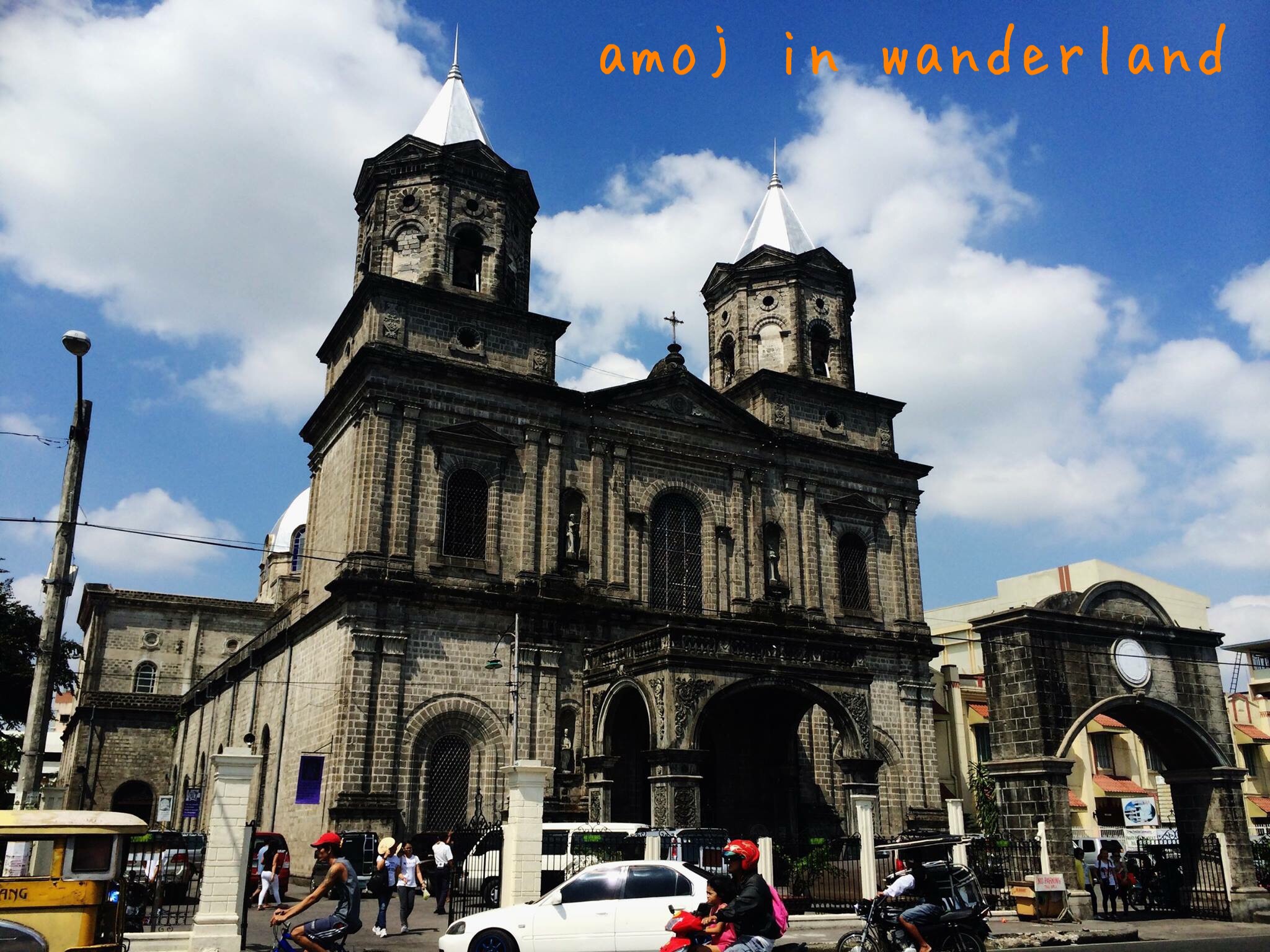
4. Holy Rosary Parish of Angeles, Pampanga
In Pampanga’s local dialect, the Holy Rosary Parish is called as “Pisambang Maragul” which means big church. We reached this church just a few kilometers away from the Carmelite Monastery. Because of its historical value, it was also assigned as a national historical site by the country’s National Commission for Culture and the Arts.
For 40 days per year, all males aged 16 to 65 years old was forced by the Spanish colonial government to render their workforce free of charge to construct the church from 1877 to 1896 via the labor system known as “Polo y Servicio”. During the revolution in 1896 until 1898, the backyard of the church became the execution grounds for Filipino rebels. it was also used by the U.S. Army as a military hospital from 1899 to 1900. The church was completed in 1909, destroyed during the World War 2, and immediately rebuilt in 1944.
Today, as in all Good Friday, there will be a procession with the bare-footed followers of the “Apung Mamacalulu” or the Holy Sepulchre.
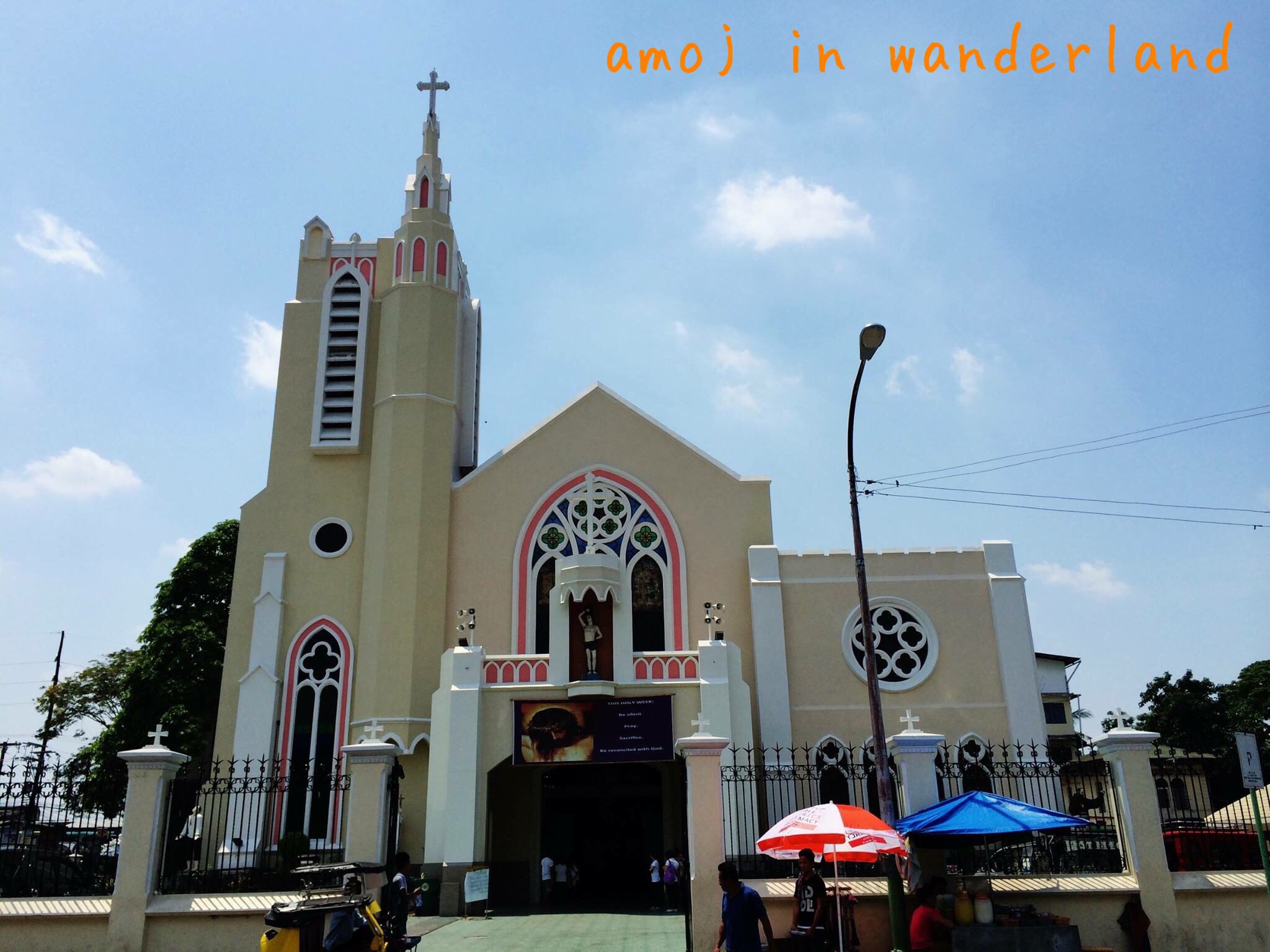
5. San Sebastian Cathedral of Tarlac
From Pampanga, we entered the adjacent province of Tarlac by visiting the San Sebastian Cathedral. It was my second time to visit this post-war Neo-Gothic church in Tarlac City. Established by the Agustinian friars in 1676, the cathedral is the seat of the Roman Catholic Diocese of Tarlac.
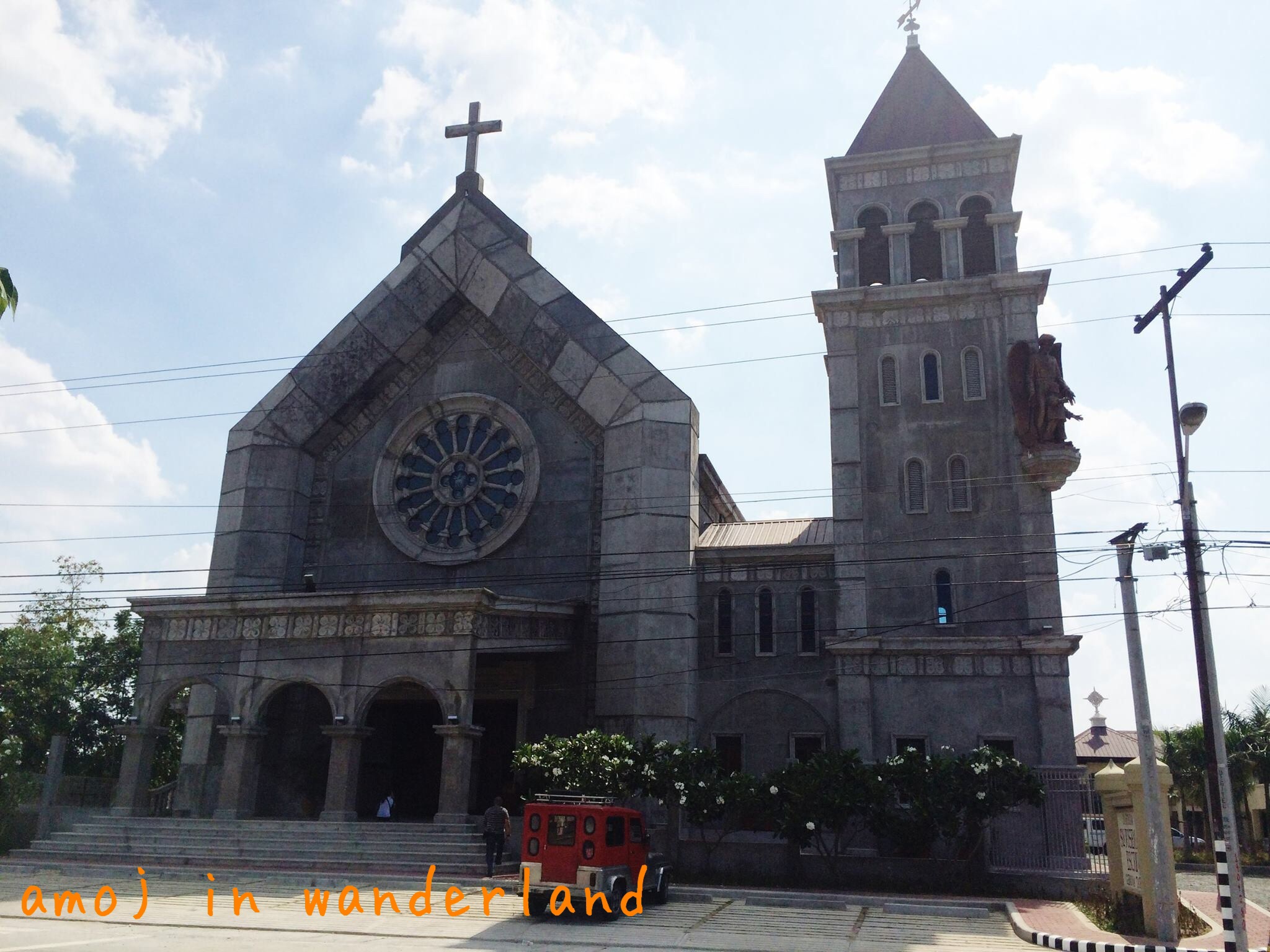
6. San Josemaria Escriva Parish Church
Our next stop is the newest church on the list, being constructed and declared as the Parish Church of St. Josemaria Escriva de Balaguer in February 14,2014 located at Gerona, Tarlac. This is the first diocesan shrine dedicated to the Opus Dei founder in the Philippines and in Asia. I like this church as the saint and I have the same first name, lol.
Having been criticized as “the most controversial force in the Catholic church, the Opus Dei (Latin for work of God) was founded by the saint and priest Josemaria Escriva in Spain in 1928 and was given final approval in 1950 by Pope Pius XII. Its main teaching is that everyone is called to holiness and that ordinary life is a path to sanctity. The group’s portrayal as a sinister Catholic organization in Dan Brown’s novel “The Da Vinci Code” has received international attention.
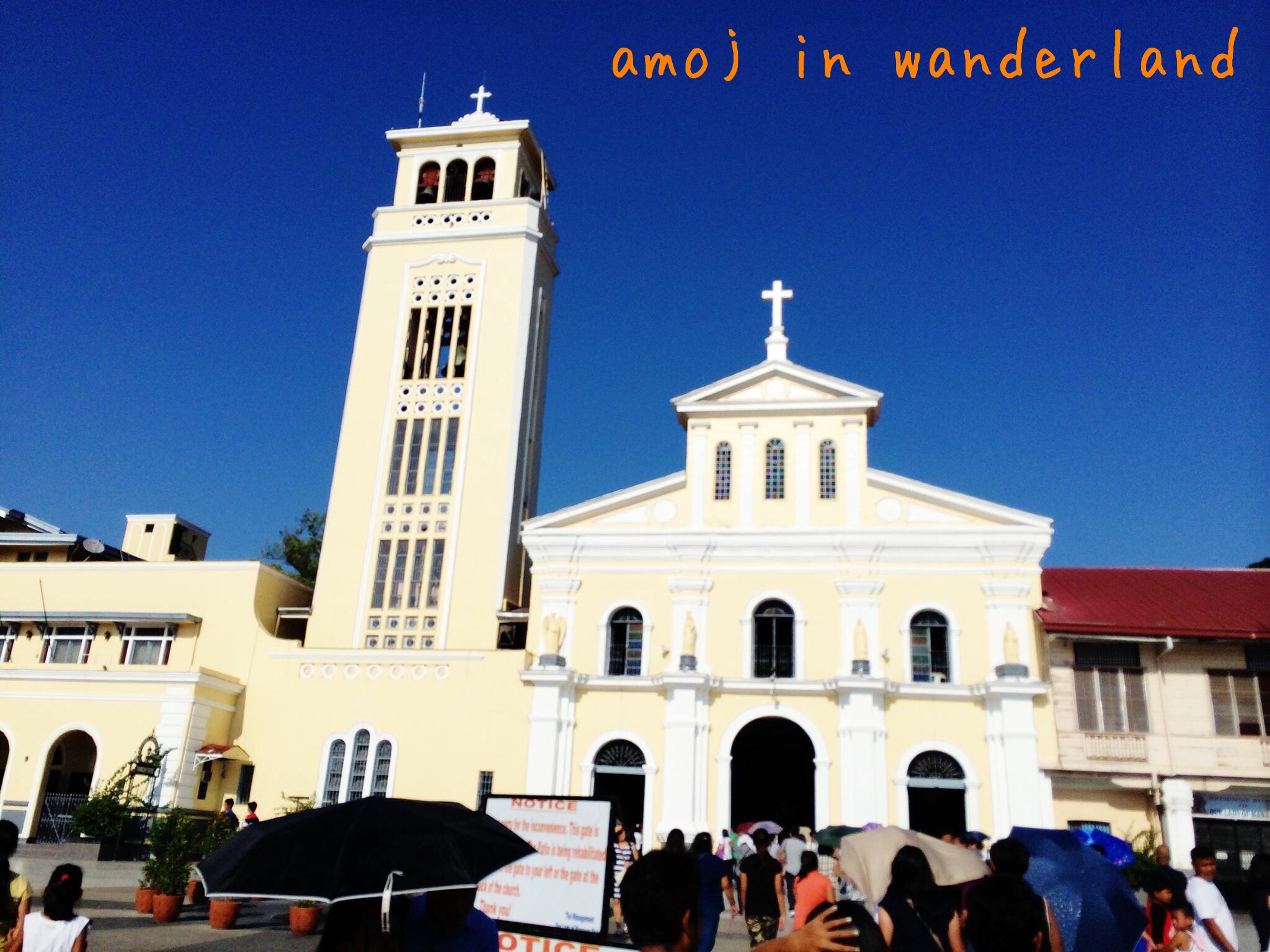
7. Shrine of Our Lady of the Rosary of Manaoag, Pangasinan
Our last destination was the Our Lady of Manaoag Shrine in Pangasinan, notably one of the major pilgrimage sites in the Philippines. It’s not advisable to go to this church in Good Friday as it was so crowded.
Officially known as the Minor Basilica of Our Lady of the Most Holy Rosary of Manaoag, it enshrined the ivory, bejewelled image of Our Lady of Manaoag made in 1610. Since all the images were covered with purple cloth during the last 2 weeks of Lent, I didn’t have the chance to see the image. This custom of veiling the images was probably derived from Germany in the 9th century with a cloth, called the “Hungertuch” (hunger cloth) covering the entire altar during Lent.
We finally went back to Manila and call it a day. I just hope I can do the “visita iglesia” again when I return to the Philippines.
 Amoj In Wanderland