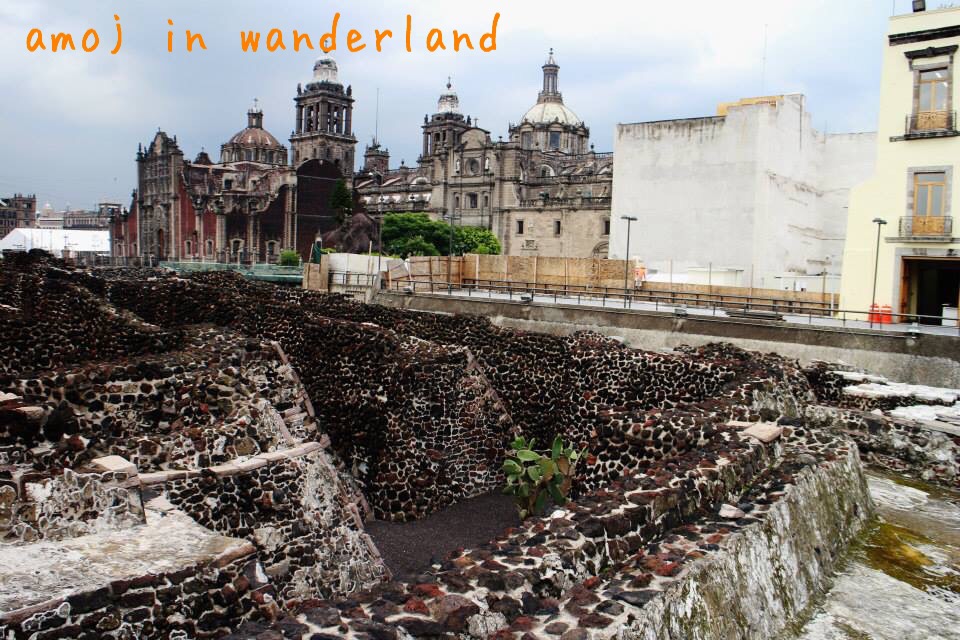
Built on a muddy island on the lake at the Valley of Mexico in 1325, the Aztec capital of Tenochtitlán was occupied and destroyed by the Spanish forces in 1521 led by Hernán Cortés. The area became the foundation of the modern Mexico City. The site of the Templo Mayor or the Great Temple was discovered in 1978 and has became part of Mexico City’s Historic Center which was designated as a World Heritage Site in 1987.
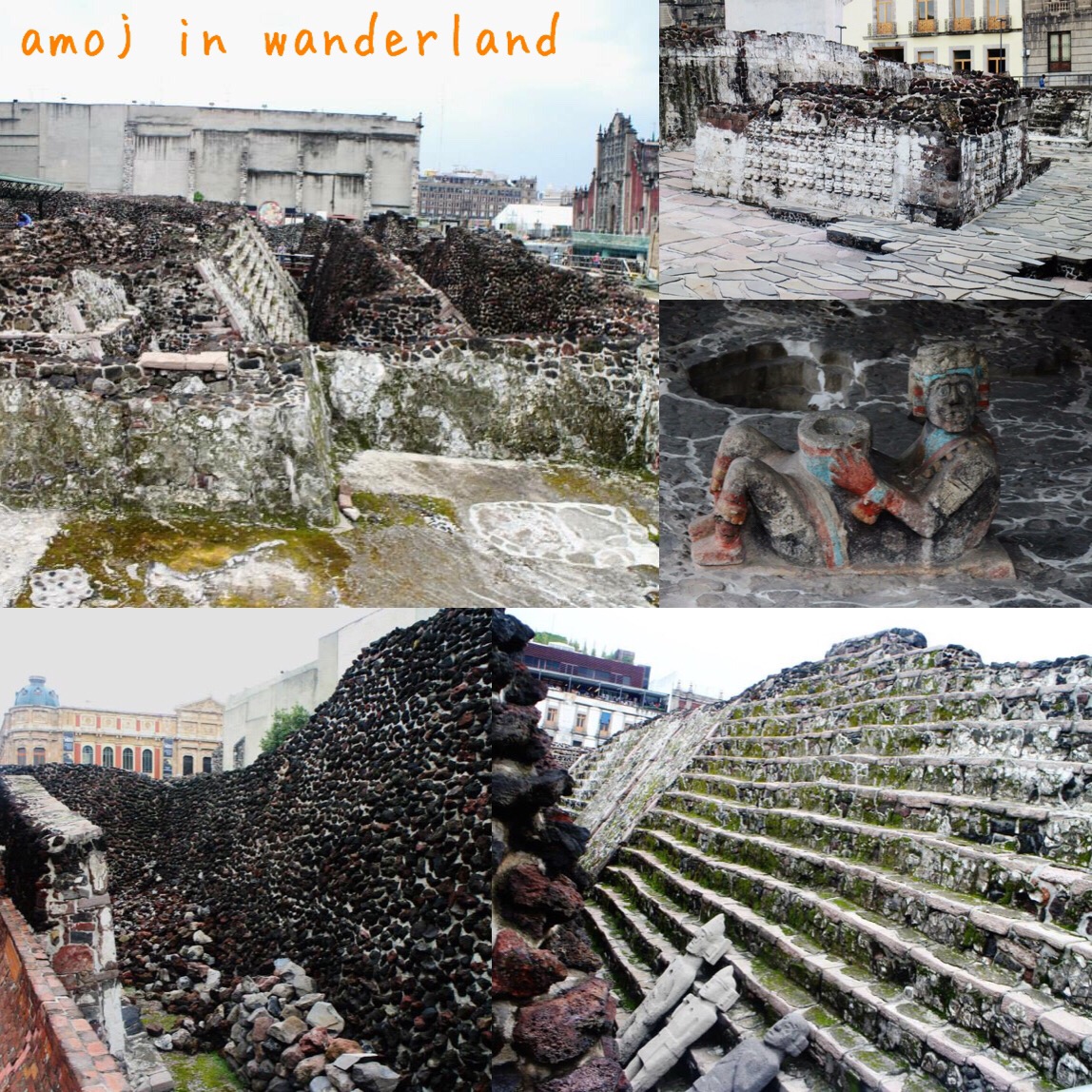
On the day that we visited Zocalo, we also went to see the archaeological site of Templo Mayor on the northeast side of the plaza.
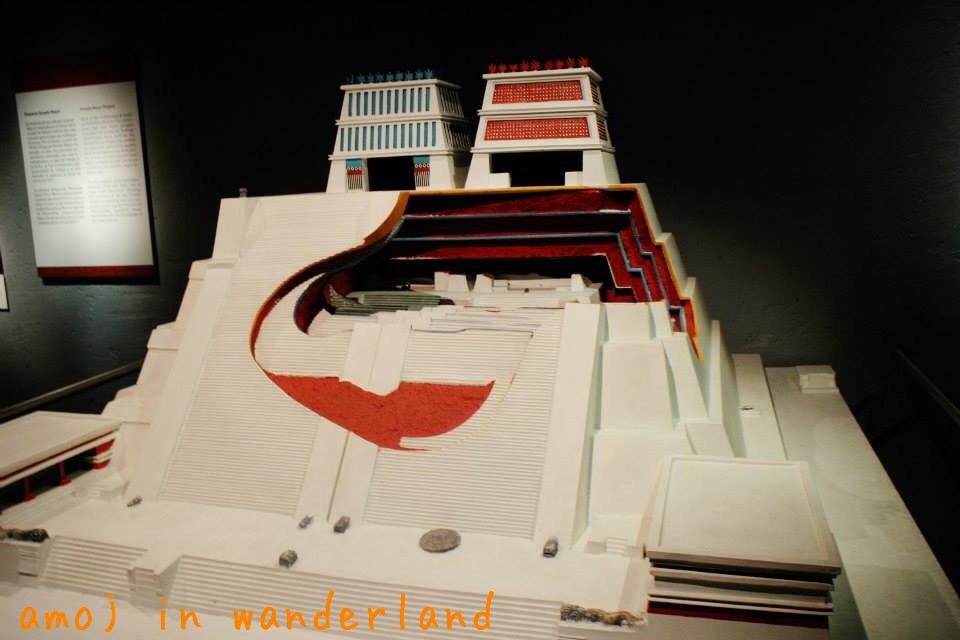
During the glorious days of the ancient Aztecs, the temple was called huei teocalli in Nahuatl language with shrines dedicated to Huitzilopochtli, the god of sun and war and Tlaloc, god of rain and fertility. Thousands of humans have been sacrificed in the temple as the two gods required human sacrifices.
The Templo Mayor has been rebuilt six times with each one built at the top of another. As the most recent temple was destroyed by the Spaniards and the rubbles being used for the construction of the nearby cathedral, there are still more of the Templo Mayor to unearth and reveal more about the Aztec’s ancient lives.
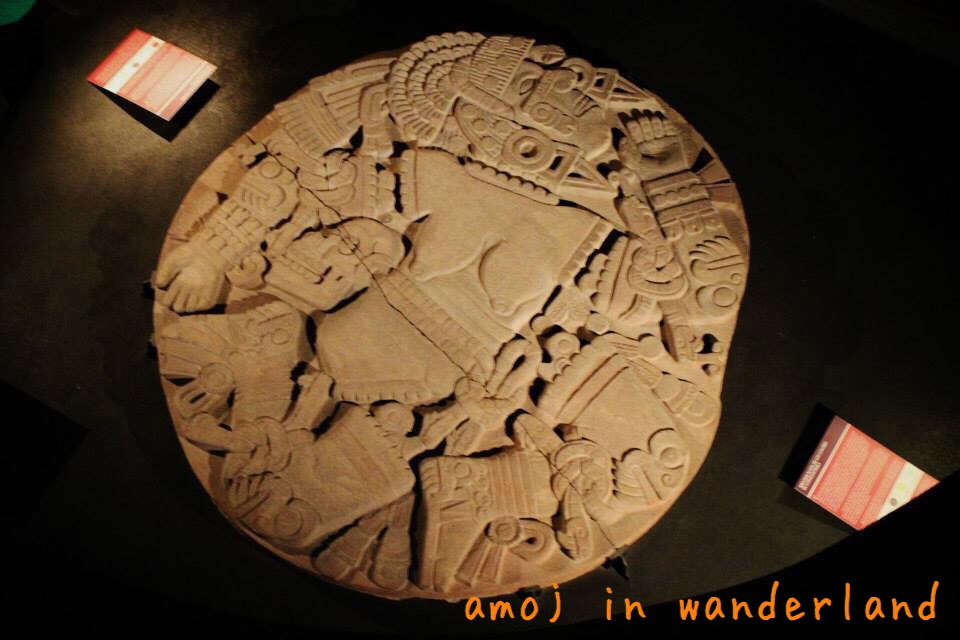
A monumental 8-ton stone disk depicting the decapitated and dismembered moon goddess Coyolxauhqui was discovered in 1978 by Mexican electricity workers. This prompted the excavation of the rest of the Templo Mayor as headed by the archaeologist Eduardo Matos Moctezuma. Since then, much has been uncovered on the temple including sections of the temples, the palace rooms and their built-in baths, the House of the Eagle Warriors, a school for priests and writhing sculptures of sacred snakes and serpents.
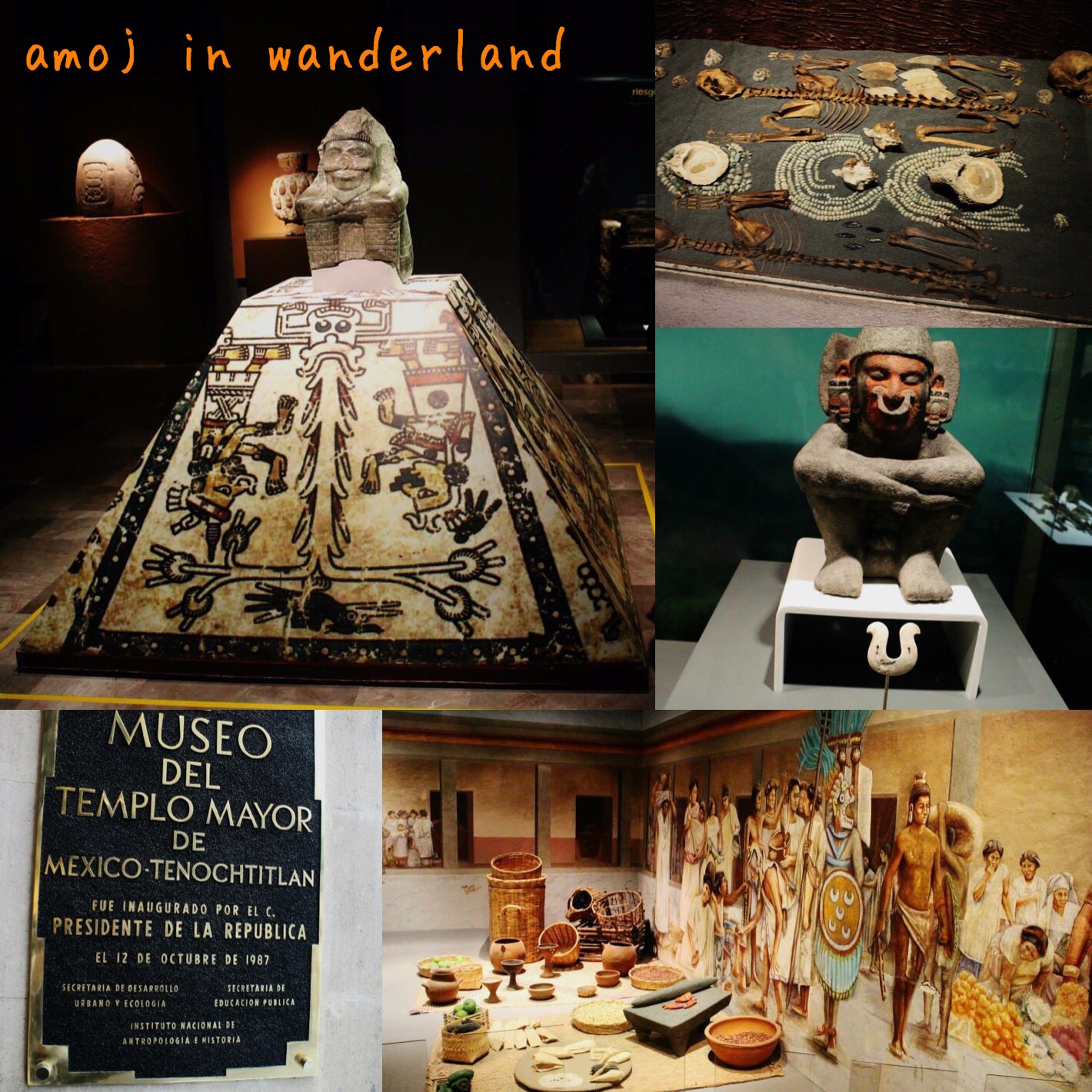
The discovery of the thousand of Aztec objects led to the building in 1987 of the Templo Mayor Museum designed by the Mexican architect Pedro Ramírez Vázquez. The 4-storey museum has 8 main exhibition halls with rooms dedicated to Tlaloc, Huitzilopochtli, his mother Coatlicue and sister Coyolxauhqui. There are also exhibits on the rituals and sacrifices done in Tenochtitlan, the economics of the Aztec empire, the flora and fauna of Mesoamerica, the agricultural technology at that time and the archaeological site’s history.
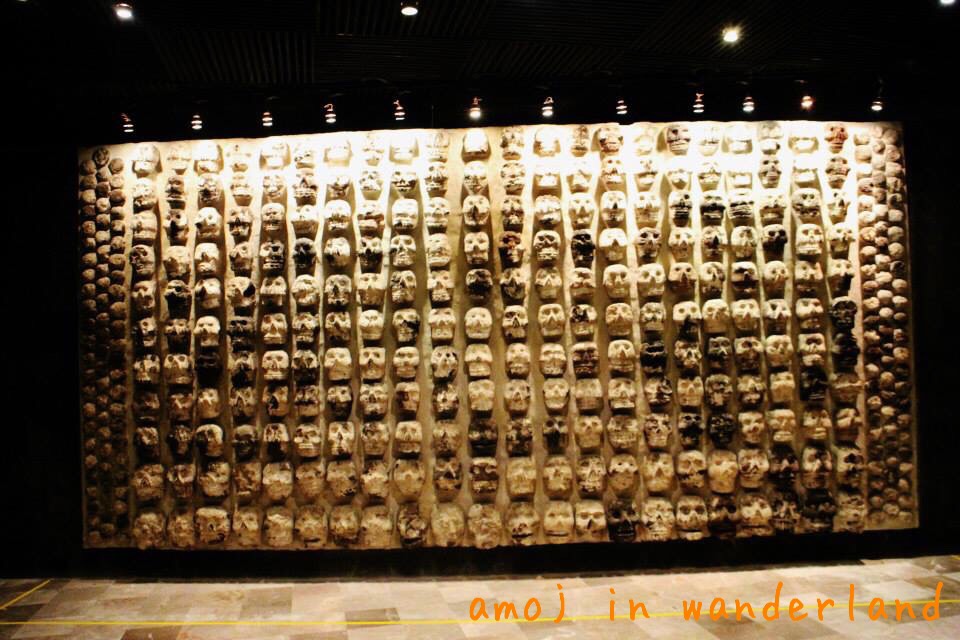
One of the interesting artefact at the museum is the rack called “tzompantli” with skulls also excavated at the Templo Mayor archaeological site. According to historians, these grisly racks filled with the severed heads of the sacrificed victims in various stages of decimposition were being displayed at the temple by the Aztecs as a show of their might.
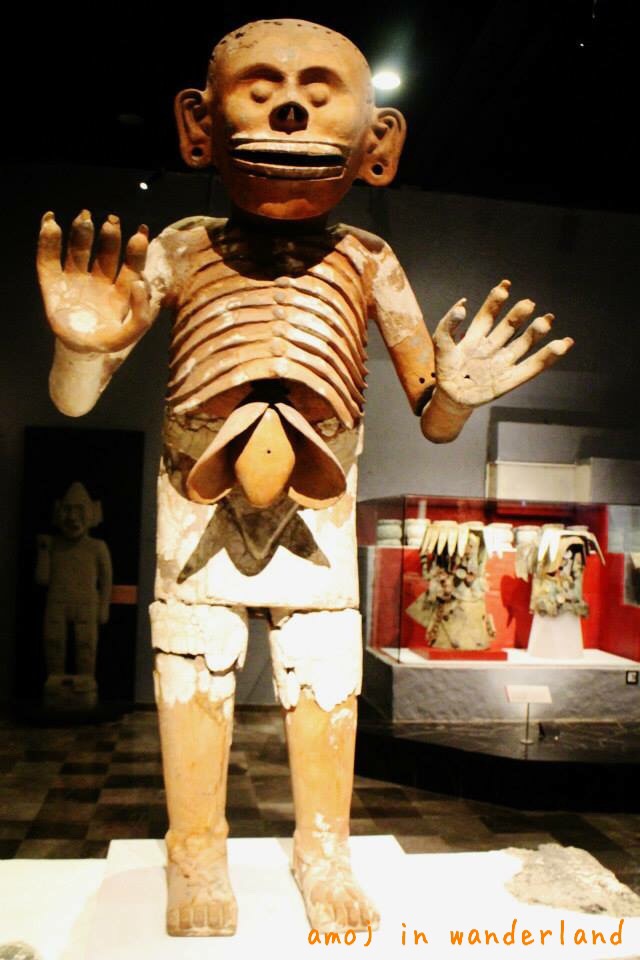
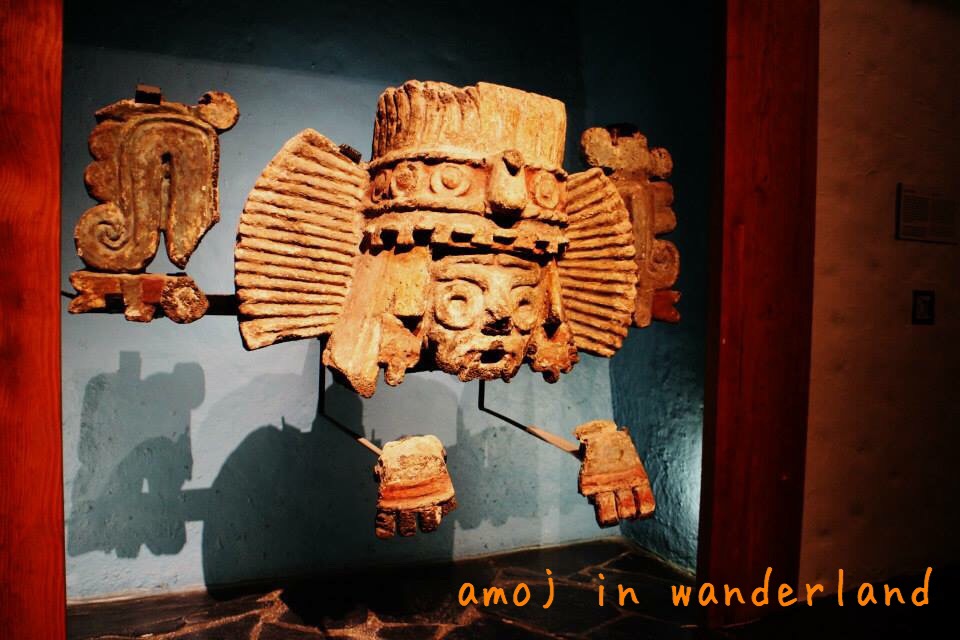
A ceramic representation of the god of the dead Mictlantecuhtli was recovered during the excavations of the House of Eagles in the Templo Mayor as a mark to its entrance and is also on display in the museum. Mictlantecuhtli was one of the principal gods in the Aztec mythology the king of the lowest and northernmost section of the underworld known as Mictlan. The worship to this god involved ritual cannibalism.
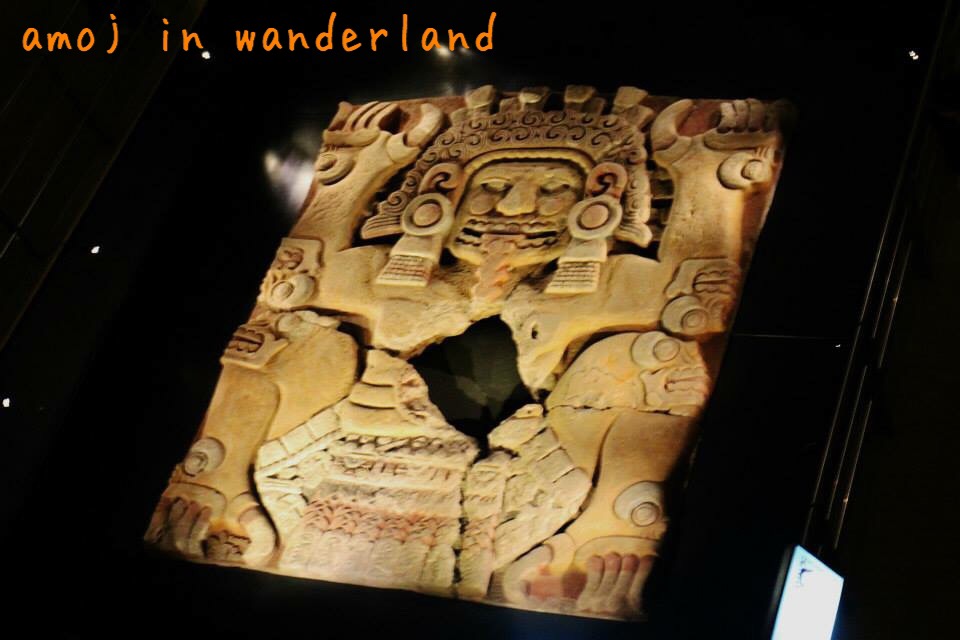
Most recent excavation unearthed the monolithic stone carved with the goddess of earth fertility Tlaltecuhtli in 2006. This proved that the ongoing archaological quest will still lead to more discoveries about the Templo Mayor. And as for me, I learned a lot about the Aztec mythology with my trip to the Templo Mayor archaeological site and museum.
 Amoj In Wanderland