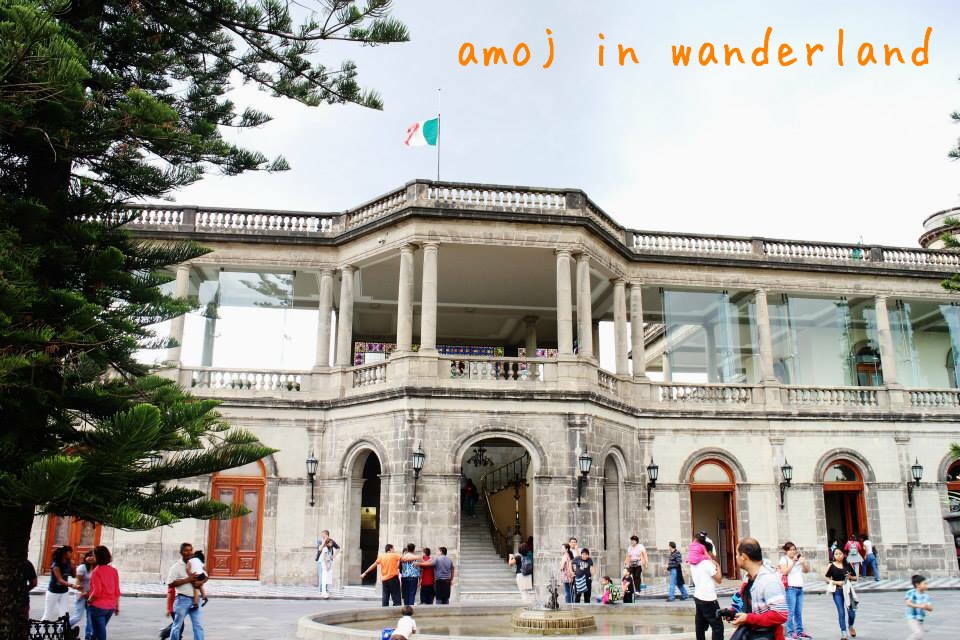
Chapultepec came from the Nahuatl word chapoltepēc which means “at the grasshopper’s hill”. The Aztecs considered the hill a sacred place but the rich historical value of the place is best exemplified by the Castillo de Chapultepec (Chapultepec Castle). The castle has been a witness of various important events throughout time as a Military Academy, Imperial and Presidential residence. It is actually the only castle in North America that has been used as the house of a royal family. The Mexican Emperor Maximilian I and his consort Empress Carlota resided in the castle during the Second Mexican Empire.
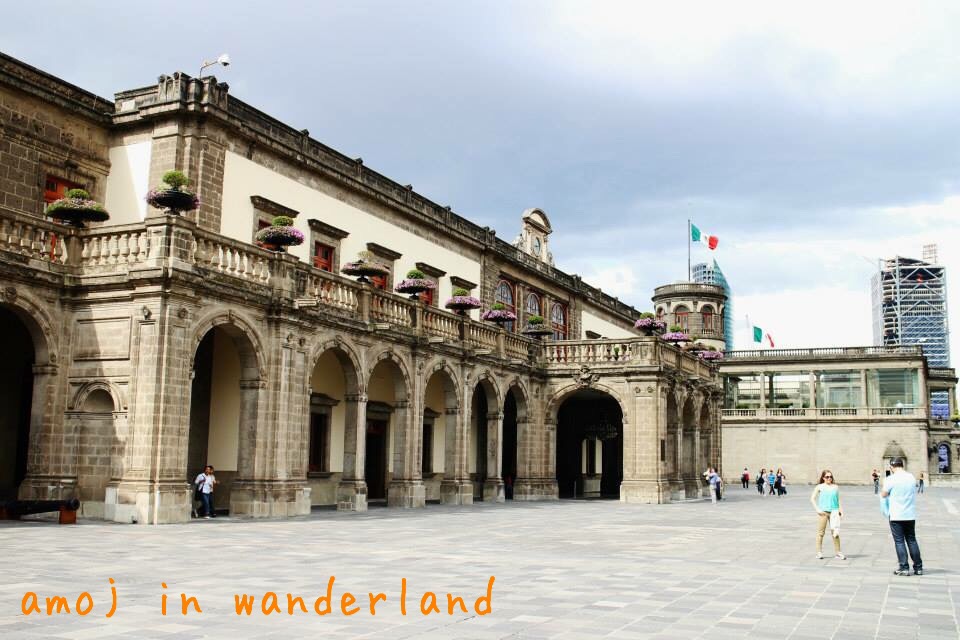
In 1878, the castle was used as an astronomical, meteorological and magnetic observatory. It underwent several reconstruction to become the residence of the head of state starting with then President Porfirio Diaz in 1882. In 1944, the National Museum of History (Museo Nacional de Historia) was established on the site as ordered by the President Lázaro Cárdenas.
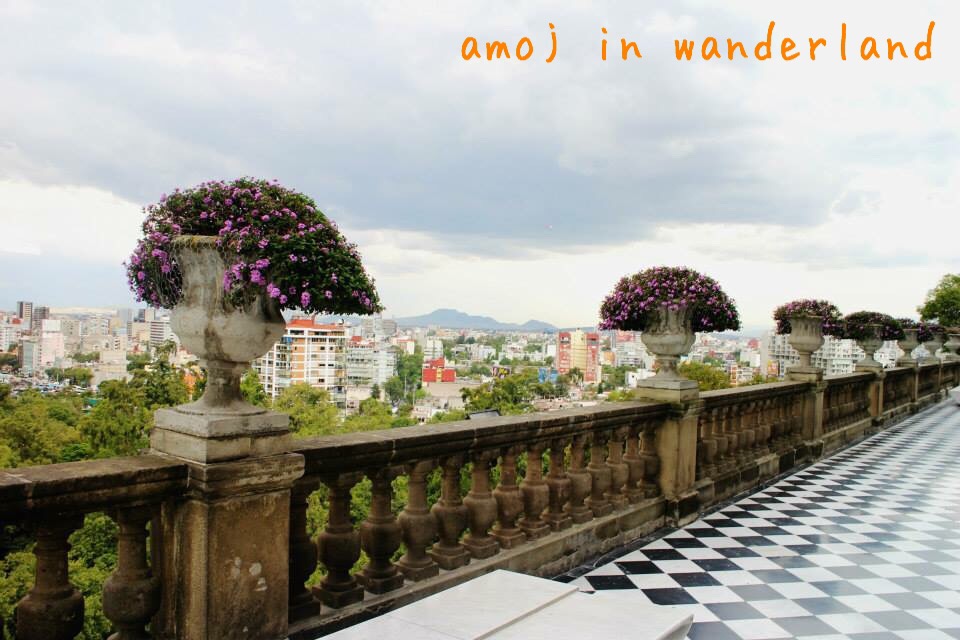
Unfortunately, we have a very short time to see the museum since we arrived there near its closing time. We went there in the afternoon of the third day of our conference. The entire park where the castle is located is called “Bosque de Chapultepec” (Chapultepec Forest). It is one of the largest city parks in the Western Hemisphere measuring about 686 hectares.
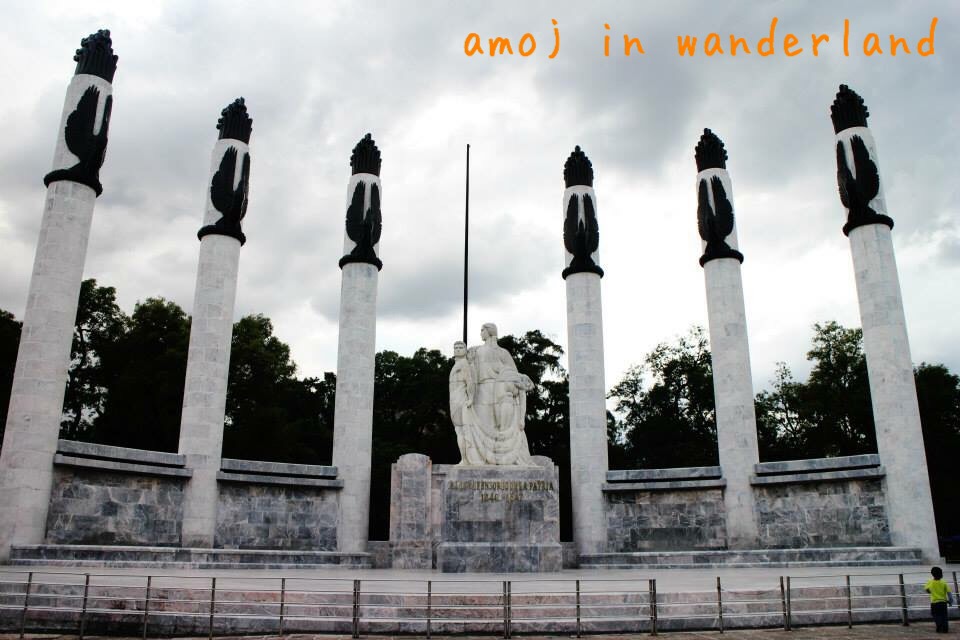
When we entered the park going to the castle, the first landmark that we saw is the monument of the Niños Héroes. This monument was built to immortalize the heroic acts done by six Mexican teenage military cadets at the castle to defend Mexico from the U.S. forces during the Battle of Chapultepec in September 13th, 1847.
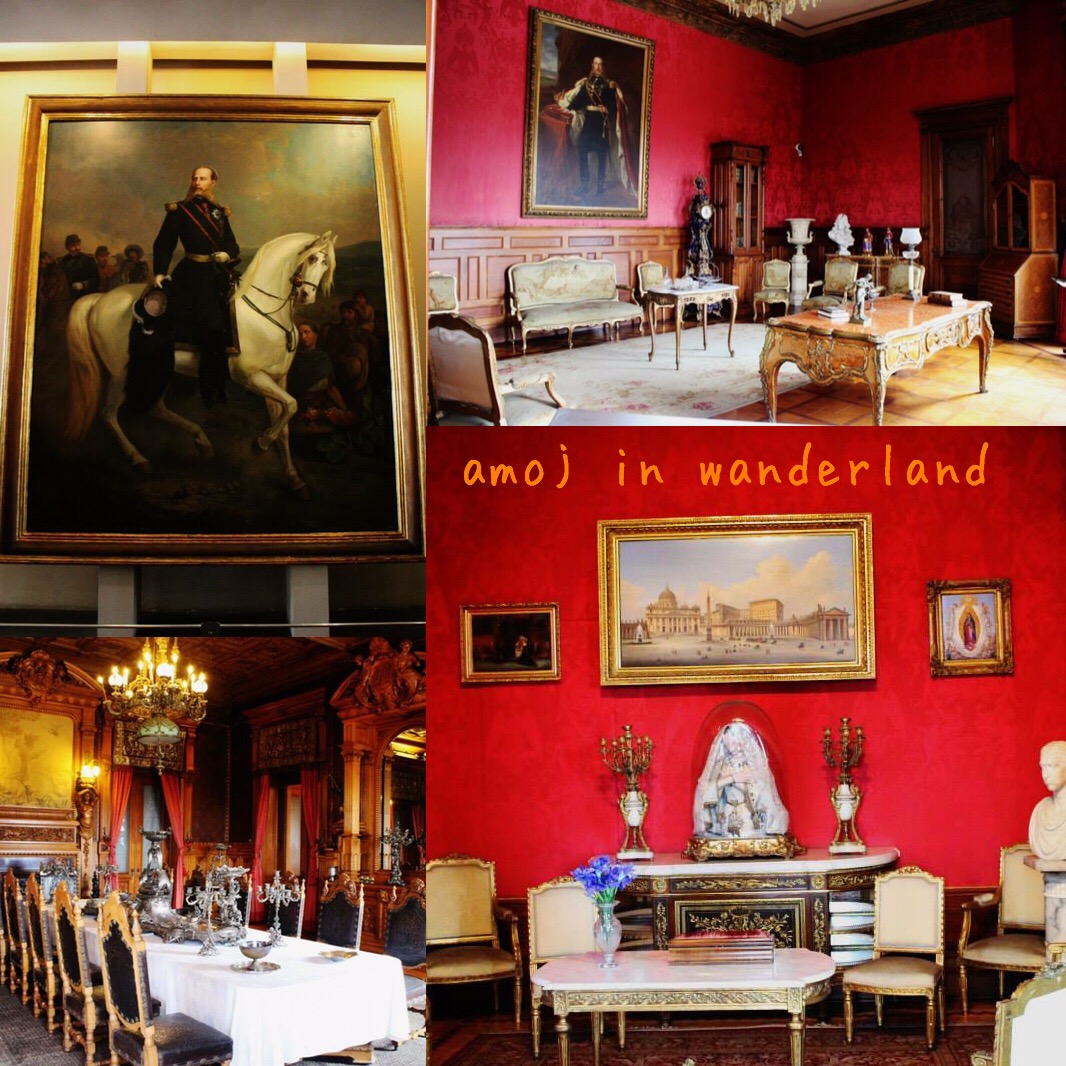
As the castle will be closed soon, we hurried up to the top of the hill. Being used as the Capulet Mansion for the 1996 film William Shakespeare’s Romeo + Juliet starring Leonardo DiCaprio and Claire Danes, the exteriors and interiors of the Chapultepec Castle is quite impressive. Although we just had a glimpse of what’s inside the castle, it was nevertheless a nice trip.
 Amoj In Wanderland