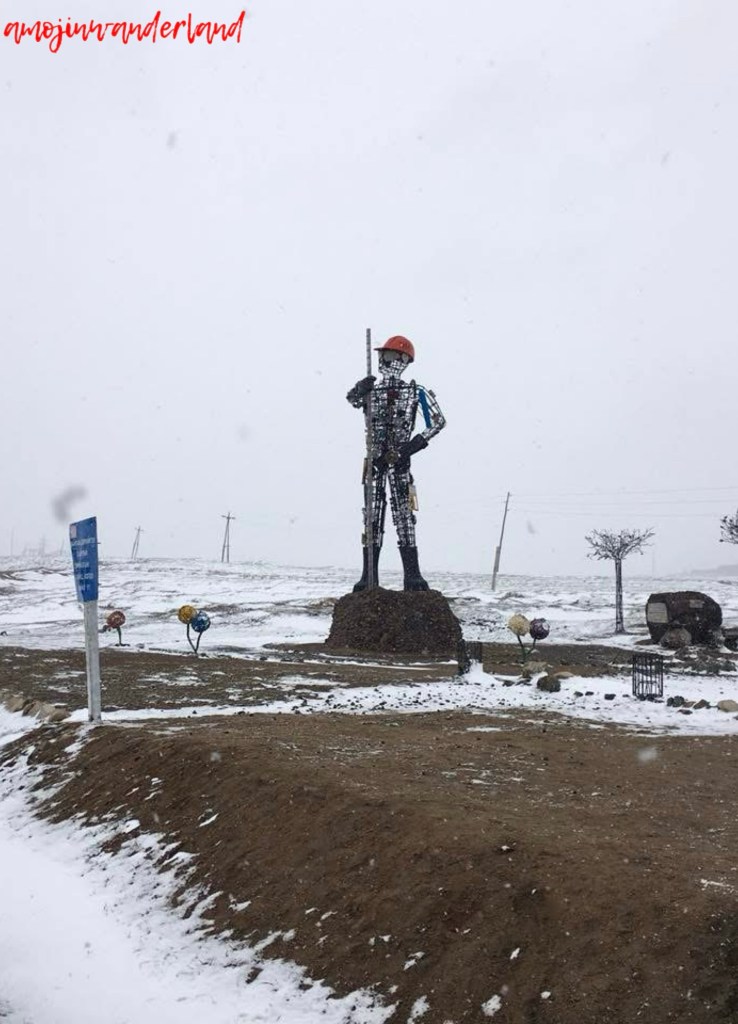
Darkhan feels less like a traditional Mongolian city and more like a fading Soviet echo transplanted onto the open steppe. It is the capital of Darkhan-Uul Province in northern Mongolia and the second-largest city in the country, yet it carries itself with a quiet heaviness shaped by concrete, factories, and the long shadow of socialist industrial ambition. On October 17, 1961, Darkhan was built with extensive economic assistance from the Comecon as a deliberate industrial project for Mongolia’s northern territory. True to its name, which means “blacksmith” or “forged,” the city was conceived as a manufacturing heart for the north. Polish specialists constructed a woodworking plant, brickworks, and a lime factory, while Hungarian engineers built the meat processing plant that opened in 1974. To this day, Darkhan remains largely industrial and is home to around eighty-two percent of the population of the entire province.
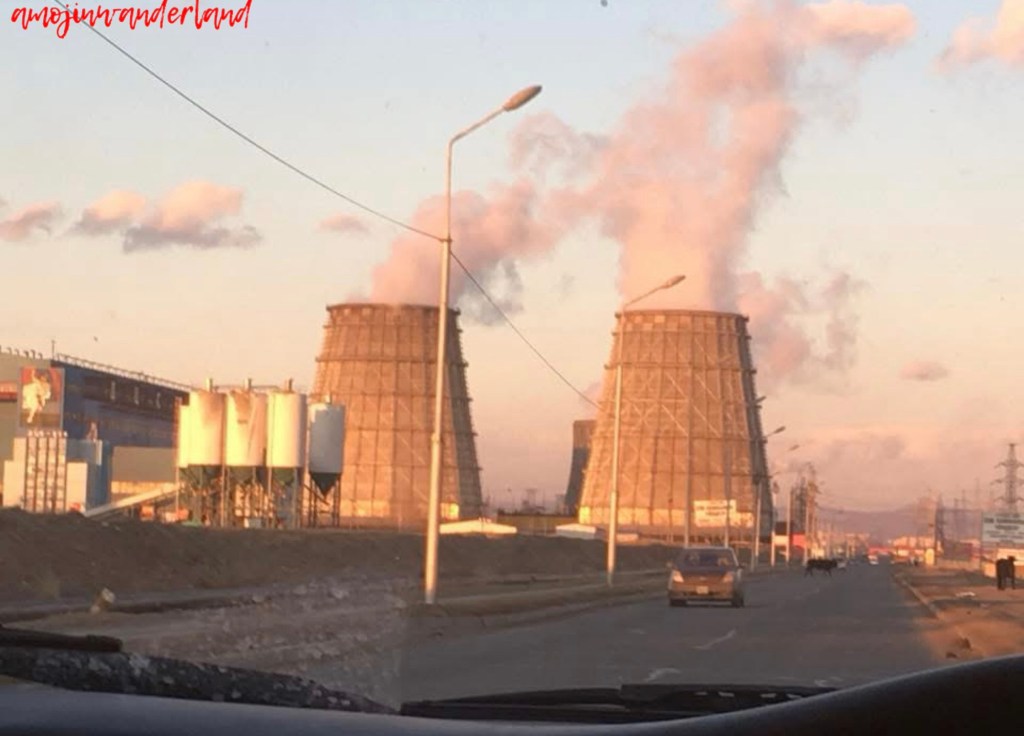
The atmosphere of Darkhan carries that same quiet decay familiar in many old Russian industrial towns. Time seems slower here, as if the city is suspended between what it once was and what it is trying to become. Unlike Ulaanbaatar, where temples, markets, and modern glass towers clash and coexist, Darkhan feels like a Soviet experiment carefully placed on Mongolian soil. The steppe surrounds it, but its soul feels borrowed and aging in a foreign accent. And yet, within this decaying Russian shell stands a towering Buddhist figure, and just beyond the city lies one of Mongolia’s most sacred monasteries. Steel and spirit exist side by side here in quiet contradiction.
The reason we stayed in Darkhan for a night was because Amarbayasgalant Monastery, one of Mongolia’s most important and majestic Buddhist monasteries, is much closer to Darkhan at only about sixty kilometers away. From Ulaanbaatar, the monastery lies roughly 350 to 360 kilometers to the north, requiring a long and exhausting six to seven-hour drive.
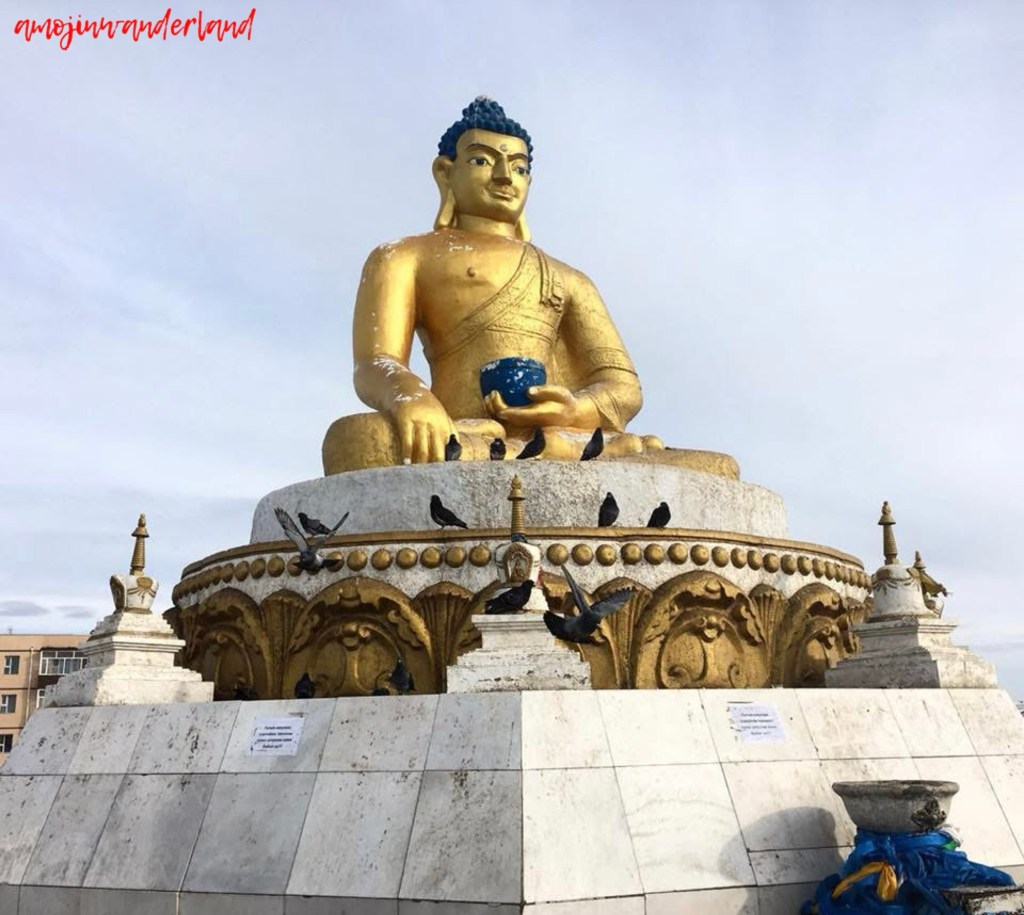
While in Darkhan, we also visited the Buddha’s Statue of Northern Mongolia, one of the city’s most prominent spiritual landmarks.
 Amoj In Wanderland