“It’s tough to find a place not to like in Switzerland.”
– Michelle Bachman
Bern is actually not on my itinerary when I visited Switzerland. My plan was to visit Geneva and Zurich as a side trip to my stay in Basel. Although Bern is the capital of Switzerland, I opt to go to Geneva because of WHO and UN, and Zurich as it was the country’s largest city. But when my Swiss friend told me that he’s now living in Bern and I can meet him there, I needed to scrap my Zurich trip and go to Bern instead.
It was a nice, sunny day when I arrived at 9 AM at the Bern station. I have an appointment with my friend at 12 noon, so I still have time to walk around the city. I started walking without any destination in mind, this was one of those unplanned trips that I seldom do. All I know is that I should see the old city of Bern.
Altstadt (Old City of Bern)
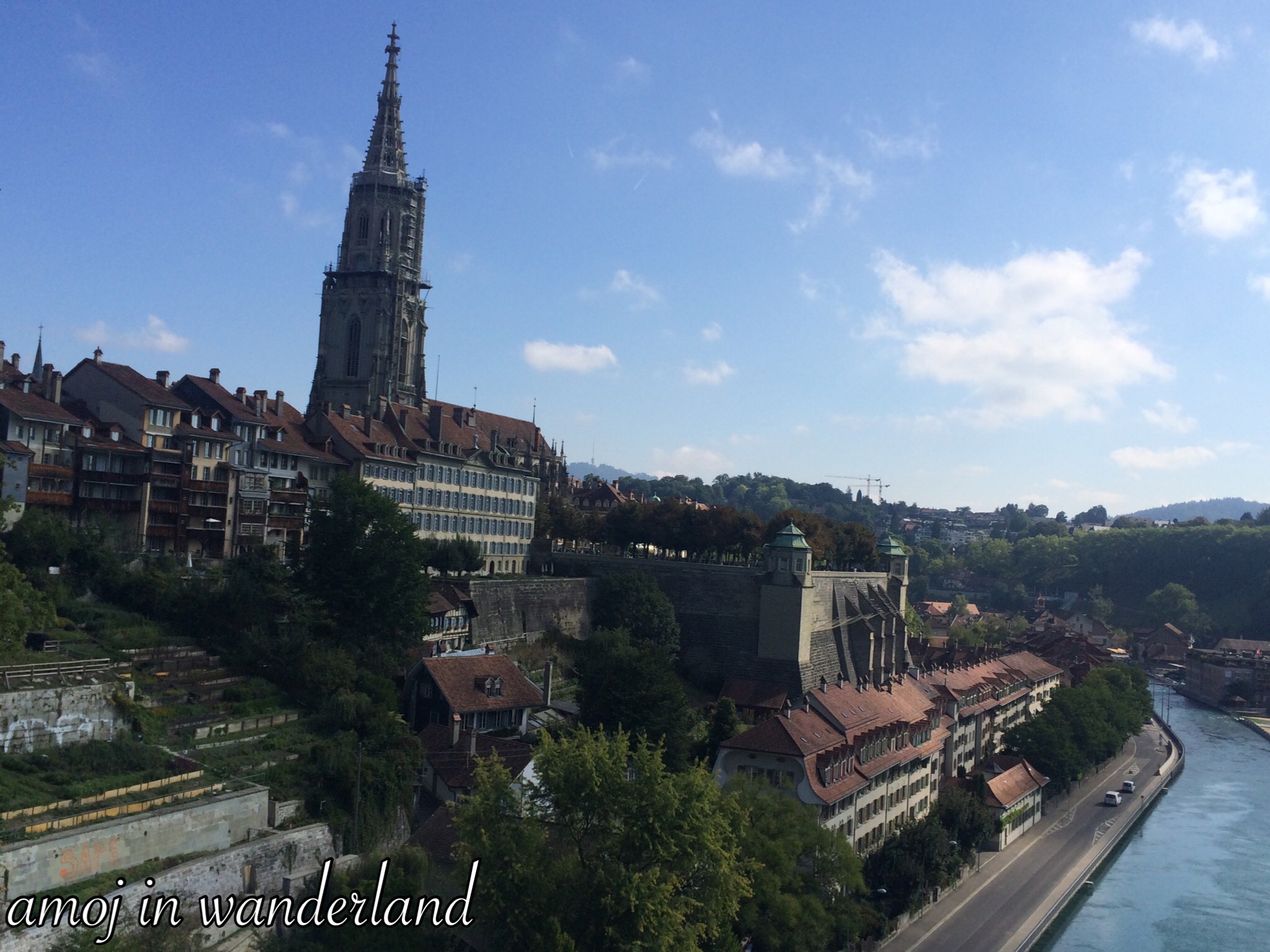
Like the cities of Frankfurt and Basel I have visited during this trip, Bern is also famous for its quaint old town which was designated as a UNESCO World Heritage Site since 1983. Bern used to be a medieval city center built on a narrow hill surrounded by the river Aare whose compact layout has remained unchanged since its construction during the 12th to the 15th century.
Zytglogge
After walking a bit from the station, I arrived at a clock tower called Zytglogge (Swiss German for time bell). It was built in the 13th century and is one of Bern’s most famous landmarks as a part of Bern’s Old Town.
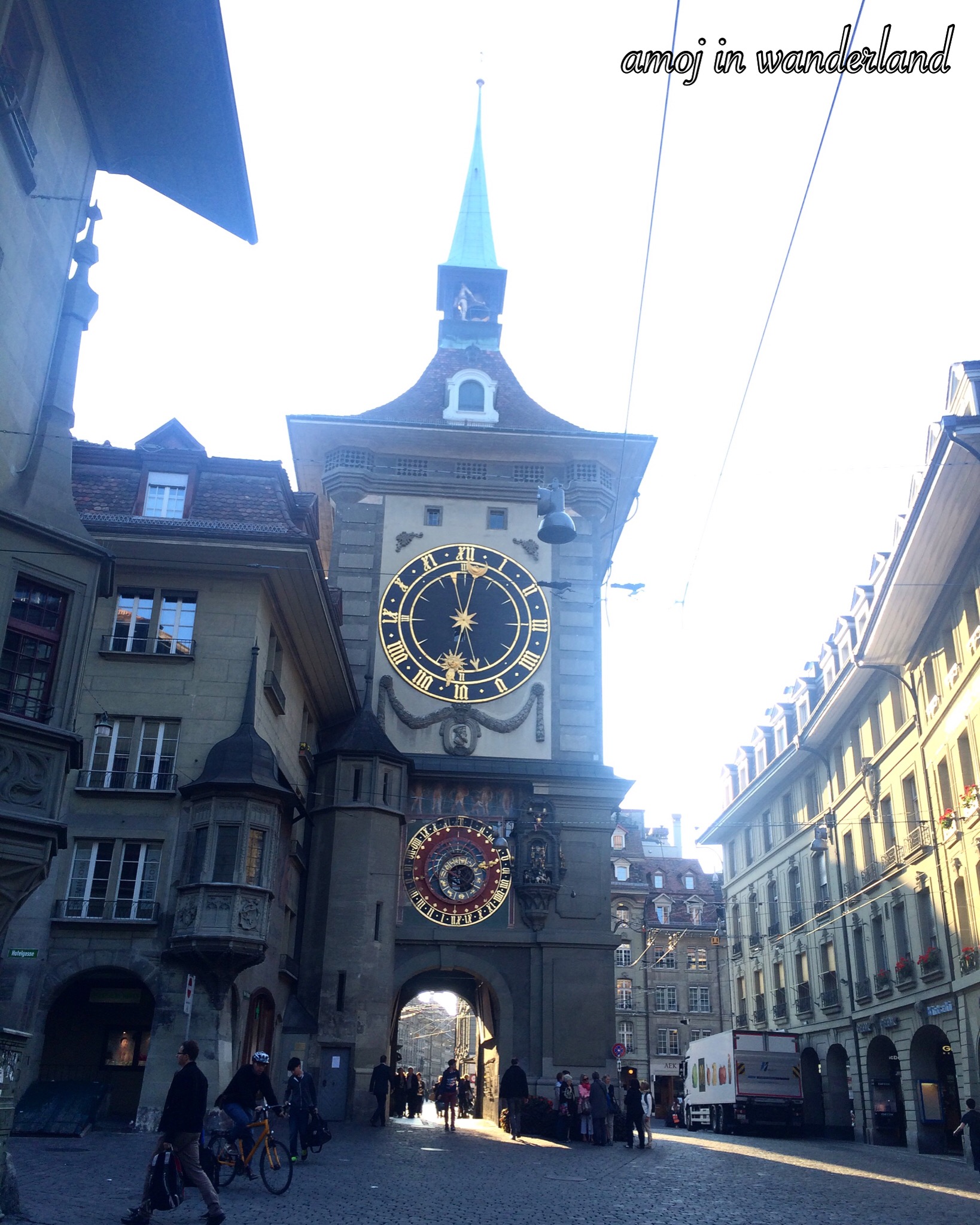
Aside from being a clock tower, the Zytglogge also served as guard tower and women’s prison. Women who were convicted with sexual relationships with the clerics termed as “priests’ whores” or Pfaffendirnen were imprisoned at the tower.
BärenPark
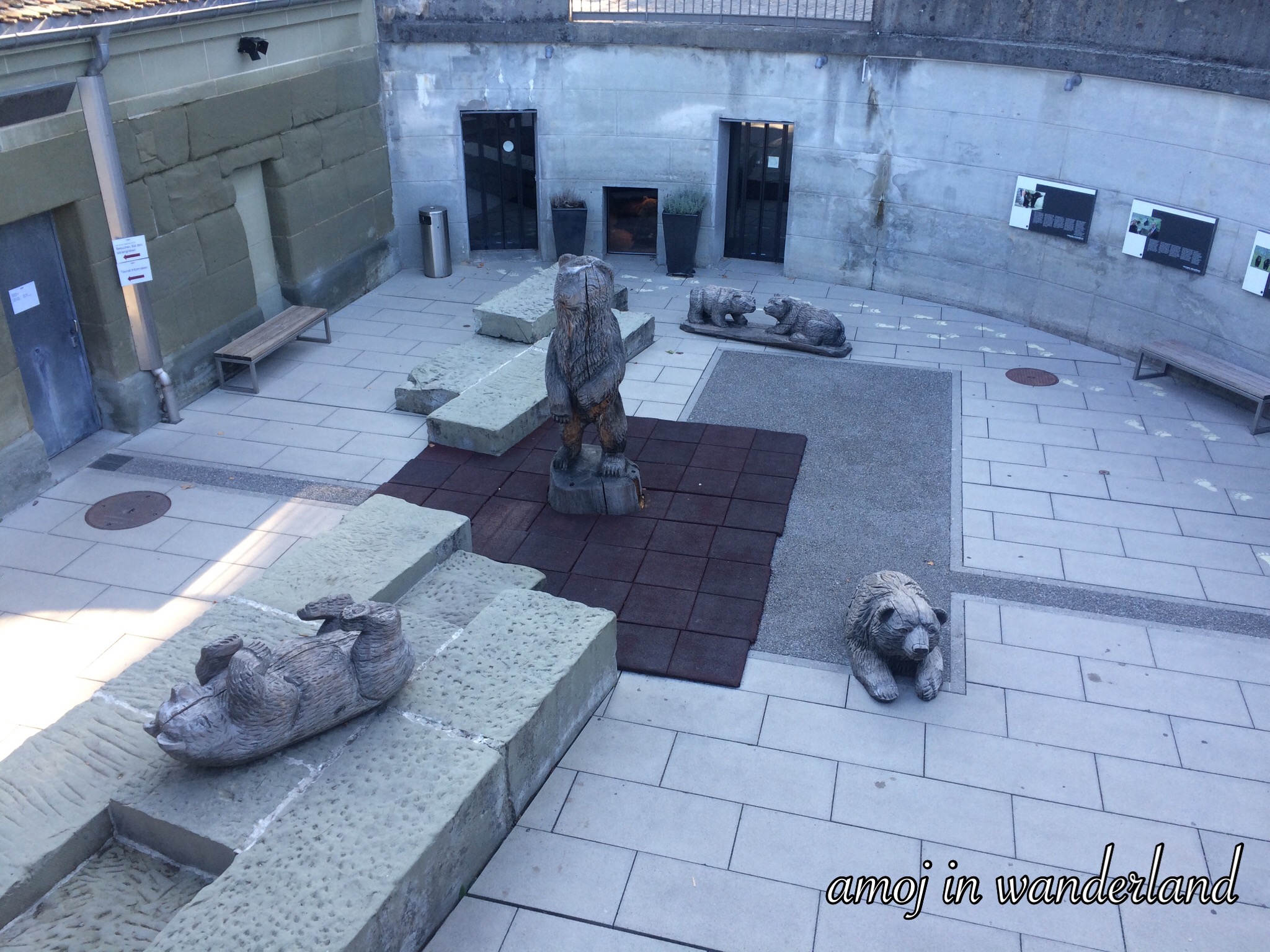
Bear is the heraldic animal of the City of Bern. Legend has it that Bern got its name from this animal. Bear is even in the coat of arms of the city. The Bear Park (BärenPark) was built in 2009 as a supplement to the Bear Pit (Bärengraben) where live bears can freely roam. Unfortunately, the park was under reconstruction when I went there, so there were no live bears in the park.
Christkatholische Kirche St. Peter und Paul
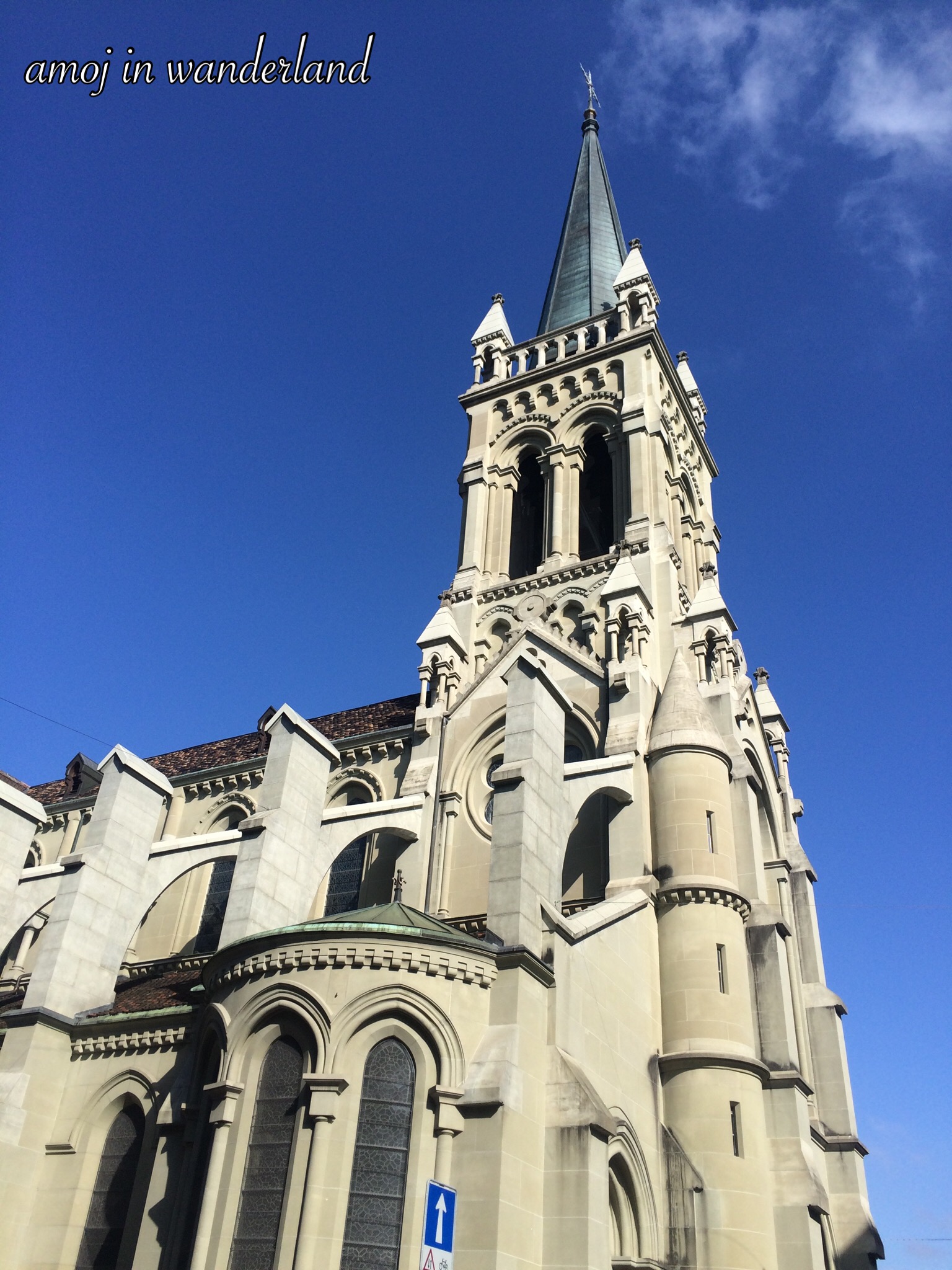
Located on the other side of the main street of Altstadt, I reached the Church of St. Peter and Paul. It is the first Catholic church built in Bern since the Protestant Reformation. When the city of Bern adopted the new Protestant religion in the early 16th century, all the churches were converted and no church was left for the remaining Catholics in the city. The construction of the church begun in 1858 and was completed in 1864. The small cathedral is comparatively modern, built in Romanesque amd Gothic style.
Berner Münster
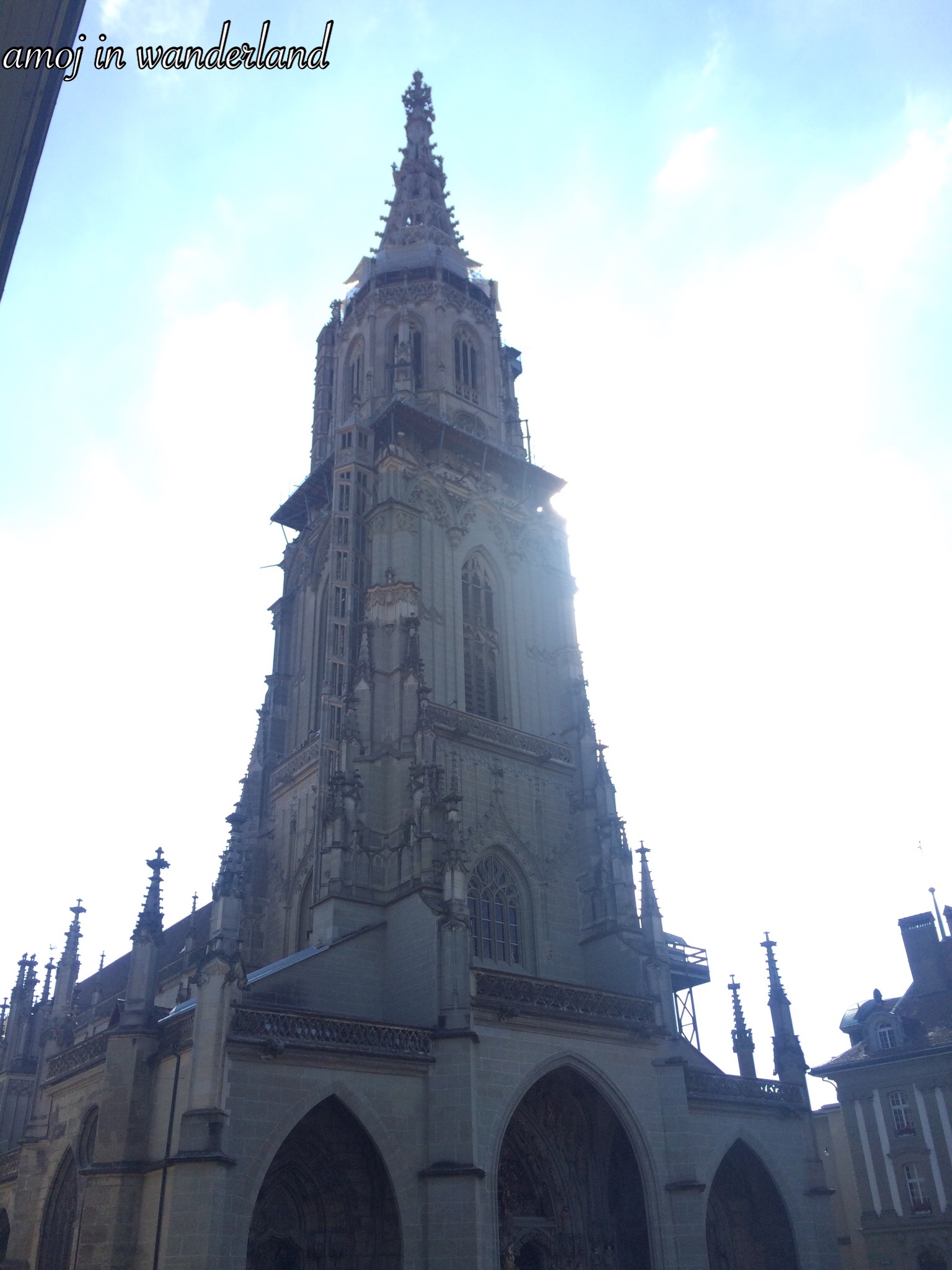
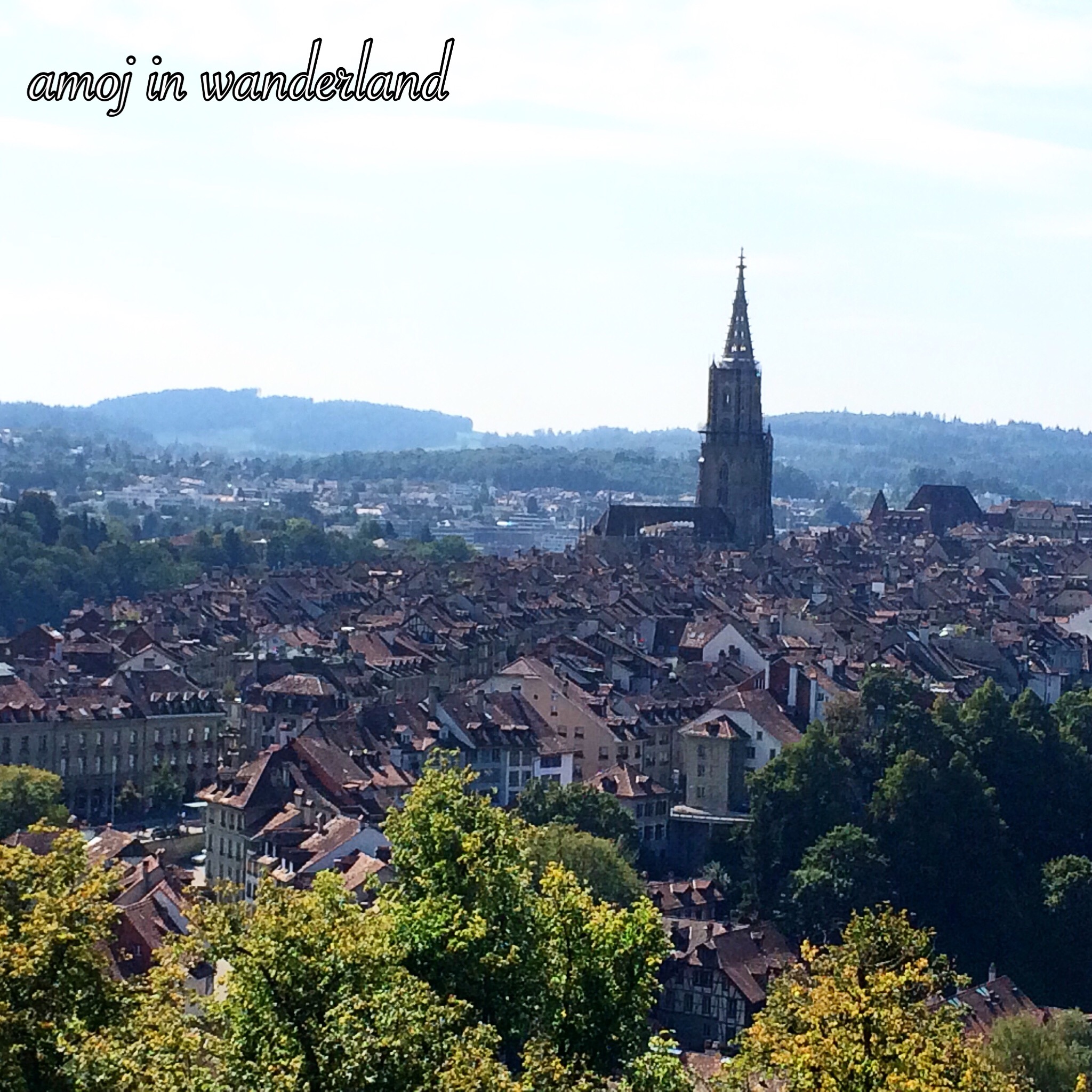
Over 100 meters high, the Cathedral of Bern is considered one of the most important landmarks in the Swiss capital. The Gothic sandstone building sits is a key feature of Bern’s distinctive skyline in the Old City. The construction of the cathedral started in 1421 and took 150 years for its completion. It was formerly under Roman Catholic Church but was converted into Swiss Reformed Church of Protestants in 1528.
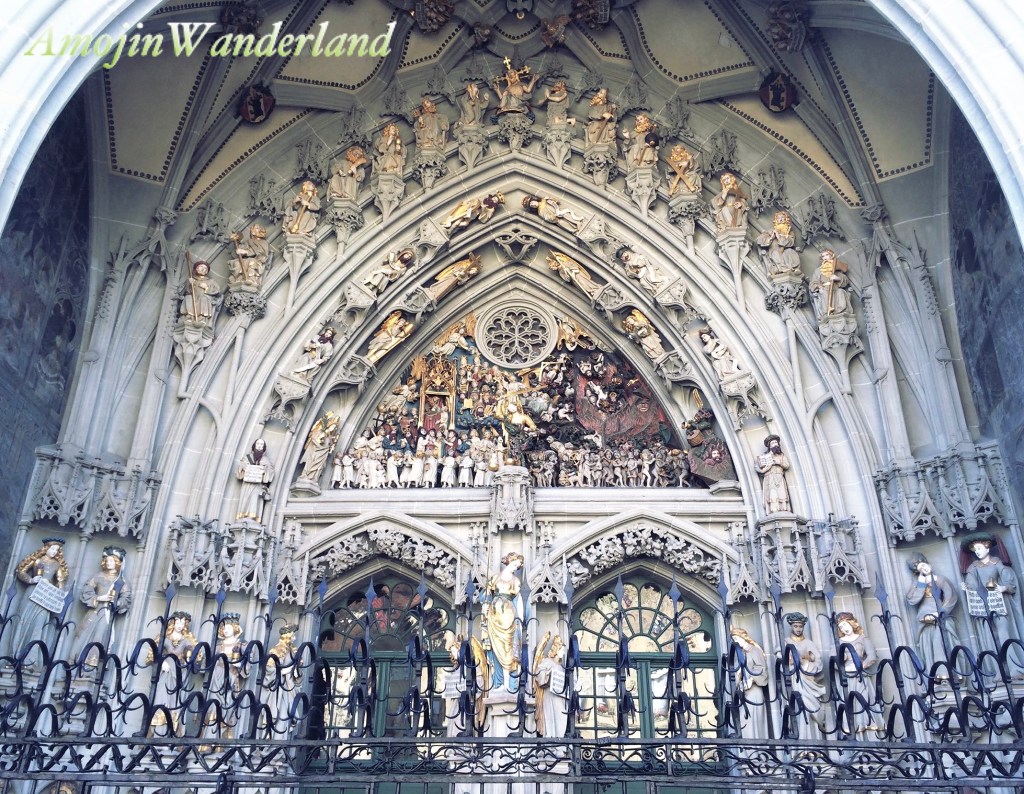
The most famous feature of the Bern Minster is the outstanding main portal with the Last Judgement. The sandstone masterpiece was made by a sculptor from Westphalia, Germany named Erhart Küng.
Bernisches Historisches Museum
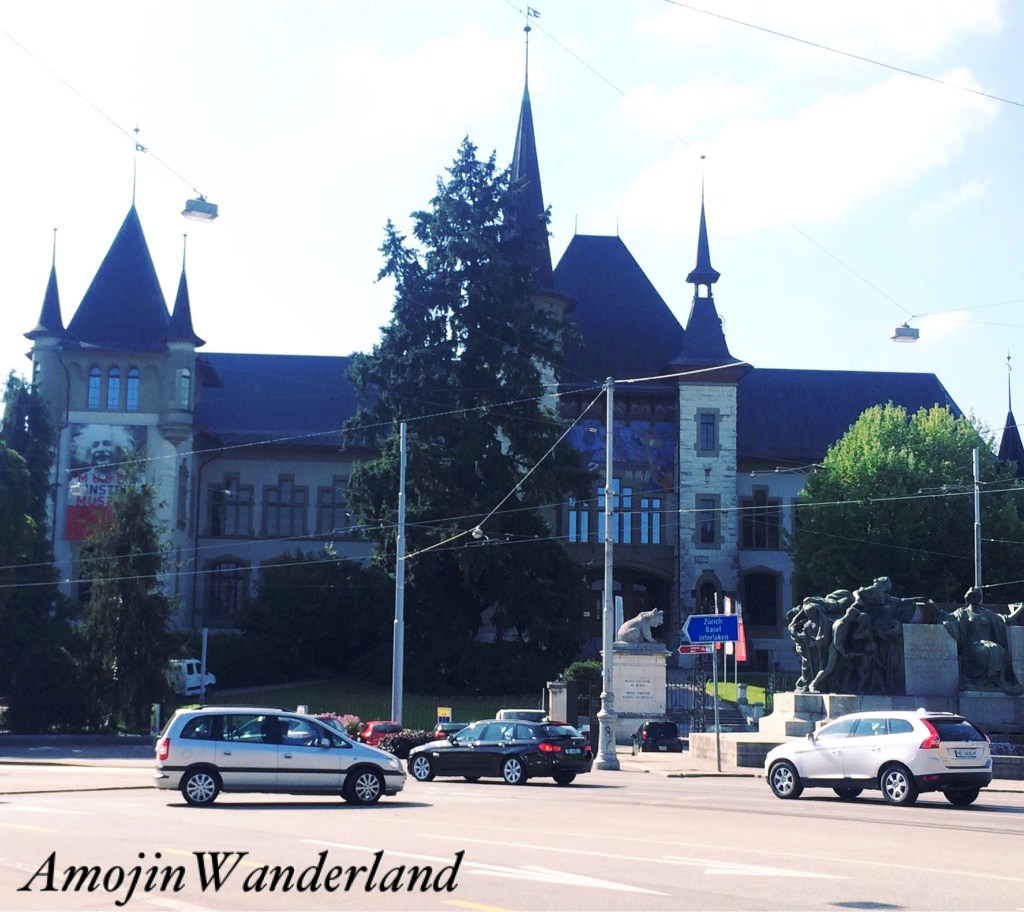
The Bern Historical Museum is the second largest museum in Switzerland and is one of the country’s heritage site of national significance. Since I still had a lot of time, I decided to visit the museum and gain a little knowledge about Bern. The museum contains collections related to the history of Bern from prehistoric times to the present and other artefacts on permanent display from Asia, Oceania, America and Egypt. It even has Einstein Museum inside since the theory of relativity was postulated while Albert Einstein was staying in Bern.
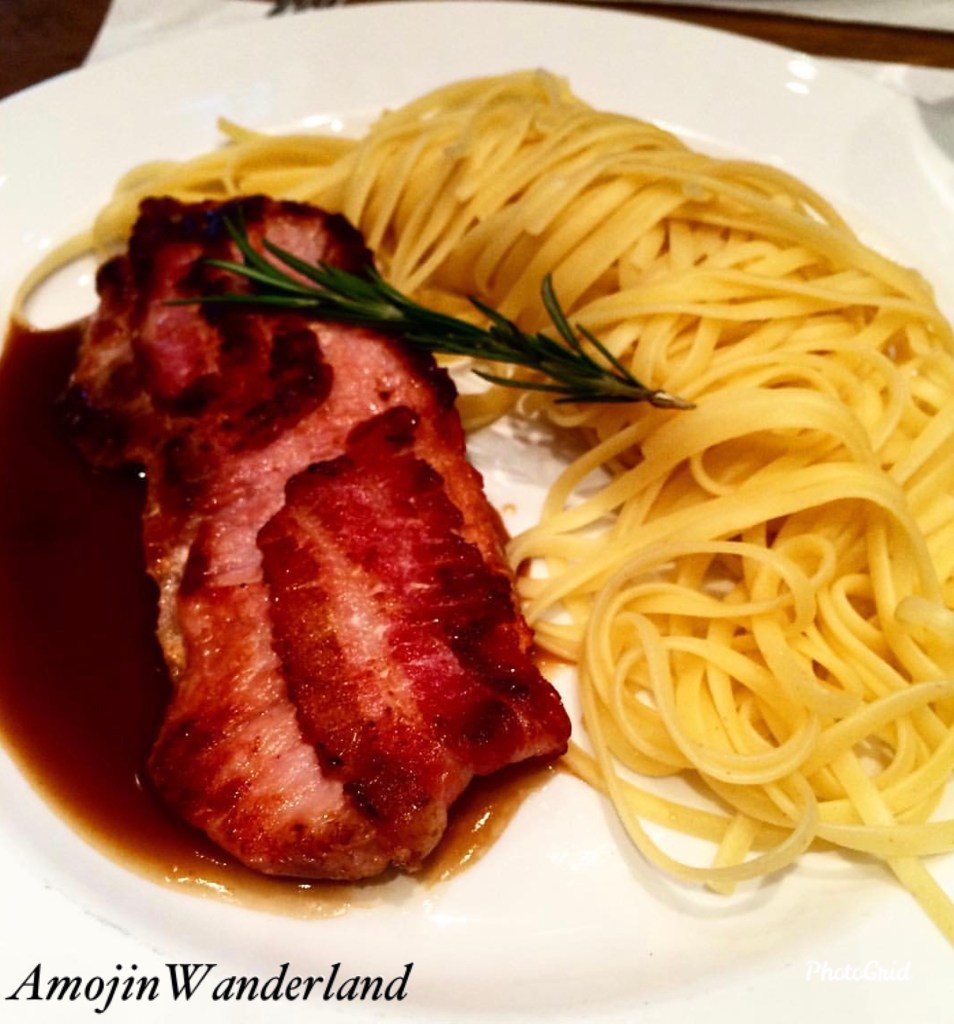
Lunchtime came and I needed to hurry up to meet my Swiss friend. We had lunch at a restaurant called Bärenhöfli where I ordered Schweins jägersteak mit madeirasauce or pork hunter’s steak in madeira sauce.
University of Bern
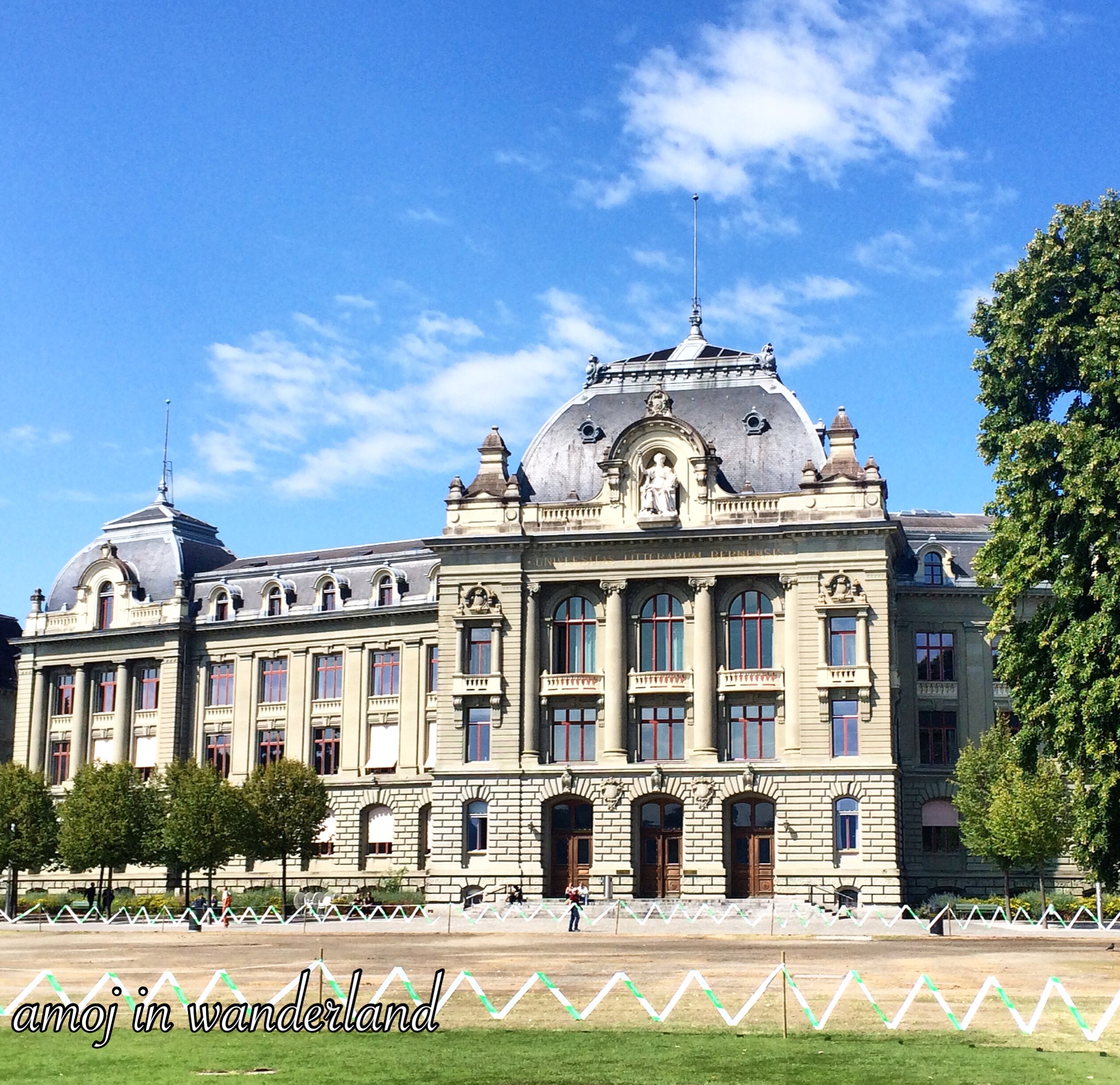
While walking, I had a glimpse of the University of Bern, the third biggest university in Switzerland. This is the university where the great Einstein was invited to teach theoretical physics and where he developed the “Theory of Relativity”.
Rosengarten
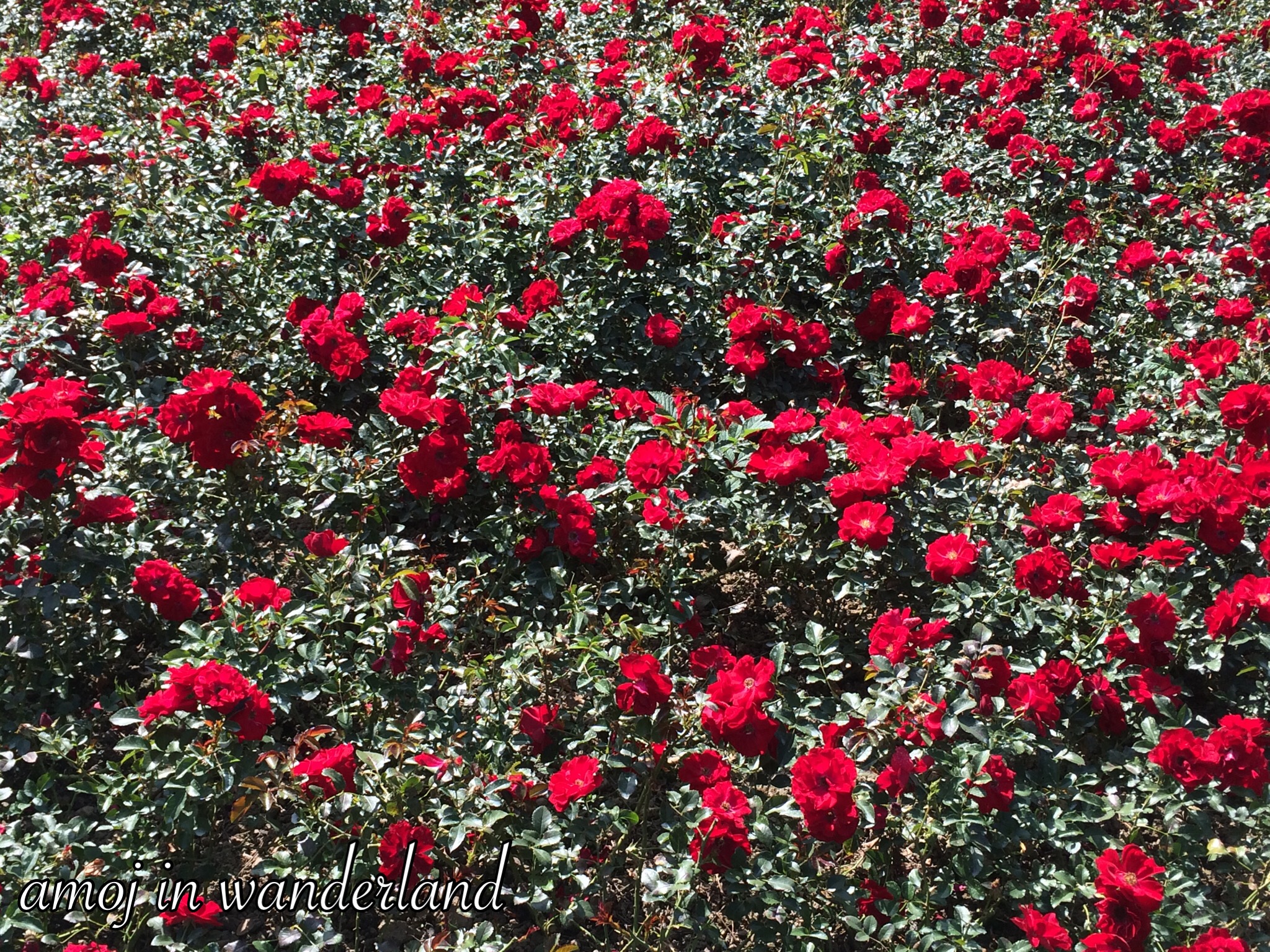
Earlier that day, I received a message from my Japanese friend and she saw that I was in Bern. She recommended me to go to the Rosengarten. I decided to go there after taking a lunch with my Swiss friend. It was a large park with a large variety of roses and other flowers. It was originally a cemetery from 1765 to 1877 and was converted into a public park in 1913. What is wonderful about the Rose Garden is that it offers an unrivaled rooftop view of the rows of houses in the Old Town of Bern. I was so glad my friend has advised me to go there.
Bundeshaus

I continued walking and I found the Federal Palace of Switzerland (Bundeshaus). Otherwise known as the Parliament Building, it is the seat of the Swiss government (Federal Council) and the parliament (National Council and Council of States). This outstanding symbol of politics in Switzerland was built by Hans Wilhelm Auer and inaugurated in 1902. The central assembly building is dominated by a domed hall in the layout of a Swiss cross,
Aare River
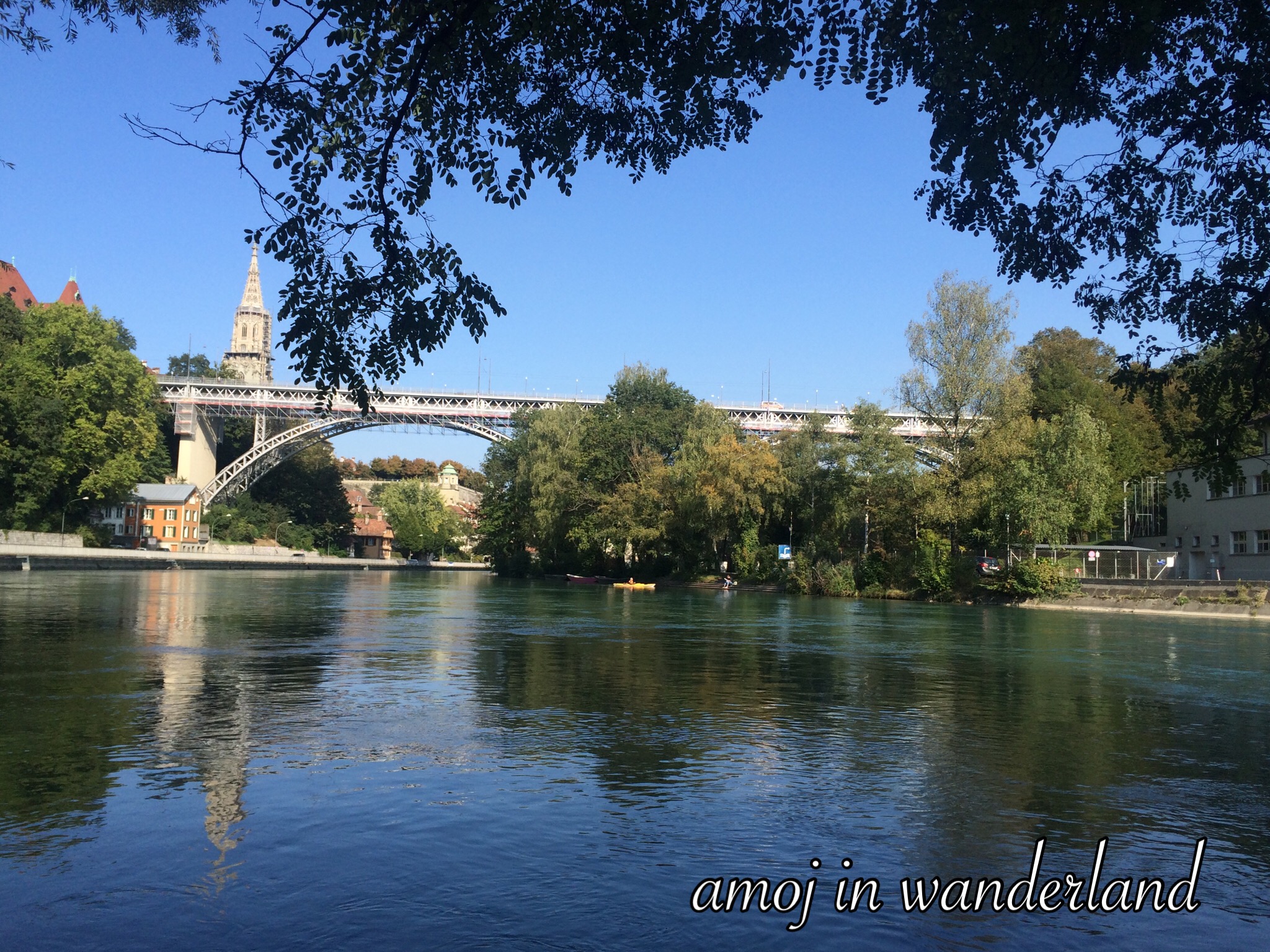
What a great way to end my 1-day walking tour around Bern but to sit in the riverbanks along the Aare River. Extending at about 288 kilometers, the Aare River is the longest river flowing entirely within Switzerland and surrounding the three sides of the Old City of Bern. While taking a rest, I noticed some people fishing in the river. I was enjoying the scenic view until it was time for me to go back to Basel. Bern, baby, Bern!
 Amoj In Wanderland