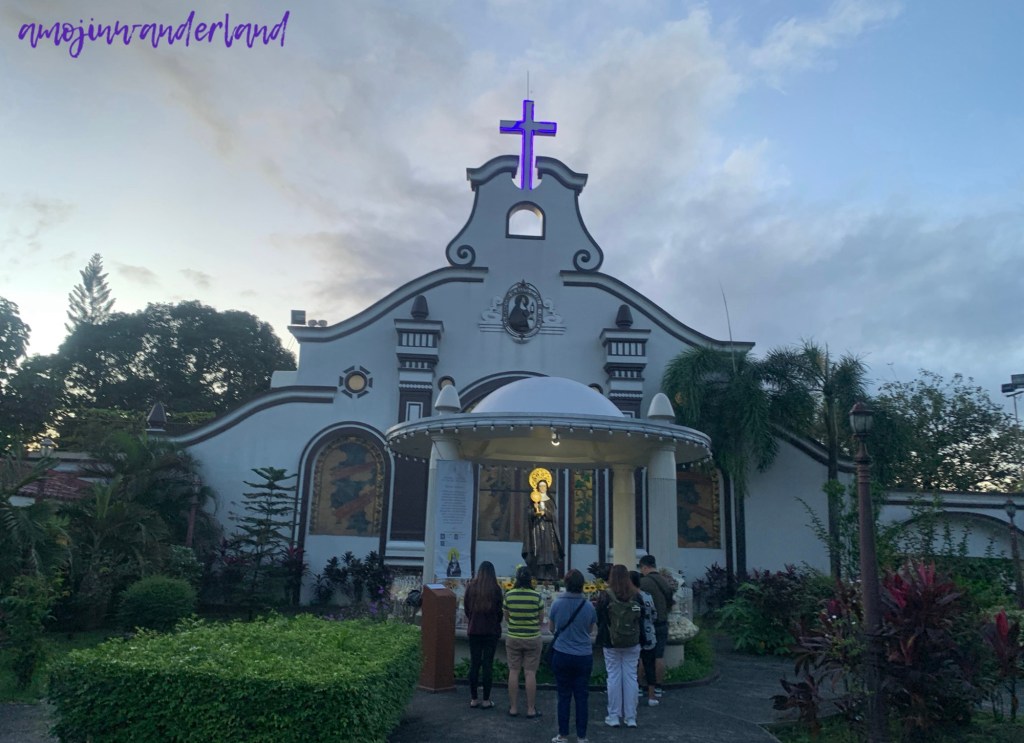
Early this morning, I visited the Monasterio de Santa Clara in Quezon City to offer eggs to Saint Clare. The air was cool, and the surroundings were quiet. Outside the gates, vendors were already setting up their stalls, selling eggs wrapped in colorful bits of cellophane. Each color stood for a different intention; good health, success, thanksgiving, or peace of mind. I bought a few and went inside to pray.
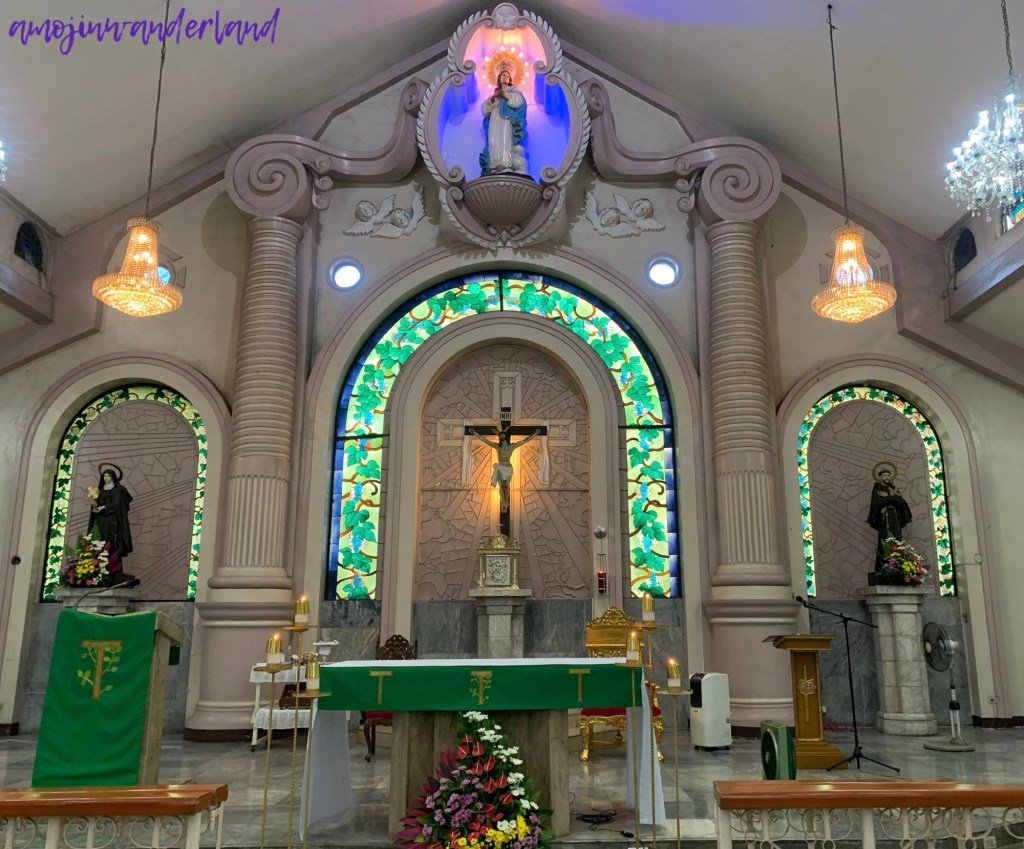
The tradition of offering eggs to Sta. Clara began many years ago when people brought eggs to ask for good weather. In Spanish, “La Clara” means egg whites, and “claridad” means clear skies or good weather. Over time, the practice expanded, and now people come to offer eggs for all kinds of petitions.
As I entered the chapel, I remembered coming here years ago before taking my board exams. I was nervous then and prayed for calmness and a clear mind. The place felt familiar, the quiet courtyard, the glow of candles, and the faint chanting of the Poor Clare nuns behind the iron grills. It was reassuring to see that this sanctuary remained peaceful despite the changes around it.
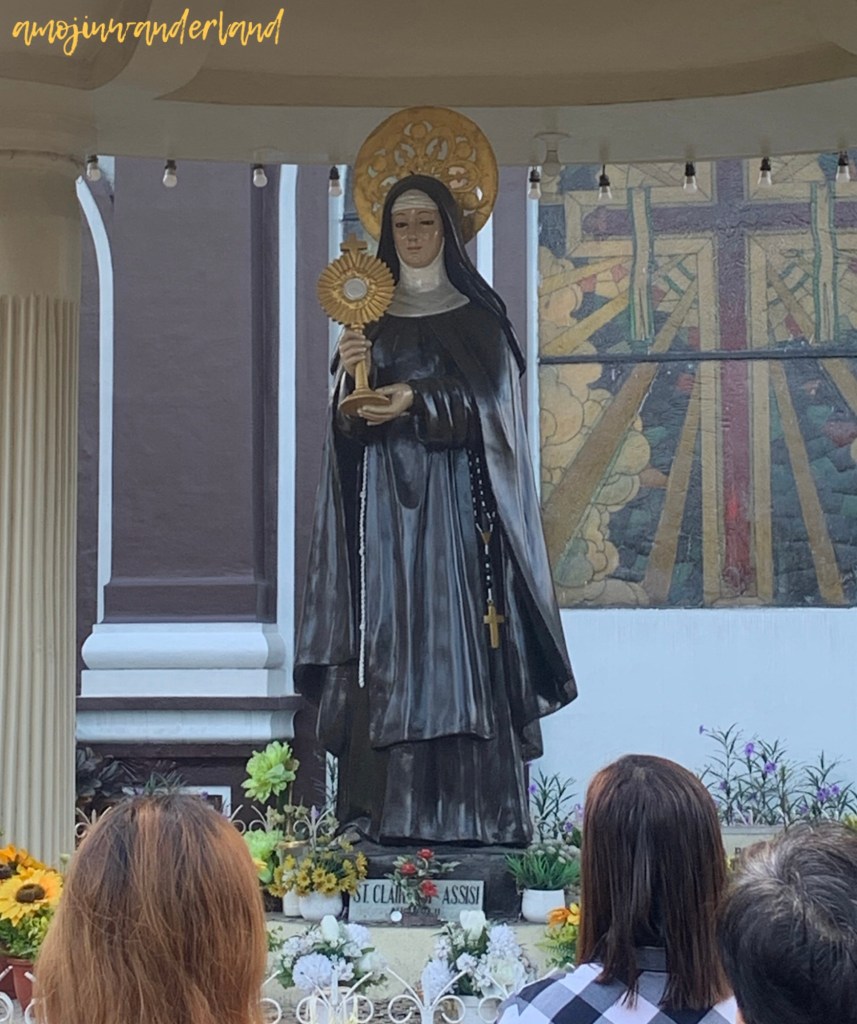
The Monasterio de Sta. Clara has a long and meaningful history. Founded in 1621, it was the first contemplative community of nuns in Asia and was later vested with Royal Patronage, earning the title “Real Monasterio de Sta. Clara.” Through the centuries, the monastery endured challenges that tested its resilience. In 1762, during the British Occupation, the nuns were forced to leave their convent. They had to abandon it again during World War II, when the austere walls of the Royal Monastery were destroyed by heavy bombing. After the war, in 1945, the sisters moved to a provisional monastery at the Franciscan Seraphic College in San Francisco del Monte, Quezon City. Later, in 1950, they relocated to their newly built monastery along Aurora Boulevard. Yet history continued to move them, when the C5 extension project began in 1995, the community transferred once more to its present site along Katipunan Avenue.
 Amoj In Wanderland