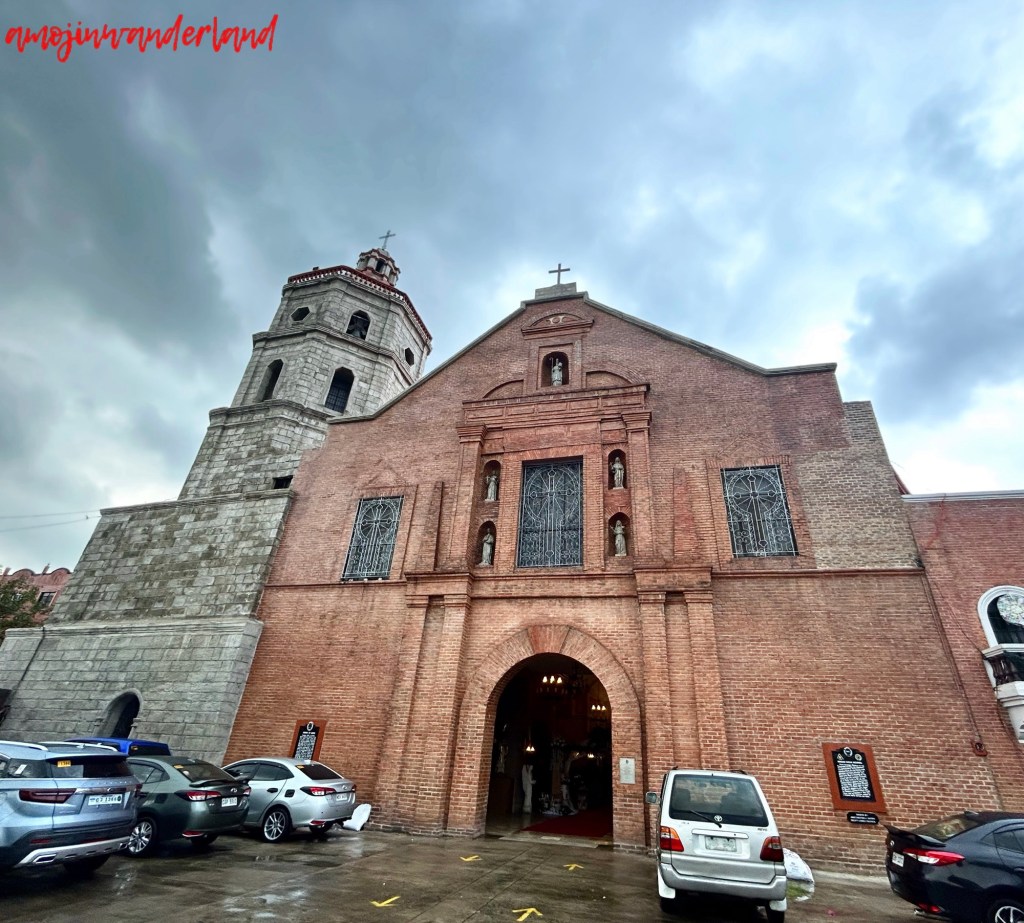
We toured the Church of Lubao, formally known as the San Agustin Parish Church. Initially constructed by the Augustinians in 1572 at Barrio Santa Catalina, the church was later moved to its present site in Brgy. San Nicolas due to persistent flooding issues, approximately 30 years after its original construction.
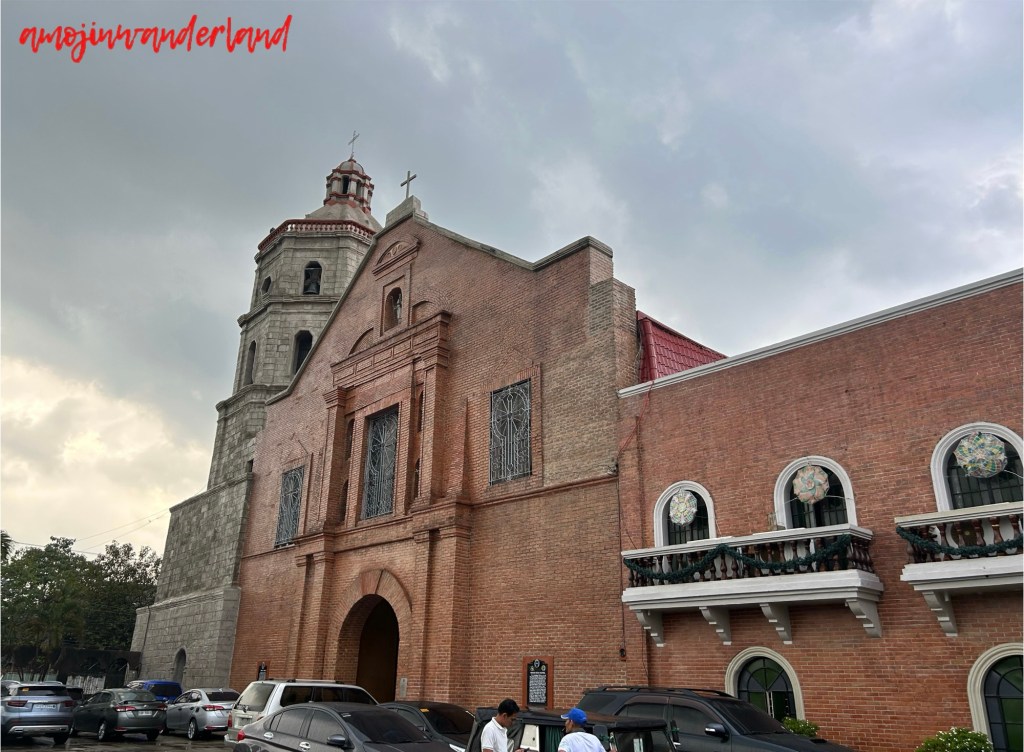
Construction on the new church commenced in 1614 and concluded in 1630. Designed by Fr. Antonio Herrera, an Augustinian architect, the Neoclassical edifice was crafted from stone and bricks bound with a mortar enriched with egg whites and shells contributed by the residents of Lubao. This method of bricklaying was widespread across the Philippines, particularly in Pampanga.
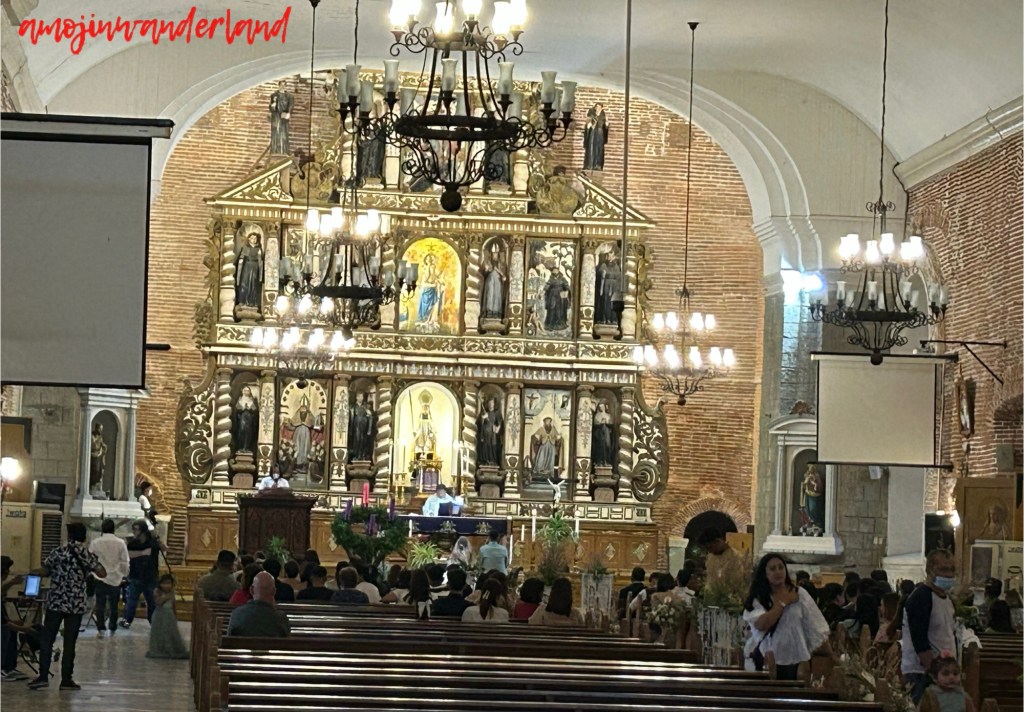
The Church of Lubao played a pivotal role in Pampanga’s history. In 1898, it was occupied by Filipino rebels during the Philippine revolution, and a year later, it functioned as a makeshift hospital for American troops amid the Philippine-American War. Tragically, in 1942, the 17th-century church fell victim to Japanese bombings during World War II. Reconstruction efforts began in 1949, and in 1952, a historical marker detailing its history was installed on the church facade by the Historical Committee of the Philippines. Recognizing its significance, the National Museum designated the San Agustin Church as an Important Cultural Property in 2013.
 Amoj In Wanderland