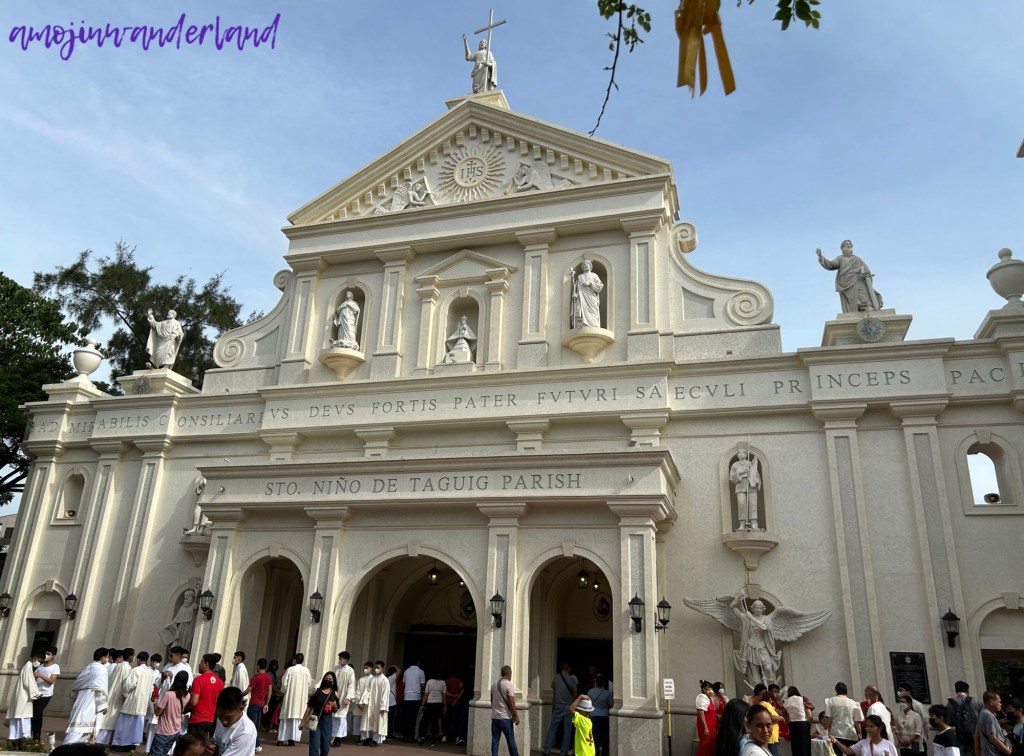
I visited the Sto. Niño de Taguig Church during the feast of the Sto. Niño. The church traces its humble beginnings to the devotion and unity of a small military community. In 1964, eighteen military families from the Signal Service Corps of the Philippine Army relocated from Diliman, Quezon City, where the University of the Philippines now stands, to what would later be known as Signal Village. The area was still largely undeveloped, but the settlers carried with them a strong sense of faith and community. By 1965, the growing number of residents longed for a place to worship. Local women took the lead, organizing occasional Masses celebrated by priests from nearby seminaries. These early gatherings were often held in makeshift spaces, reflecting the deep devotion of a community eager to build a spiritual home.

A major step forward came in 1970, when the first chapel structure was built in Zone 2 through the efforts and generosity of Mrs. Cynthia Zagala. Two years later, in 1972, the image of the Sto. Niño was formally installed as the patron of Signal Village. This marked a turning point in the community’s spiritual life, devotees began organizing activities and fundraising events to improve the chapel and strengthen their devotion to the Holy Child.
Between 1974 and 1975, various religious groups and lay organizations continued to hold fundraising activities for the construction of the chapel’s roof and walls. The local faithful, many of them soldiers and their families, hcontributed both financially and physically, embodying the spirit of bayanihan that would define the parish for years to come.
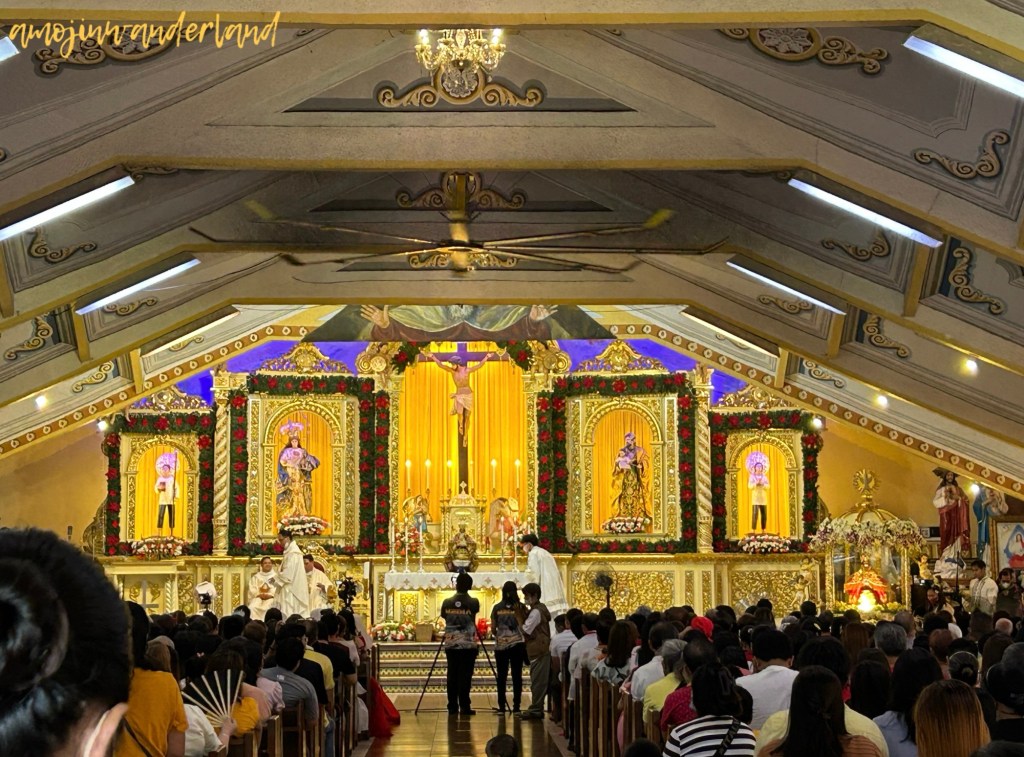
By 1980, construction continued in earnest, thanks to significant support from military families and civilian volunteers. Their efforts bore fruit when, in 1981, the community joyfully celebrated the first fiesta of Sto. Niño, a tradition that has since grown into an annual event filled with faith, music, and cultural pride.
The dream of a permanent parish was finally realized on February 11, 1987, when the Sto. Niño Parish was officially established. This milestone formalized what had already become a vibrant center of worship and community life. From its beginnings as a simple chapel in a military settlement, the church evolved into a symbol of unity for the people of Signal Village and neighboring communities.
 Amoj In Wanderland