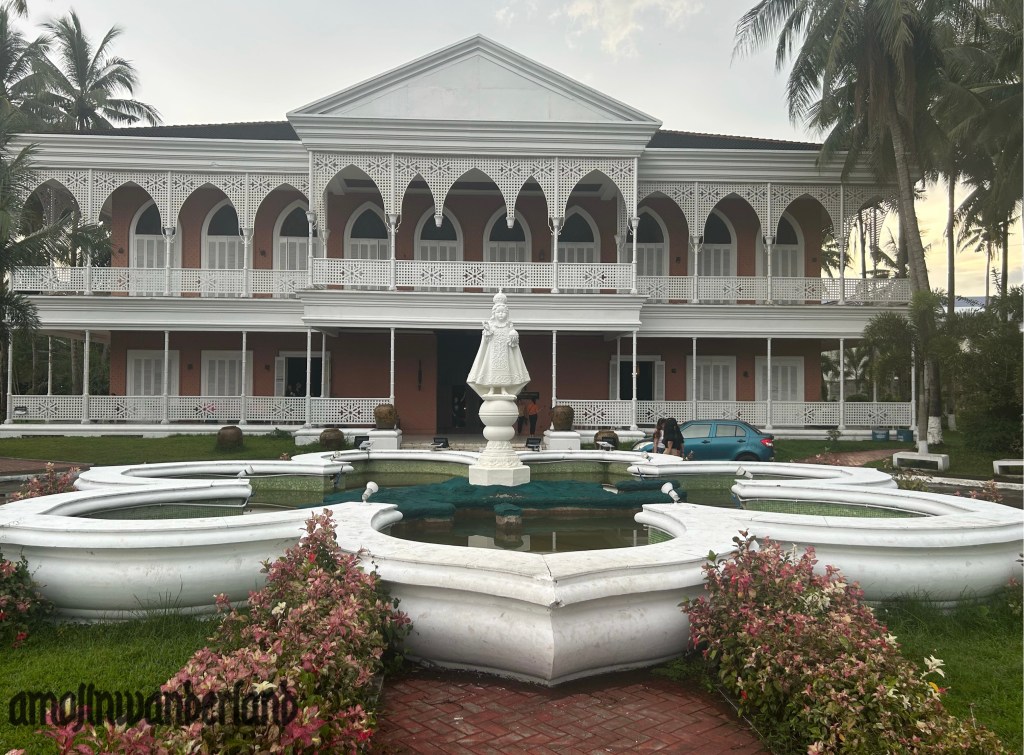
From 1965 to 1986, Ferdinand Marcos held the position of the Philippines’ president. Throughout his tenure, the Marcos family accumulated substantial wealth and held considerable authority. However, their regime was tainted by accusations of corruption, violations of human rights, and the suppression of political dissent, resulting in extensive controversy and eventual downfall. The lavish Santo Niño Shrine and Heritage Museum in Tacloban City, Leyte stands as a testament to their legacy and the extravagant nature associated with their rule.
Constructed in 1979, the mansion served as the designated official residence for the Marcos family, with a particular focus on accommodating Imelda Marcos, the wife of the then-President Ferdinand Marcos. Imelda Marcos, renowned for her penchant for opulence and passion for the arts, actively contributed to the design and embellishment of the shrine, leaving her distinct imprint on its creation.
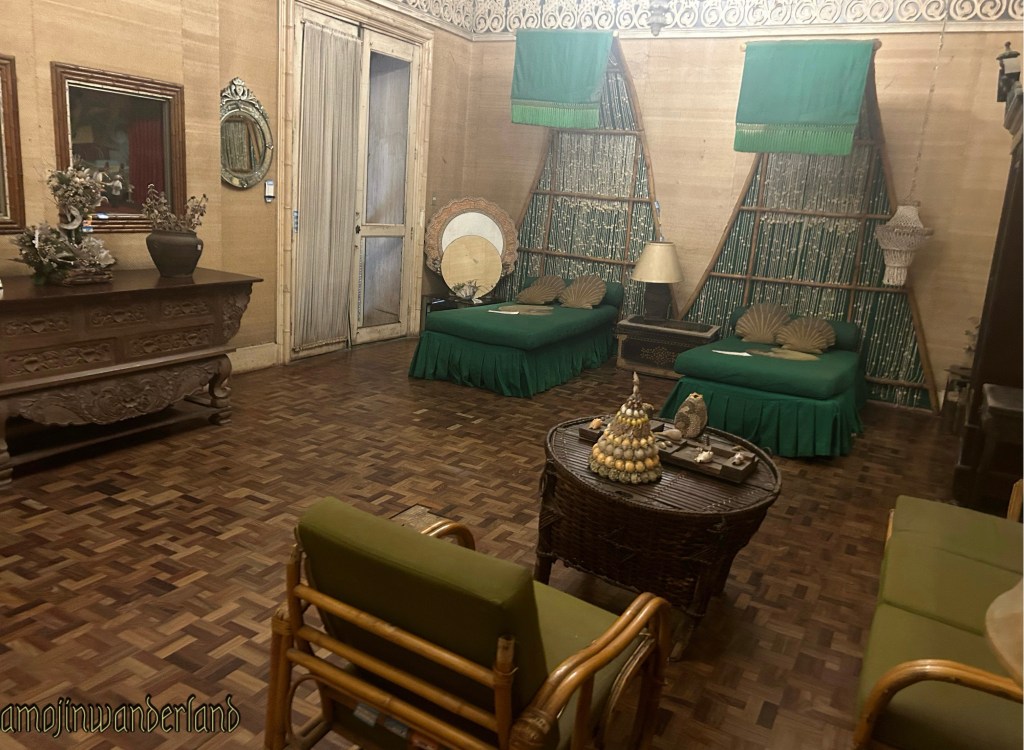
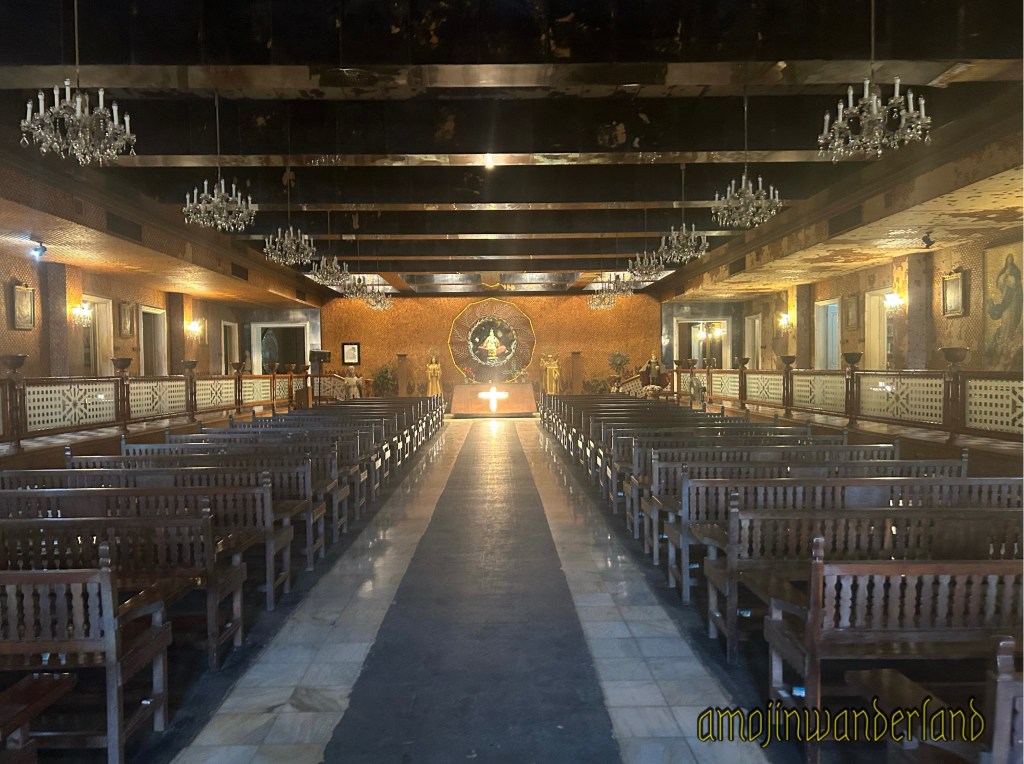
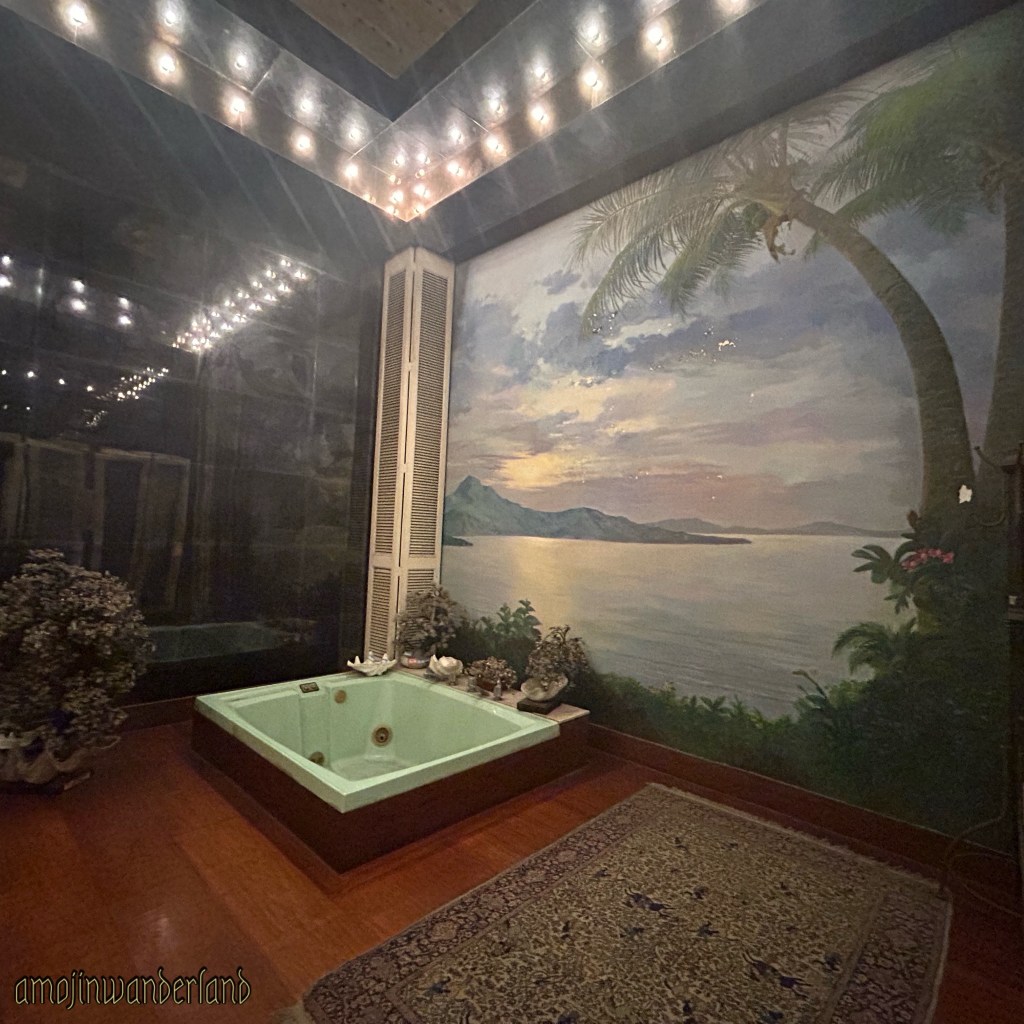
The Santo Niño Shrine and Heritage Museum holds a collection of antiques, artifacts, furniture, and artworks gathered from various parts of the world during the Marcos regime. This opulent building served multiple purposes as a chapel, museum, and guest house, featuring 21 bedrooms. Each of these rooms displays a diorama depicting the life of the former First Lady.
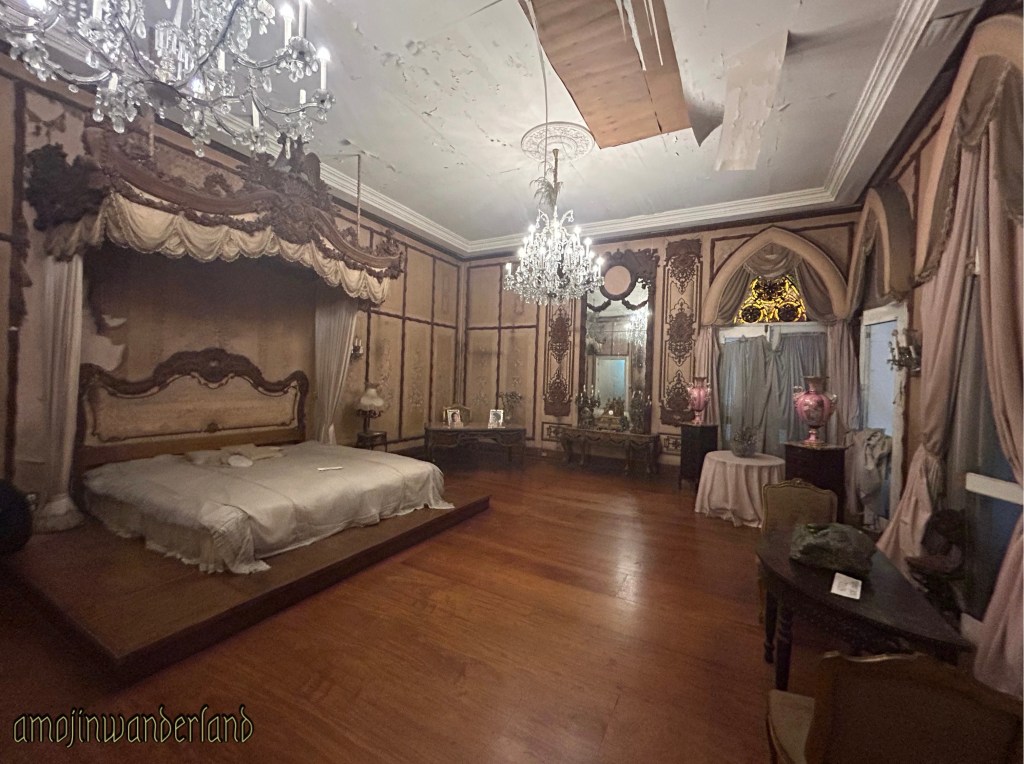
The Marcos family had seven bedrooms exclusively designated for their use, while the remaining 13 guest rooms showcased distinct themes like sampaguita, shell, banig, coconut, and butterfly-inspired motifs, among others. Notably, the grandest room in the entire house was reserved for Imelda Marcos, surpassing the size of an average Filipino home.
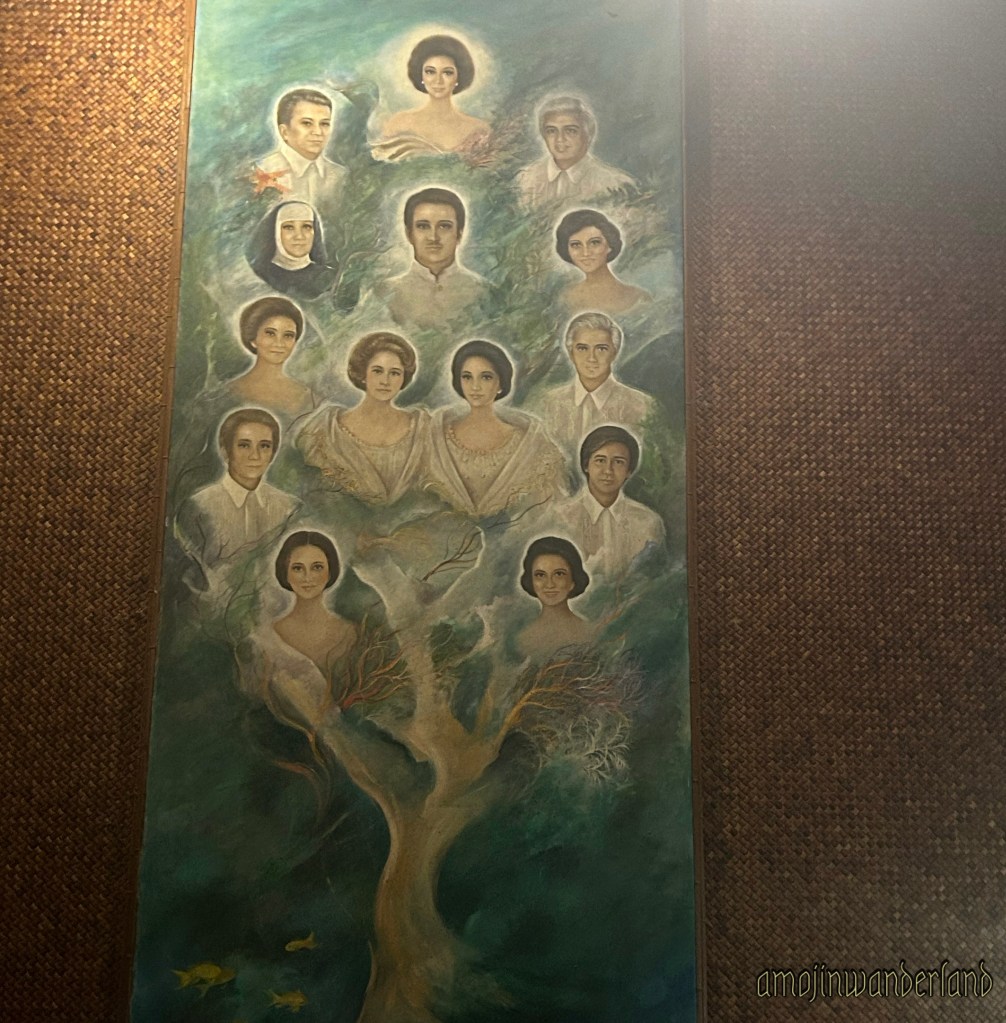
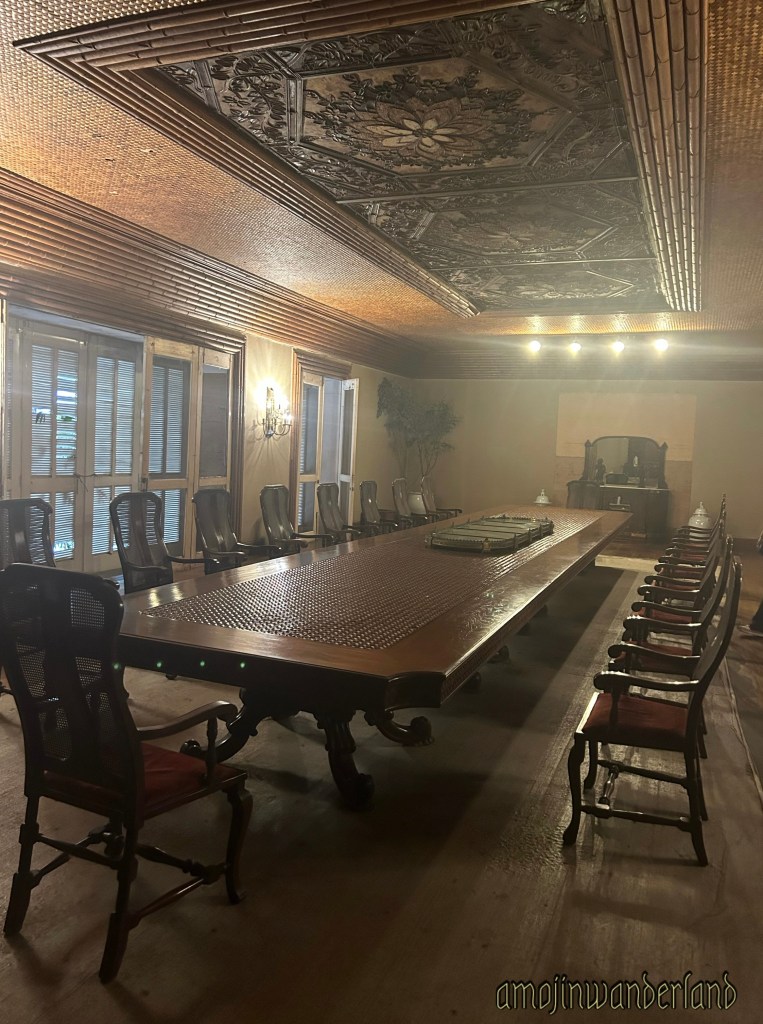
The magnificent estate exemplified the opulent and extravagant nature commonly linked with the Marcos family, providing a window into the luxurious lifestyle embraced by the former dictator’s household. The shrine’s architecture seamlessly merged contemporary and traditional Filipino design elements, resulting in a visually captivating edifice that stood out as a prominent landmark within the city. Within its walls, one can find colossal paintings by renowned foreign artists like Bebsi Brias from Spain, as well as notable local artists such as Fernando Amorsolo. Additionally, there exists a collection of artwork portraying significant historical events in Leyte, alongside ecclesiastical paintings originating from Italy, France, and Germany.
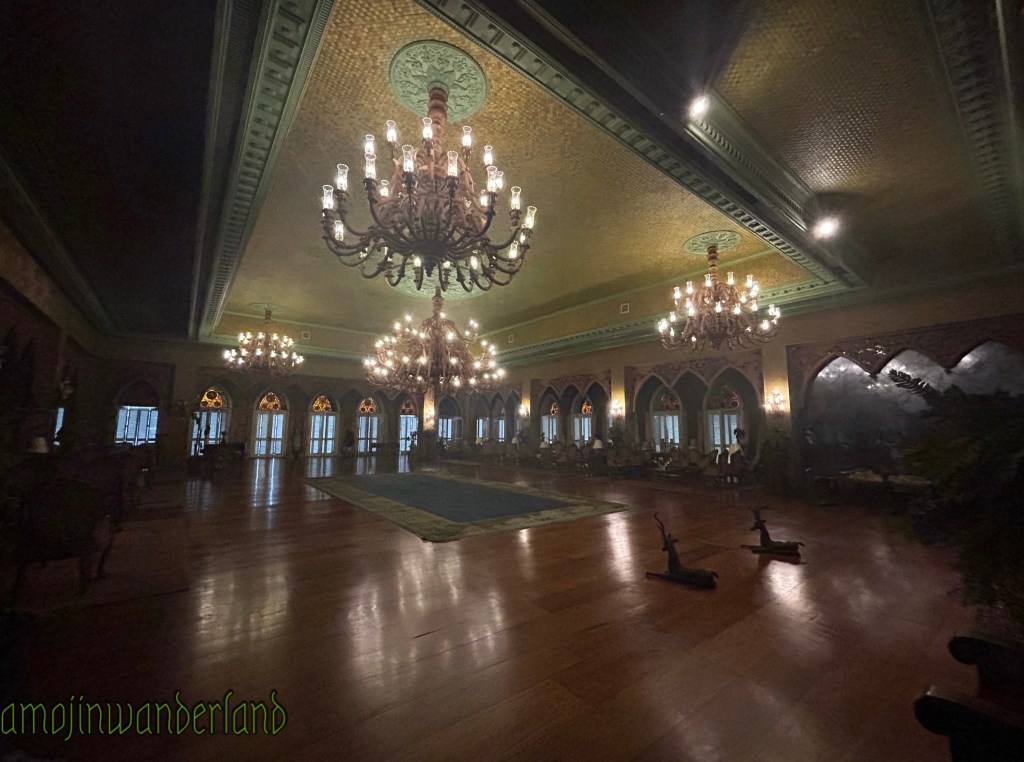
In addition to the paintings, the shrine houses a diverse array of antique collections, grand pianos, and wooden and ivory sculptures. Notable among them are the St. Remedios and St. Vincent sculptures, crafted from Italian ivory, which adorn the altar of the Romualdez museum. The mansion boasts an array of prestigious fixtures, including chandeliers imported from the Czech Republic, exquisite Italian tiles, luxurious Argentine carpets, elegant Chinese porcelain jars, and ornate Austrian mirrors.
 Amoj In Wanderland