The City of Palu, also known as Kota Palu, serves as the capital and largest city of Central Sulawesi. Palu is situated in Palu Bay, the northwestern coastline of Sulawesi. Originally a modest agricultural town, it was later chosen to be the capital of the newly established province of Central Sulawesi in 1953. The city’s name has varying explanations. One account suggests that it originated from the term “topalu’e,” denoting “raised land,” while another version indicates its derivation from “volo,” the local name for bamboo plants.
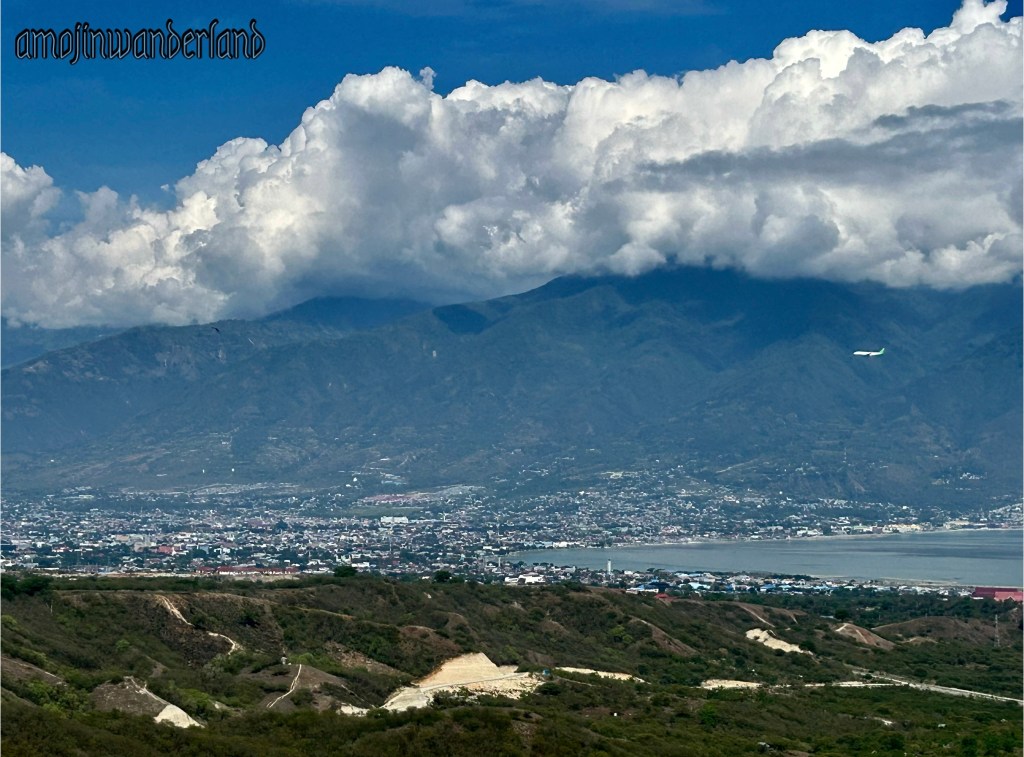
Since it was our final day in Palu, we made the decision to explore the tourist attractions located within the city. To facilitate our journey, we arranged for a car rental that would accompany us throughout the entire day, taking us to the recommended destinations suggested by the hotel concierge.
Monumen Nosarara Nosabatutu
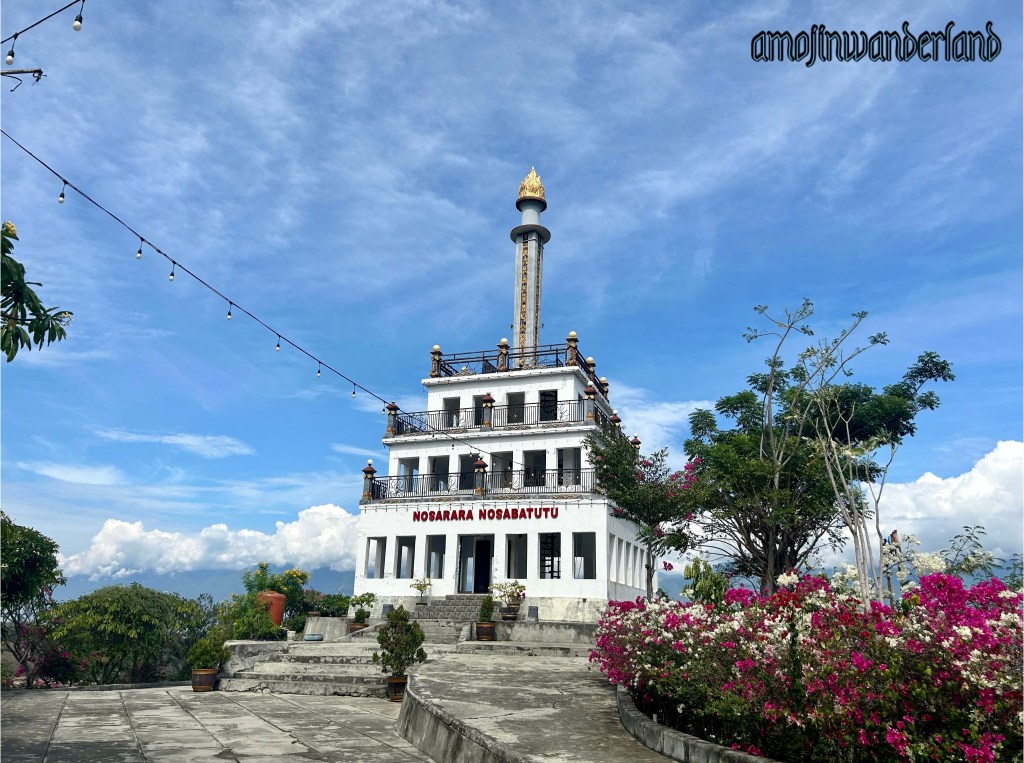
We began our itinerary by heading to the Nosarara Nosabatutu Peace Monument, which derives its name from a phrase in the Kaili language, meaning “we are siblings, we are united.” This monument was erected as a commemoration of the Poso riots, a communal conflict that unfolded between Christians and Muslims in the neighboring Poso Regency.
Museum Negeri Provinsi Sulawesi Tengah
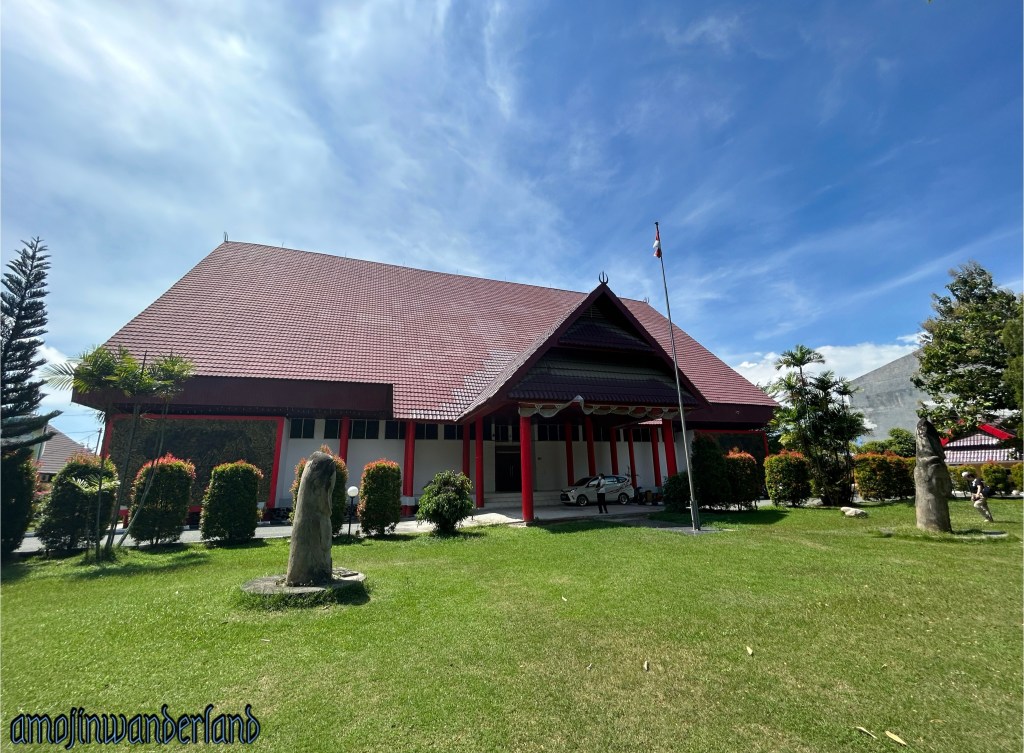
The Central Sulawesi Museum is located at Jalan Kemiri No. 23, Kamonji Village, West Palu District. Covering an area of 18,330 square meters, the museum was initiated by Central Sulawesi cultural figure Masyhuddin Masyuda BA. Efforts to preserve cultural heritage began in 1975, with the collection of artifacts being initiated with the support of the Central Sulawesi Governor. The museum has a collection of various objects in geology, biology, ethnography, archaeology, history, numismatics, philology, ceramic art, and modern technology.
Construction of the museum began in 1977 and it was officially opened in 1987. The museum houses a diverse range of collections consisting of material evidence pertaining to different fields of art, disciplines, and technologies. These collections encompass areas such as geology, biology, ethnography, archaeology, history, numismatics, philology, ceramics, technology, and fine art. Notably, among these artifacts, there are exceptional pieces including Donggala woven fabrics, garments made of wooden skin, taingaja or bronze buffalo statues, and a fossilized ancient elephant jaw estimated to be 1.9 million years old.
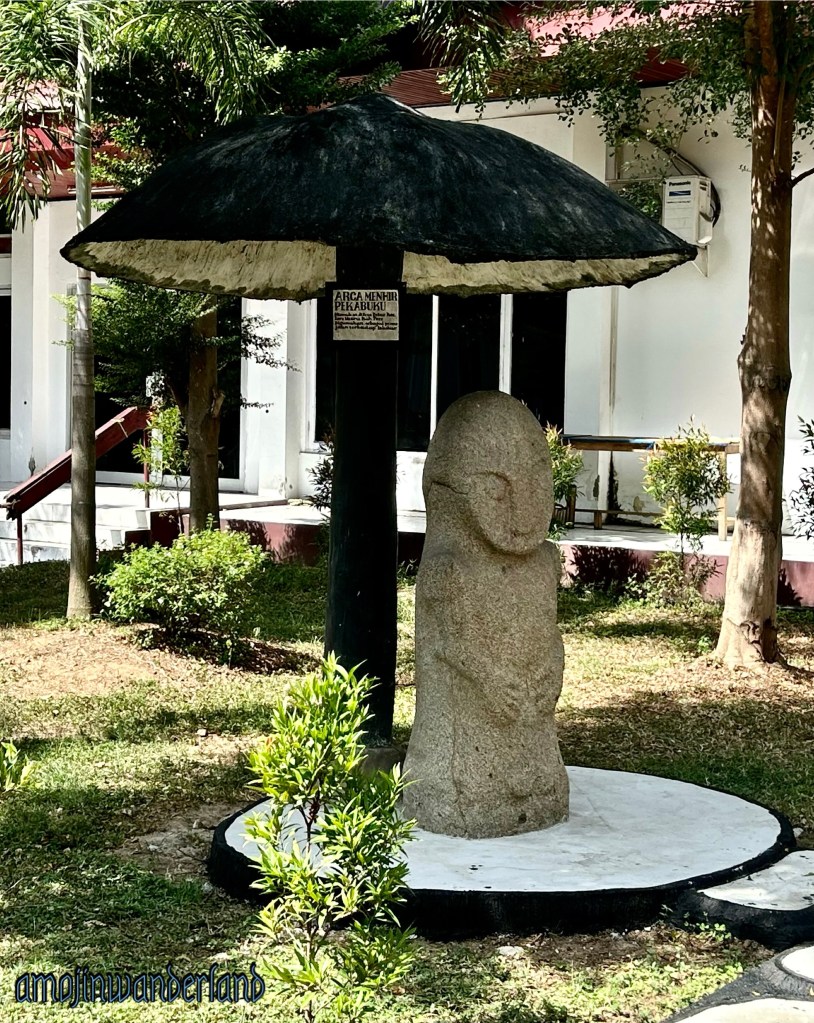
One of the attractions in the museum is the Megalithic Lore Park, where visitors can observe a number of unique and distinctive prehistoric statues found in Lore, Poso Regency. These include statues like Tadulako, Palindo, Lengke Bulava, and others.
Sou Raja Cagar Budaya Banua Oge
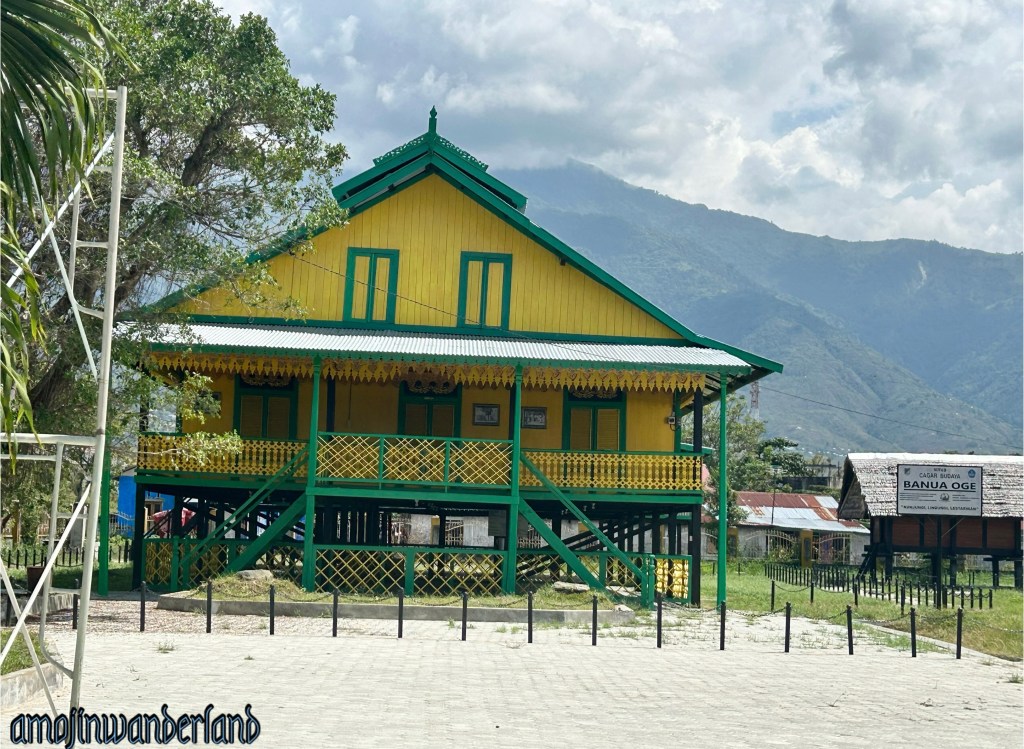
We also visited Souraja, but unfortunately, its gate was closed. I managed to take pictures of the building from the outside. Souraja represents the remnants of a structure that was once a part of the Palu Kingdom. It was built by the Palu King, and its ownership has changed hands over time. Souraja served as the royal palace for the Palu Kings and their families, with ownership being passed down through generations. The construction of Souraja dates back to the 19th century AD, and it has been designated as a protected heritage site under government preservation. The building remains unchanged, so visitors will encounter Souraja in its original state, just as it was in the past.
Souraja was initially built as a royal residence for the King and his immediate family, serving as the central hub of the kingdom. Consequently, the vicinity of Souraja was once vibrant with various community activities. However, during the Japanese colonial period from 1942 to 1945, the function of Souraja shifted to become a government office under Japanese administration. As a result, the nobility and the King’s family were unable to reside in Souraja during that time. Subsequently, in 1958, the building underwent a transformation and was repurposed as a headquarters and barracks for the Indonesian National Army.
Pantai Talise
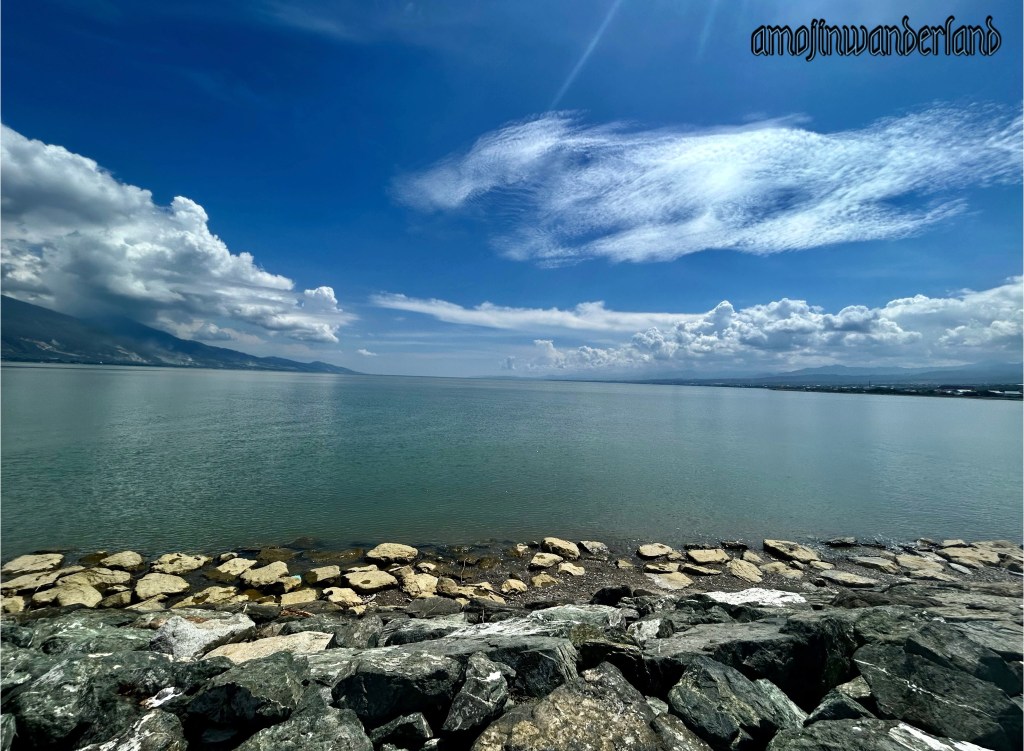
Talise Beach is situated in East Palu District, specifically at the intersection of Jalan Rajamoili and Jalan Cut Mutia. The name “Talise” is derived from the Kaili language, referring to the Ketapang tree (Terminalia catappa), also known as the “Indian almond” or “tropical almond.” According to local inhabitants, in the past, this beach was adorned with numerous ketapang trees, hence the name Talise Beach. It spans from the town of Palu to Donggala, showcasing captivating panoramas of the bay and the surrounding mountains, adding to its natural allure and beauty.
On September 28, 2018, Talise Beach was struck by a tsunami caused by a 7.4 magnitude earthquake. The epicenter of the earthquake was located 10 km away from approximately 27 km northeast of the Donggala Sea. Following the catastrophic earthquake and tsunami, the beach was littered with lifeless bodies, some of which were seen floating in the sea.
Monumen Mutiara Bangsa
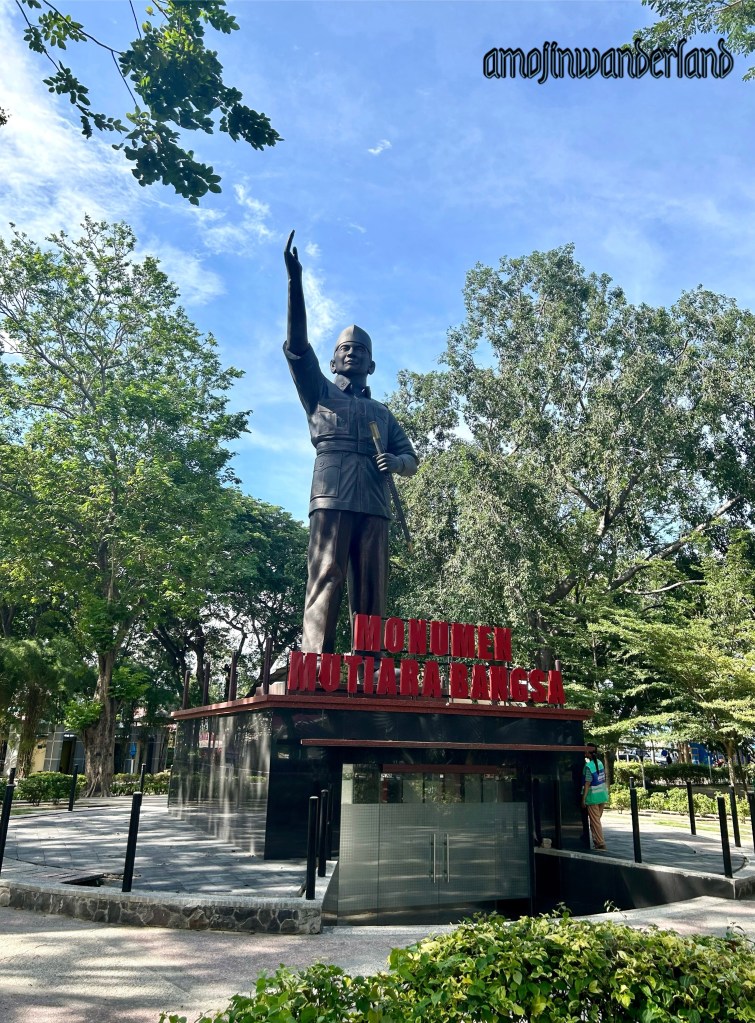
The Monument of the Nation’s Pearl, known as the Monumen Mutiara Bangsa in Indonesian, was constructed to honor the historical visit of Soekarno to Palu. It is located at the GOR field, which has been transformed into a park. This monument symbolizes the importance of Soekarno’s visit and his impact on the city of Palu.
 Amoj In Wanderland