
Located within Valenzuela City, the Tagalag Fishing Village, which was established on February 15, 2020, is a nature-centric destination conceived by the previous leadership of Mayor Rex Gatchalian. Featuring a fenced boardwalk spanning 1,300 meters, this fishing haven offers a range of aquatic and eco-focused activities, including my beloved hobby of birdwatching.
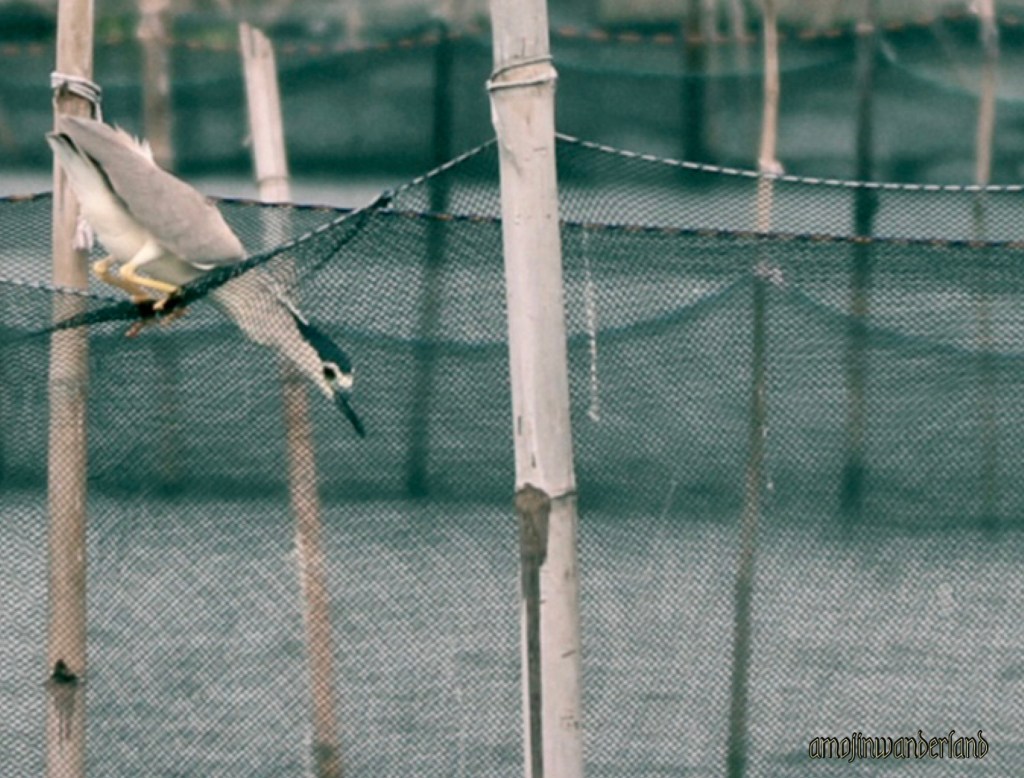
Upon learning about the upcoming birdwatching event organized by the Wildbird Club of the Philippines at Tagalag Fishing Village, I promptly registered. The existence of such a place within Valenzuela City was a pleasant surprise. Regrettably, I neglected to charge my camera’s battery, leading us to plan a return trip one week later to capture photographs of the various bird species residing in the area.
Here are the bird species I saw at Tagalag Fishing Village:
Black-Crowned Night Heron (Nycticorax nycticorax)
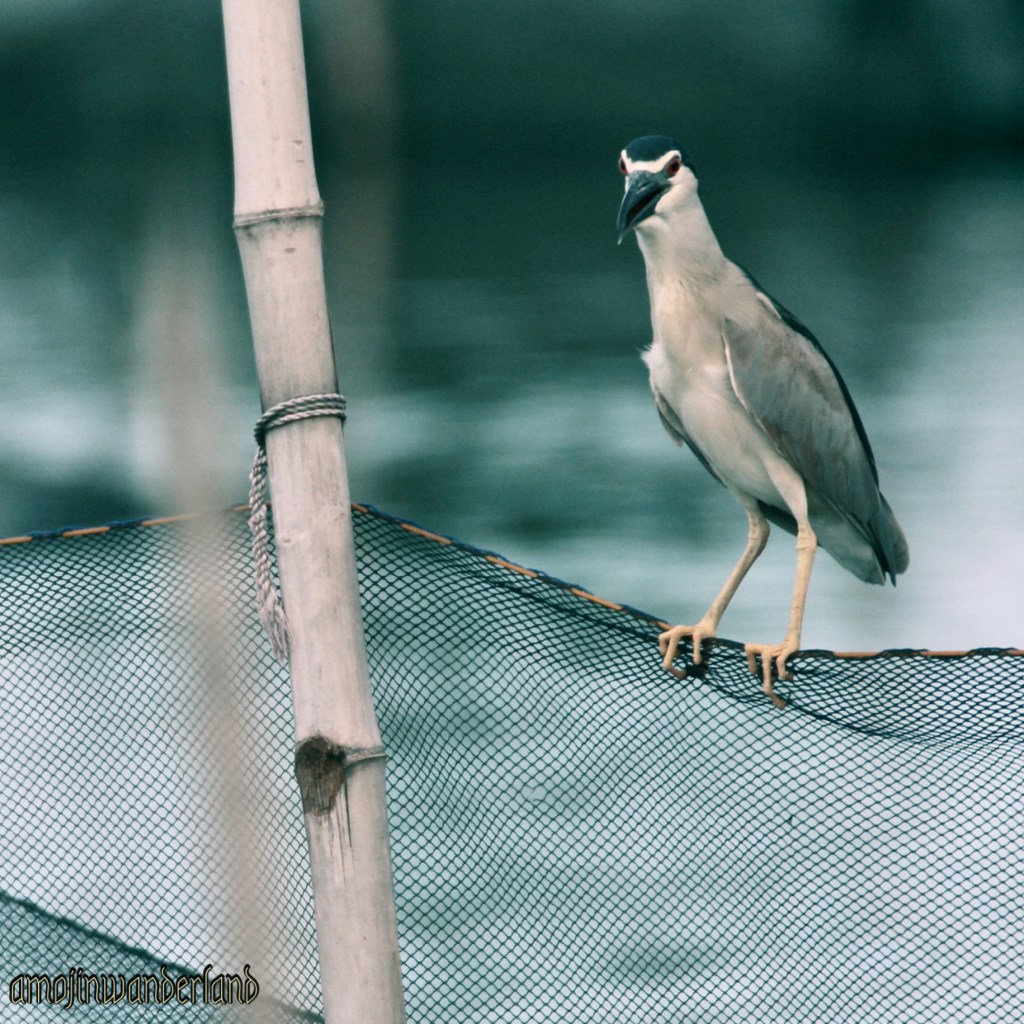
Black-crowned Night Herons are petite herons with somewhat stout and robust builds. They feature substantial necks, sizable flat heads, and weighty, pointed bills. Their legs are of shorter length and, during flight, just about extend to the tip of the tail. Their wings are wide and exhibit rounded shapes. Fully grown individuals are adorned with light-gray plumage that distinctly contrasts with a black back and a black crown.
Purple Heron (Ardea purpurea)
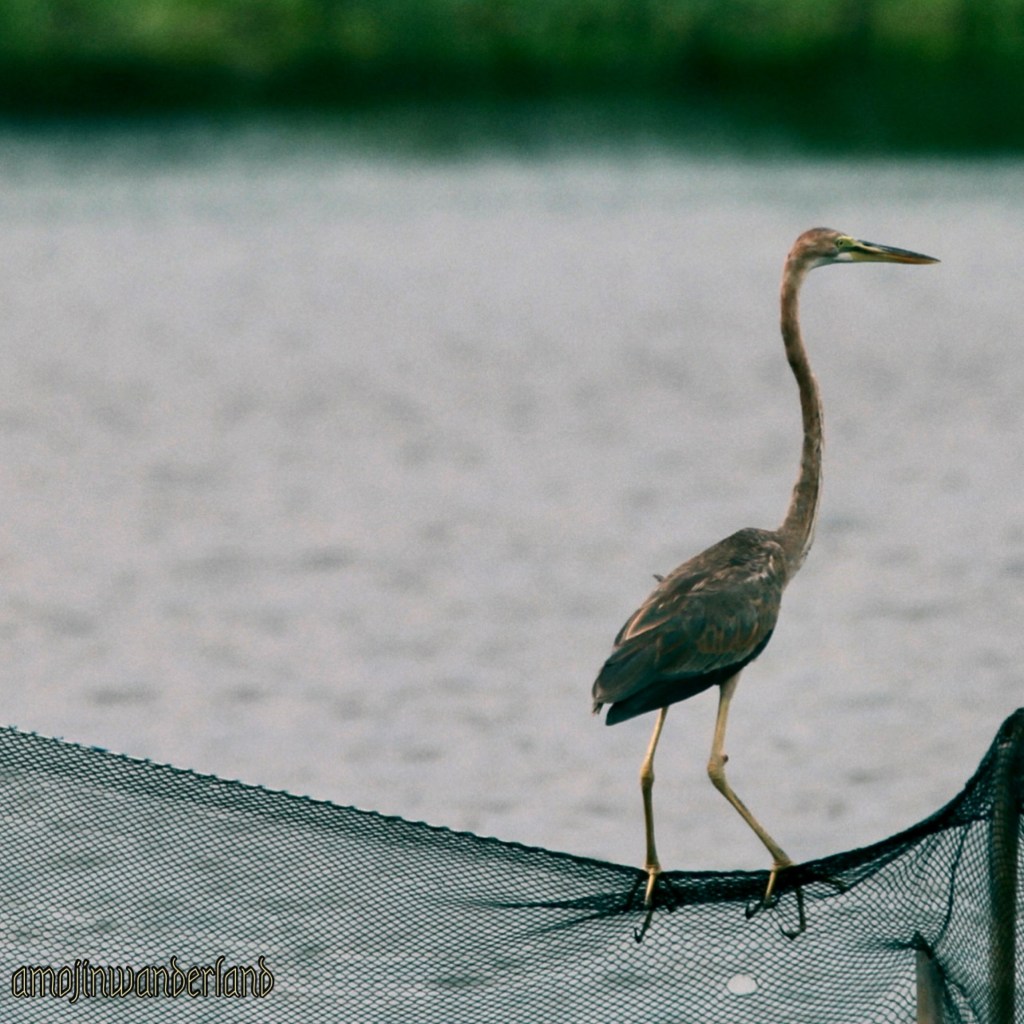
The purple heron, a slender and elongated species of heron, possesses a streamlined, long, and thin neck, along with a narrow body. Despite its name, the plumage of the purple heron tends to be more of a dark gray shade rather than exhibiting bold mauve or violet tones. This bird displays an orange-chestnut head and neck, complemented by a chestnut breast of rich hue. A deep red patch is noticeable on its upper wings, and its wing edges, which are dusky gray, have black tips.
Common Moorhen (Gallinula chloropus)
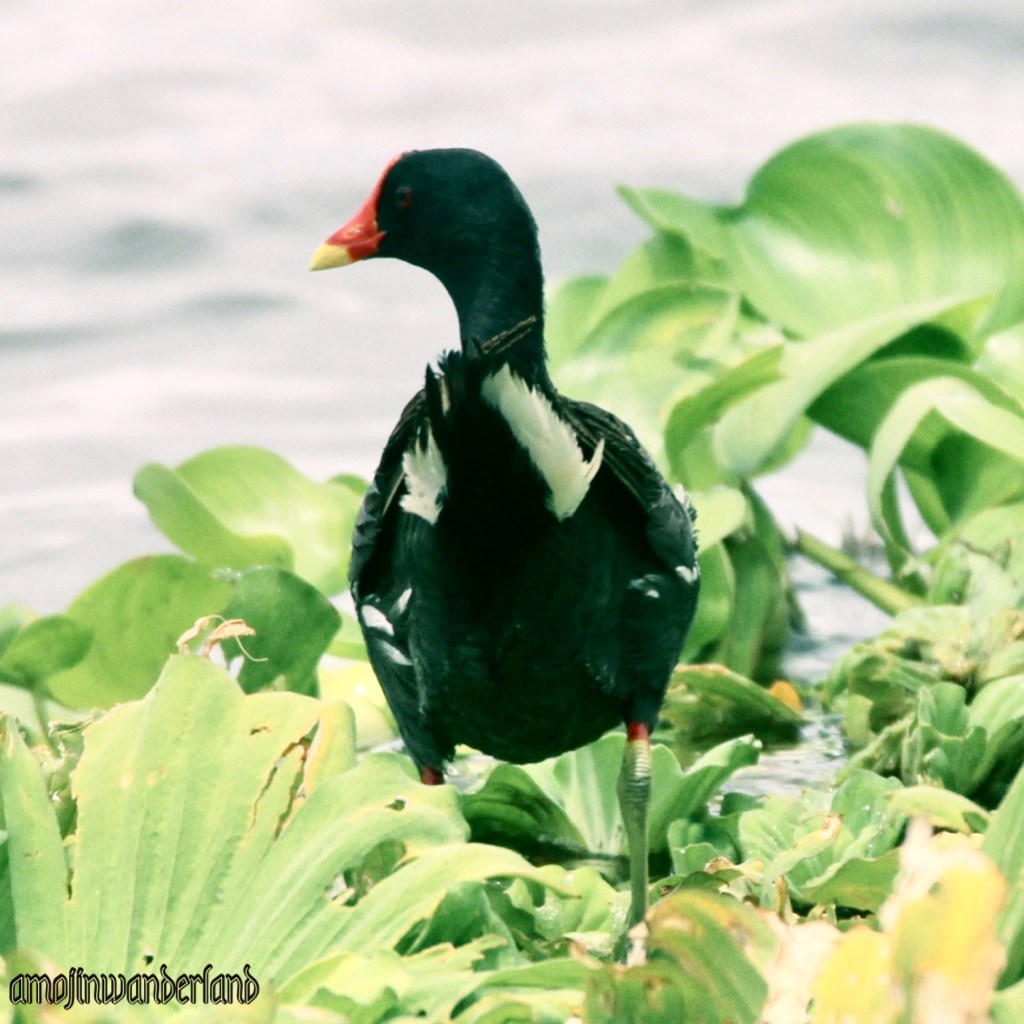
The common moorhen is a distinctive dark waterbird that has a blend of characteristics resembling a mix between a duck and a chicken. Adult moorhens showcase a vibrant red bill with a yellow tip, while younger birds exhibit a less vibrant bill and legs. These birds are identifiable by their conspicuous white oval patches located beneath the tail, as well as the white streaks running along their sides. They inhabit both fresh and brackish marshes, as well as areas around ponds, lakes, and slowly flowing watercourses with vegetation along the borders. Their swimming style is characterized by a jerky motion, and they move on land with a cautious gait, often holding their tails slightly raised. These birds produce a range of distinctive, rather frog-like calls.
 Amoj In Wanderland