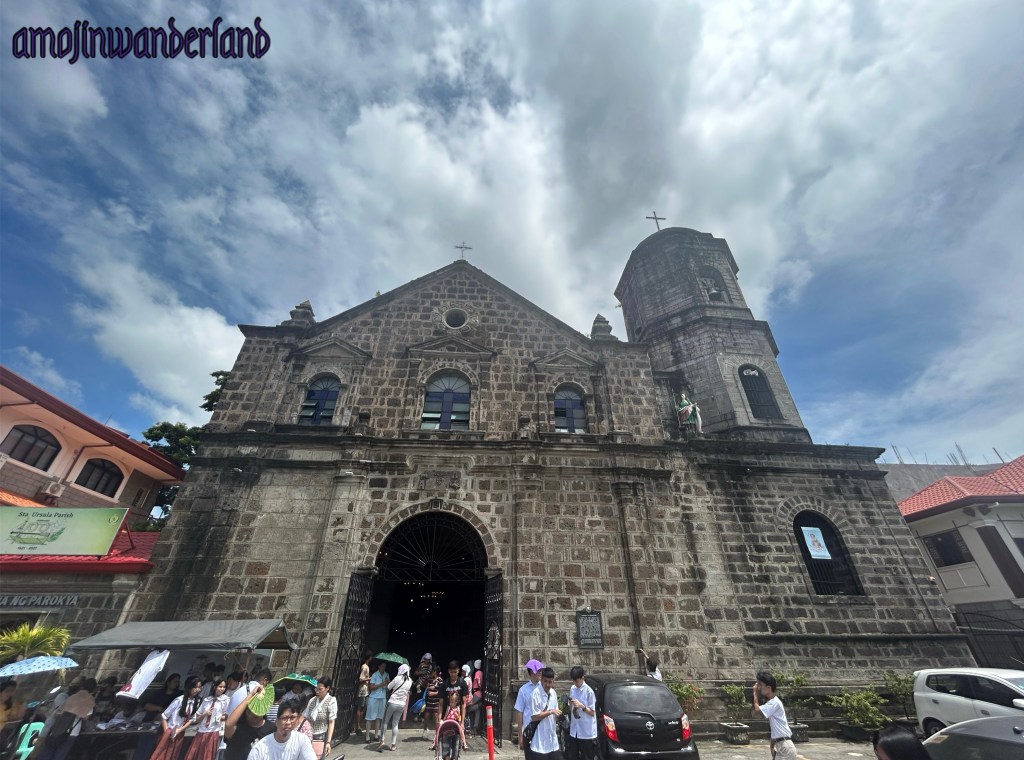
The Santa Ursula Parish Church, commonly known as Binangonan Church, stands at the center of Binangonan, Rizal, and has a rich history spanning 224 years. This historic church is a part of the Roman Catholic Diocese of Antipolo and holds the distinction of being one of the seven Jubilee churches within the diocese.
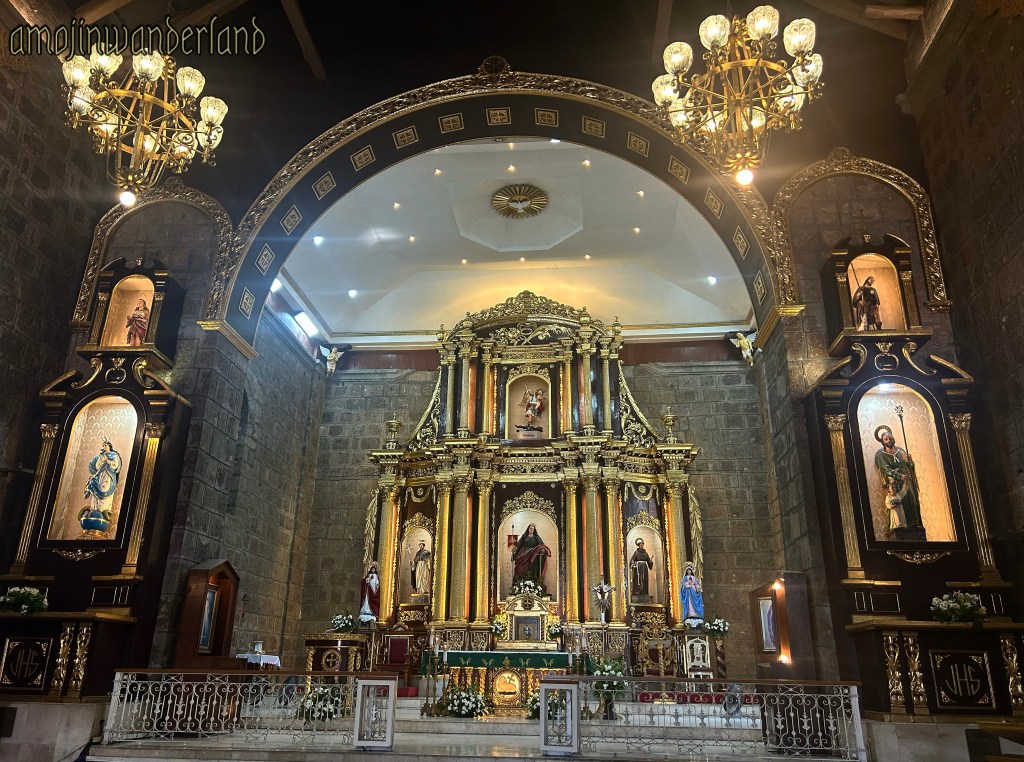
Between 1571 and 1602, the Spanish missionaries established the town of Binangonan which was initially part of Morong. In 1621, it became an independent municipality. In the same year, the Spanish missionaries established a separate parish dedicated to an ancient princess-martyr of the church and later to be known as the Patroness of Binangonan, Saint Ursula.
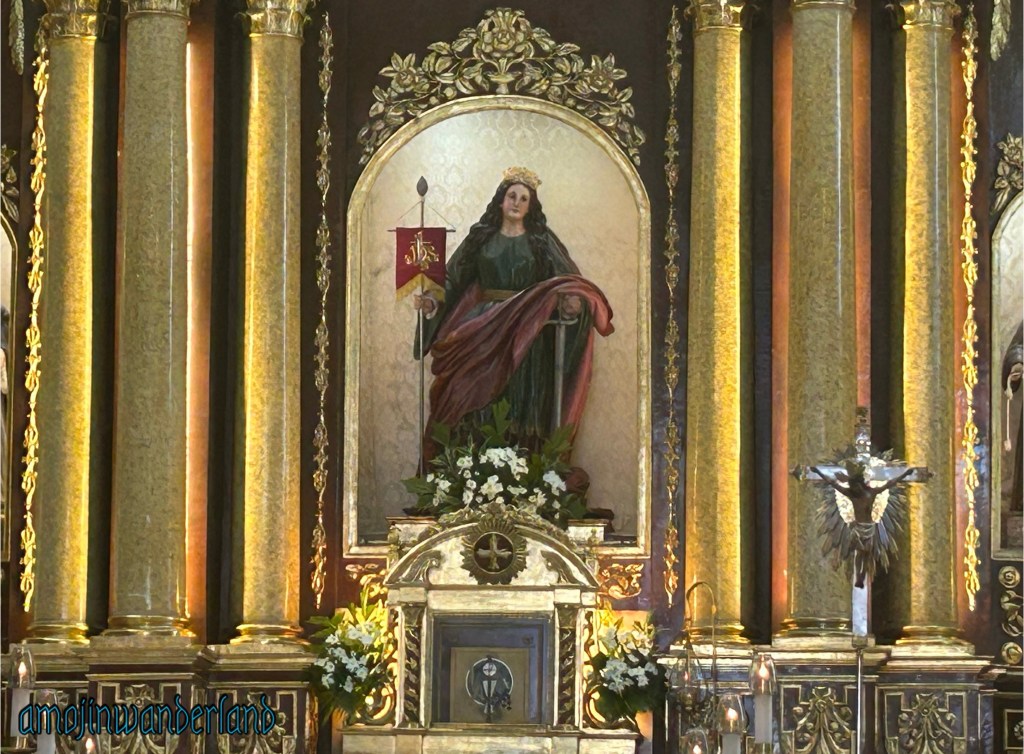
According to venerable tradition, Saint Ursula, a princess from south-west Britain, embarked on a journey at her father King Dionotus’s request to marry the pagan governor Conan Meriadoc of Armorica. She was accompanied by 11,000 virginal handmaidens. They experienced a miraculous one-day sea voyage to a Gaulish port after a storm. Ursula, before her marriage, vowed to undertake a pan-European pilgrimage. She, along with her followers, traveled to Rome and convinced Pope Siricius and Bishop Sulpicius of Ravenna to join them. Eventually, they set out for Cologne, which was under siege by Huns. Tragically, all the virgins were beheaded in a massacre, and St. Ursula herself was shot with an arrow by the Hun leader, around 383. It is believed that the relics of this martyr are still preserved in Saint Ursula’s church in Cologne, Germany. However, due to the limited historical information available about the anonymous group of holy virgins, her real-life existence was questioned leading to the removal of her feast day in the Roman Calendar.
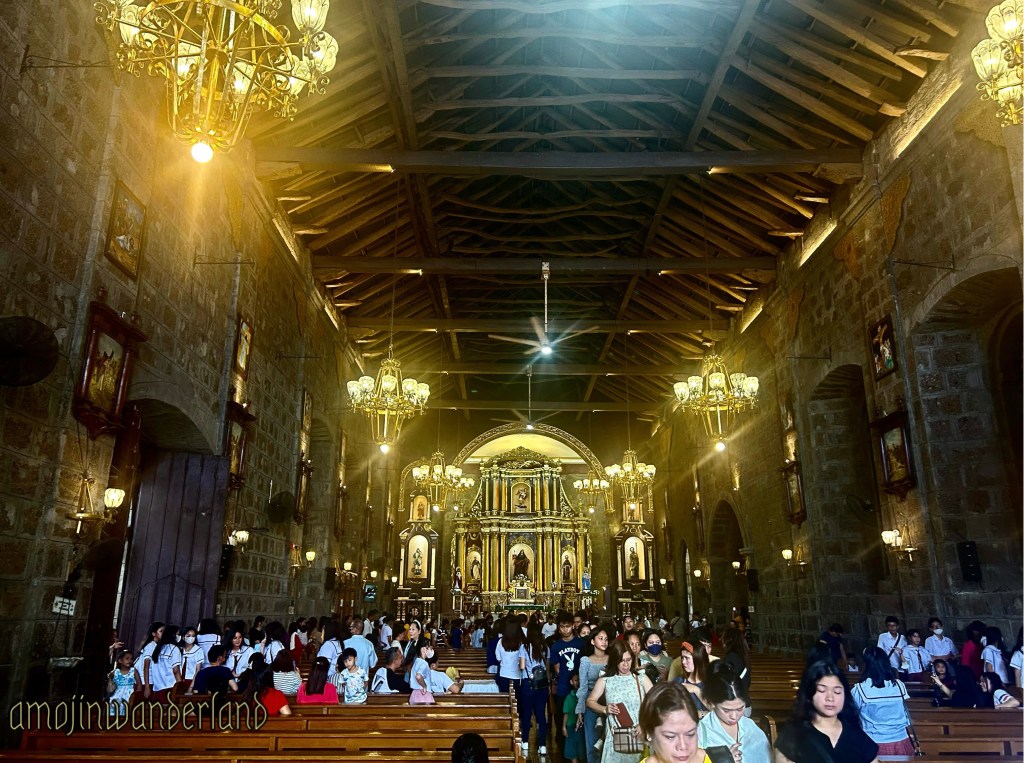
In 1679, the management of the St. Ursula Church was entrusted to the Jesuits, who later, in 1697, passed it on to the Augustinians. By 1737, administration of Binangonan returned to the hands of the Franciscans, who had initially founded it. The construction of the church took place between 1792 and 1800, with a renovation occurring in 1853.
 Amoj In Wanderland