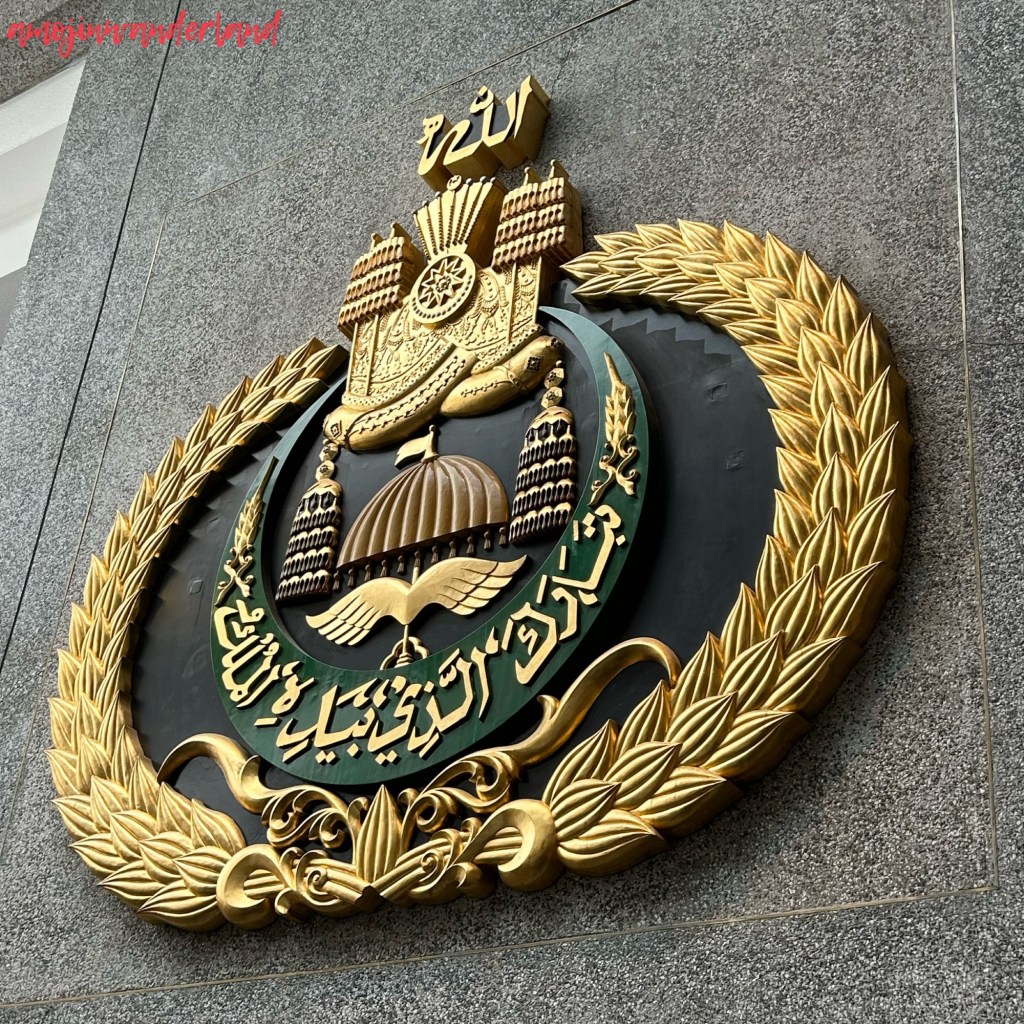
During our visit to Brunei, I noticed a strong sense of respect and admiration toward the Sultan and his family among the locals, highlighting the nation’s unique status as the sole Southeast Asian country with an absolute monarchy.
The Sultan hails from a longstanding royal lineage, upheld through intermarriage within the family over many centuries. This dynasty has governed Brunei for over six hundred years, where political dissent is virtually nonexistent and stringent measures are in place to avoid offending the Sultan. Brunei enforces lèse majesté laws, utilizing them to prosecute any insults directed at members of the royal family. Furthermore, it is prohibited to divulge details about the wealth of the royal family.
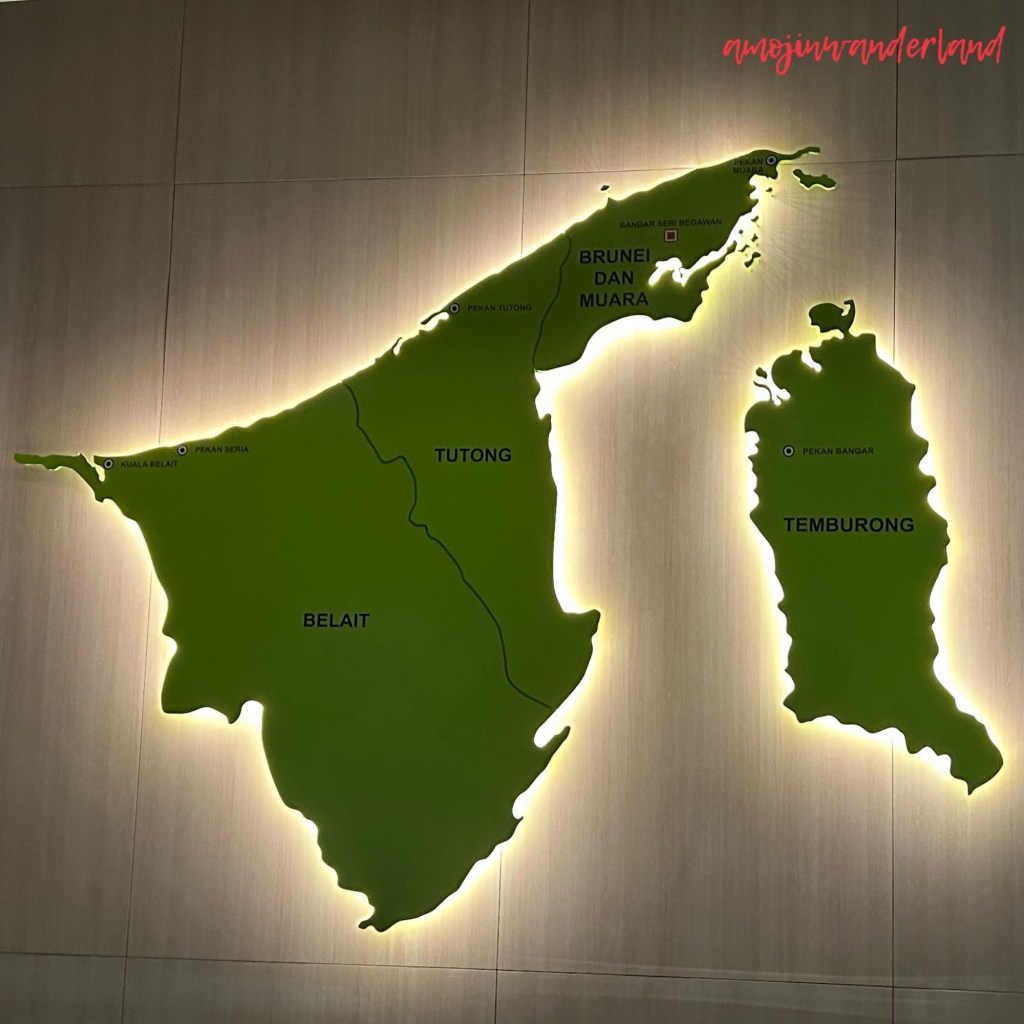
Brunei, having gained independence from British rule in 1984, has since embraced the national ethos of the Malay Islamic Monarchy. Bruneians take pride in their nation’s distinction as home to the world’s oldest continuous monarchy and the sole surviving Malay Islamic Monarchy.
The majority of significant tourist attractions in Brunei are linked to the Sultan, past and present, ranging from the extravagant mosques to solitary mausoleums. Even the bridge bears the name of a former sultan. Here are some of these notable locations:
Omar Ali Saifuddien Mosque
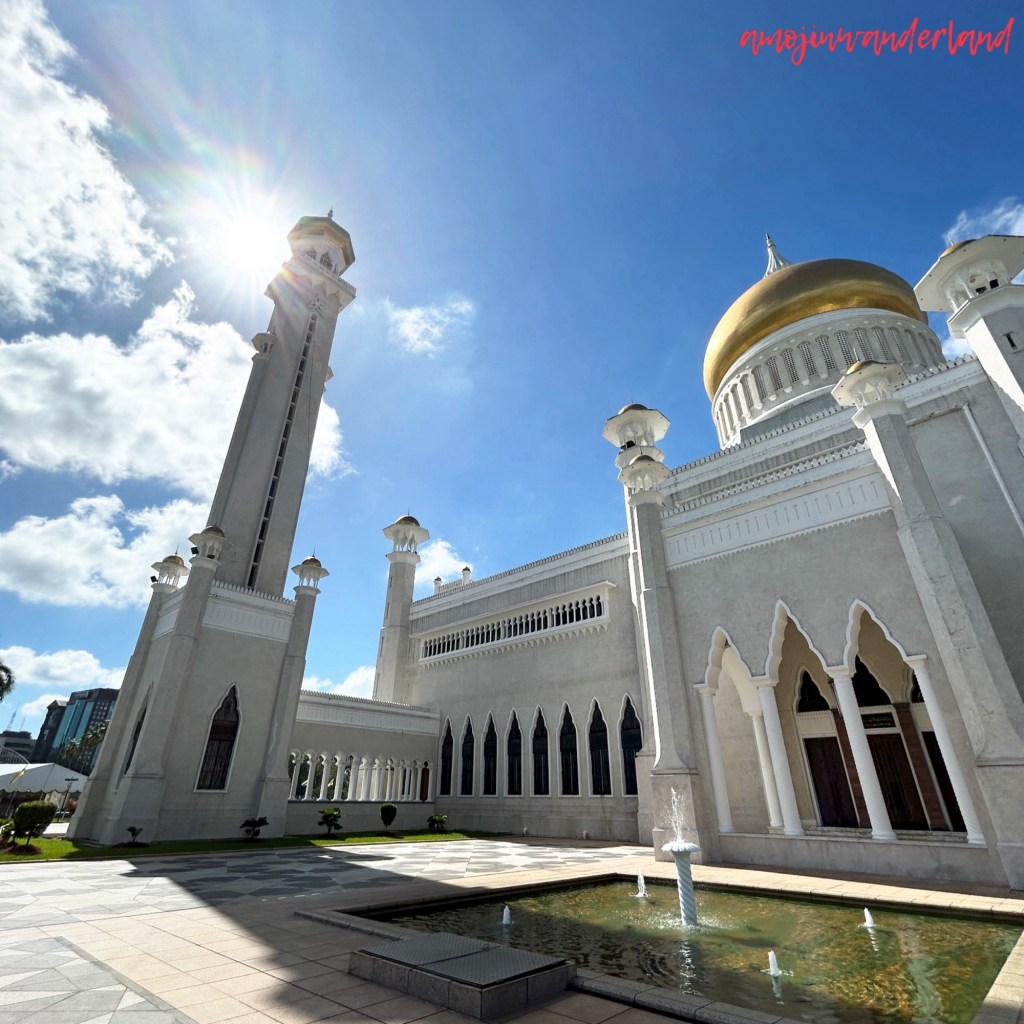
The Omar Ali Saifuddien Mosque, named after Omar Ali Saifuddien III, the 28th Sultan of Brunei who commissioned its construction, is widely regarded as one of the most stunning mosques in the Asia Pacific region. Completed in 1958, its main dome, adorned in pure gold, stands out as its most distinctive feature. It is worth noting though that in 1967, Sultan Haji Sir Muda Omar Ali Saifuddien abdicated in favor of his son, Pengiran Muda Mahkota Hassanal Bolkiah.
Jame’ Asr Hassanil Bolkiah Mosque
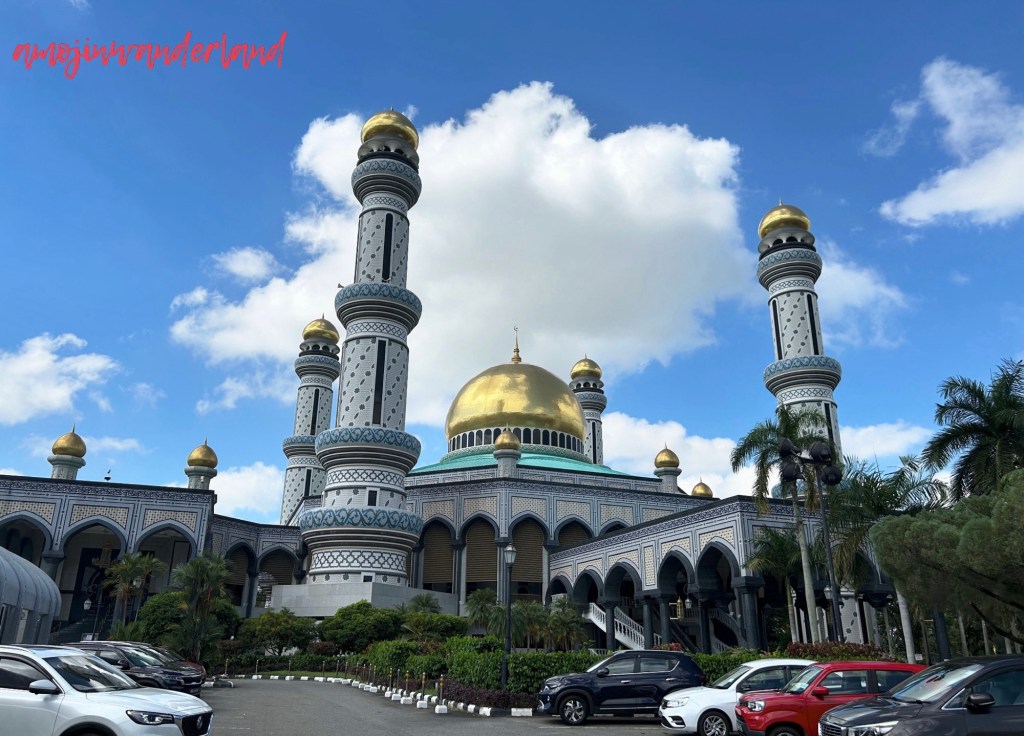
The Jame’ Asr Hassanil Bolkiah mosque, situated in Kampong Kiarong, pays tribute to Brunei’s 29th and reigning Sultan with its 29 golden domes. The exterior is adorned with landscaped gardens and fountains, creating a picturesque setting.
Mausoleum of Sultan Sharif Ali
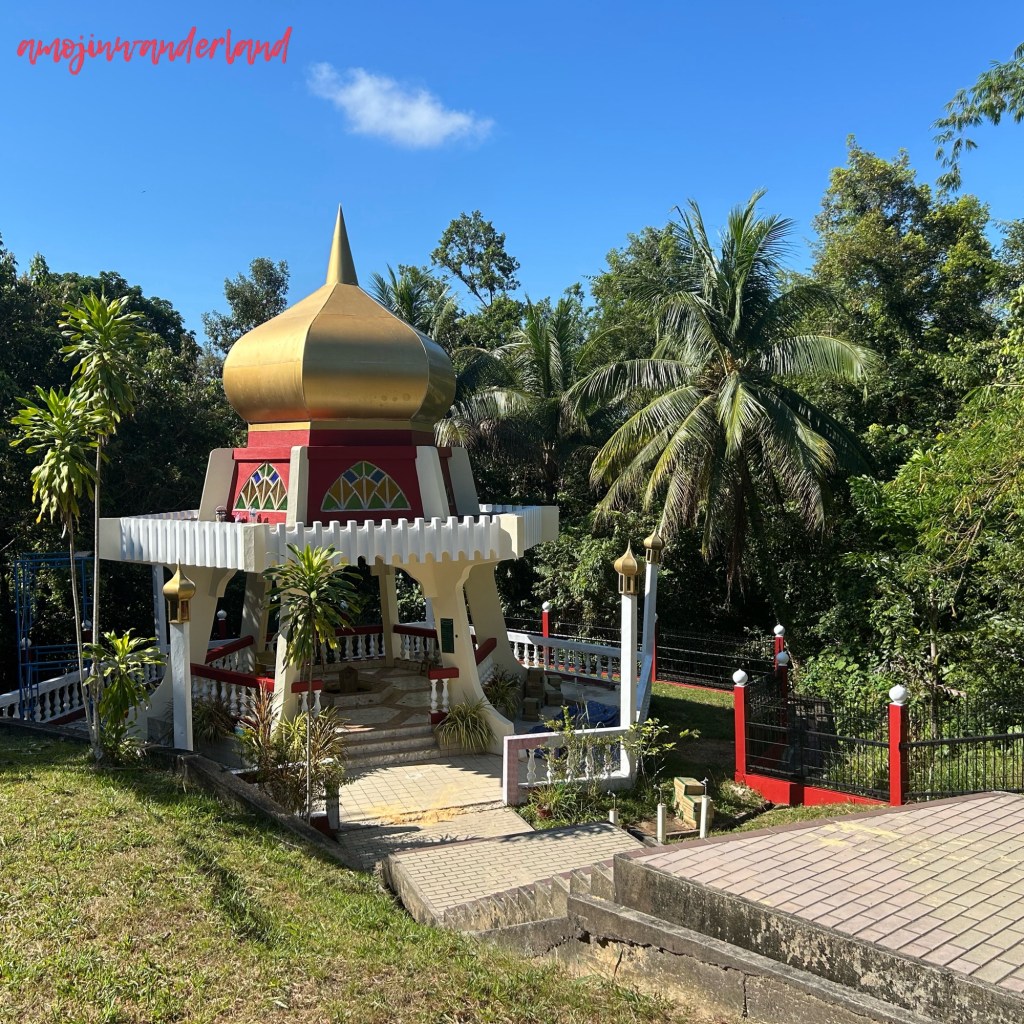
It was a hot afternoon when we decided to go to the nearby Mausoleum of Sultan Sharif Ali. It’s dedicated to Brunei’s third sultan, who ascended to the throne in 1425. Situated in Kota Batu, this historical landmark is where Bruneians honor the leader who played a pivotal role in establishing Brunei’s identity as an Islamic state in its formative years.
Mausoleum of Sultan Bolkiah
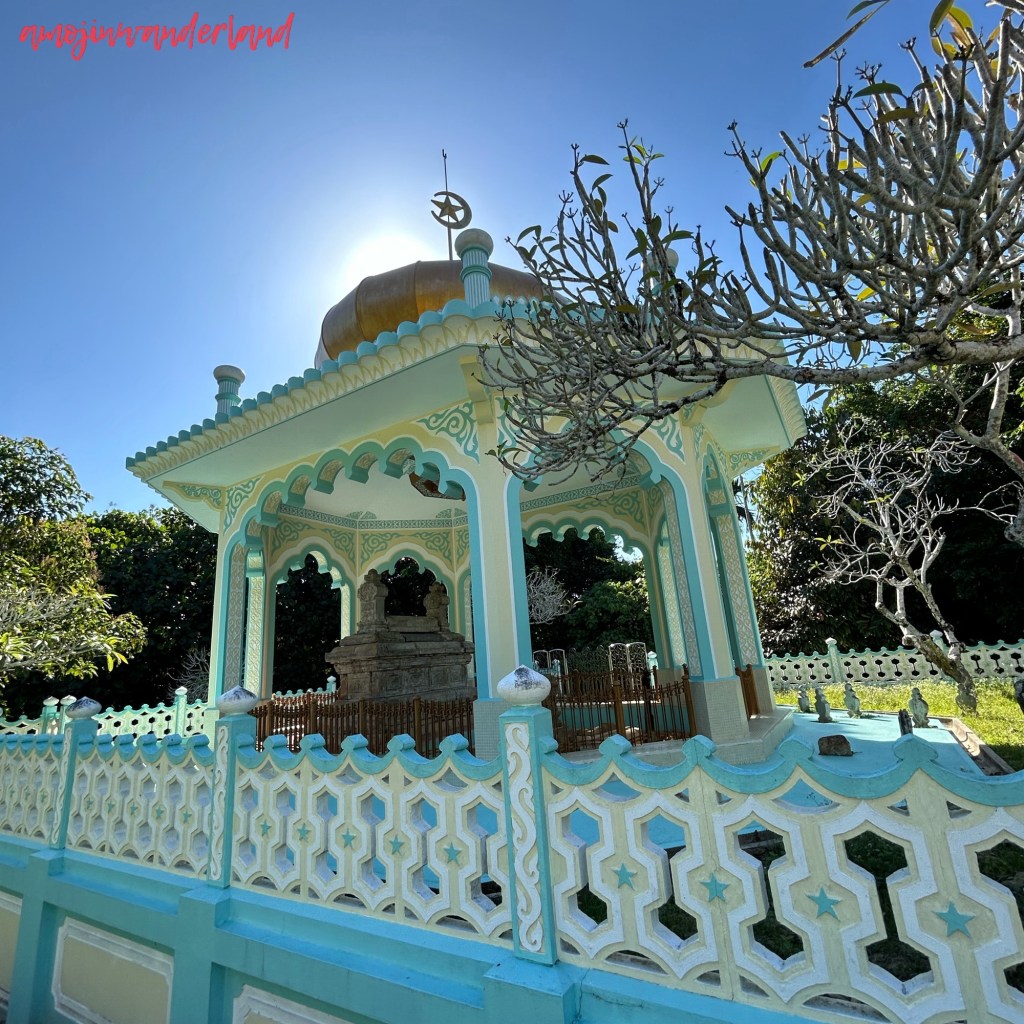
Just a few blocks away is the Mausoleum of Sultan Bolkiah. Sultan Hassan Bolkiah Mu’izz al-Din Waad Allah is the 29th Sultan of Brunei, He is considered as one of the greatest sultans of Brunei.
Sultan Haji Omar Ali Saifuddien Bridge
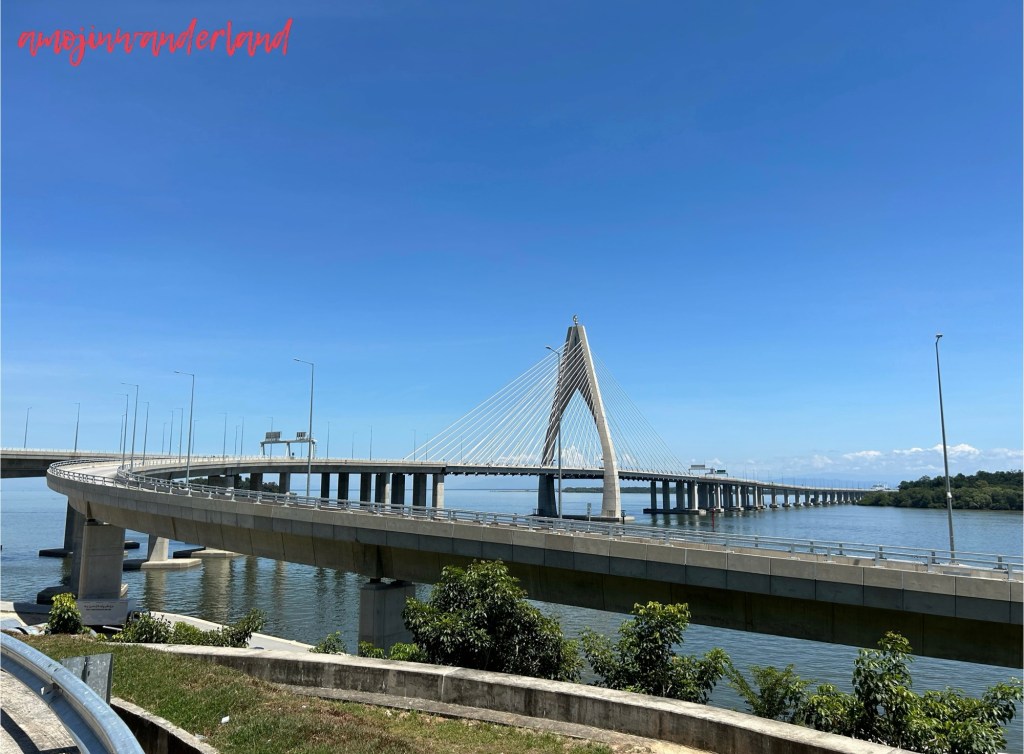
The 26.3-kilometer bridge linking Temburong District to Bandar Seri Begawan across Brunei Bay bears the name of the former Sultan, who is also the father of the current ruler.
Royal Regalia Museum

The Royal Regalia Museum pays homage to the Sultan and the opulent symbols of royalty. Its main gallery features a magnificent recreation of the Sultan’s coronation, showcasing the gilded carriage that paraded him through the capital, along with ceremonial armor crafted from gold and silver. It also exhibits a range of Royal Regalia spanning from the Sultan’s childhood to his coronation, including jewel-encrusted crowns, thrones, garments, and his revered silver Keris or dagger.
Istana Nurul Iman
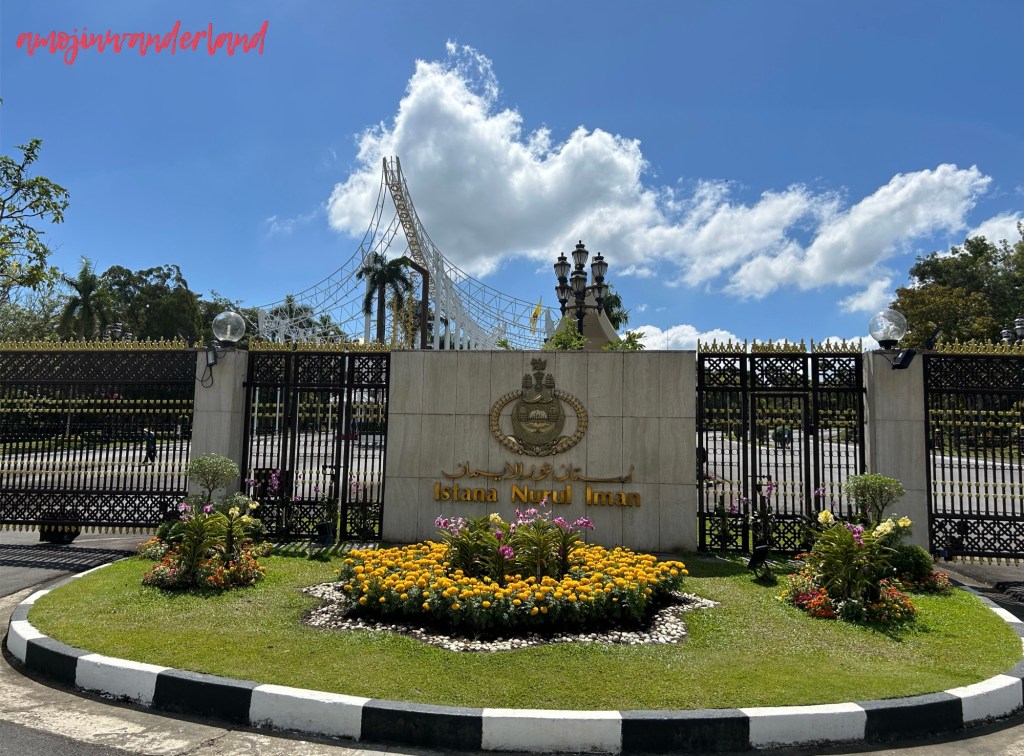
The name “Istana Nurul Iman” combines Malay “Istana” and Arabic “Nur-ul Imaan,” translating to “Palace of the Light of Faith.” Designed by Filipino Visayan architect Leandro V. Locsin, it incorporates golden domes and vaulted roofs, reflecting Brunei’s Islamic and Malay heritage. Serving as the Sultan’s official residence, it holds the distinction of being the world’s largest residential palace. Regrettably, access is limited to the public, only available during the three-day Hari Raya Aidil Fitri festivities at the conclusion of Ramadan. Consequently, visitors can only admire the palace gates during other times.
 Amoj In Wanderland