I thought Taal was primarily known for its famous volcano and lake. However, discovering that the town of Taal boasts numerous Spanish colonial-era ancestral houses, recognized as a heritage landmark by the National Historical Institute, was truly fascinating. Furthermore, it’s notable for being the birthplace of several Philippine national heroes. Surprisingly, the town is situated away from Taal Volcano and Taal Lake. Historically, it resided along the lake’s shores founded by the Augustinian missionaries in 1572 until the 1754 eruption necessitated its relocation to its current position on top of a hill overlooking the Balayan Bay.
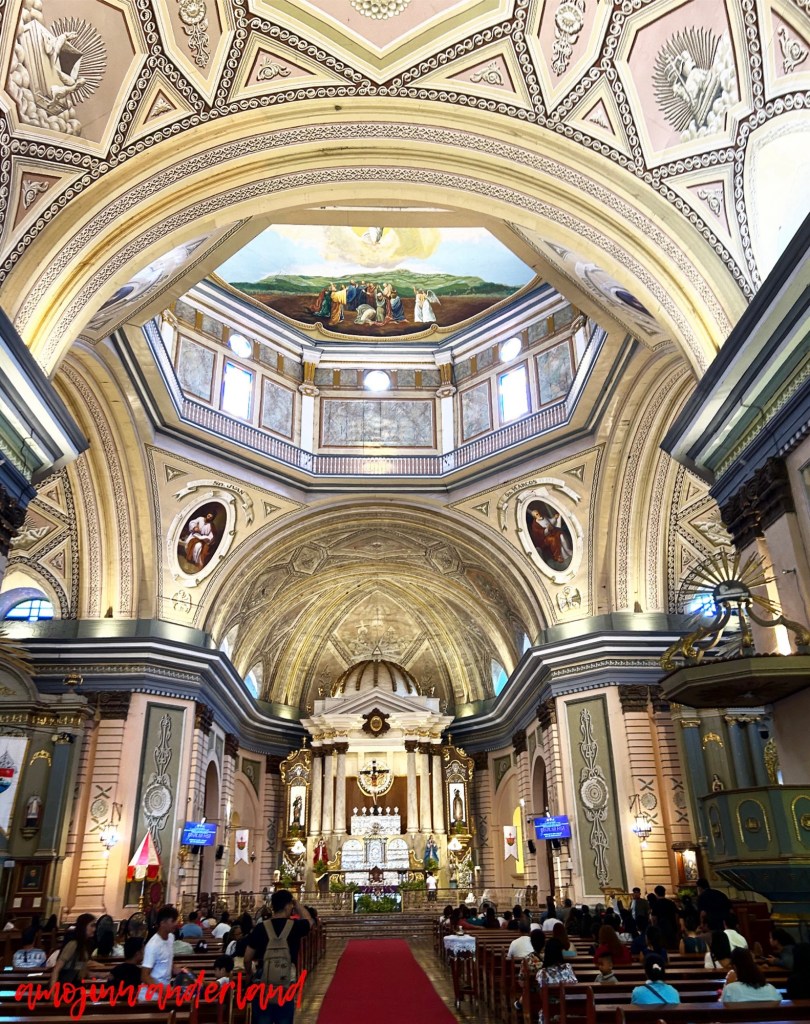
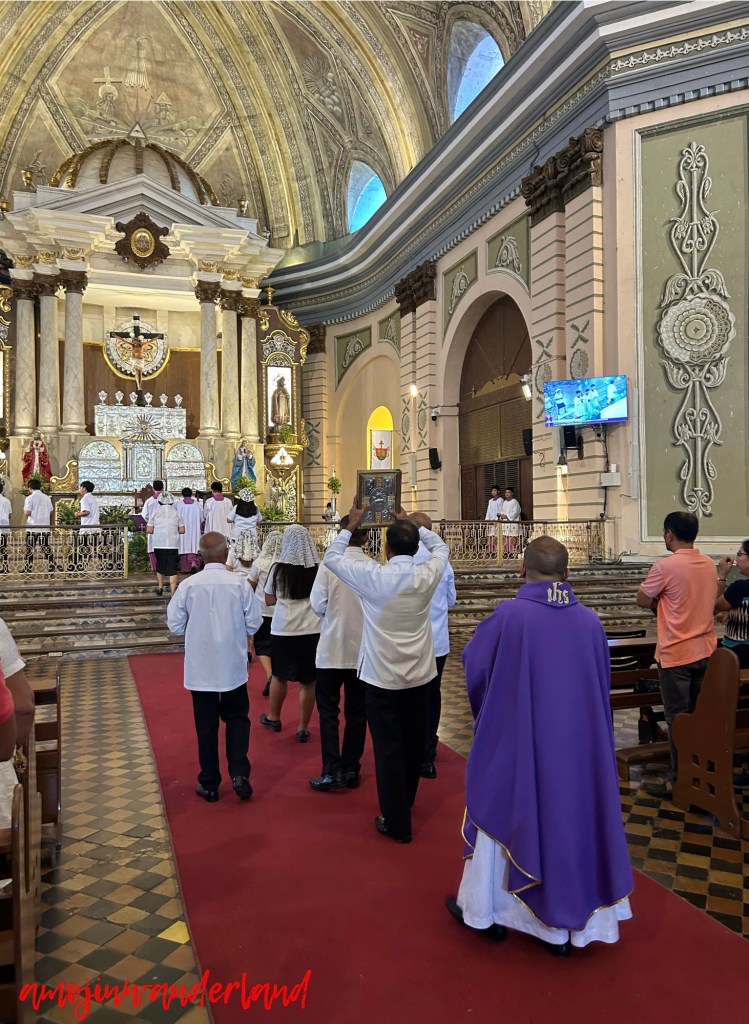
We visited Taal specifically to attend a mass at the Basilica de San Martin de Tours, commonly referred to as Taal Basilica, renowned as the largest church in Asia. Originally built in 1755, it succumbed to a devastating earthquake in 1852. However, the current structure was inaugurated in 1865 and finalized in 1878, featuring an impressive 79-foot altar. This colossal church spans 96 meters in length, 45 meters in width, and stands an impressive 96 meters tall.
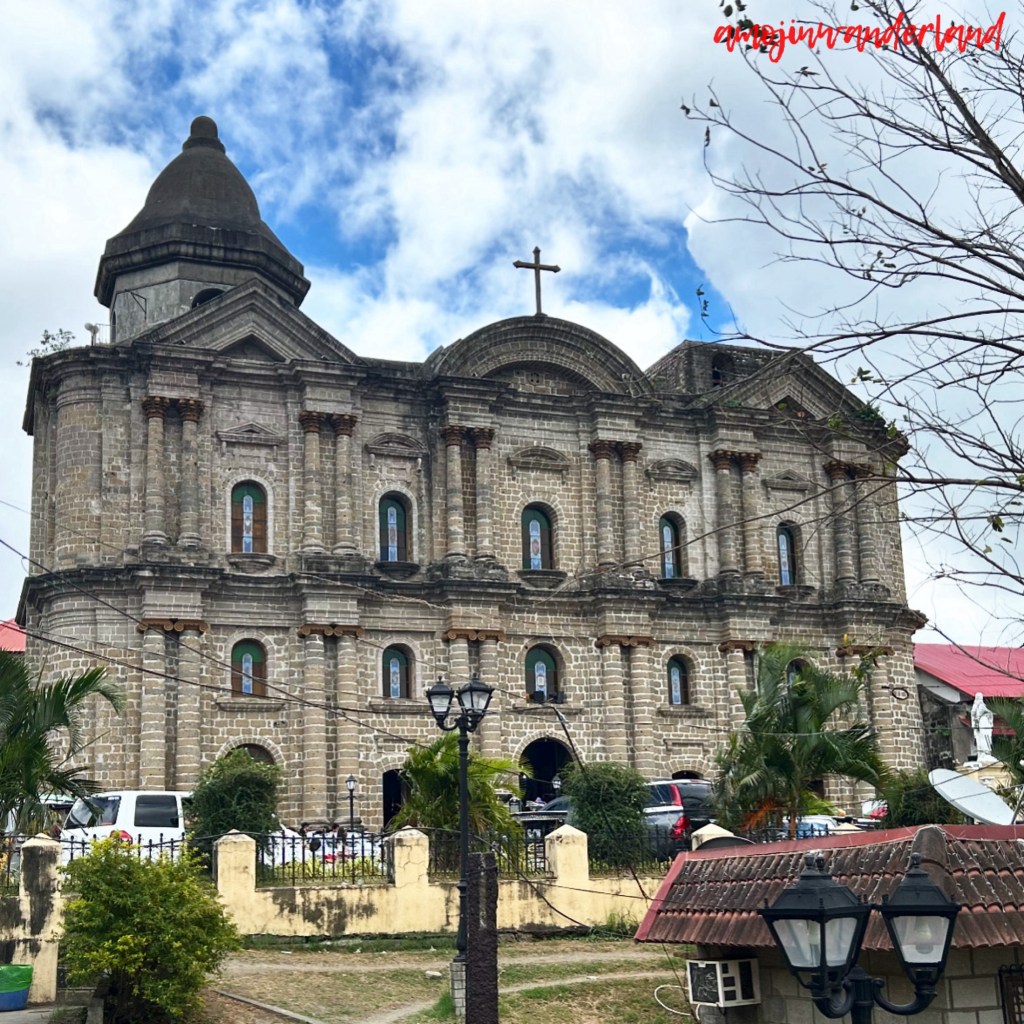
Crafted from coral stones and adobe, this grand Baroque edifice showcases a striking facade adorned with 24 classical columns arranged in pairs, forming two rows of six columns each. Accentuating its grandeur, the facade boasts 10 windows and 5 doors. Crowned with triangular roofs and gables on each side, along with a central gable, the structure stands as a remarkable sight. Adjacent to the left side, the imposing bell tower rises, adding to the magnificence of the ensemble.
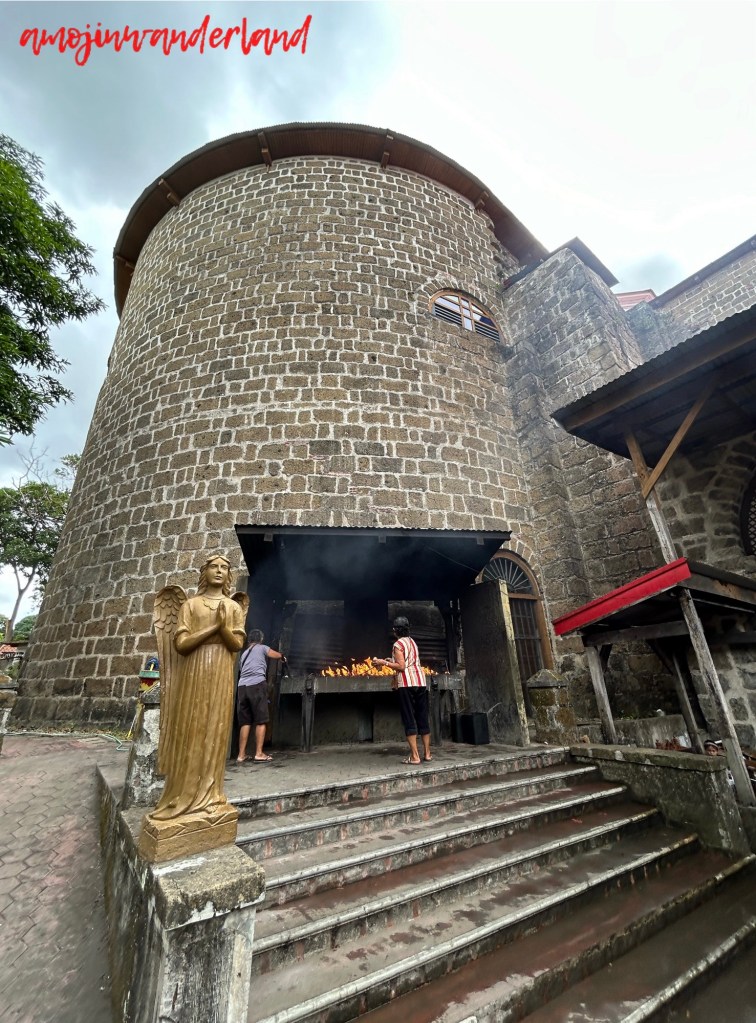
The church was designated as one of the Philippines’ National Shrines in 1974.
 Amoj In Wanderland