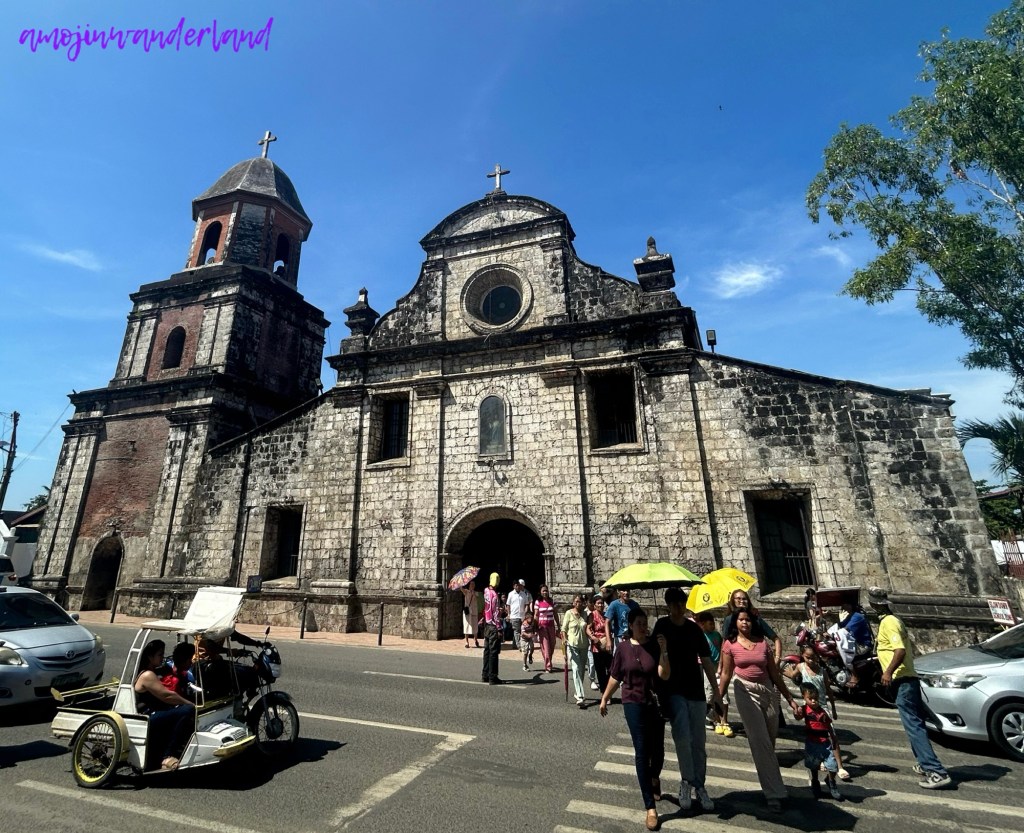
We traveled to the St. Mary Magdalene Parish Church in Hinigaran, Negros Occidental, to attend the Sunday Mass. This historic church was originally established in 1848. Spanish missionaries arrived in the area at that time, notably Augustinian priest Father Jose Maria Pavon. Father Pavon started his work by building a makeshift church. He used nipa, a local palm that grows abundantly in the swampy areas surrounding Hinigaran.

Over the years, as the community grew, so did the need for a more durable and permanent structure. In 1854, Father Jose Maria Martinez took over the parish. Father Francisco Ayarra joined him in 1868. Together, they worked alongside the people of Hinigaran to build a more solid church.
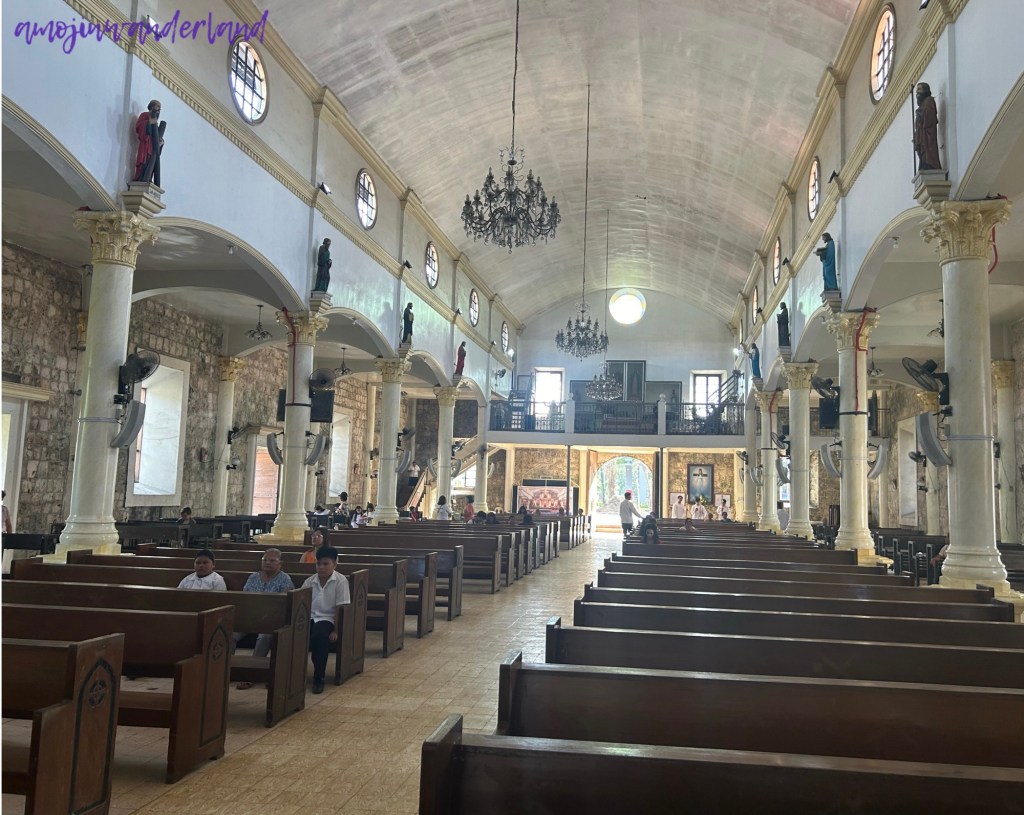
The church was constructed in a semi-Baroque architectural style. Its facade and walls were crafted from a mix of stone, coral, and brick. Some of the materials were sourced from the nearby island of Guimaras. The columns support the structure. They were brought in from nearby areas like Paticui. Some came from as far as Palawan. These materials were then transported to a location now known as Quincihan.
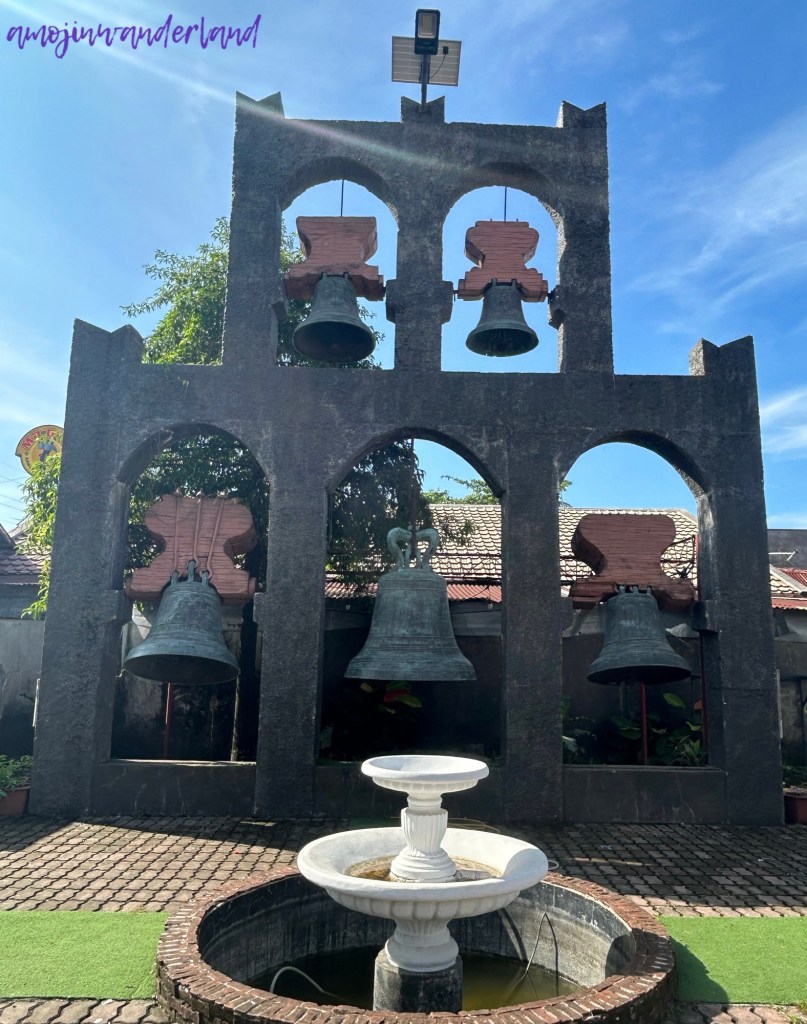
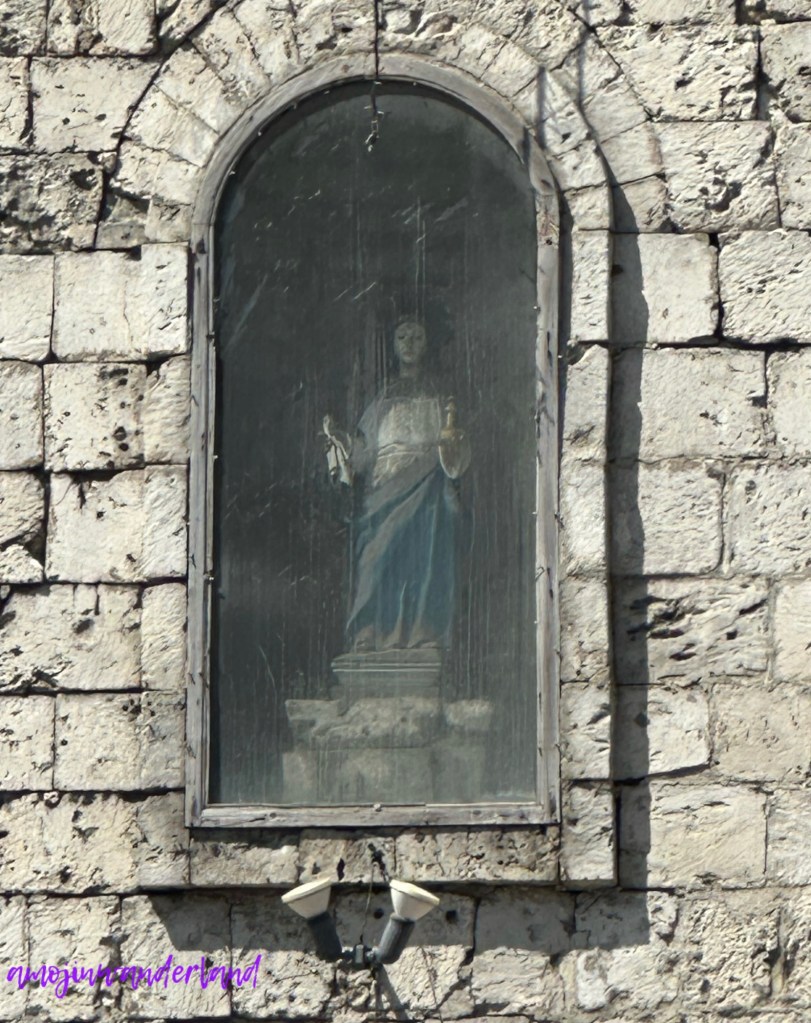
Above the main entrance of the church is an antique image of St. Mary Magdalene, which the early missionaries brought from Spain. In front of the church convent, five large historic bells are on show. Each bell dates back to the 19th century, specifically to 1867, 1871, 1876, and 1878. These bells were once housed in the church’s belfry.
 Amoj In Wanderland