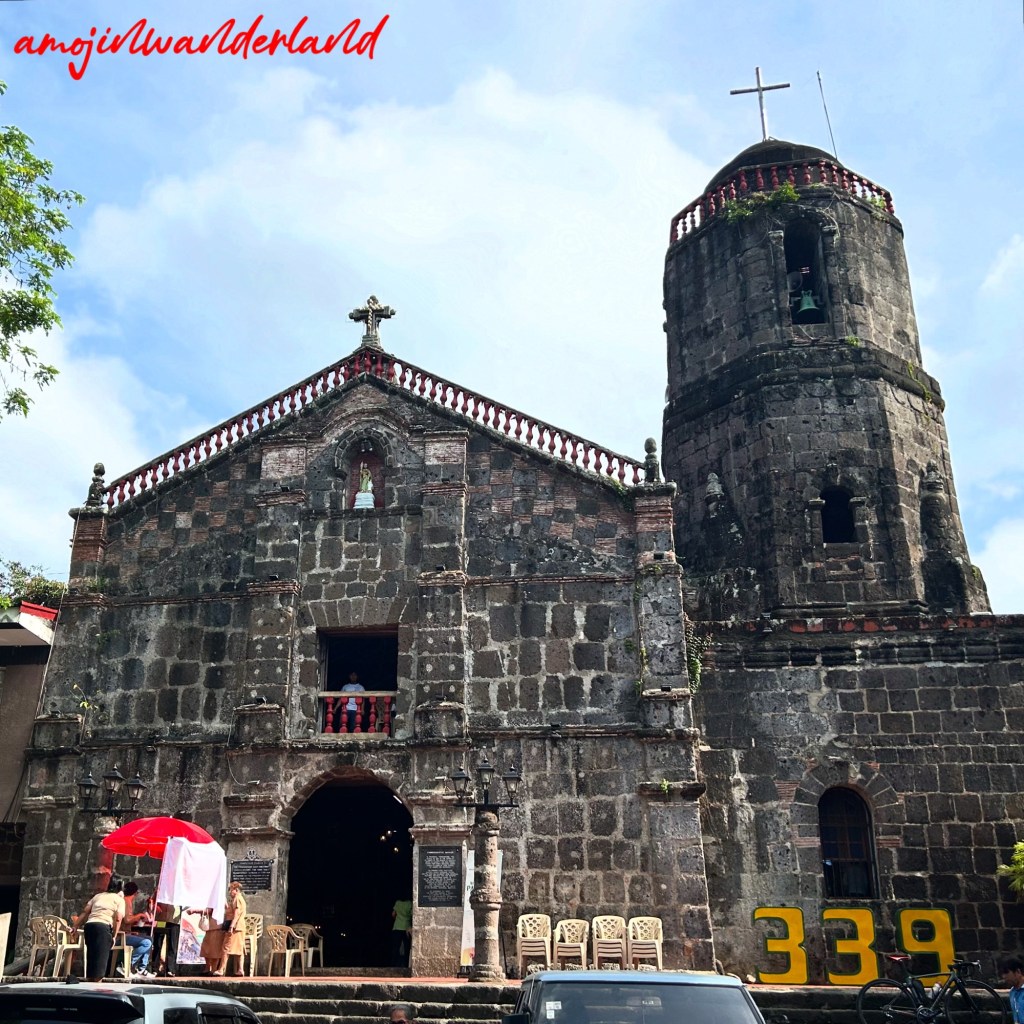
Nestled in the heart of Baras, Rizal, Baras Church, formally known as the Diocesan Shrine and Parish of Saint Joseph, stands as one of the oldest churches in the province. The church’s story dates back to 1595, when Franciscan missionaries established the first church and parish at the town’s original location in what is now Boso-Boso, Antipolo. Dedicated initially to St. James the Apostle, the early church was destroyed in 1635 by Aeta inhabitants, prompting a relocation the following year to Ibayo, about 7.24 kilometers southeast. There, a new church dedicated to Christ the Savior was built, but in 1639, it too was burned down during a Chinese uprising, alongside other churches in neighboring towns.
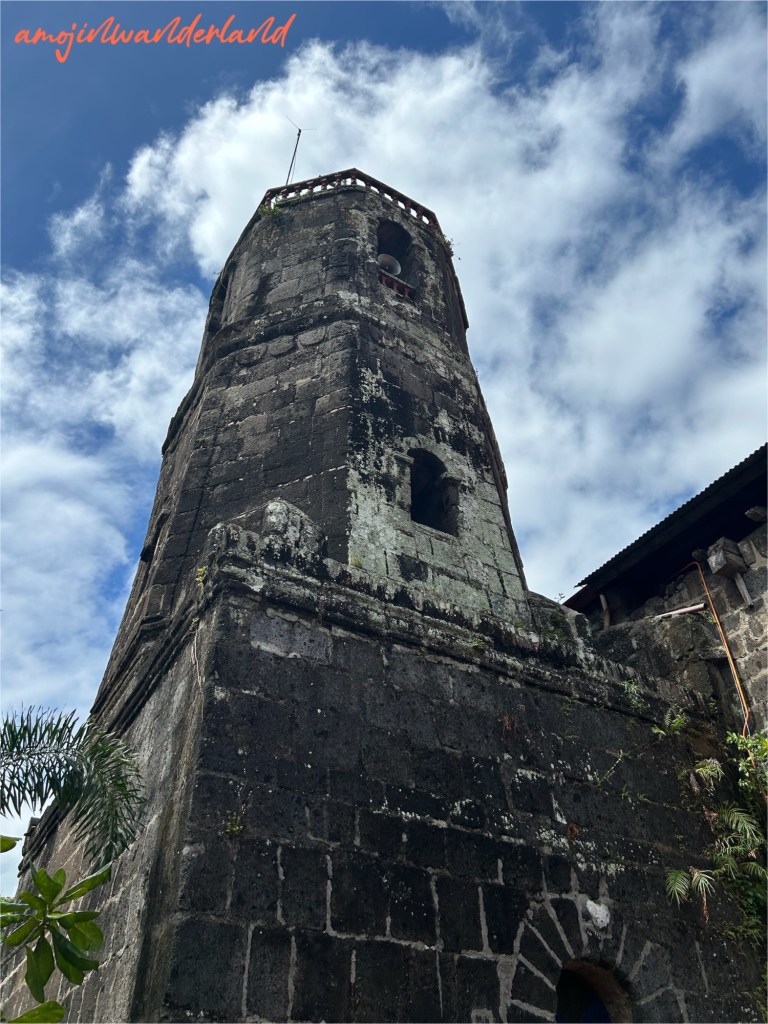
In 1682, the town and its parish were transferred to their present site, and construction of the current church began that same year. By 1686, the church was completed and dedicated to Saint Joseph, who remains the town’s patron saint. Over the centuries, despite natural disasters, socio-political upheavals, and aging, the church has remained standing—a quiet yet powerful witness to centuries of devotion and perseverance.
Baras Church was built in a mixture of fortress-style and barn-style Baroque architecture, a style typical of Franciscan mission churches during the Spanish colonial era. It is particularly notable for its dark, austere, and minimalist appearance, reflecting the Franciscans’ ideals of simplicity and poverty. The façade is unembellished yet visually compelling, with a triangular pediment outlined by a stream of balustrade and topped with a chequerboard pattern of brick and stone—a feature that hints at an addition to the original and lower stone pediment.
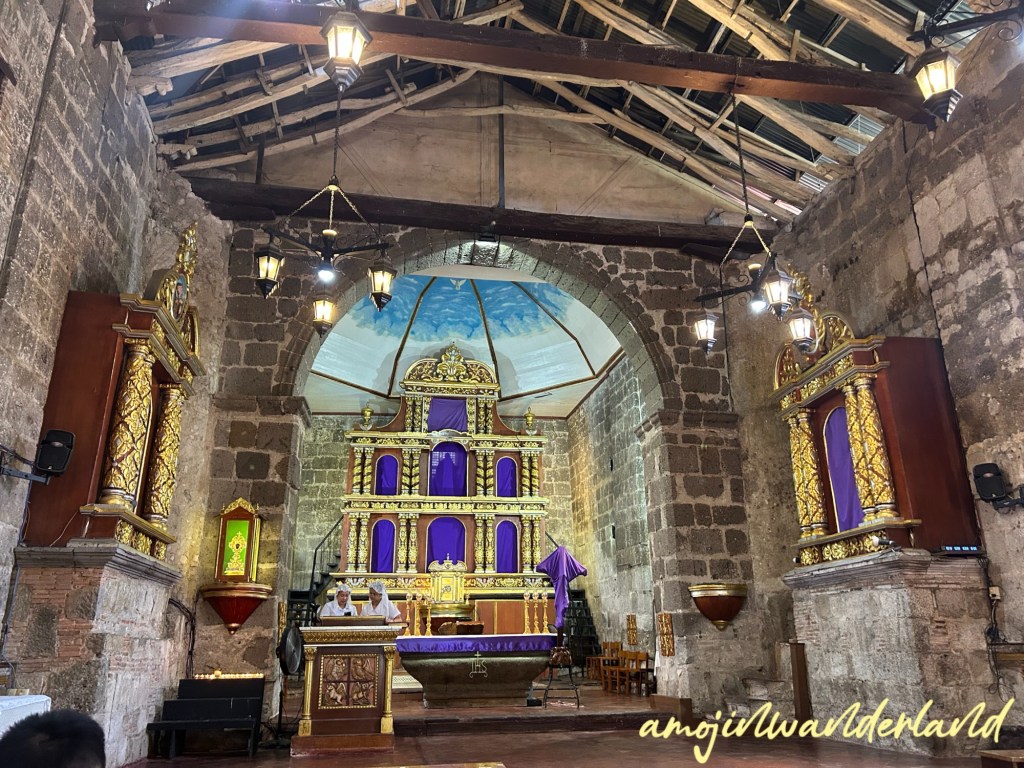
Inside, the church reveals its true character. Unlike many other churches, Baras Church has no ceiling, instead exposing the wooden trusses that support the roof. The interior walls are unplastered, leaving the adobe bricks—the very bones of the structure—clearly visible. These raw, earthy details contribute to the church’s solemn and timeless atmosphere, making it a rare and authentic example of early ecclesiastical architecture in the country.
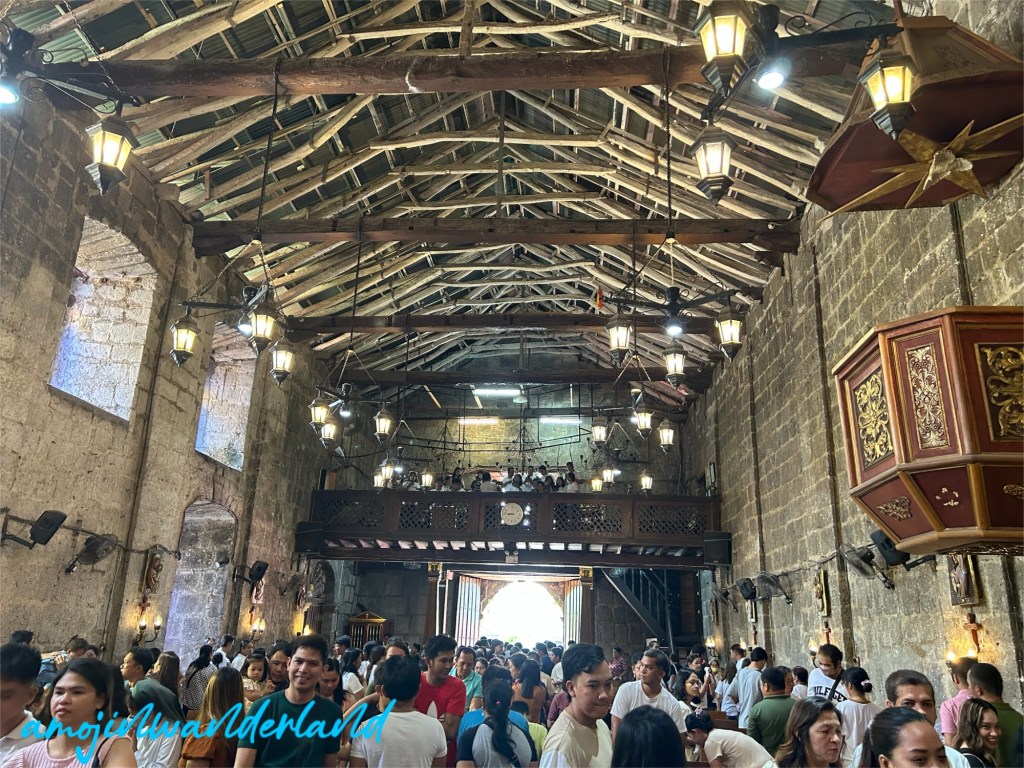
On December 7, 2021, the church achieved a new milestone: in line with the 500 years of Christianity in the Philippines, the culmination of the Year of St. Joseph, and the 100th anniversary of Baras’ civil independence, the Diocese of Antipolo officially elevated the church to the status of Diocesan Shrine.
 Amoj In Wanderland