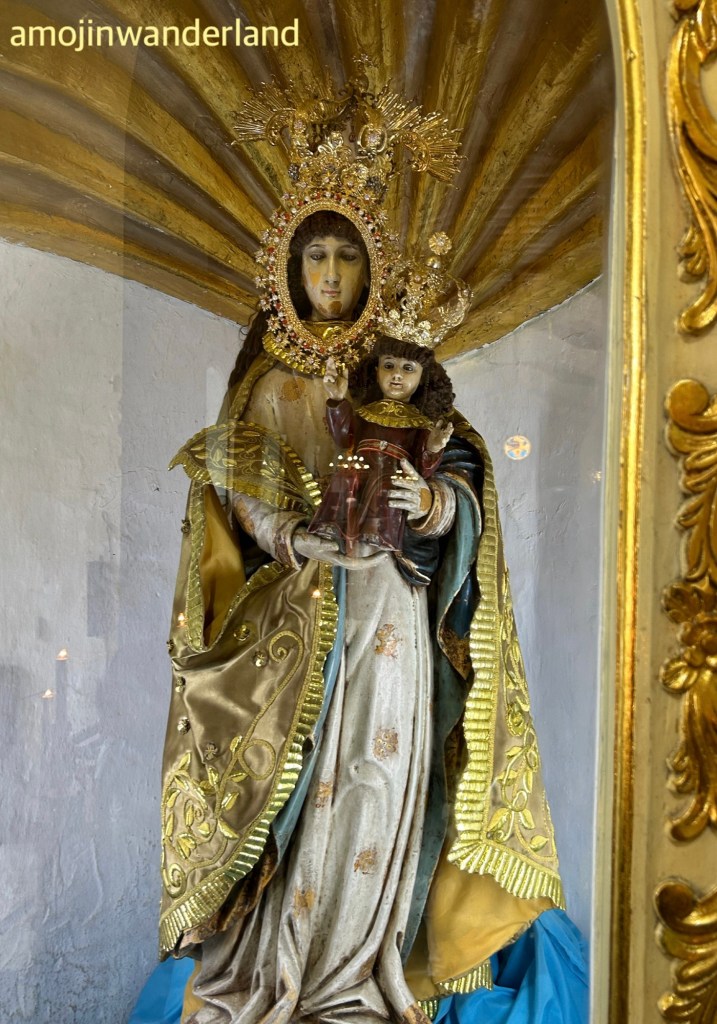
Along the northern coast of Ilocos Norte lies the quiet town of Badoc, home to the Minor Basilica of St. John the Baptist and the centuries-old image of La Virgen Milagrosa de Badoc. I had the chance to visit the church as part of our Visita Iglesia.
According to tradition, the statue of the Blessed Virgin Mary, known today as La Virgen Milagrosa, originally came from Nagasaki, Japan, during a time of Christian persecution under the Tokugawa Bakufu in the early 1600s. In 1614, when the Japanese government ordered the destruction of churches and religious icons, Christian communities in hiding sent some of their sacred images to sea in wooden boxes, hoping they would be spared and eventually find refuge elsewhere. Among these was the image of the Virgin Mary and another of the Black Nazarene. These statues are believed to be among only three that survived the destruction.
In 1620, two wooden boxes were found floating off the coast of Paguetpet, between the towns of Sinait, Ilocos Sur and Badoc, Ilocos Norte. When local fishermen opened them, they discovered the statue of the Black Cristo Milagroso in one and the Virgin Mary holding the Infant Jesus—accompanied by two angels and a violin—in the other. Both towns wished to keep the images, but the statues seemingly “chose” their destinations: the Christ image could not be moved by the Badoc fishermen, and the Virgin’s statue remained immovable for those from Sinait. As a result, the image of Christ stayed in Sinait, while the Virgin was brought to Badoc.
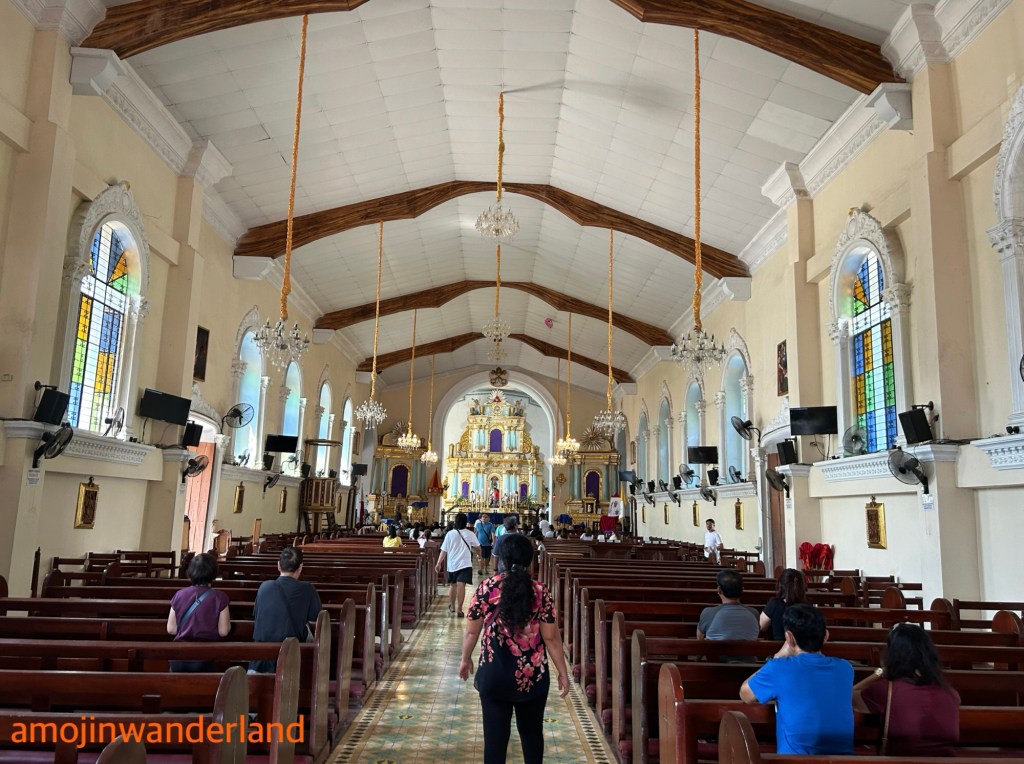
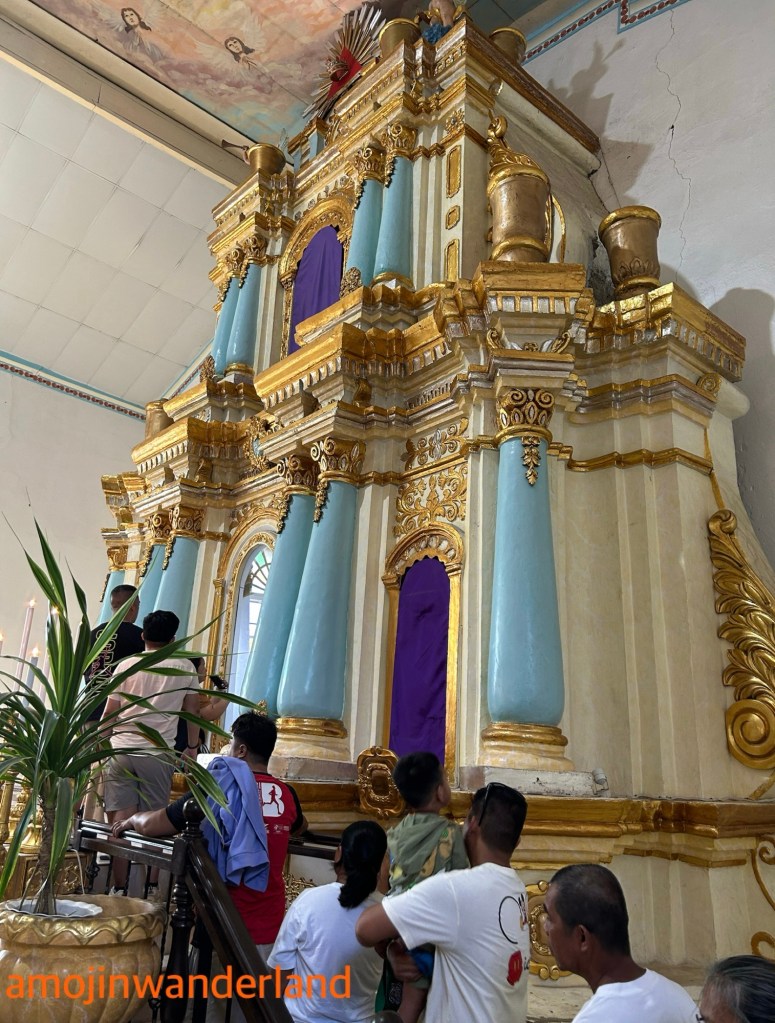
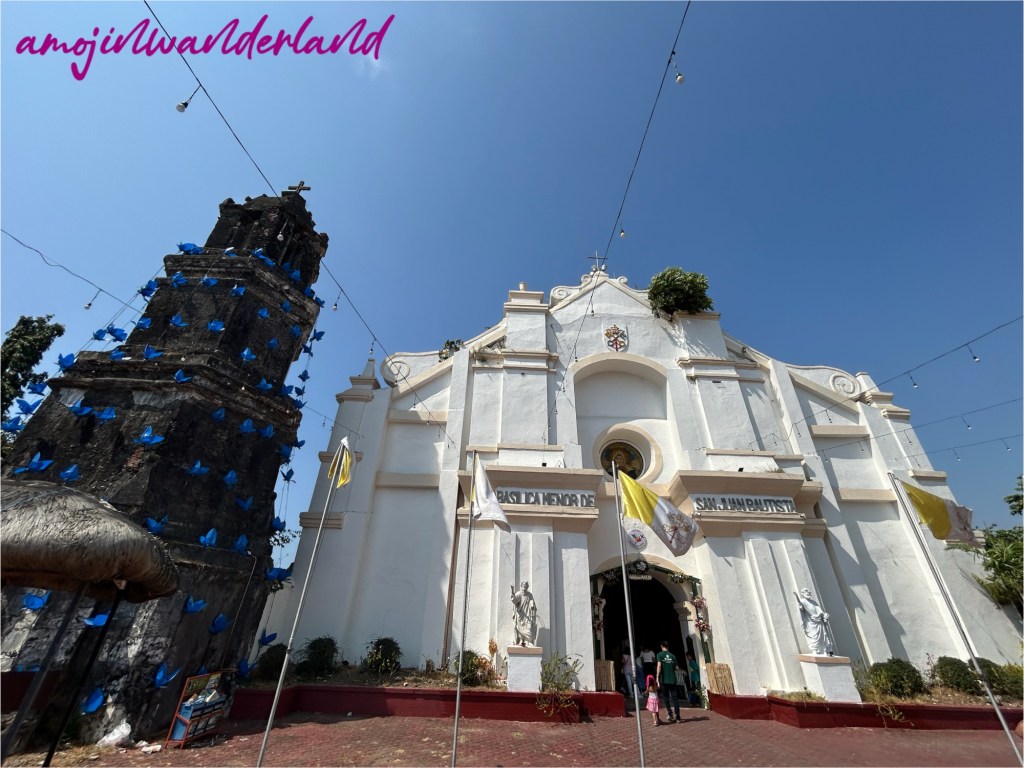
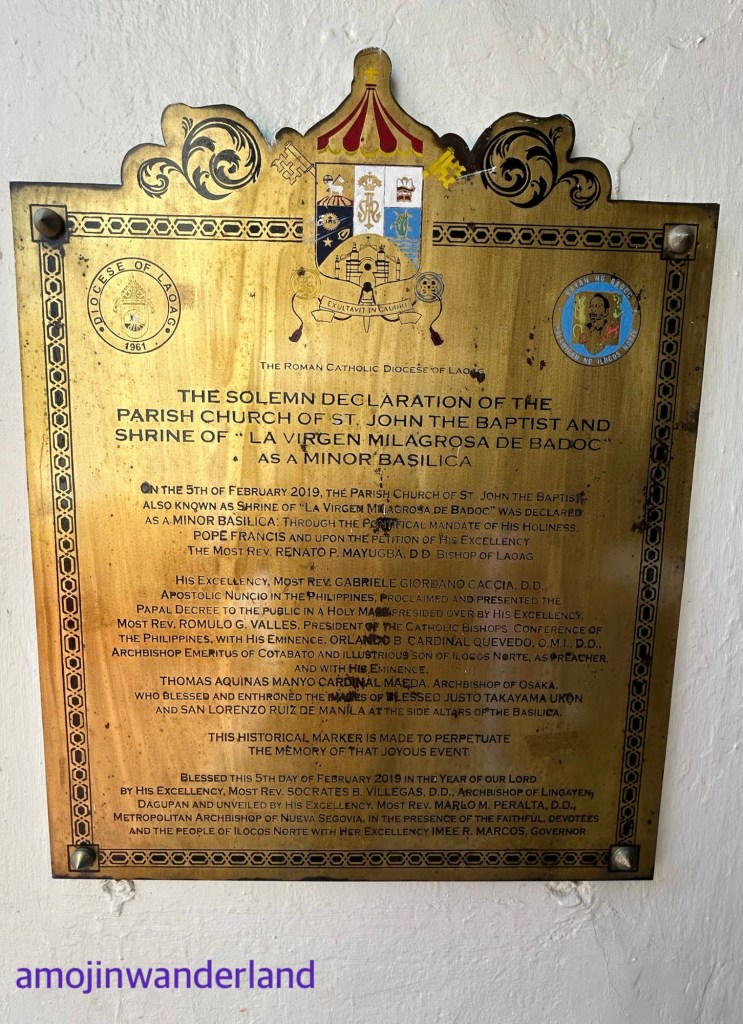
The church, which became an independent parish in 1714, was later recognized for its cultural and religious importance. It is one of eleven Baroque Filipino-Hispanic churches in Ilocos Norte, known for its solid buttress walls built to protect against earthquakes and a bell tower beside the entrance. The architecture, though simple, reflects the typical resilience and beauty of colonial-era churches in the region. On December 16, 2018, Pope Francis elevated the church to the status of minor basilica, and on May 31, 2018, the statue of La Virgen Milagrosa was canonically crowned, a recognition of the long-standing devotion to her.
 Amoj In Wanderland