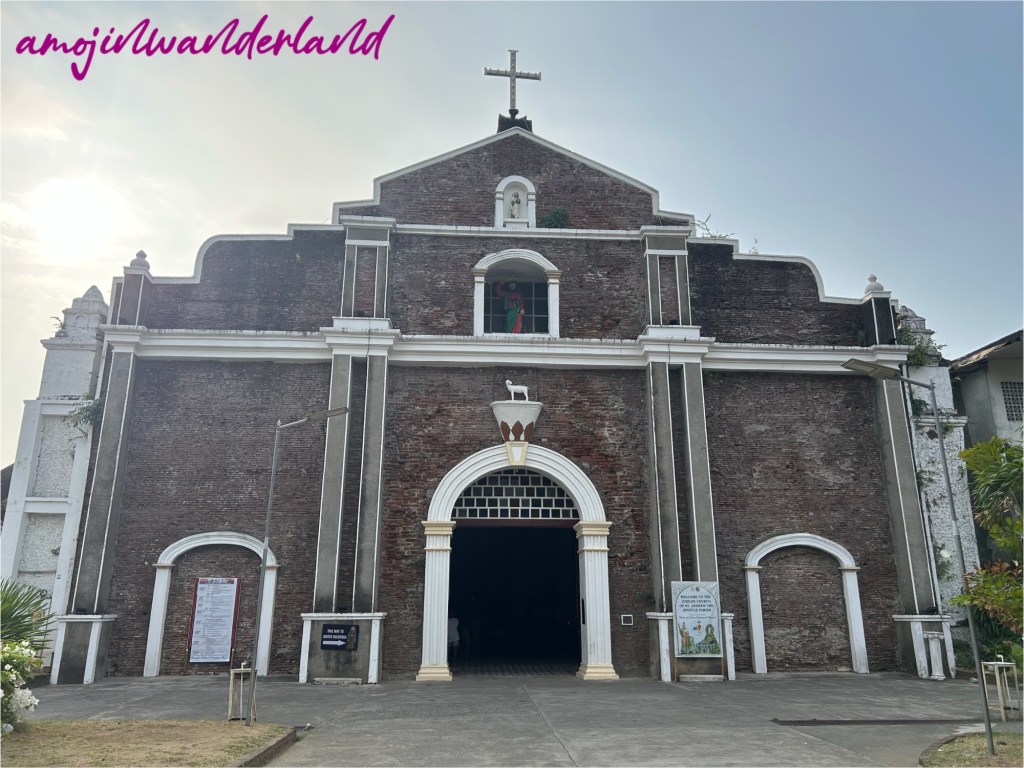
The Church of St. Andrew the Apostle, more commonly known as Bacarra Church, was founded in 1593 by Augustinian friars. It is considered one of the most significant Spanish-era churches in the Philippines. The town of Bacarra itself was established earlier, on September 18, 1590, by the Augustinians as a mission center for the Apayaos. The land was originally owned by local chieftains named Castillo and Andres Hermosa, and the church was built on the site where an Igorot chieftain named Bacsalandoc had once established his settlement.
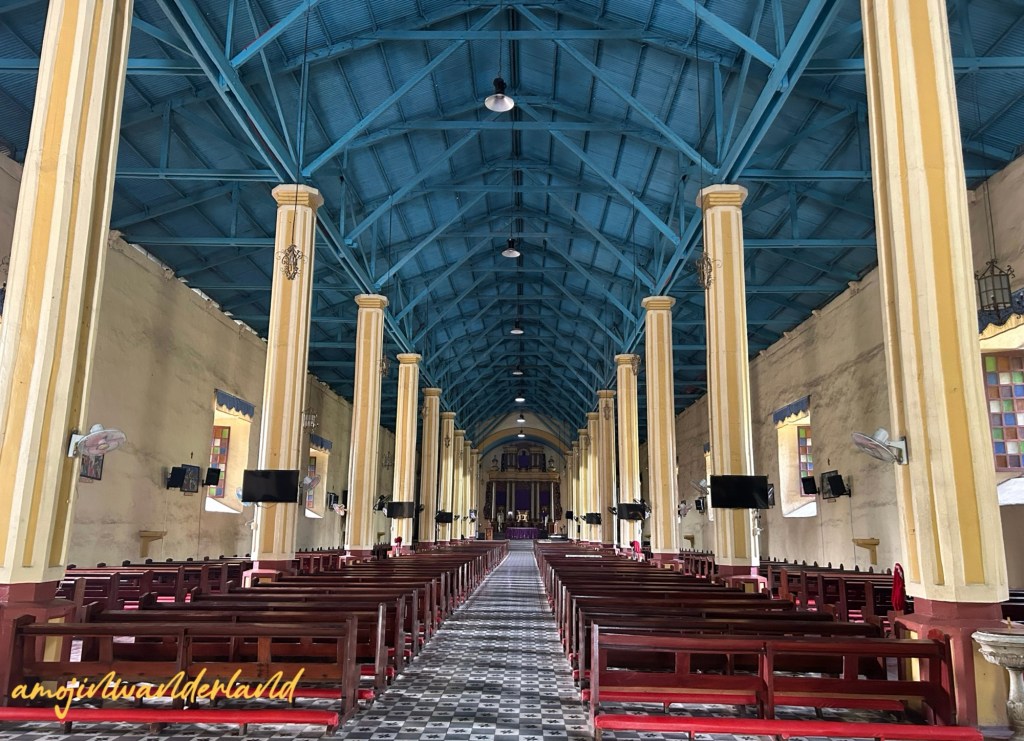
Initially a visita of Laoag in 1603, Bacarra became an independent parish in 1614. The present church structure was completed and inaugurated by the Augustinians in 1782. Over the years, it has become a symbol of heritage and faith for the local community.
Bacarra Church has earned official recognition as a National Historical Landmark by the National Historical Commission of the Philippines and was also declared a National Cultural Treasure by the National Museum of the Philippines. It was formally included under this designation through Presidential Decree No. 260 in 1973.
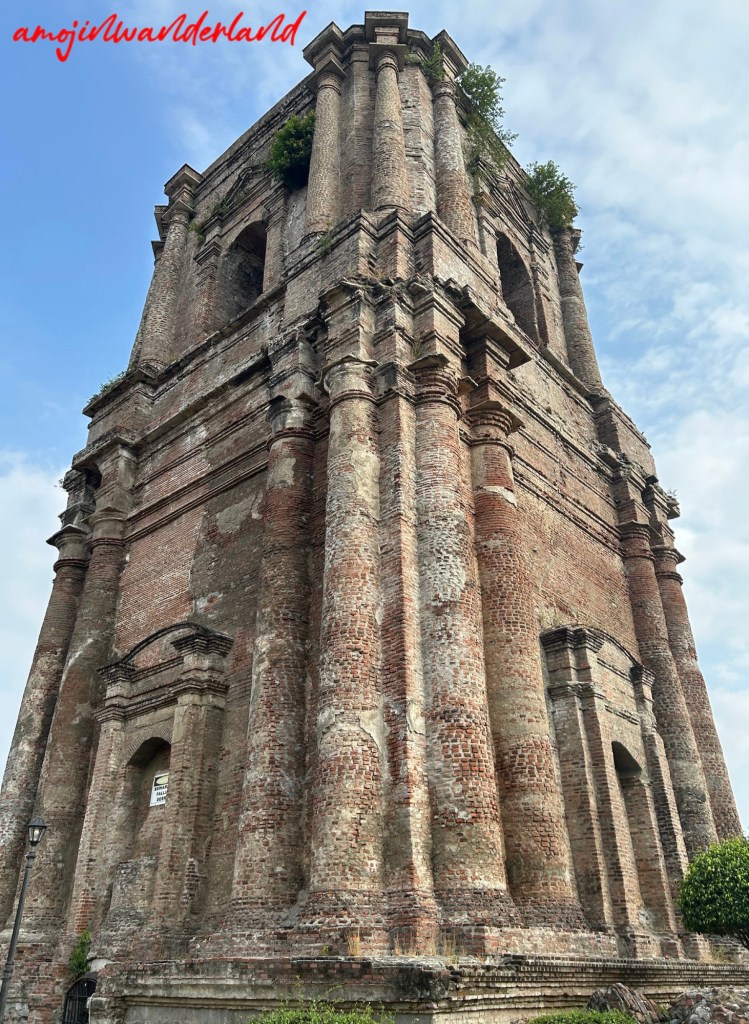
One of its most prominent and recognizable features is its centuries-old, domeless or “beheaded” bell tower, known as the Torre ti Bacarra. Also nicknamed the “Acrobatic Bell Tower of Bacarra”, the three-story tower stands about 50 meters (160 feet) tall and is made of coral bricks. Erected in 1828, it was originally topped with a dome. However, repeated earthquakes between 1931 and 1971 caused the dome to lean, and the 1983 Luzon earthquake eventually caused it to collapse entirely. The leaning structure became an iconic image of the church.
Restoration of the church was completed in 1984, preserving its structural integrity while maintaining its original character. In 2018, the National Historical Commission of the Philippines announced further restoration efforts on the bell tower. The fully restored Torre ti Bacarra was officially turned over to the Diocese of Laoag in November 2020.
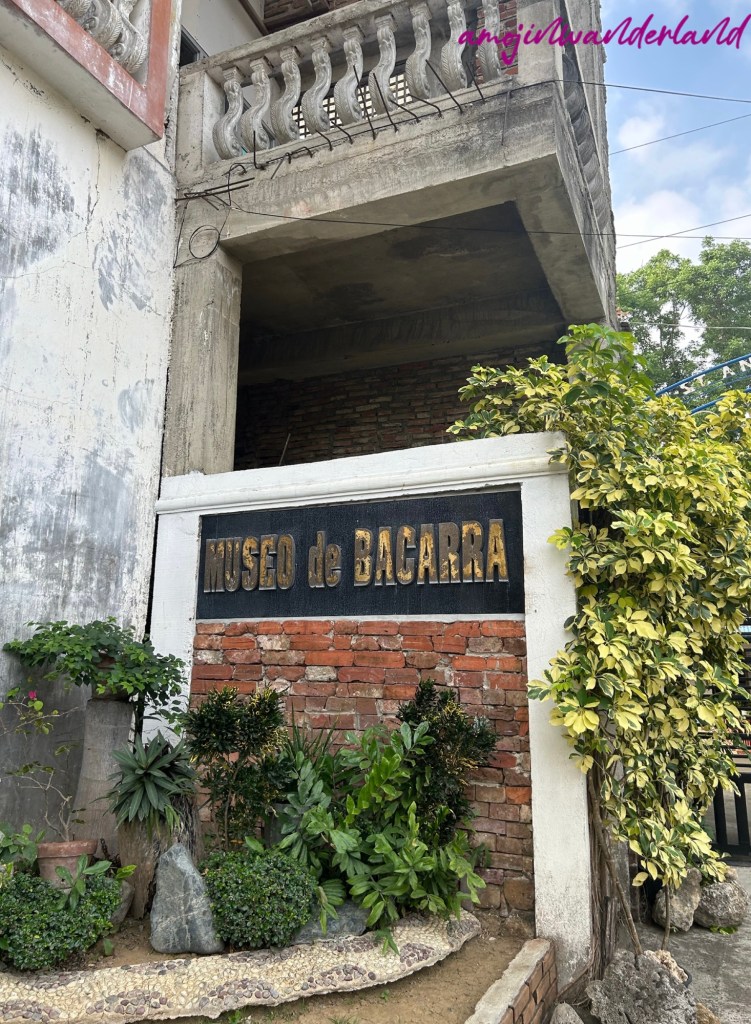
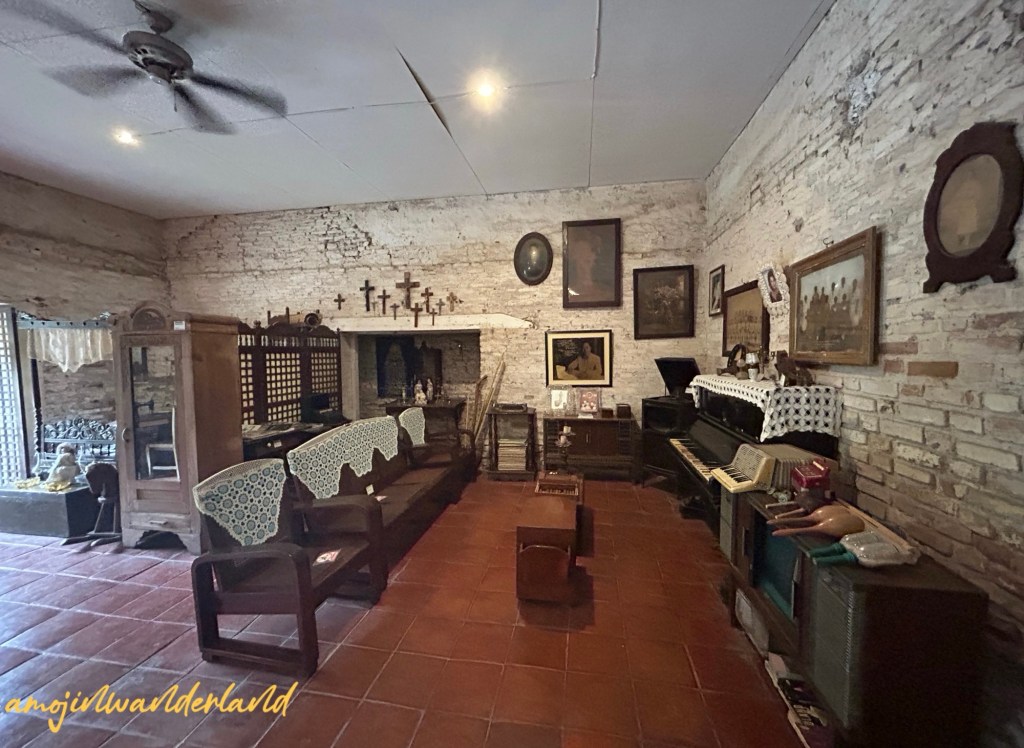
Next to the church is the Museo de Bacarra, housed in the restored two-story former convent dating back to the Spanish colonial period. The museum features a collection of religious artifacts, archival photographs, church relics, and cultural items contributed by the people of Bacarra.
 Amoj In Wanderland