While exploring Laoag City in Ilocos Norte, I visited a lesser-known but historically meaningful site—the Abolition of Tobacco Monopoly Monument. Tucked along A. Bonifacio Street at the foot of Marcos Bridge, this modest obelisk built of clay and brick stands quietly as a reminder of a century-long struggle that deeply affected the lives of Ilocano farmers.
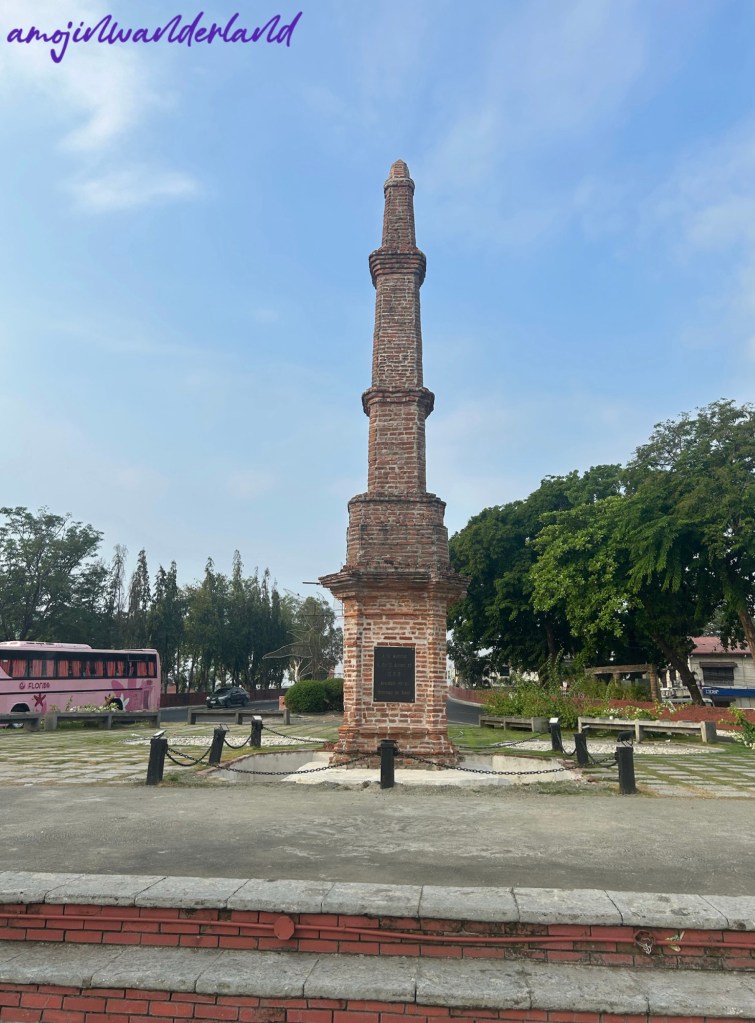
The monument was erected in 1882 by then alcalde mayor (provincial governor) Don Jose Moreno Lacalle. It was built as a gesture of thanksgiving to King Alfonso XII of Spain, who abolished the tobacco monopoly that had burdened many communities in northern Luzon since the late 1700s.
The Spanish tobacco monopoly, enforced from 1782 to 1882, required farmers in the Ilocos Region, Cagayan Valley, and other northern provinces to cultivate tobacco exclusively for the colonial government. They were not allowed to sell, keep, or even smoke their own produce. Agents from the government were given broad authority to inspect, search, and even ransack homes for hidden tobacco leaves. Farmers lived in fear of these agents, and violations—whether real or accused—were met with severe punishment.
Historical records reveal that Laoag was among the centers of opposition to the monopoly. In 1788, just a few years after the system began, it was reported that around a thousand locals rose up in protest. The tensions were serious, and according to accounts, major hostilities were narrowly avoided through the intervention of a trusted bishop.
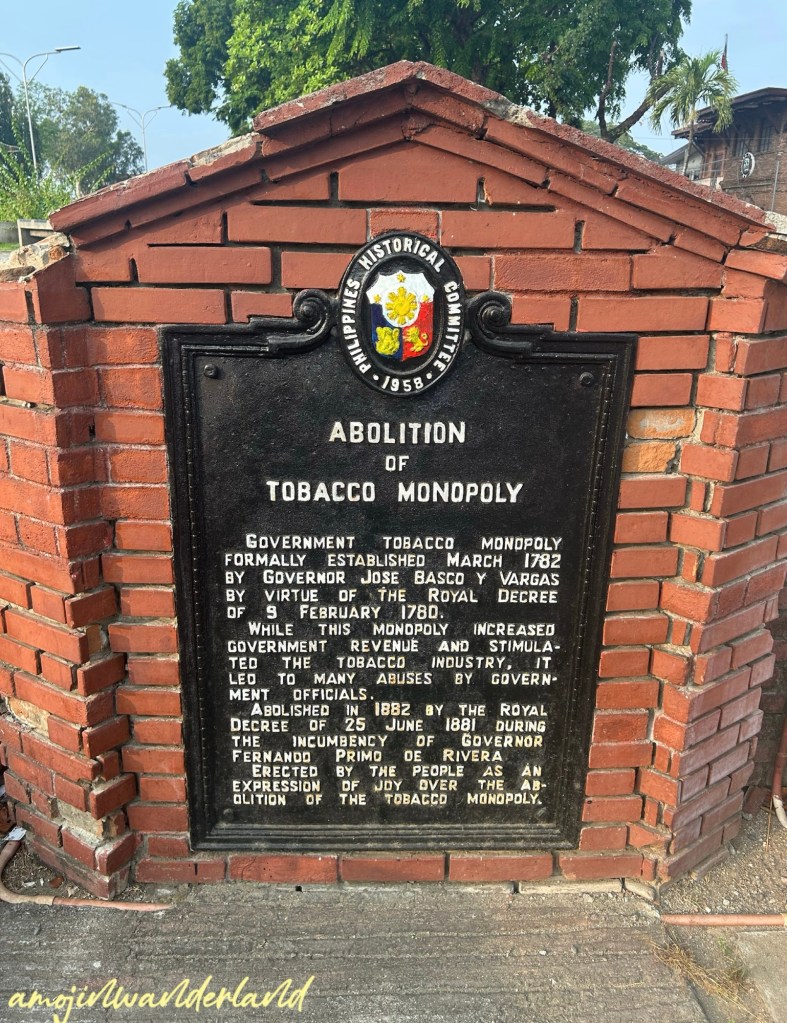
The monopoly had its benefits for the colonial government—it was a major source of revenue—but it came at great cost to the farmers and local communities. Over time, Spanish missionaries, who were often vocal in defending the rights of native Filipinos, began to speak out against the abuses committed by monopoly agents. They brought these concerns to the attention of the Spanish Crown.
After careful and unbiased consideration of the reports, King Alfonso XII issued a decree on June 25, 1881, formally ending the monopoly. Though the decision meant a substantial loss of income for the government, the lifting of the monopoly took effect in 1882, exactly 100 years after its establishment.
 Amoj In Wanderland