In the town of Batac, Ilocos Norte, a statue in priestly robe stands tall in front of an Aglipayan Church. This statue is of Gregorio Aglipay, a man whose life and legacy are etched not only in bronze but in the very history of Filipino identity and religious independence.
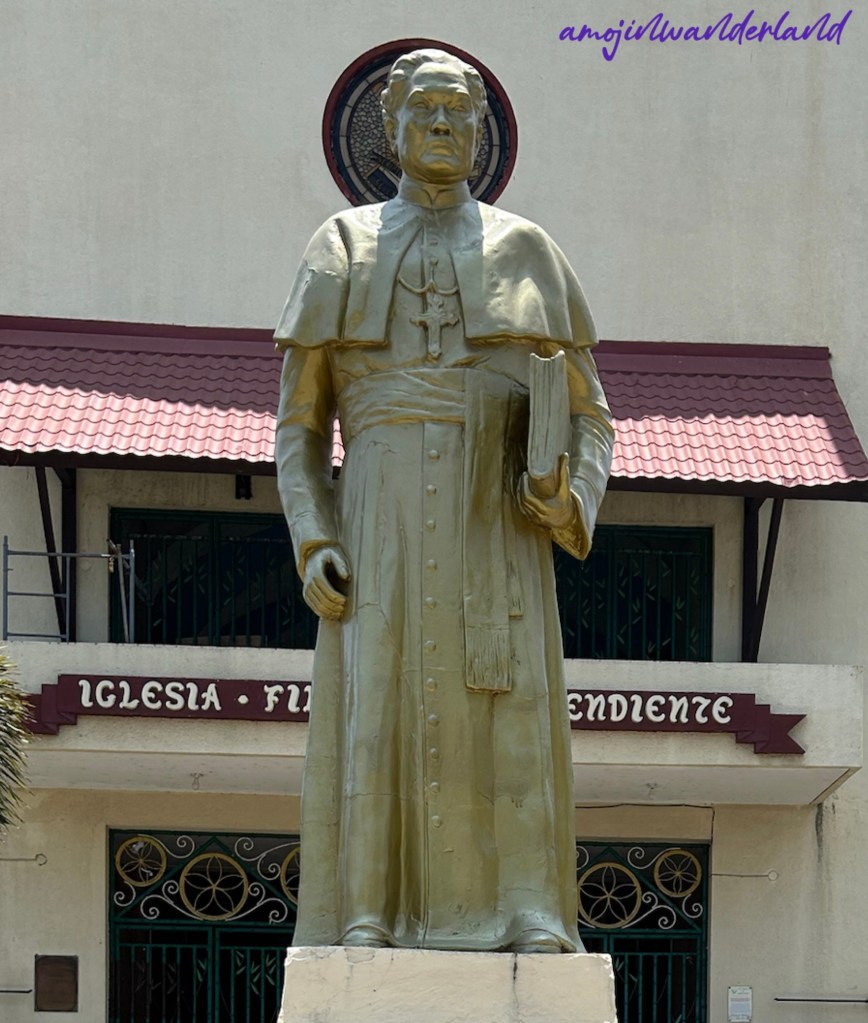
Gregorio Aglipay was born in 1860 in Batac, and it is here where his journey began, ultimately leading to the establishment of a national church that would challenge colonial religious dominance. Originally a Roman Catholic priest, Aglipay became known not only for his religious calling but also for his nationalist ideals. He was appointed by Emilio Aguinaldo as Military Vicar General during the Philippine Revolution, serving as a voice for Filipino clergy who had long suffered under Spanish control.
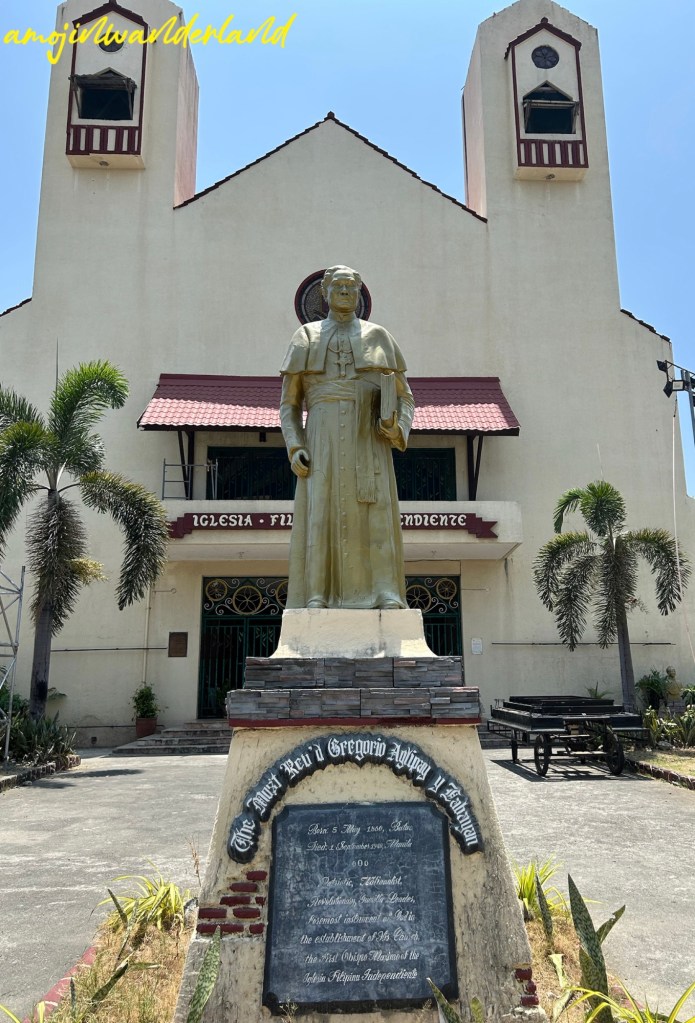
The church behind the statue—an Aglipayan Church or more formally, the Iglesia Filipina Independiente (IFI)—is part of the religious movement Aglipay founded in 1902. Together with labor leader Isabelo de los Reyes, Aglipay led the creation of this independent church as both a spiritual and political act. It aimed to break away from the control of the Roman Catholic Church, which was then heavily influenced by the Spanish clergy.
 Amoj In Wanderland