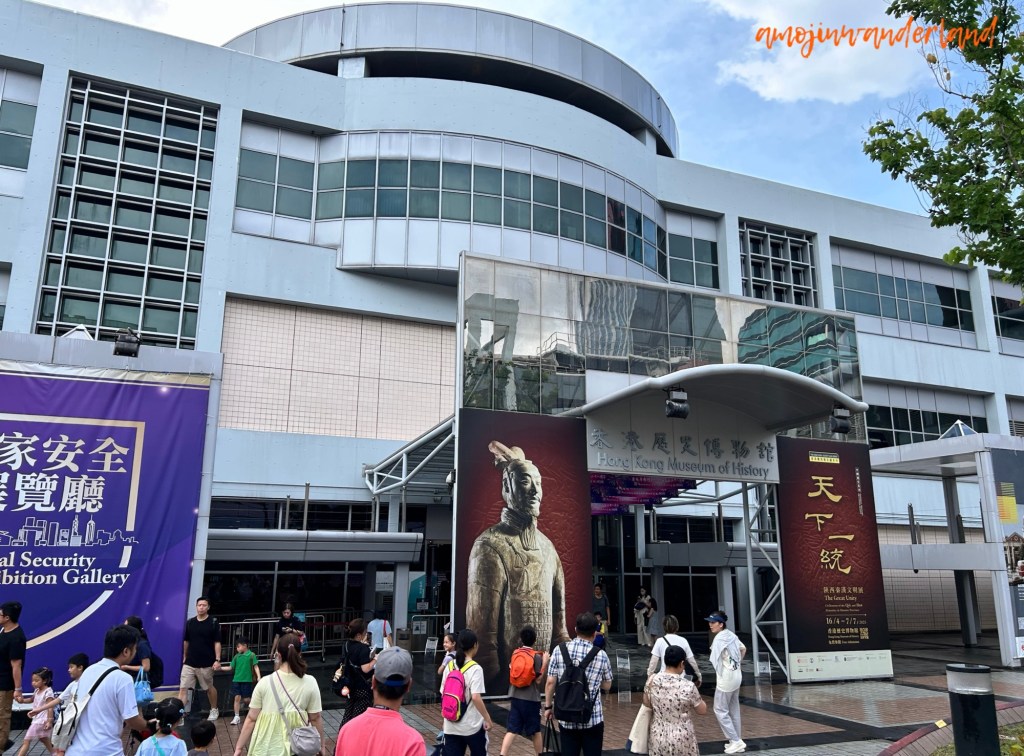
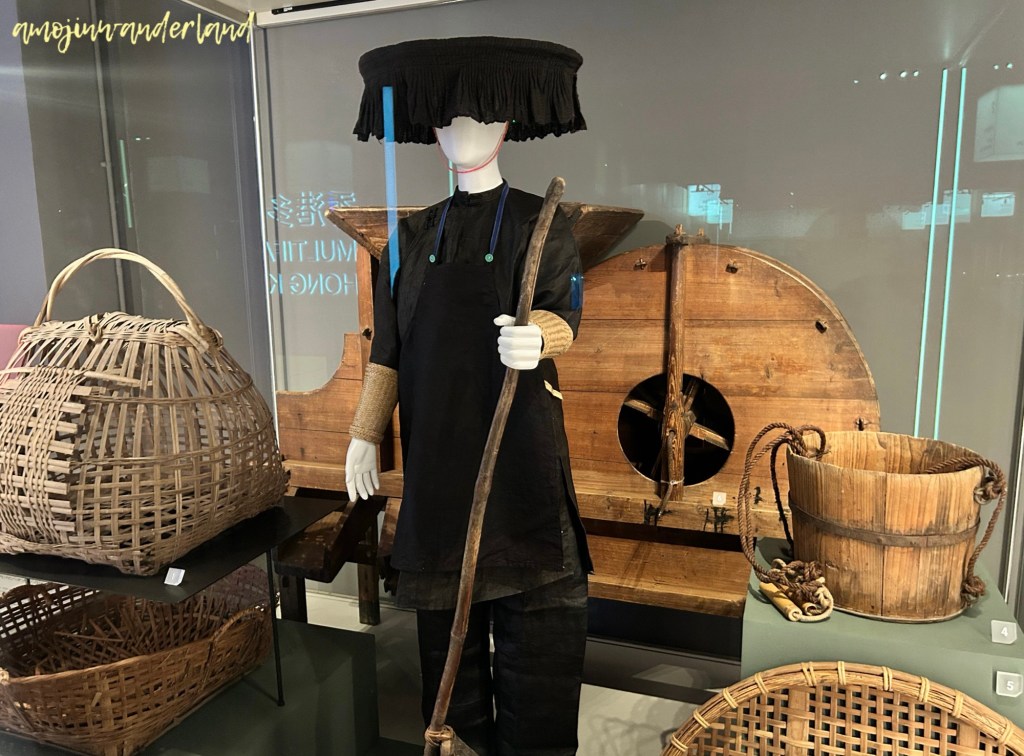
Located in Tsim Sha Tsui, the Hong Kong Museum of History has long been a key destination for learning about the city’s unique past. For years, its signature exhibition, The Hong Kong Story, offered visitors a detailed walkthrough of Hong Kong’s transformation from a fishing village to an international city. Immersive displays, such as a life-size fishing boat and a recreated 19th-century street, made it one of the most popular cultural attractions in Hong Kong. However, in recent years, the museum has been shifting its focus, emphasizing Hong Kong’s role within the larger context of Chinese history and heritage.
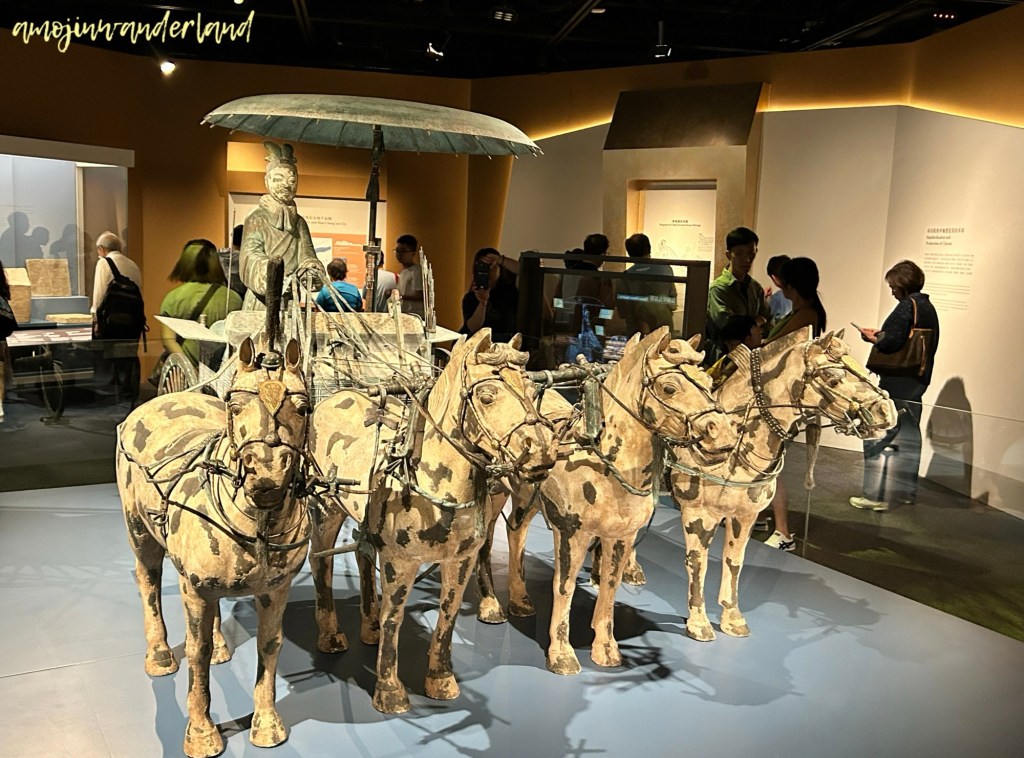
One of the museum’s current temporary exhibitions is titled “The Great Unity – Civilisation of the Qin and Han Dynasties in Shaanxi Province.” Open until July 7, 2025, this exhibition is part of the “General History of China Series” and showcases over 130 sets of treasured artifacts from Shaanxi Province, the birthplace of early Chinese civilization. In addition, more than 20 archaeological finds from Hong Kong are also featured, highlighting the city’s historical ties to the broader Chinese cultural sphere. The exhibition explores the political, social, and cultural advancements of the Qin and Han dynasties, illustrating how the idea of a unified Chinese nation was first established and continues to shape China’s identity today. Visitors can view a wide range of artifacts, including bronze mirrors, jade ornaments, pottery, and Han dynasty tomb figurines, each offering a glimpse into daily life and imperial governance during that era.
In addition to historical exhibitions, the museum has introduced a gallery that emphasizes themes of national security, portraying Hong Kong as being under constant threat from foreign interference. The exhibit features displays warning about espionage, as well as video footage of the 2019 antigovernment protests, which are framed as acts instigated by hostile Western forces. This section of the museum aligns with a broader government narrative that focuses on the need for vigilance and loyalty to safeguard national security. Visitors are presented with messages highlighting the importance of maintaining unity and stability in the face of perceived external threats.

While these exhibitions provide valuable insights into Chinese civilization and current political themes, the museum’s evolving focus has sparked discussions about the balance between national history and local heritage. Some visitors welcome the chance to explore China’s rich historical legacy, while others express concern that Hong Kong’s unique cultural and historical identity might be overshadowed by these broader narratives.
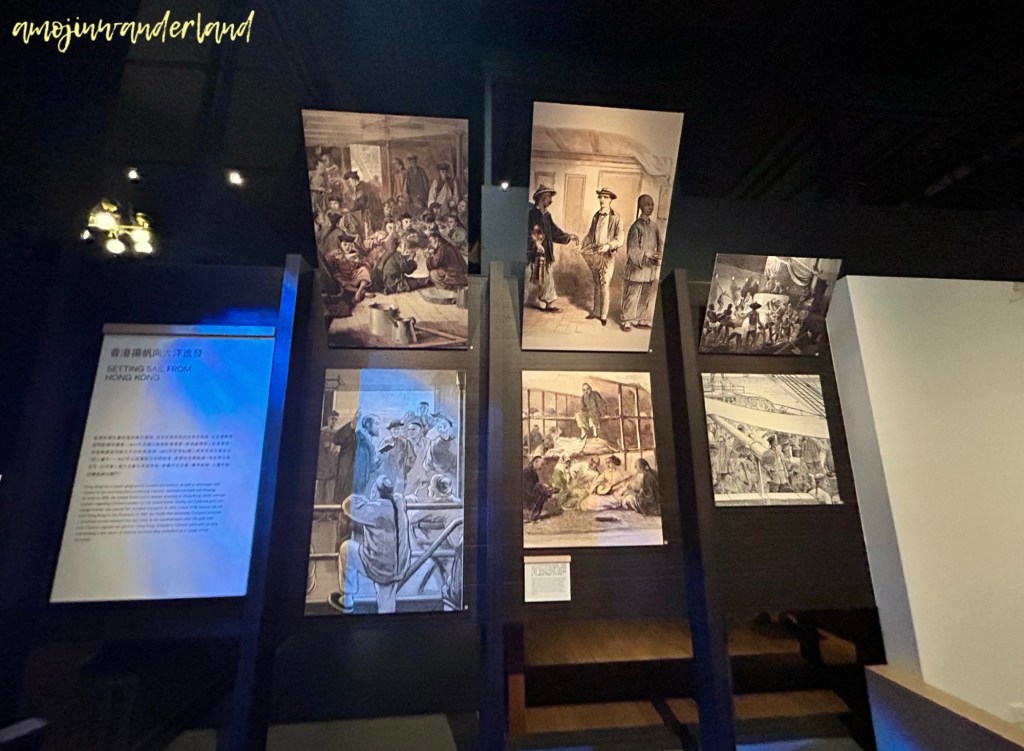
The shift at the Hong Kong Museum of History reflects a wider trend of political influence over public institutions, raising concerns about how history is being curated—not as an open record of the past, but as a carefully controlled narrative aligned with current political priorities.
 Amoj In Wanderland