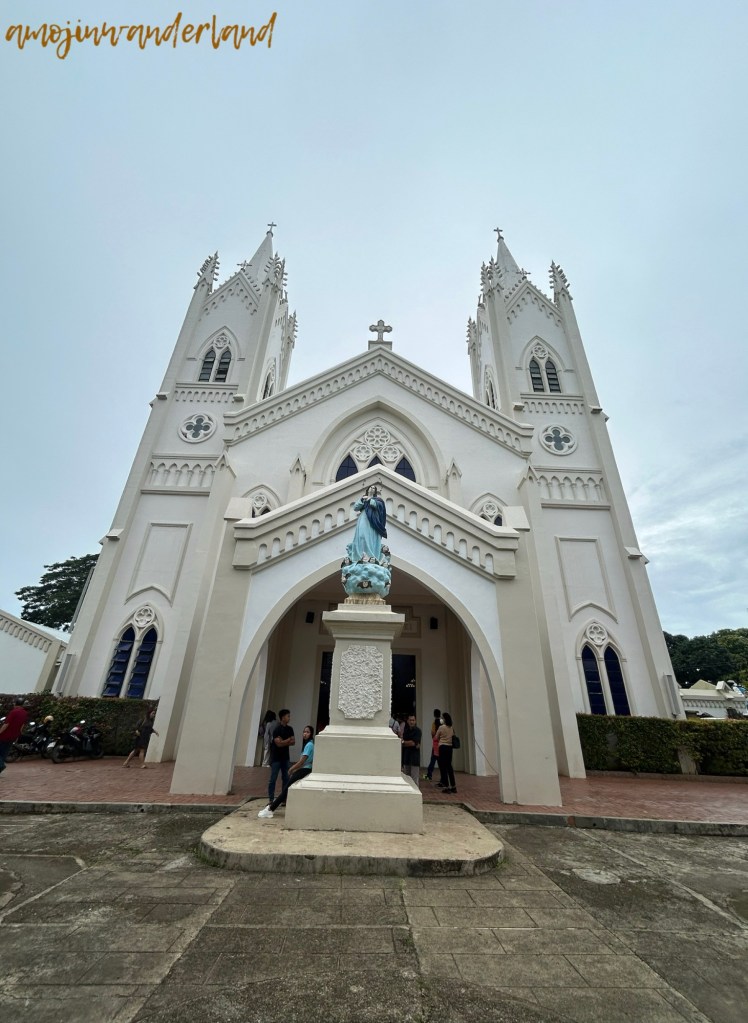
In the heart of Palawan’s capital stands the Immaculate Conception Cathedral. But beyond its pointed arches and Neo-Gothic towers lies a deeper story, one rooted in missionary zeal, colonial history, and the unwavering devotion of a man who would one day be canonized a saint: Fray Ezequiél Moreno.
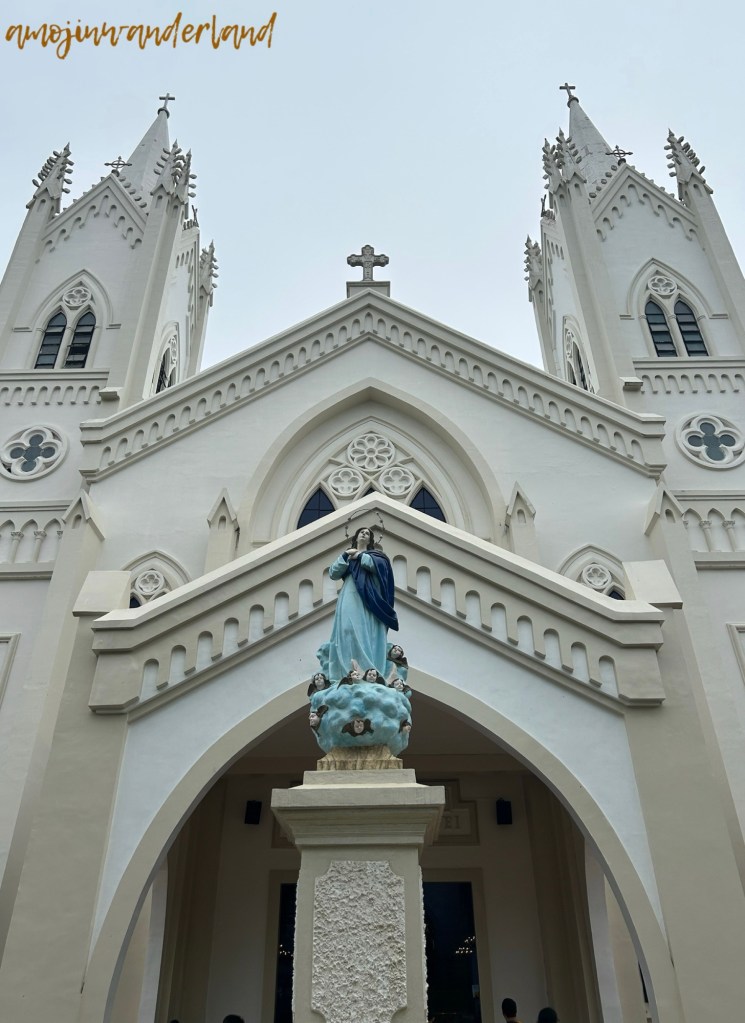
The story of the cathedral, and indeed of Puerto Princesa itself, begins on March 10, 1872. Just six days after a Spanish expedition arrived on the shores of this then-remote barrio, Fray Ezequiél Moreno of the Order of Augustinian Recollects celebrated the first Holy Mass at the very site where the cathedral now stands. This marked not only the beginning of organized Catholic worship in the area but also the founding of the town under the patronage of the Immaculate Conception of the Virgin Mary.
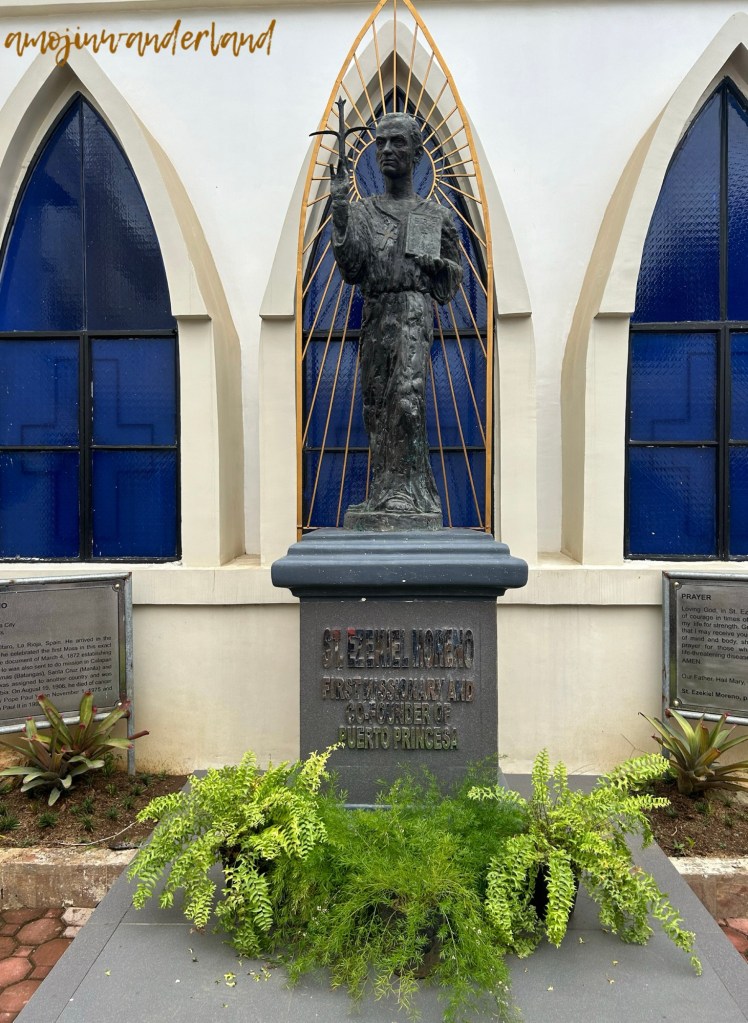
Fray Moreno was not just a missionary priest—he was a visionary leader. He established a parish mission where there had been only dense forest and scattered settlements. His efforts brought not only the sacraments but also order, community, and identity to a budding town on the edge of the Philippine frontier. His missionary work extended beyond Palawan, and years later, he would become Bishop of Pasto in Colombia, where he died of cancer and was eventually canonized as Saint Ezekiel Moreno, the patron saint of cancer patients and missionaries.
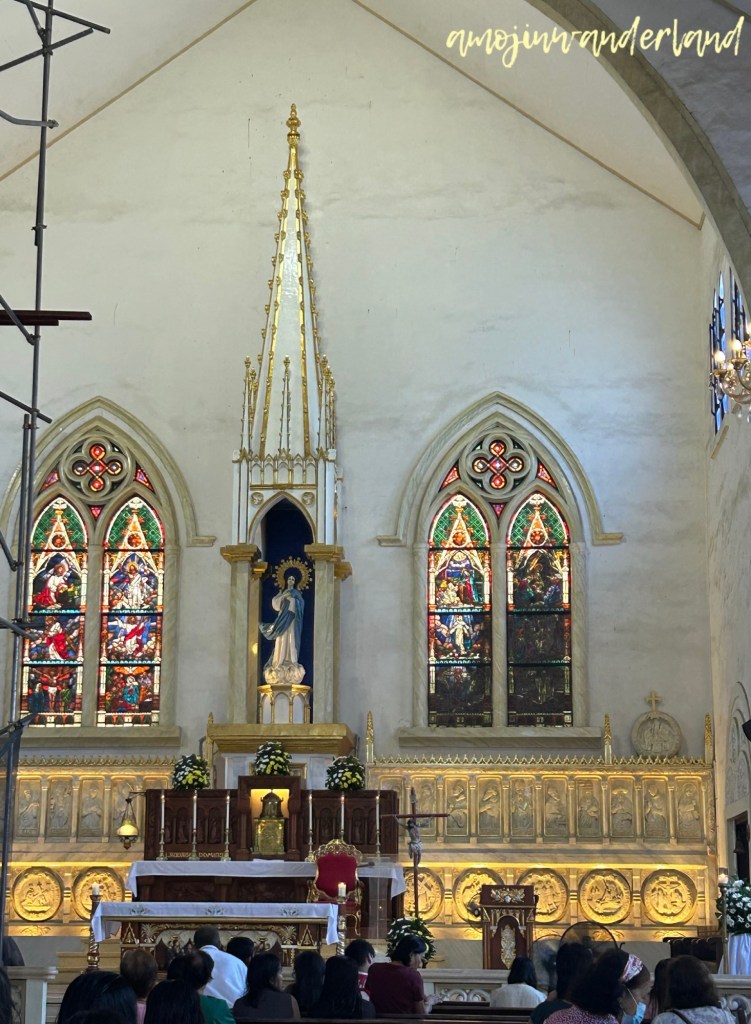
Today, the Puerto Princesa Cathedral stands as a physical and spiritual legacy of his mission. Though the original wooden church has long since disappeared, the structure that took its place has become a lasting monument. Rebuilt multiple times through the years, the present cathedral—completed in 1961 under Bishop Gregorio I. Espiga—features Medieval European architectural influences uncommon in the region. Its Neo-Gothic spires, arched windows, and vaulted ceilings evoke an atmosphere of solemnity and grandeur that continues to draw pilgrims and tourists alike.
The deep connection between Saint Ezekiel and the people of Puerto Princesa was formally recognized on December 8, 2014, when the National Historical Commission of the Philippines unveiled a historical marker honoring the saint and his pivotal role in the town’s foundation. The marker, revealed on the feast of the Immaculate Conception, added further meaning to a date already held sacred in the local calendar.
 Amoj In Wanderland