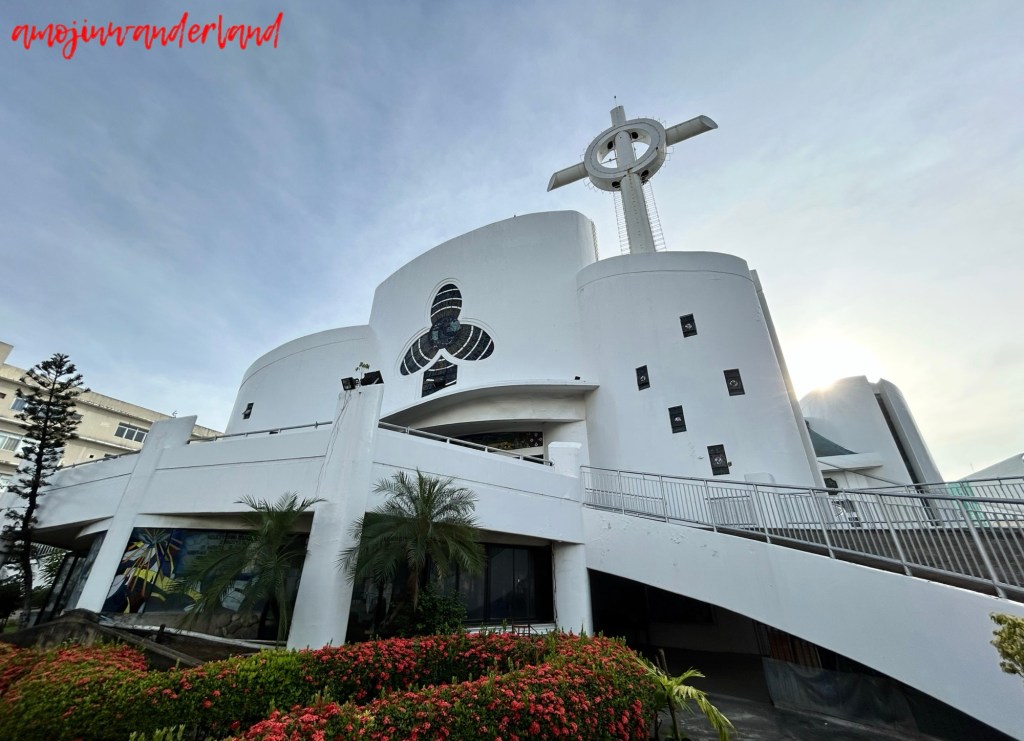
When I visited the Metropolitan Cathedral of the Immaculate Conception in Zamboanga City, the main church above was closed. A mass was being celebrated in the lower chapel.
The Zamboanga City Cathedral, now standing along La Purisima Street, was originally situated at the front of Plaza Pershing, where the present Universidad de Zamboanga is located. Built in 1870, the first cathedral was made of wood and concrete, featuring a main altar dedicated to the Immaculate Conception, flanked by statues of Jesuit saints Ignatius of Loyola and Francis Xavier. When the Diocese of Zamboanga was established in 1910, the church was formally elevated to the status of a cathedral.
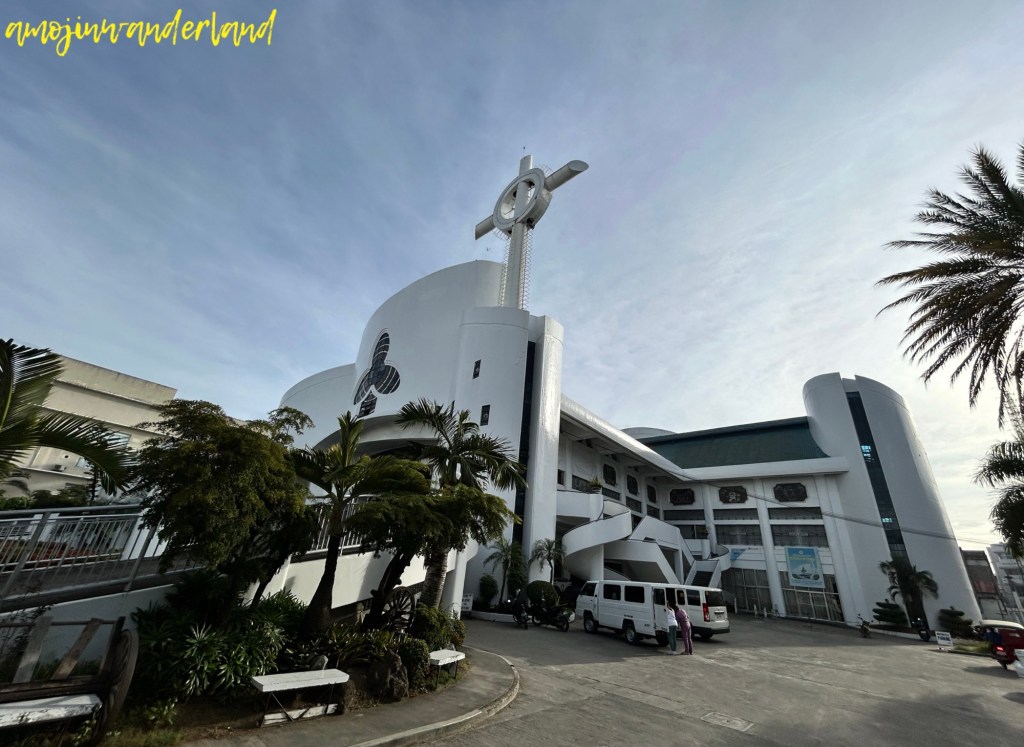
In 1943, during World War II, the cathedral was one of the many edifices bombarded by Japanese soldiers. Later, during the liberation of Zamboanga on March 8–9, 1945, American forces launched aerial bombings and artillery shelling that destroyed nearly two-thirds of the city, including the cathedral itself. Miraculously, the image of the Immaculate Conception was said to have been spared from the destruction, a story that continues to inspire local devotion. The sacred image was later transferred to La Purisima Street, where the present cathedral now stands.
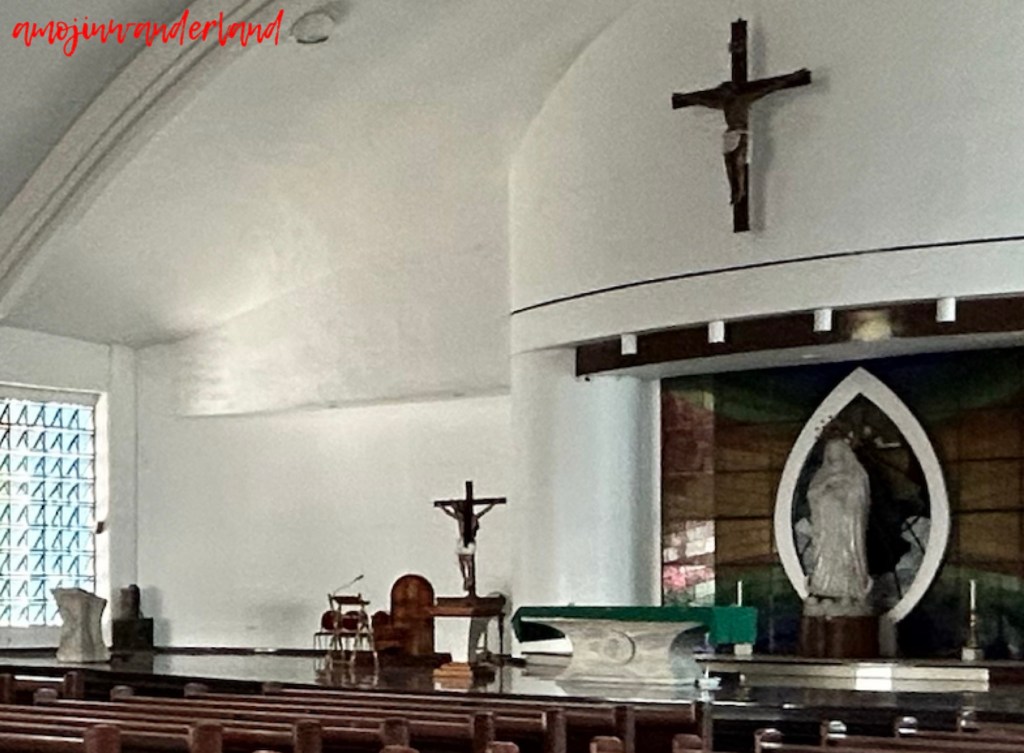
In 1956, the cathedral was relocated beside the Ateneo de Zamboanga University, formerly known as the Jardin de Chino. Then, from 1998 to 2002, the present cathedral was constructed in cruciform design, its candle-shaped façade symbolizing the light of Christ and the purity of the Blessed Virgin. Inside, a magnificent marble statue of the Immaculate Conception, sculpted by National Artist Napoleon Abueva, graces the sanctuary. Along the aisles, stained glass windows depict the dioceses of Mindanao established between 1910 and 1984, their colors casting a warm glow during morning Masses.
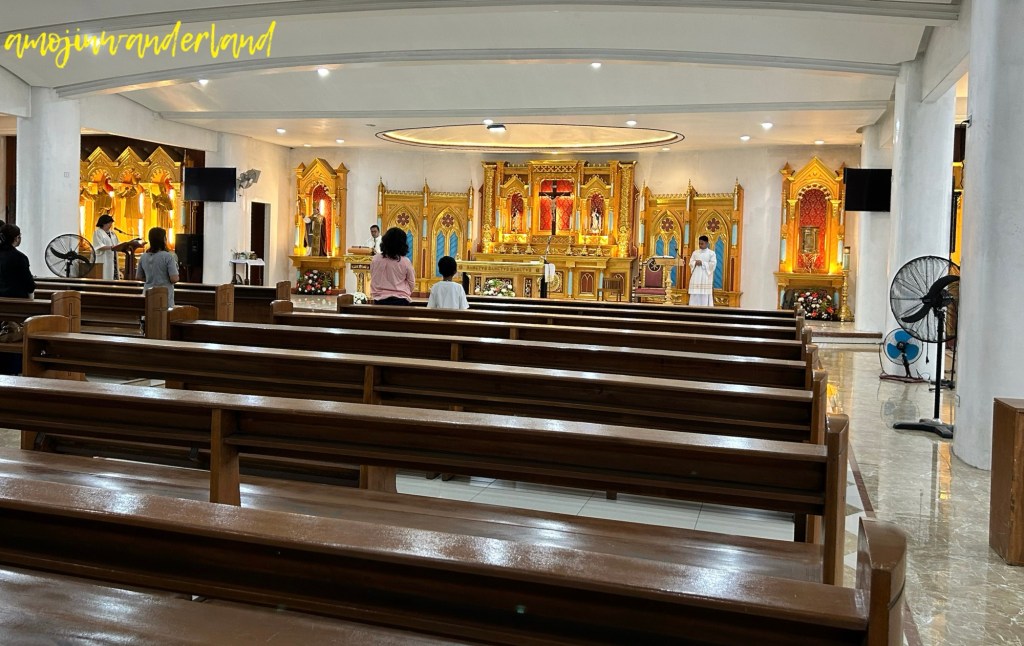
The day chapel on the ground floor, where I attended Mass, is used for weekday services, offering an intimate space for prayer and reflection. In front of it stands the baptistery, which holds a relic of Our Lady of the Pillar, Zamboanga’s patroness and protector.
 Amoj In Wanderland