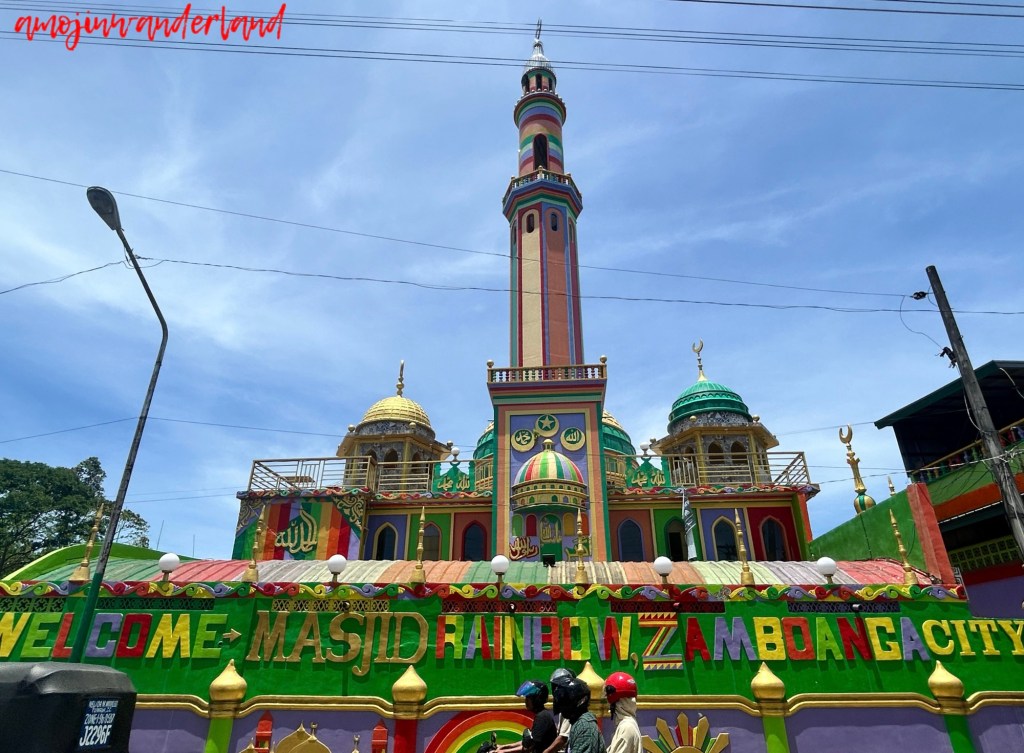
Along the busy stretch of Tumaga Road in Barangay Sta. Maria, Zamboanga City, a burst of color rises against the skyline—Masjid Al-Islamia, more affectionately known as the Rainbow Mosque. Amid the hum of traffic and the rhythm of daily life, its multi-colored dome and towering minaret gleam like a prism of hope, instantly capturing the attention of anyone passing by. To many, it’s more than just a mosque, it’s a symbol of resilience, unity, and peace that tells a story born out of conflict and transformed into beauty.
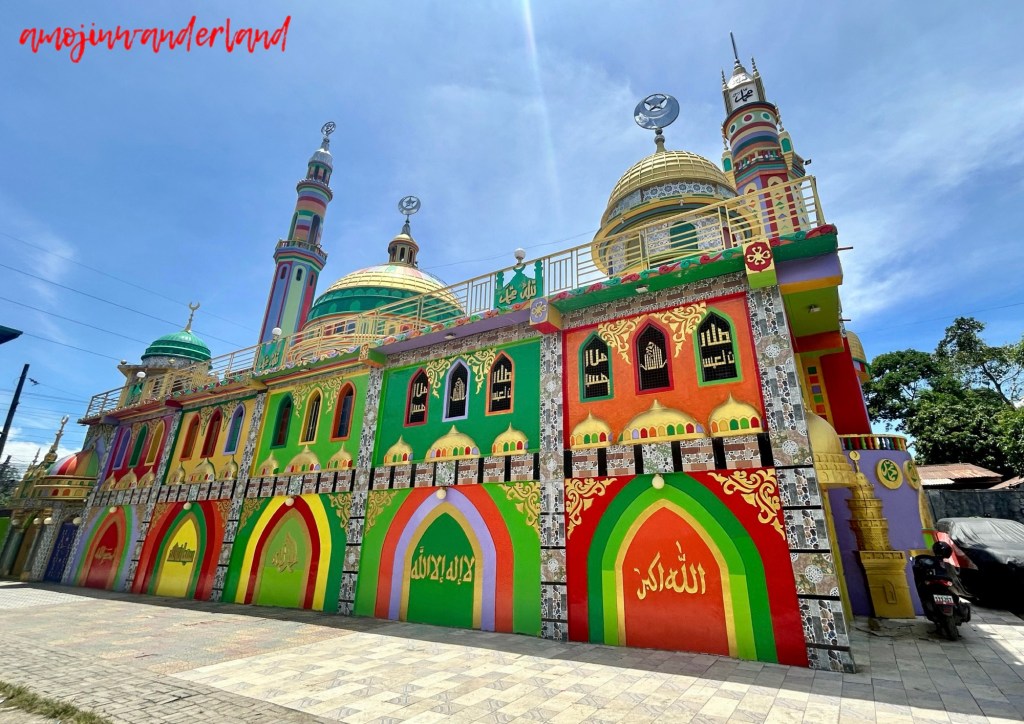
Repainted sometime after the Marawi Siege in 2017, the Rainbow Mosque stands as a living tribute to the fallen heroes who fought for peace in Mindanao. The decision to cloak its walls in radiant hues was not merely aesthetic, it was deeply symbolic, a visual prayer for harmony and coexistence in a region long shaped by diversity. The mosque’s vibrant palette, visible even from a distance, has turned it into a cultural landmark, an emblem of hope shining brightly for both locals and travelers.
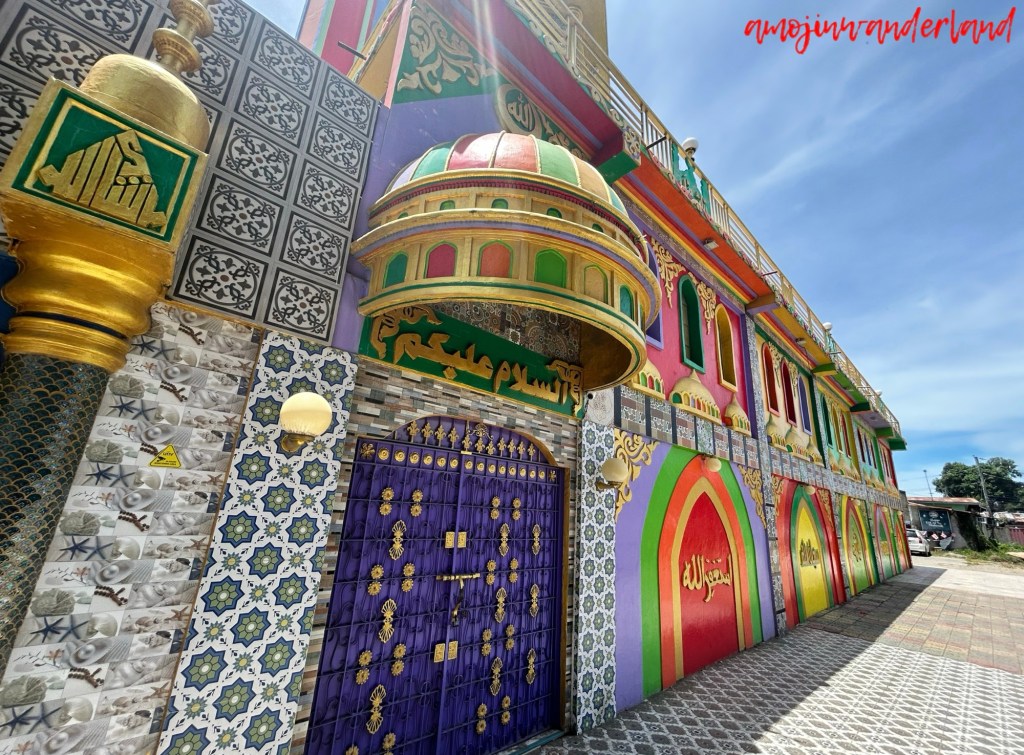
Up close, the details are breathtaking. The exterior walls of Masjid Al-Islamia are adorned with distinctly Maranao designs, where intricate okir patterns curve and flow across the structure, celebrating the artistry and heritage of the people of Mindanao. Inside, the same motifs dance across the interiors, surrounding the faithful in an atmosphere that feels at once sacred and celebratory.
 Amoj In Wanderland