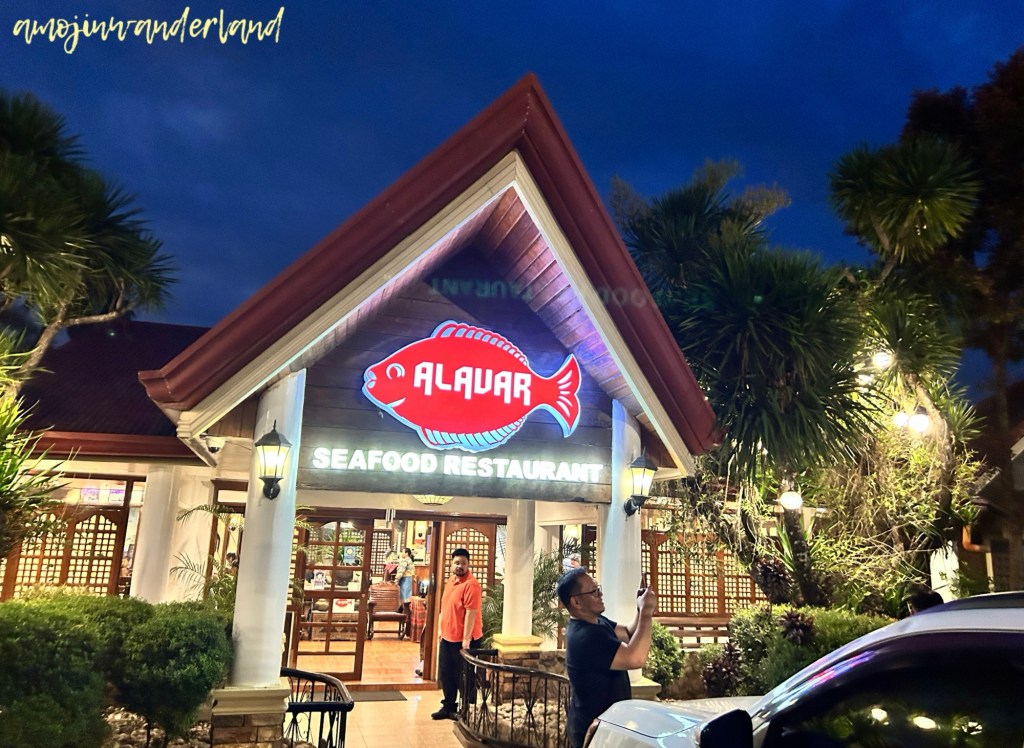
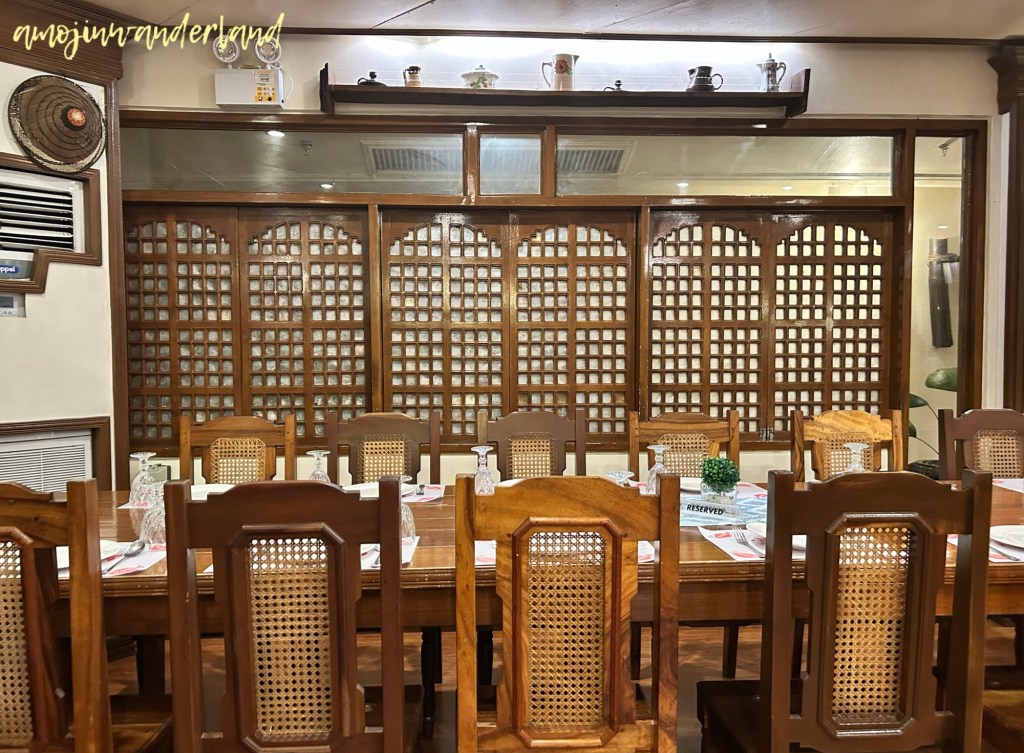
My friends brought me to Alavar’s Café and Restaurant one evening in Zamboanga City, and I couldn’t have asked for a better introduction to the city’s vibrant food scene. We arrived just as the dinner crowd was settling in. The restaurant’s interior was warm and rustic, with wooden furniture, soft lighting, and touches of local artistry that made it feel both homey and refined. My friends, being Zamboangueños themselves, knew exactly what to order: the seafood platter with Alavar sauce, their signature dish and the pride of the house.
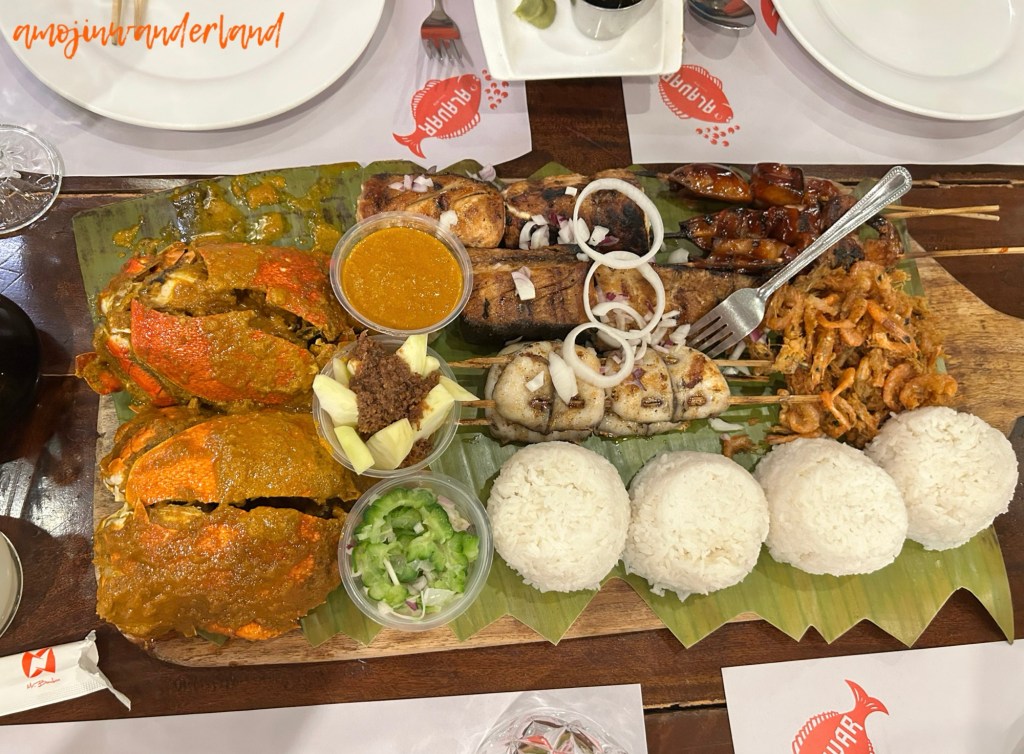
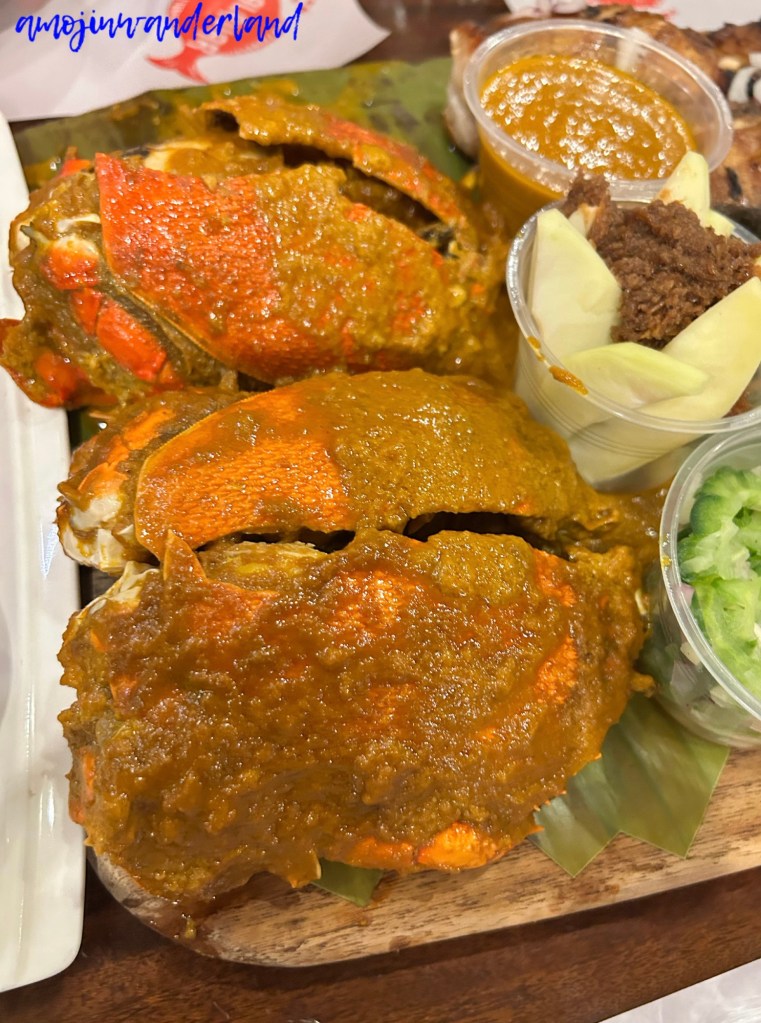
When the platter arrived, I was instantly impressed. It was a colorful spread of prawns, squid, fish, and the famed Zamboanga curacha, all glistening under a generous coating of Alavar’s special sauce. The curacha, a spanner crab unique to Zamboanga’s waters, was the undeniable star of the meal. Its meat was tender and naturally sweet, perfectly complemented by the rich, savory sauce that carried a balance of spice, creaminess, and a subtle hint of garlic. Every bite felt indulgent and deeply satisfying, the kind of dish that makes you pause just to savor the flavors and the care behind them.
At first glance, the Alavar sauce looks like a simple ginataan, thick and luscious from fresh coconut milk, but one taste reveals its remarkable complexity. The secret lies in the addition of taba ng talangka (crab roe paste), which gives the sauce its unmistakable depth and richness. The crab roe melts into the coconut base, creating a velvety texture and a flavor that’s both earthy and oceanic, like a marriage between the sea and the shore. Spices such as garlic, ginger, and chili are blended in subtle harmony, lending warmth and a gentle kick that enhances rather than overwhelms the seafood. The result is a sauce that’s sweet, spicy, and umami-rich, coating every piece of seafood with layers of flavor that linger long after the last bite.
What makes the Alavar sauce even more special is its story. It is a family heirloom recipe, originally concocted by Maria Teresa Camins Alavar, the matriarch and founder of what would become an iconic Zamboanga culinary institution, in the early 1970s. The first restaurant was housed in her ancestral home in Cawa-Cawa, where she began serving her signature sauce with freshly caught curacha. What started as a humble family recipe soon became a symbol of Zamboanga’s rich seafood tradition, loved by locals and visitors alike.
 Amoj In Wanderland