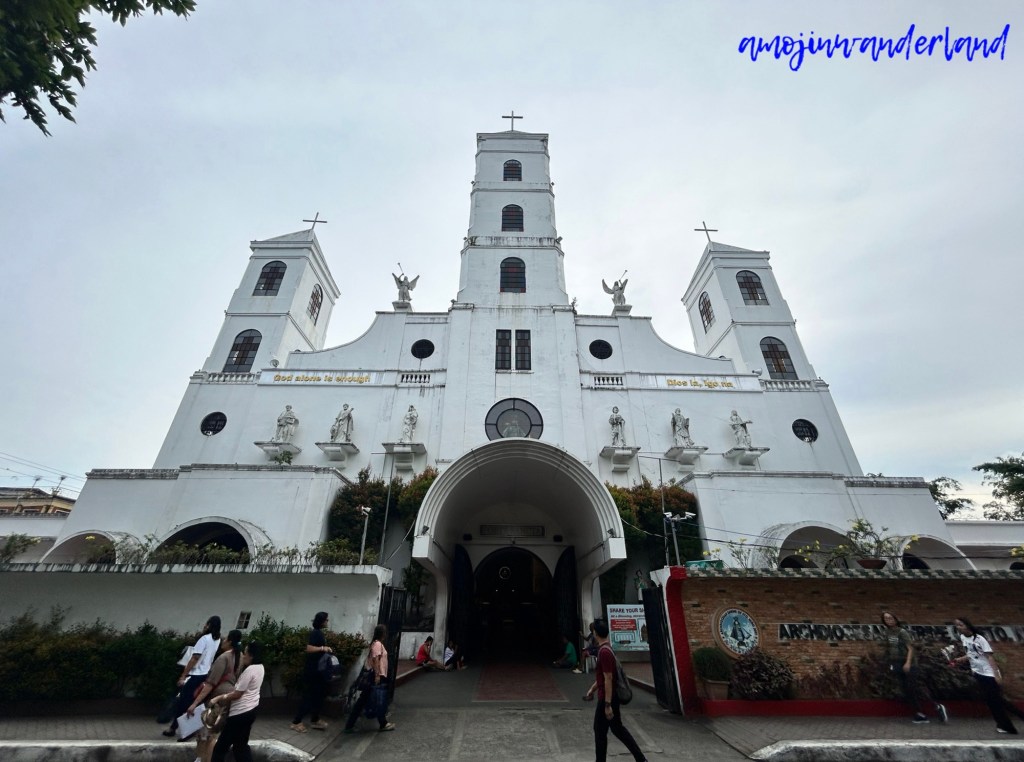
During my recent visit to Tacloban City, I went to the Archdiocesan Shrine of the Santo Niño. The church traces its beginnings to 1770, when it was founded by the Augustinian missionaries.
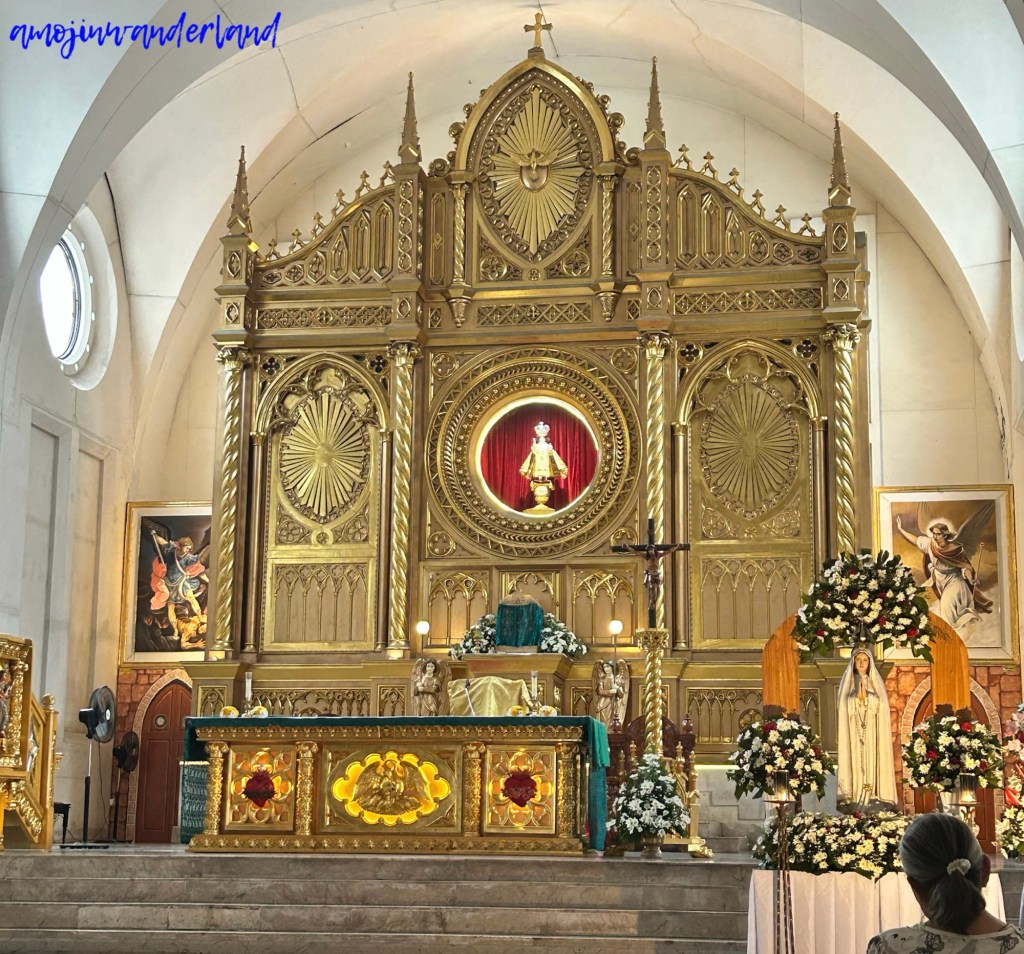
The devotion of the residents to the church was profoundly strengthened in 1889, when Tacloban was struck by a devastating cholera epidemic. As the story goes, on June 30, 1889, the image of the Santo Niño, once believed to be lost at sea, mysteriously arrived at the Port of Tacloban. The timing of this miraculous return coincided with the sudden end of the epidemic, which the people gratefully attributed to divine intervention. From that day on, the Santo Niño was venerated as the city’s patron, and Tacloban’s annual Sto. Niño Fiesta has continued to celebrate this miracle with heartfelt devotion and vibrant cultural expression.
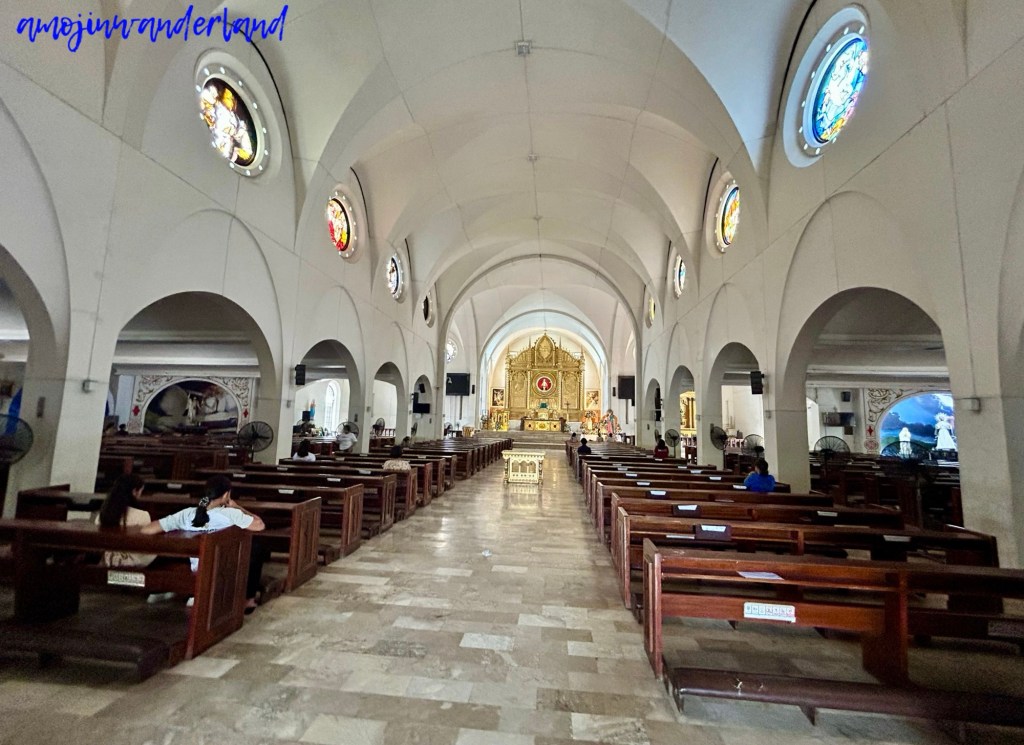
The church’s history also bears witness to Tacloban’s resilience in the face of tragedy. During Supertyphoon Yolanda (Haiyan) in November 2013, the church suffered severe damage, its roof torn off and its walls battered by wind and waves. Yet even amid the wreckage, the shrine became a refuge for survivors. In December 2014, the church underwent a significant restoration, symbolizing not only physical rebuilding but also the renewal of faith and community spirit among Taclobanons.
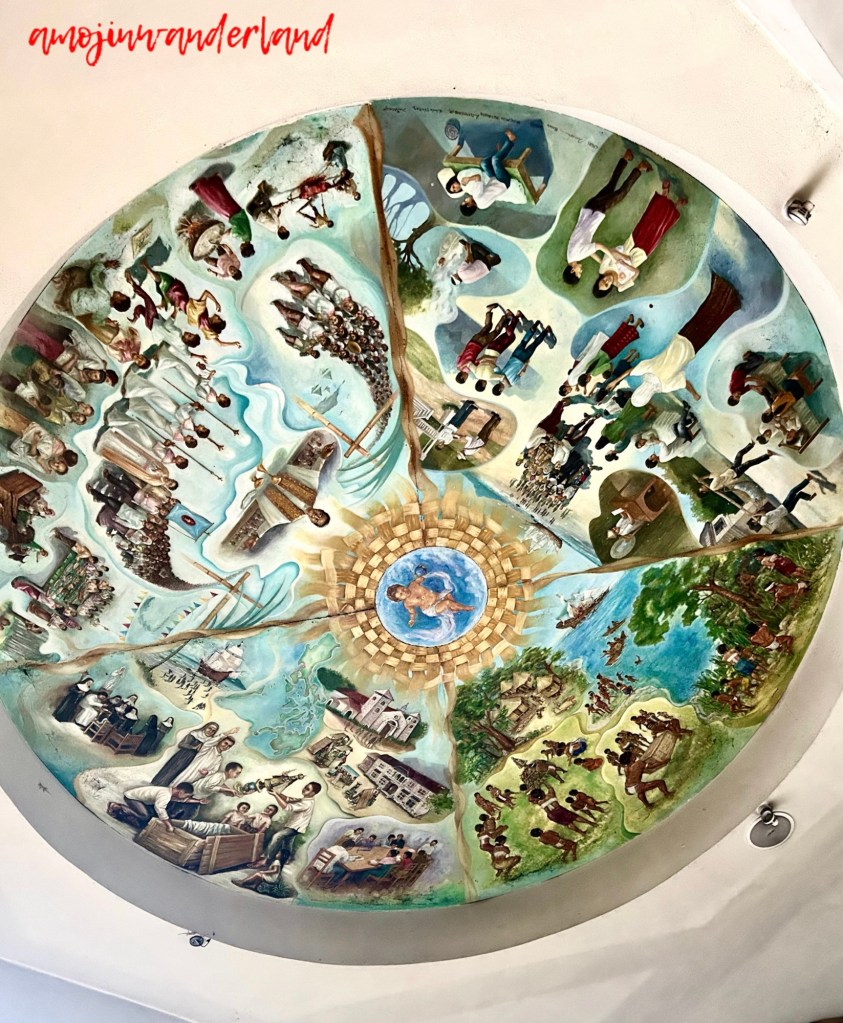
In November 2021, amid the global COVID-19 pandemic, the church was elevated from a parish to an Archdiocesan Shrine, a recognition of its historical, cultural, and spiritual importance to the region.
 Amoj In Wanderland