
The Parish of St. Lawrence the Deacon and Martyr is located in the municipality of Balagtas, formerly called Bigaa. I visited the church today as Supertyphoon Uwan approached Luzon.
Historical records show that Balagtas had its first parochial structures made of light materials long before 1645, the year when an earthquake caused heavy damage to the early church. The convent reportedly experienced financial instability, and it took months before the structures could be repaired. Despite these setbacks, the parish remained active under the supervision of the Augustinian friars who managed most Bulacan parishes during the Spanish colonial period.
The exact date of construction of the present stone church cannot be clearly determined. However, some sources suggest that it was built a few years after 1805, when a church was reportedly established on Balagtas’ former town site, now known as Bigaang Matanda. Earlier records mention Father Manuel Buceta, the parish priest in 1738, 1751, and 1754, who repaired the church and built a new convent. These details indicate that major church structures were already in place by the mid-18th century.
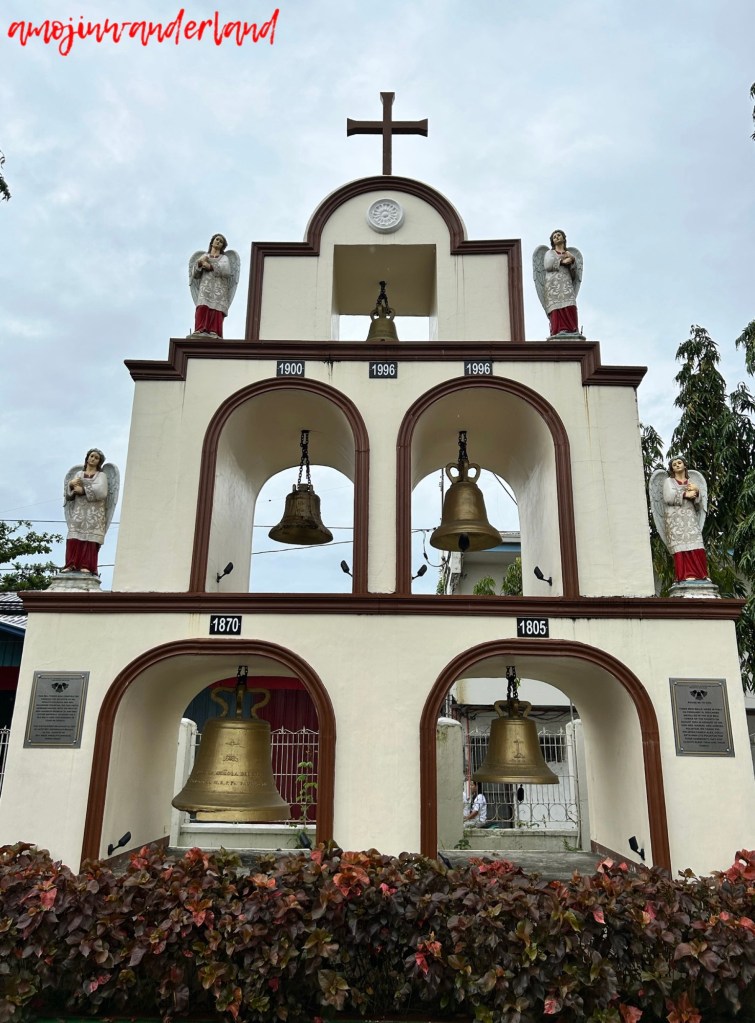
An earthquake in 1880 once again damaged the church, prompting extensive repairs between 1893 and 1898. During this period, Father Francisco Martin Giron supervised the reconstruction of the church and convent and oversaw the construction of the bell tower, which remains one of the church’s key architectural features.
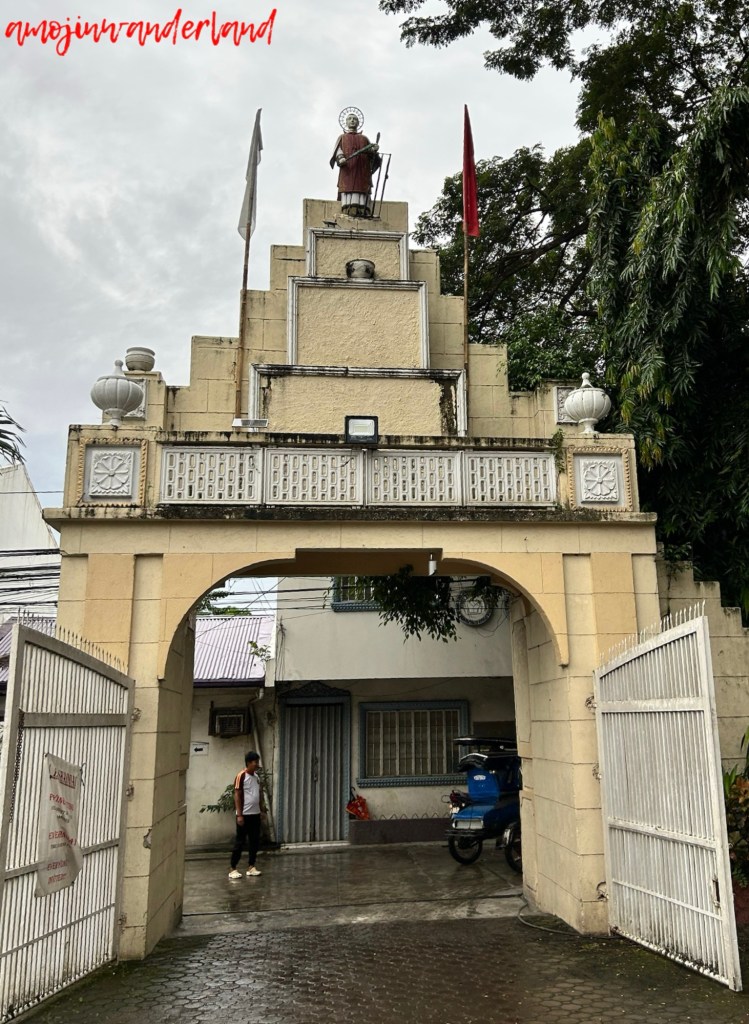
Architecturally, the Balagtas Church façade stands out for its distinctive simplicity and proportion. The large recessed arch dominates the front, while the absence of pilasters dividing the façade gives it a clean and unified appearance. Above and beside the arch are semicircular arch windows and a rose window, which allow natural light to enter the choir loft. The two side windows also serve as niches for angel figures, adding a touch of artistic detail. The façade has been plastered with cement and patterned to mimic the texture of the original stone walls. A concrete porte-cochère topped with onion-shaped finials was a later addition, and attached to the right side of the church is a three-level octagonal bell tower, characteristic of late Spanish colonial design.
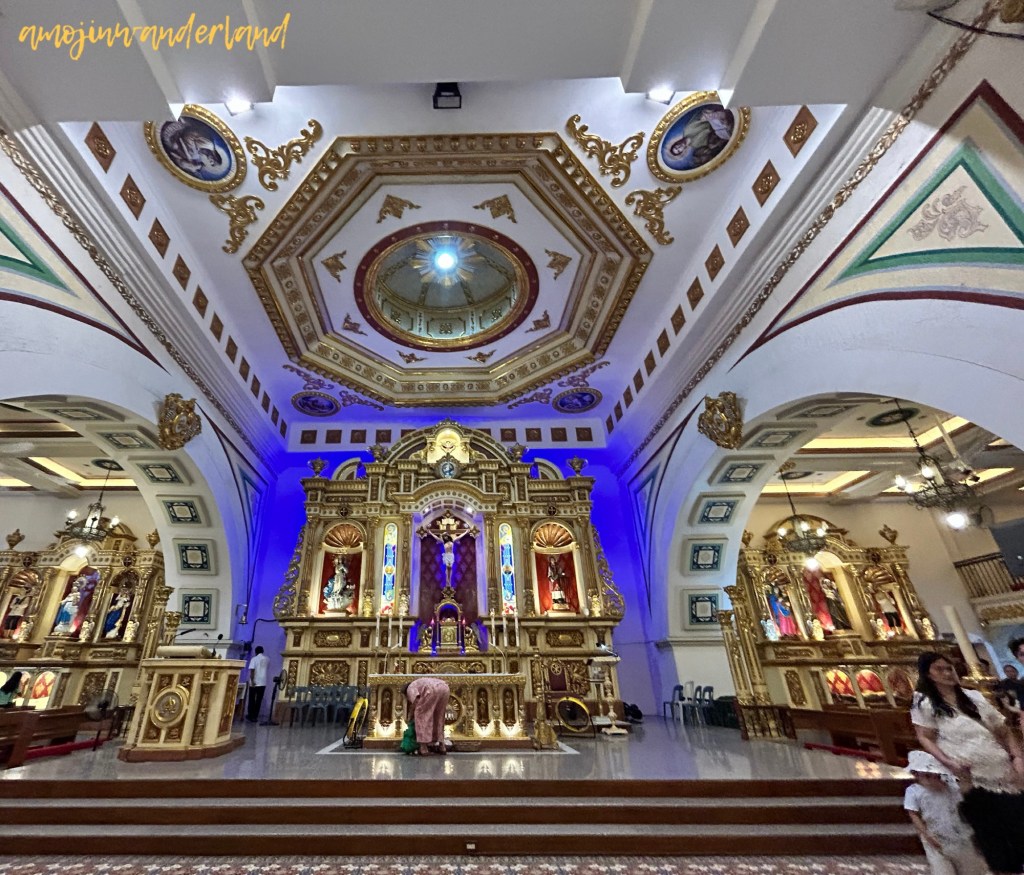
In the early 1960s, the church underwent further renovations to strengthen its structure and adapt it to contemporary liturgical needs. Despite these updates, it has preserved its earthquake Baroque character, with thick adobe walls, simple ornamentation, and a functional design suited to the region’s seismic activity. Inside, the church features wooden ceiling beams, antique retablos, and religious images that continue to be objects of devotion.
 Amoj In Wanderland