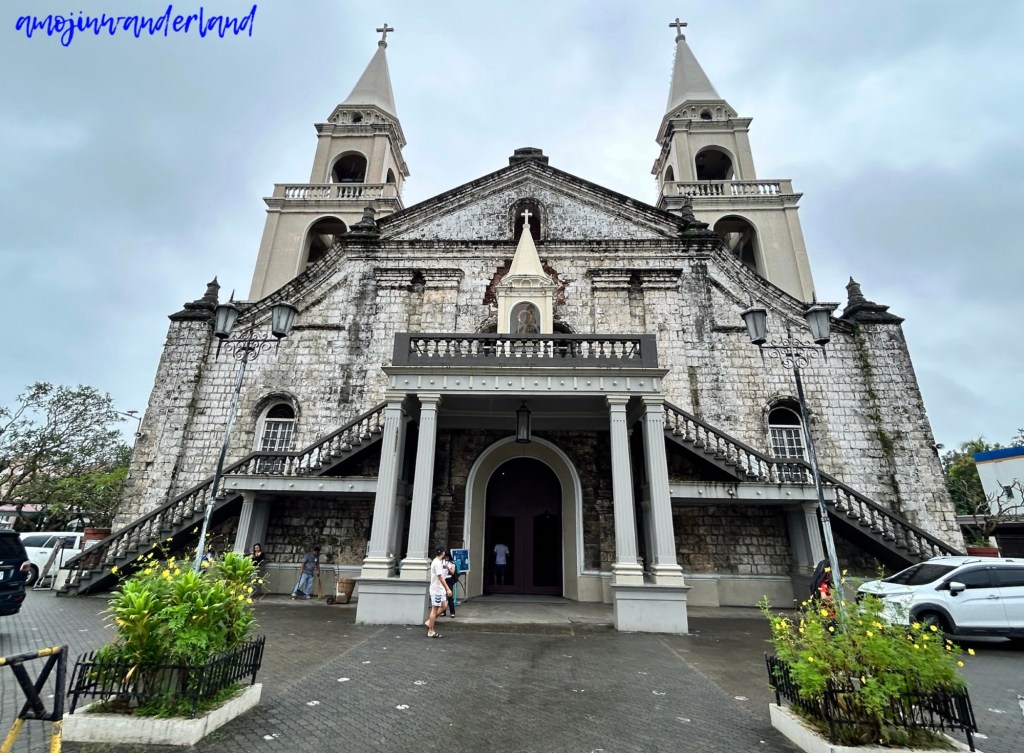
The Jaro Metropolitan Cathedral, formally known as the National Shrine of the Our Lady of Candles, Metropolitan Cathedral of Saint Elizabeth of Hungary, serves as the seat of the Roman Catholic Archdiocese of Jaro. I visited the cathedral while it was raining.
The cathedral traces its beginnings to March 3, 1575, when it was established by the Augustinians as a visita of Oton. It became a visita of Arevalo in 1584 and was elevated to a parish in April 1587 under the advocation of Our Lady of the Nativity. In 1636, the población moved from Alanga to its present location due to better weather conditions and protection from Moro attacks. On October 31, 1636, the parish changed its patron to Nuestra Señora de la Candelaria.

The first stone church was constructed from 1742 to 1744 under Fr. Juan Aguado, but it sustained heavy damage during the earthquakes of 1787 and the 19th century. Instead of reconstructing the damaged structure, the church was relocated, and the present cathedral structure was built under Bishop Mariano Cuartero, O.P., the first bishop of Jaro. Construction began on February 22, 1869, and the cathedral was completed and consecrated in 1874. Following the 1948 Lady Caycay earthquake, repairs were completed in 1956 under Archbishop José María Cuenco.

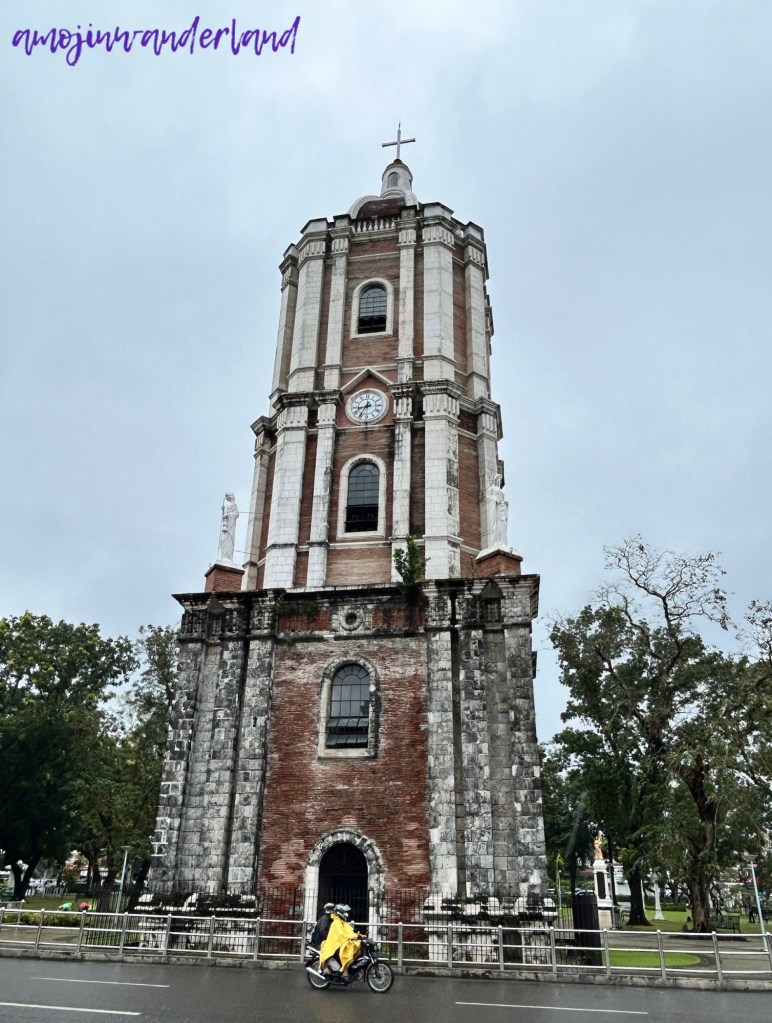
Architecturally, the cathedral follows the Romanesque Revival style, though it deviates from the typical semicircular arches associated with the form. One of its most distinctive features is the Jaro Belfry, located across the street on Jaro Plaza rather than beside the church. This arrangement is uncommon, similar to some churches in Ilocos. The belfry originally stood next to an older church that was destroyed by an earthquake, leaving the tower in its current, separate location.
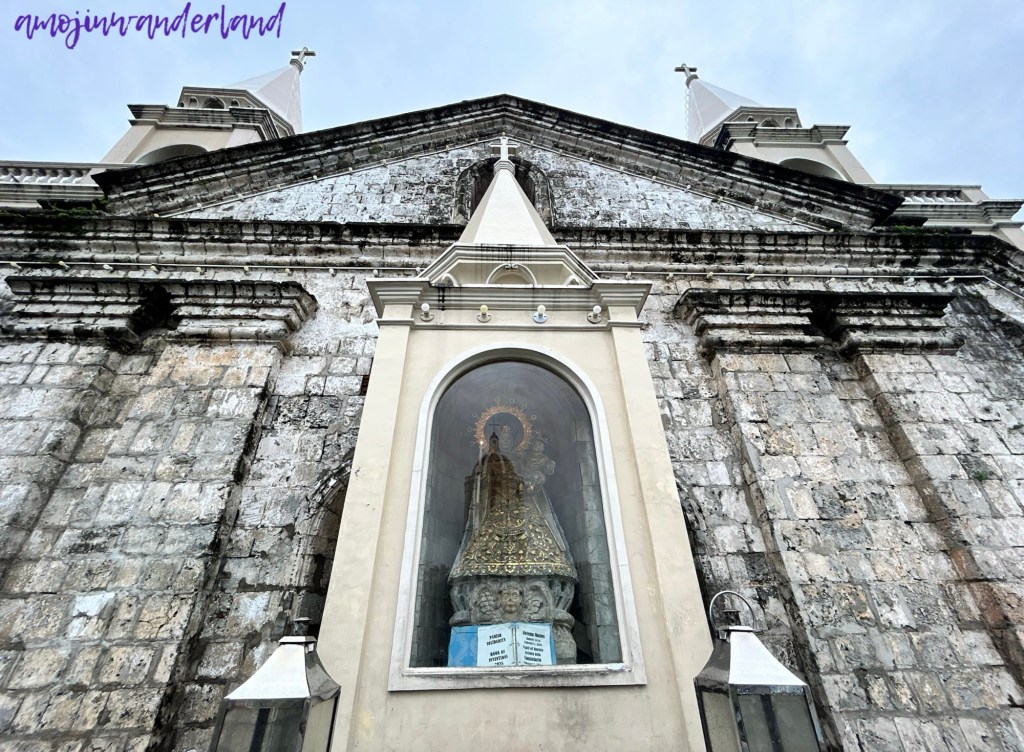
Another notable feature is the staircase built into the front façade, leading to a balcony shrine where the image of Our Lady of Candles is enshrined. The cathedral also houses relics of St. Josemaría Escrivá. Inside, the pillars display an all-male set of saints, except for the Virgin Mary, a design intended as a counterpart to the all-female theme of Molo Church.
On February 21, 1981, Pope John Paul II personally canonically crowned the image of Our Lady of Candles, making it the only Marian image in the Philippines to receive such an honor directly from a pope. The cathedral was declared a historical landmark by the National Historical Institute in 1976.

In January 2012, the Catholic Bishops’ Conference of the Philippines approved its elevation to a national shrine, the first in Western Visayas and the second Marian-dedicated national shrine in the Visayas and Mindanao. It was formally declared the National Shrine of Our Lady of Candles on February 2, 2012.
 Amoj In Wanderland