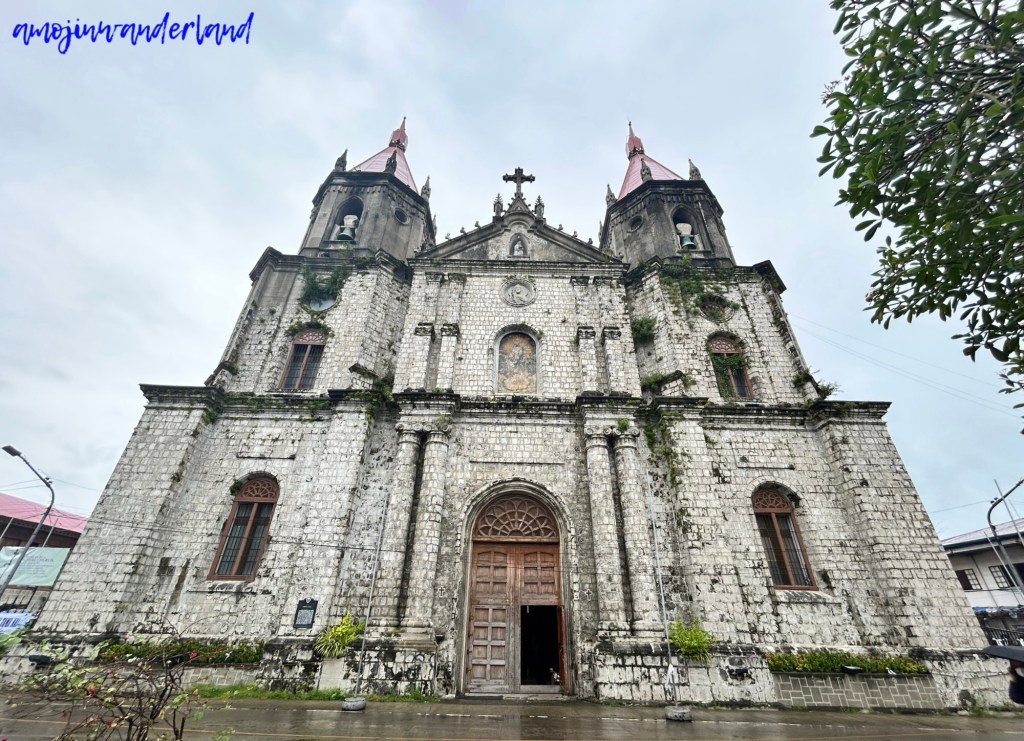
Molo Church, officially dedicated to St. Anne, is one of Iloilo’s most iconic heritage structures and the only Gothic church in the Philippines outside Metro Manila. Its origins trace back to 1831, when the first structure, made of tabique pampango with a chalk roof, rose in the heart of Molo District. As the community flourished, plans for a more permanent stone church were drawn up in 1866, approved in 1869, and finally completed in 1888 through the efforts of the parish and local leaders.
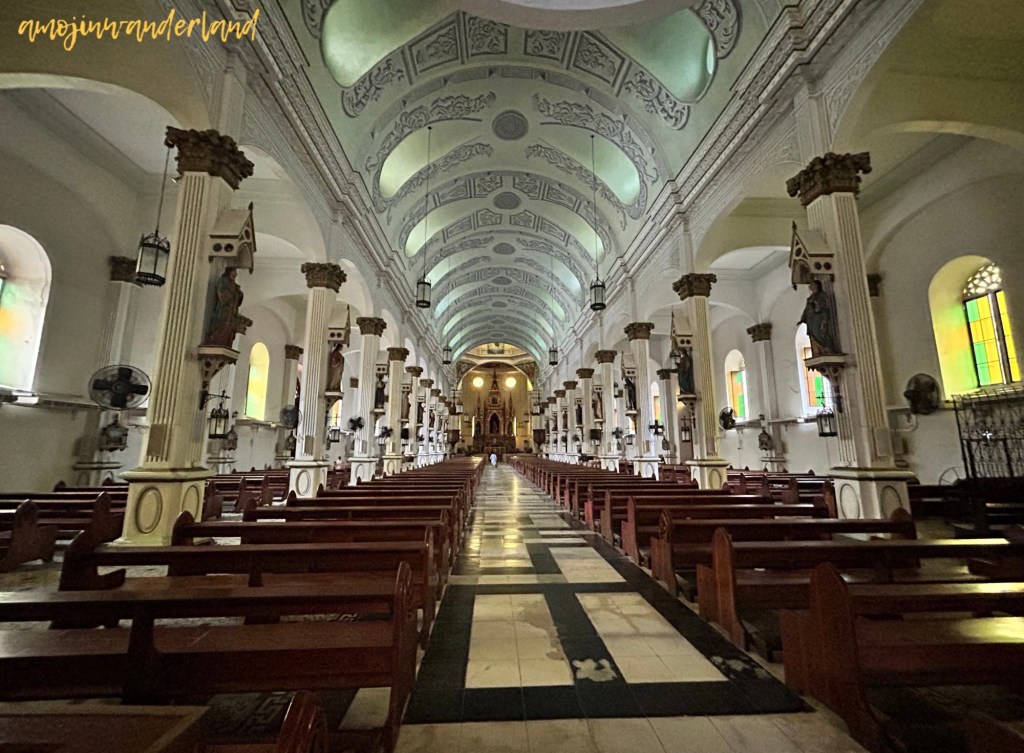
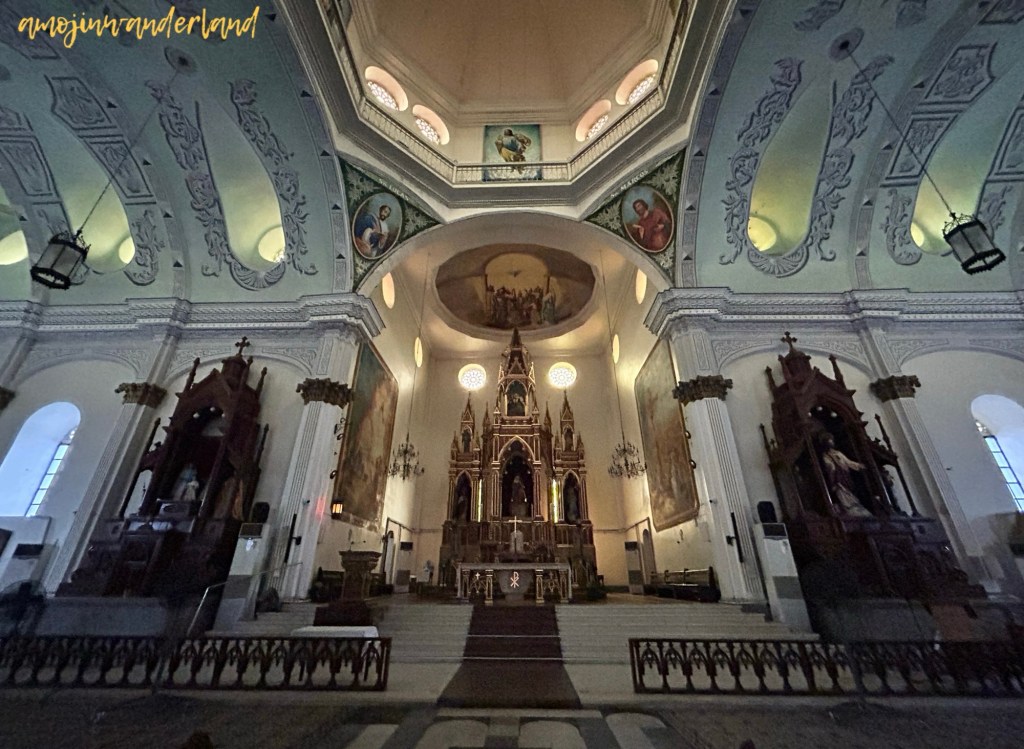
What sets Molo Church apart is its identity as a “feminist church.” Inside the three-nave interior stand two rows of sixteen female saints, a rare and remarkable feature in Philippine ecclesiastical design. The statues—Saint Marcella, Apollonia, Genevieve, Isabelle, Felicity, Agnes, Monica, Magdalene, Juliana, Lucy, Rose, Teresa, Clare, Cecilia, Margaret, and Martha—line the pillars with quiet strength, honoring the role of women in the Church’s tradition. At the high altar, the reredos enshrines St. Anne, alongside the Blessed Virgin and the Holy Trinity, completing the church’s distinct spiritual character.
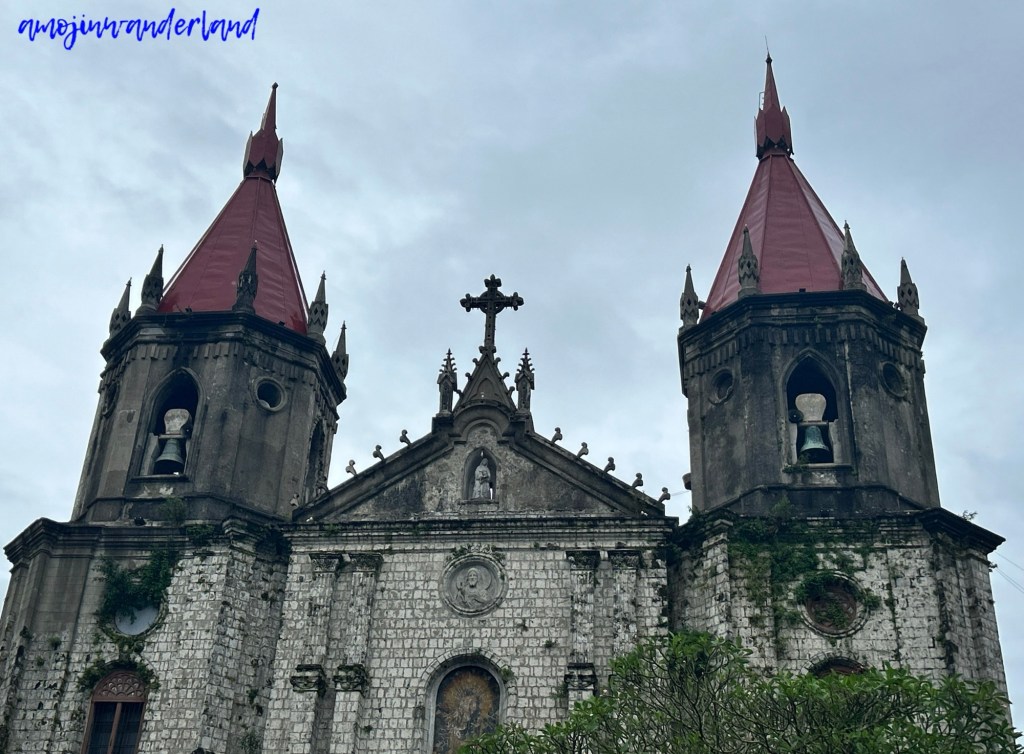
The façade, built of rough stone, showcases its Gothic-Renaissance Revival style. Twin towers rise with pointed arches and multiple spires, giving the structure its unmistakable Gothic silhouette. Inside, the church retains traditional features, including four wooden side altars and two intricately decorated wooden pulpits, preserving the craftsmanship of the era.
Molo Church also holds a notable place in Philippine history. On August 4, 1886, Dr. Jose Rizal visited the church, drawn by its collection of biblical paintings, artworks that unfortunately no longer exist today.
During World War II, the church served as an evacuation center for civilians. It suffered significant damage on March 18, 1945, when one of its towers was destroyed during the liberation of Iloilo. After the war, the community came together to repair and restore the church, ensuring its survival for future generations.
Recognizing its architectural and historical importance, the National Historical Institute declared Molo Church a national landmark in 1992, elevating its status as a treasured cultural site in Iloilo
 Amoj In Wanderland