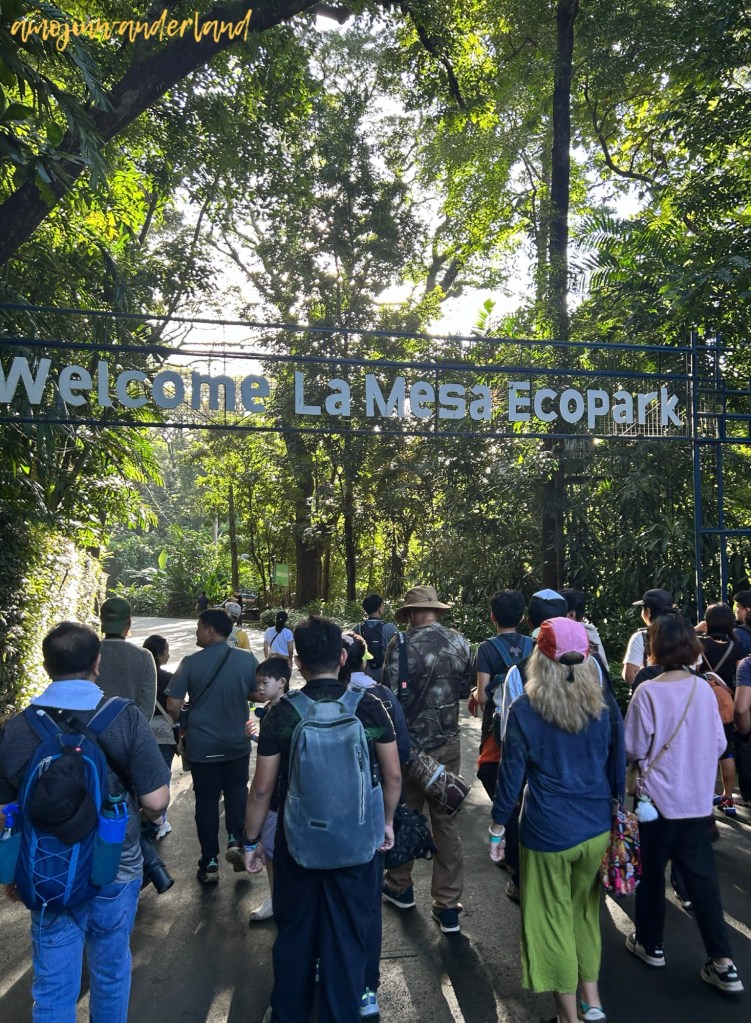
Joining the guided birdwatching tour at La Mesa Ecopark with the Birdwatchers Club of the Philippines was a wonderfully refreshing start to the day. By 6:00 AM, the tour officially began, and our group headed straight toward the steel bridge, where the forest was just beginning to wake.
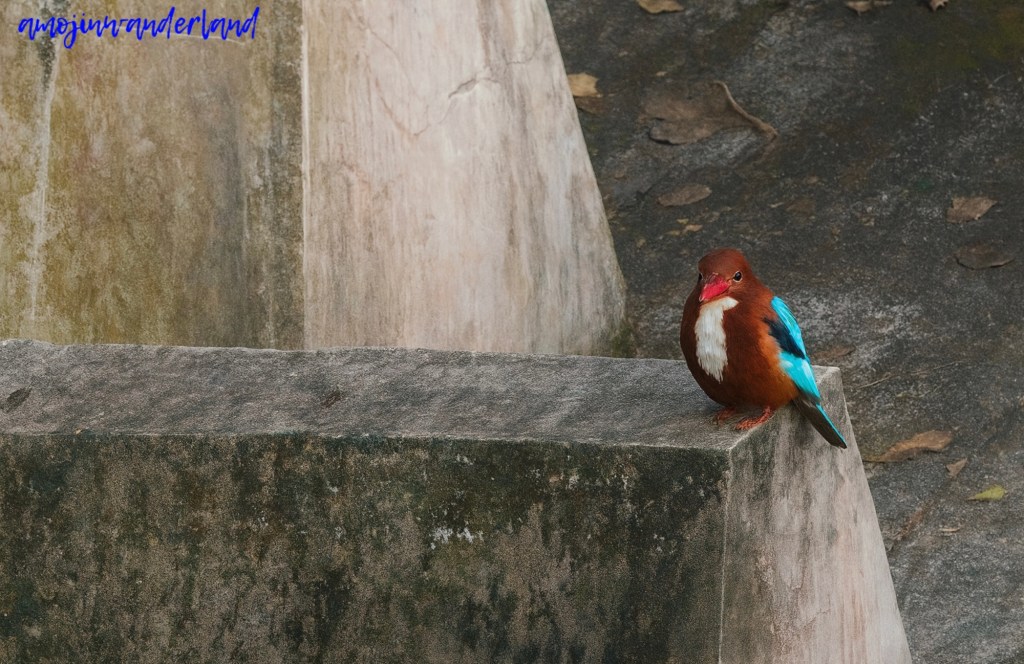

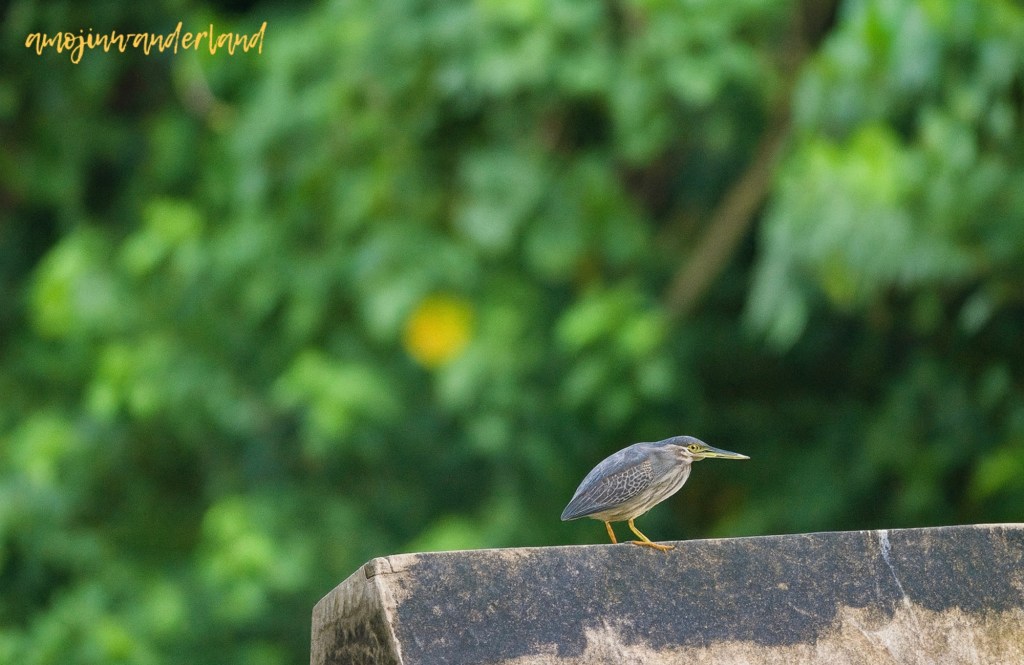
The steel bridge offered a perfect vantage point for our first round of sightings. On the concrete structure itself, a White-throated Kingfisher sat confidently, its bright blue and chestnut colors standing out vividly even in the early morning light. High above, perched at the very top of a leafy tree, was a Philippine Cuckoo-Dove—calm and majestic against the slowly brightening sky. Near the water, a juvenile Black-crowned Night Heron rested on a low branch, its pale plumage soft against the greenery. The nearby vegetation revealed a Striated Heron blending quietly with the reeds, while a notoriously shy White-browed Crake made a brief but thrilling appearance before vanishing back into the thick cover.

Close to the water’s edge, movement along the concrete caught our attention—a Grey Wagtail hopping lightly, its tail flicking rhythmically as it searched for food. Along the shallow water, a Common Sandpiper patrolled the edge with its familiar bobbing gait, unbothered by the quiet group observing from a distance. And perched gracefully on a nearby branch was a Yellow-vented Bulbul, greeting the morning with calm curiosity.

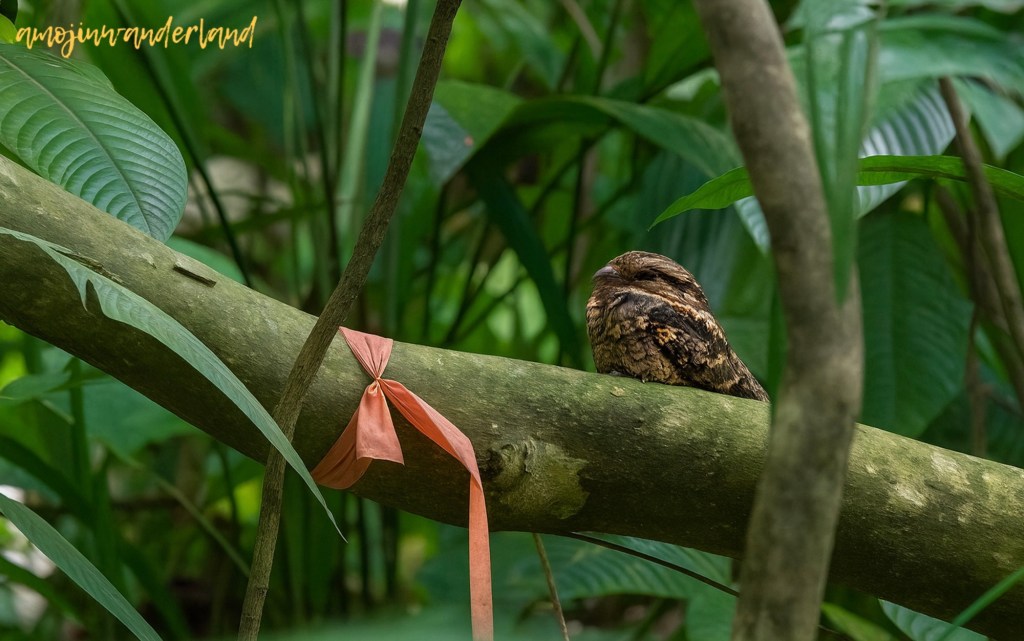
As we continued along the path, the trees offered even more surprises. A Brown Shrike kept watch from an exposed branch, alert and observant. Deeper among the foliage, perfectly camouflaged, we found a Philippine Nightjar resting still and nearly invisible unless pointed out by our guide—a reminder of how much wildlife we miss without trained eyes beside us.


After completing our sightings around the steel bridge, we moved on to the forested area near the dam. Here, the environment felt thicker and more humid, with taller trees and more layered vegetation. In the open patches above us, a group of White-breasted Woodswallows perched confidently; flashes of yellow signaled the presence of the Yellow-naped Oriole weaving between branches; and nearby, the dark figure of a Philippine Coucal appeared among the foliage, its striking red eye catching the light. In the grassy sections, the loud, unmistakable call of a Striated Grassbird led us to its perch. A beautiful Narcissus Flycatcher followed—a small, striking burst of color hopping between branches. Toward the end of the trail, we were rewarded again with another Philippine Nightjar, this time resting quietly on the forest floor, blending perfectly into the dry leaves.


By late morning, the sun had risen fully, warming the forest and casting golden light over the dam. What made the morning special was not just the variety of birds we saw, but the sense of discovery—finding wildlife thriving in the middle of Metro Manila, just waiting for early risers to appreciate.
 Amoj In Wanderland