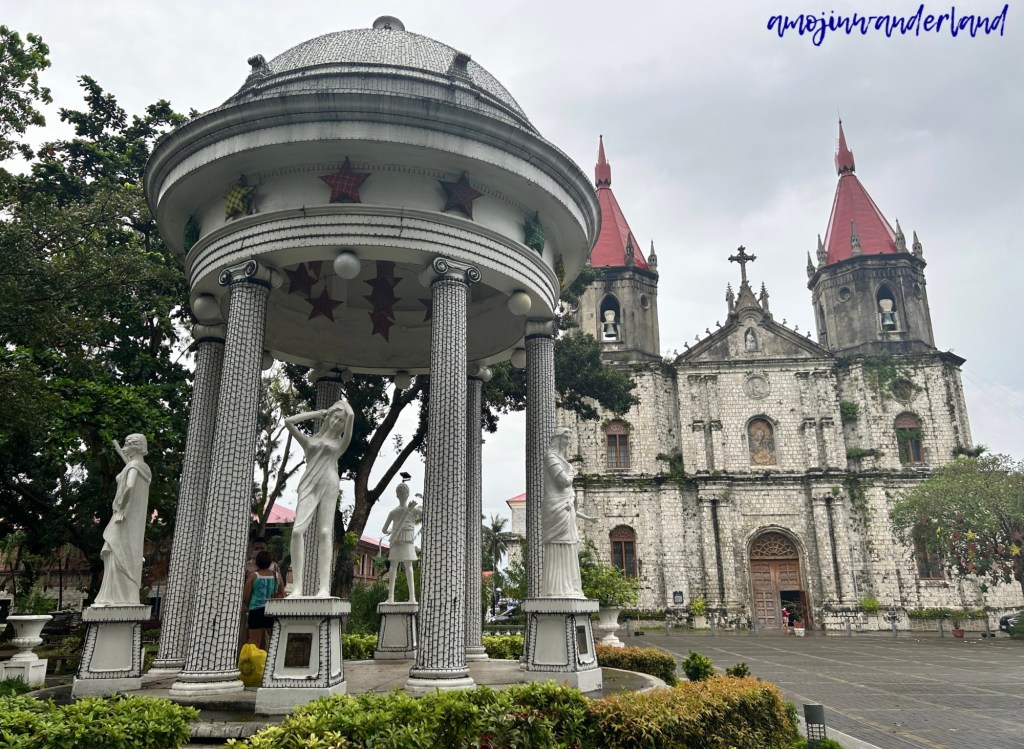
Between the Molo Church and the Molo Mansion lies the Molo Plaza. Built in the 1920s as the center of the then-municipality of Molo, the plaza reflects the district’s long-standing reputation as the “Athens of the Philippines”, a title earned through its deep association with influential Filipino intellectuals, Ilustrados, and political leaders. Throughout history, Molo has been home to many of the country’s chief justices, senators, governors, generals, congressmen, and cabinet officials, solidifying its status as a cradle of leadership and thought.
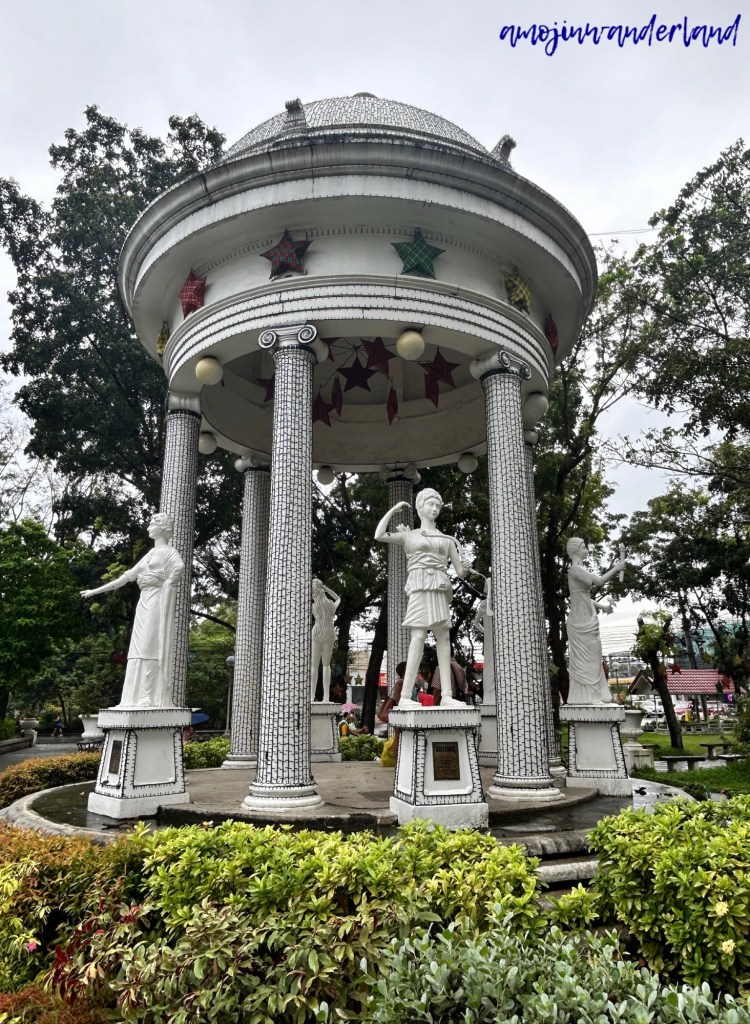
This legacy of scholarship and culture is echoed in the plaza’s artistic features. At its core stands a charming gazebo, surrounded by statues of Greek goddesses—an homage to classical ideals of wisdom, beauty, and civic life. This unique arrangement not only enhances the plaza’s aesthetic appeal but also reflects Molo’s intellectual heritage and its embrace of classical symbolism.
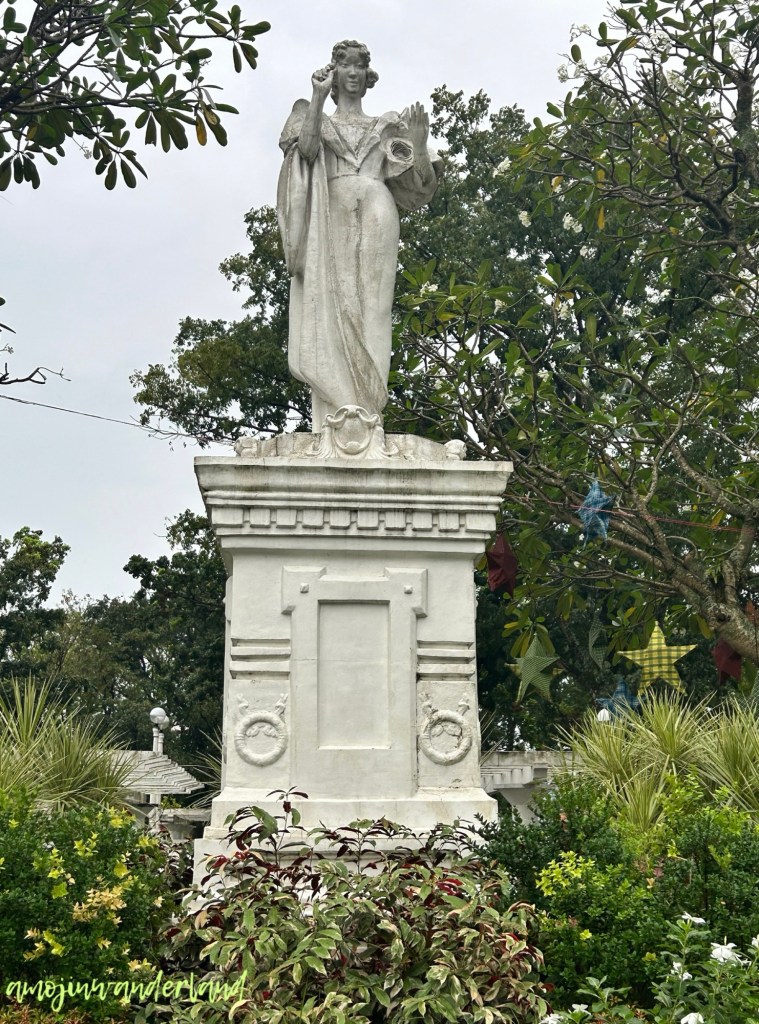
Adding to this cultural ensemble is the 1933 monument of Maria Clara, sculpted by the distinguished Italian artist Francesco Riccardo Monti di Cremona. In this work, Maria Clara is portrayed in a traditional Filipina costume, embodying the historical, social, cultural, and economic evolution of the area. Monti, who dedicated much of his life to enriching Philippine art, is celebrated for his significant and selfless contributions to the country’s sculptural tradition.
 Amoj In Wanderland