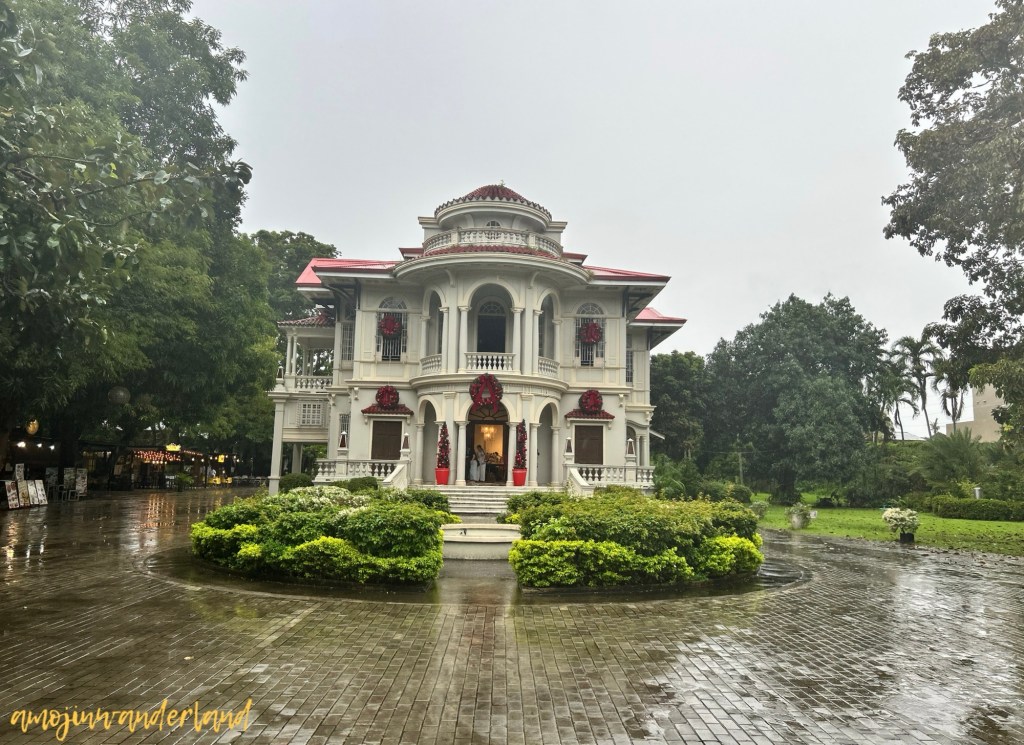
The Yusay Consing Ancestral House, originally known as the Lacson Yusay Ancestral House and now popularly called the Molo Mansion, rises with quiet grace at the heart of Iloilo’s historic district. This neoclassical art deco heritage house stands as one of the finest architectural treasures in the region. Built in 1926 by Doña Petra Lacson, a respected matron of the Lacson clan, together with her husband Estanislao Yulo Yusay, a prominent lawyer and judge from Molo, the mansion embodied the social stature and refined taste of the family who lived within its walls. The couple raised ten children in the mansion, filling it with life, music, family gatherings, and the everyday rhythms of an elite household in early twentieth century Iloilo.
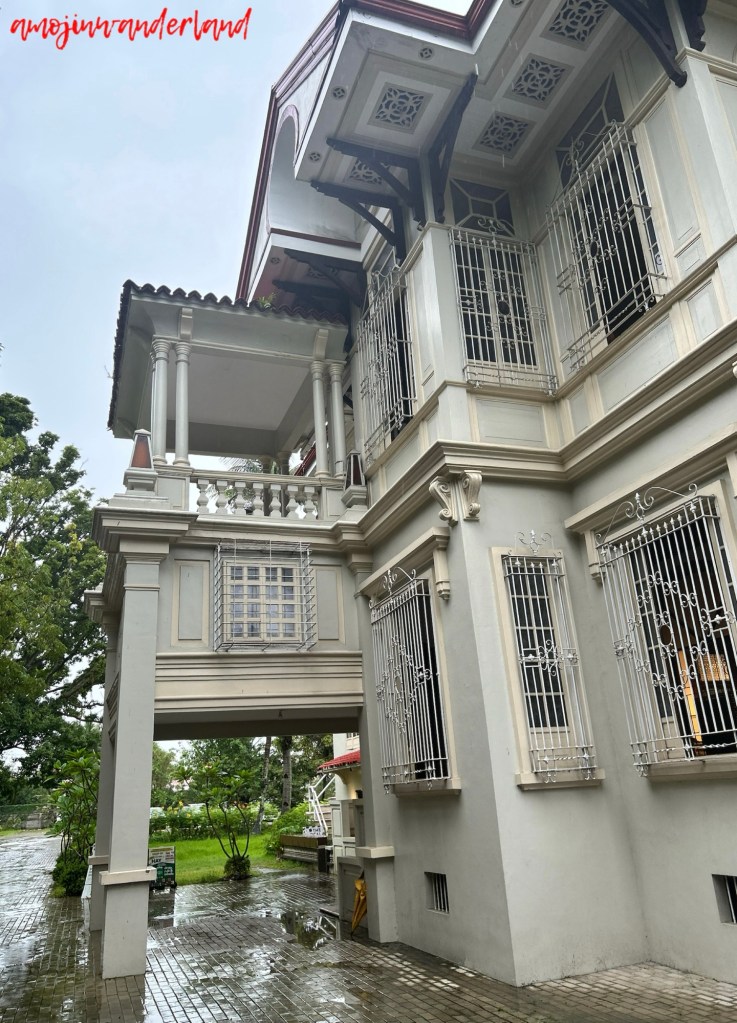
In 1940, Estanislao passed away, and the property was inherited by one of their children, Rosario Yusay. Rosario lived in the mansion with her husband, Timoteo Consing Senior, who served as governor of Iloilo from 1934 to 1937. Their family maintained the elegance and prestige of the home, which eventually passed to their son, Timoteo Consing Junior, and his wife, Nieva Ramirez Consing, who was among the owners of Passi Sugar Central. After many decades of family stewardship, the Consing family sold the property to the SM Group in 2014, paving the way for its restoration and public reopening.
When the mansion was rescued from near abandonment, many Ilonggos celebrated. The restoration felt like a victory for heritage conservation, especially in a country where so many ancestral houses have faded into disrepair or have been replaced by modern structures that lack the stories and soul of the old ones. The revival of the Molo Mansion revitalized the heritage landscape surrounding St. Anne Church and the plaza, helping to reestablish Molo as one of Iloilo’s most culturally significant districts.
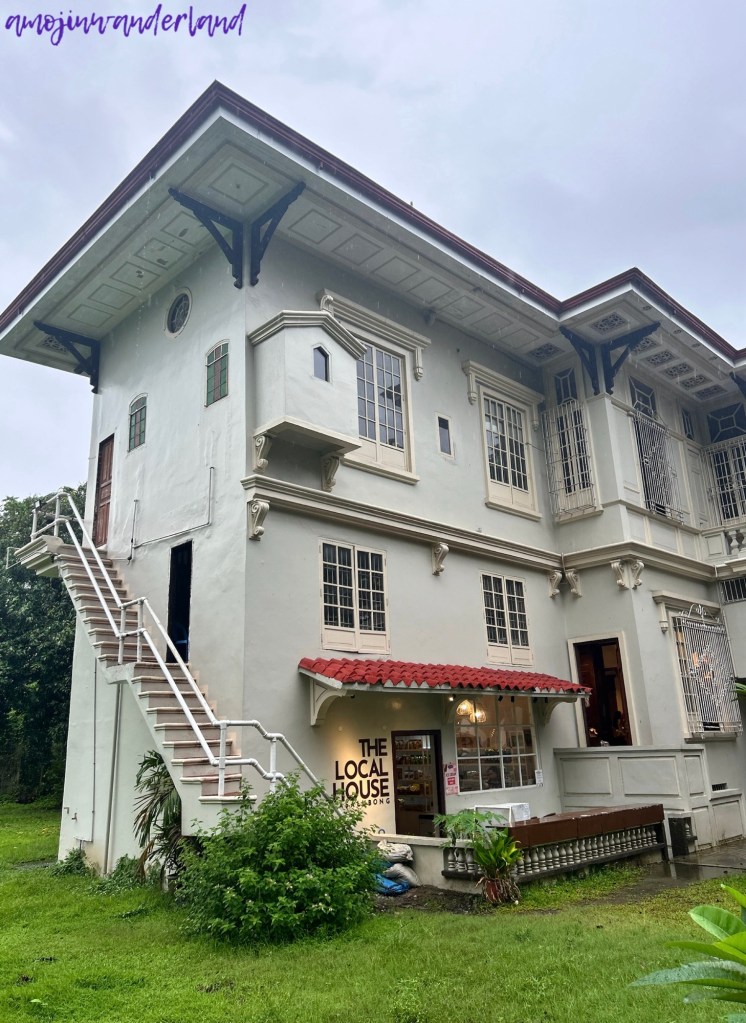
However, what began as a triumph slowly evolved into a more complicated narrative. Many people imagined that the restored mansion would become a cultural center, a place where visitors could explore the rich intellectual and political history of Molo. The district is often called the Athens of the Philippines because it was home to many influential thinkers, writers, leaders, and Ilustrados. The mansion seemed the perfect place to honor that legacy through curated exhibits, cultural programs, and storytelling spaces that would bring its history to life.
Instead, the mansion became a branch of Kultura. While Kultura celebrates Filipino craftsmanship, the transformation of a house with such profound historical significance into a retail store prompted mixed reactions. The concern is not about supporting local artisans. Rather, it is about the overwhelming commercial presence that now dominates a space that should have been a sanctuary of memory and heritage.
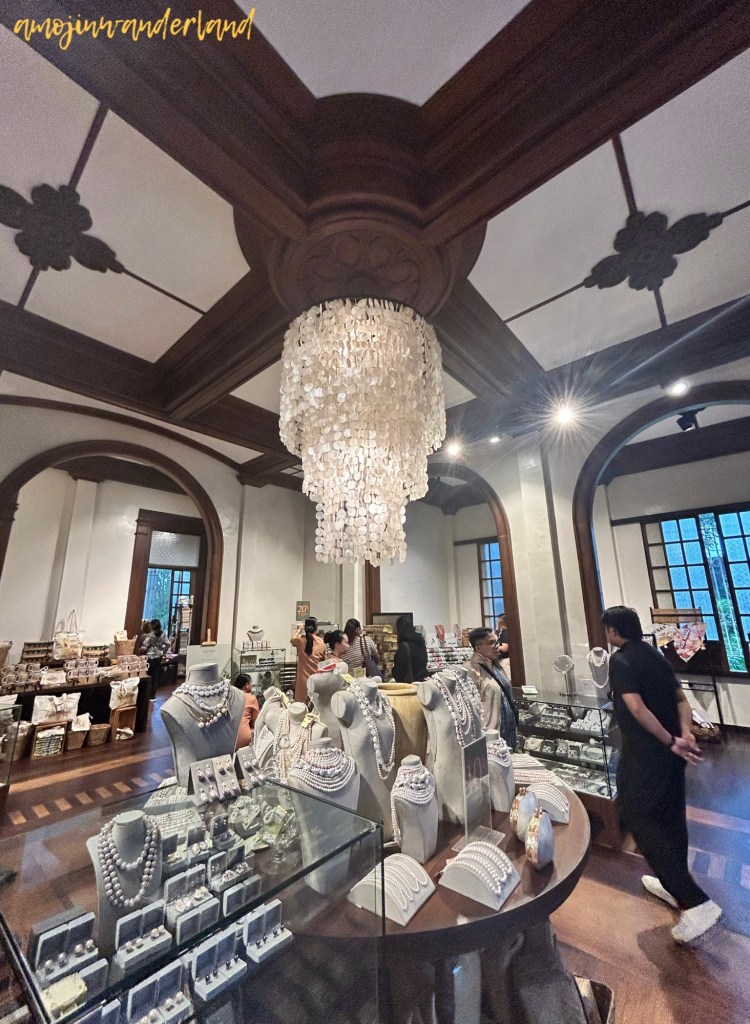
Walking into the mansion today brings both admiration and a lingering sense of loss. Its architecture remains stunning. The capiz windows glow as the sun filters through, the carved wooden details still reveal the artistry of their makers, and the rooms continue to whisper stories of the families who lived and loved here. Yet the ambiance has changed. Instead of artifacts, photographs, and heritage narratives, visitors encounter store displays, racks of clothing, and rows of souvenirs that could exist in any modern shopping center.
The unique identity of the mansion becomes muted by this commercial setting. The deeper story of the Yusay and Consing families, as well as the significance of the mansion to the cultural life of Molo, is overshadowed. The building feels preserved but not fully honored, restored but not fully reimagined.
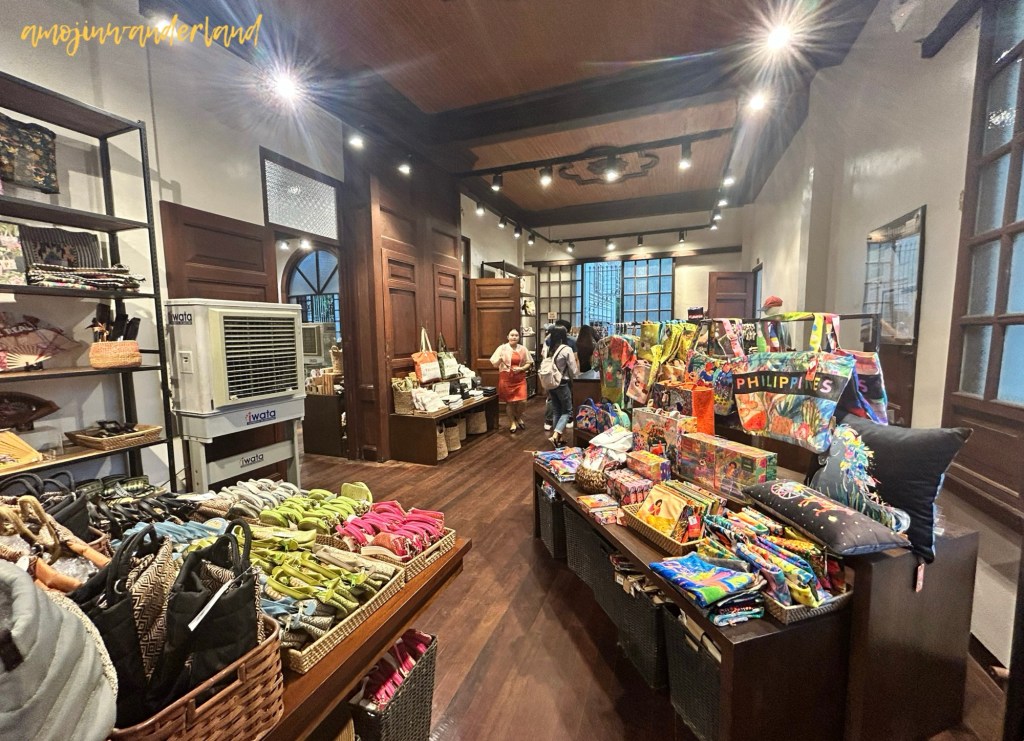
Commerce and heritage can coexist, but they must do so with sensitivity. SM had the resources to create a hybrid cultural and commercial model. A portion of the mansion could have become a museum that highlights its lineage and the district’s intellectual history. Cultural exhibits, workshops, and community gatherings could have been held within the halls where the Yusay and Consing families once lived. Kultura could have complemented the mansion, not overtaken it.
Today, the Molo Mansion stands as a beautiful shell with a purpose that feels somewhat shallow compared to the depth of its past. It is a place worthy of reflection, learning, and appreciation. It should be a space where Ilonggos and visitors can discover Molo’s illustrious contributions to Philippine history and understand the significance of the families who shaped the district.
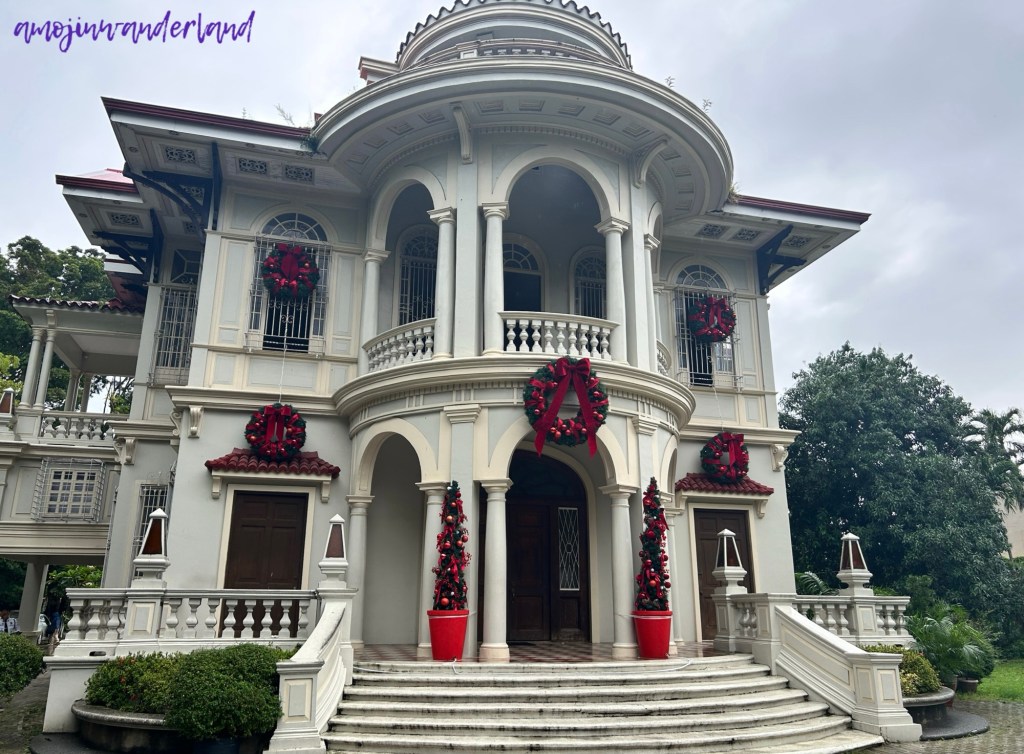
SM deserves recognition for saving the mansion from deterioration. However, preservation demands more than structural restoration. It requires a commitment to storytelling, authenticity, and cultural memory. The Molo Mansion deserves a future that matches the richness of its past. It deserves to be a space where history is not overshadowed by price tags, and where the soul of Molo is allowed to speak clearly and proudly.
There is still time to reimagine the mansion in a way that honors its identity while remaining sustainable. The Molo Mansion is more than a retail venue. It is a testament to Iloilo’s heritage, and it deserves a purpose that reflects its story with dignity, depth, and meaning.
 Amoj In Wanderland