Iloilo City is composed of seven districts, namely the City Proper, Jaro, La Paz, Lapuz, Molo, Mandurriao, and Arevalo. What makes Iloilo even more fascinating is how each district carries its own identity, culture, and beloved culinary treasure. On my recent visit, I found myself savoring these district-born specialties firsthand: La Paz Batchoy in La Paz, Pancit Molo in Molo, Biscocho in Jaro, and even the legendary siopao from Roberto’s at Calle Real in the City Proper.
La Paz District
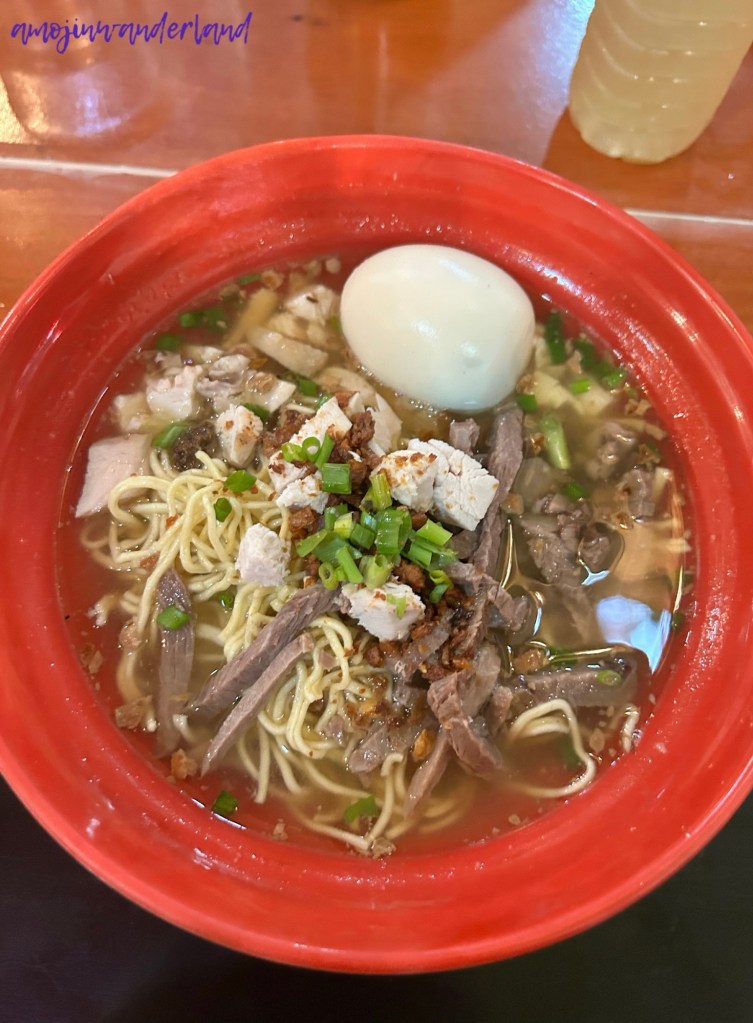
In La Paz District, the home of the legendary La Paz Batchoy, I had a steaming hot bowl at Alicia’s. Iloilo City proudly claims Batchoy as its own, the most popular variant in the Philippines. This comforting noodle soup brings together strips of pork meat and organs, chicharones, egg, garlic bits, onions, chives, and guinamos (local shrimp paste) in a savory and well-seasoned pork caldo.
Molo District
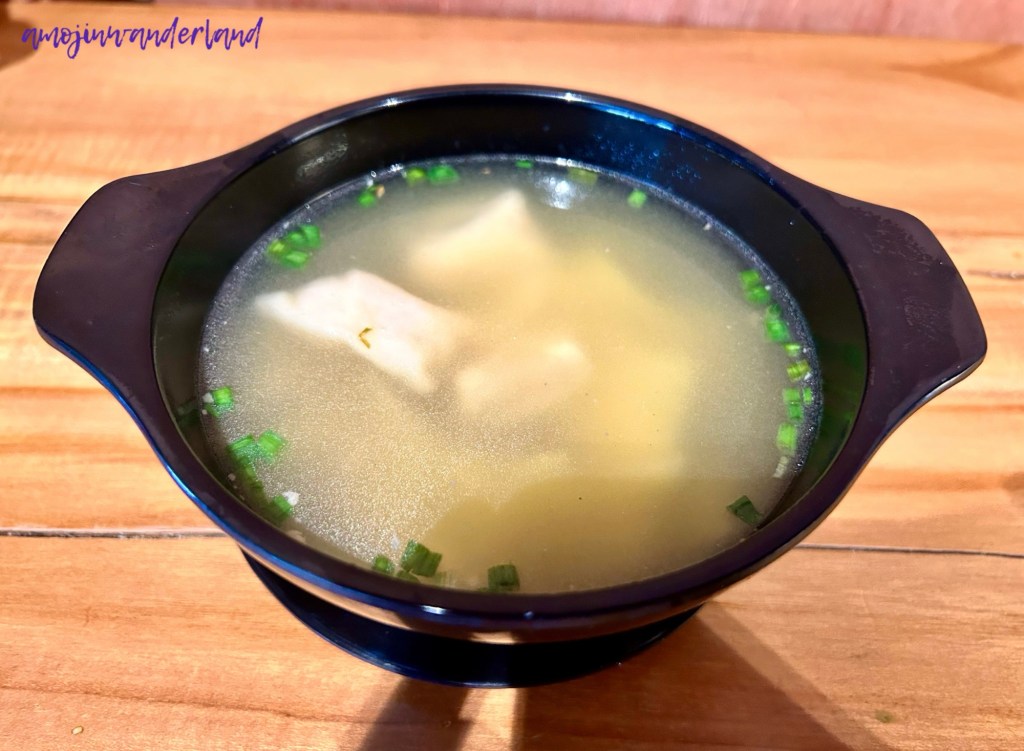
Molo District is the birthplace of the delicate and elegant Pancit Molo. Even though I enjoyed my bowl at the airport, it still carried the soul of Molo’s Chinese-Filipino heritage. The soft dumplings, wrapped thin and filled with seasoned meat, floated gently in a light ginger-infused broth.
Jaro District
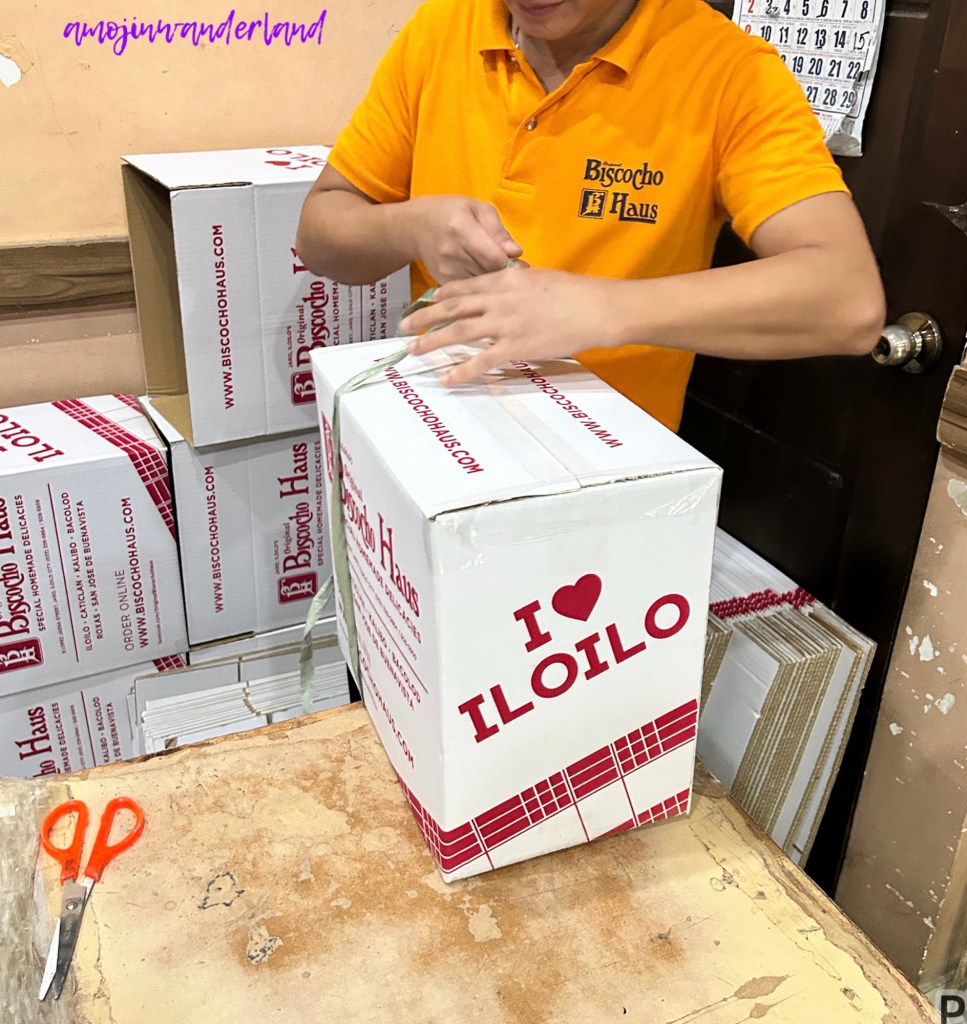
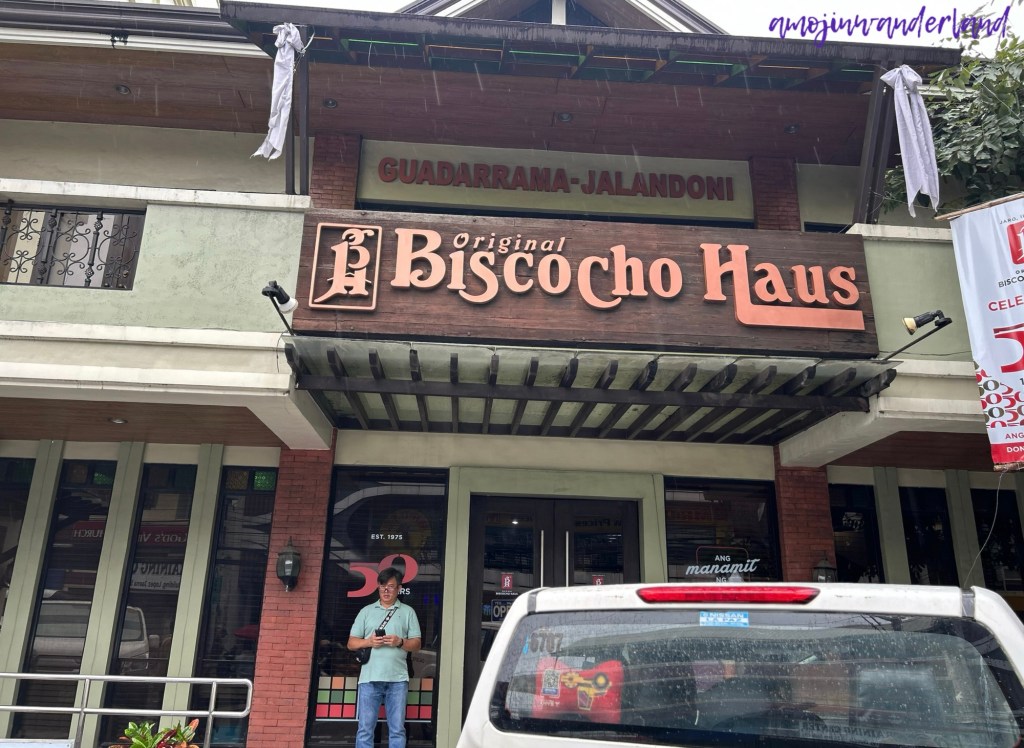
Jaro District is famous for another Ilonggo staple: biscocho. While I was there, I passed by the beloved Original Biscocho Haus to buy gifts. Established in 1975 as a cottage industry of specialty food products in the Jaro home of the Guadarrama-Jalandoni family, it has since grown into a household name known for crunchy biscocho, butterscotch, barquillos, and other Ilonggo treats.
City Proper
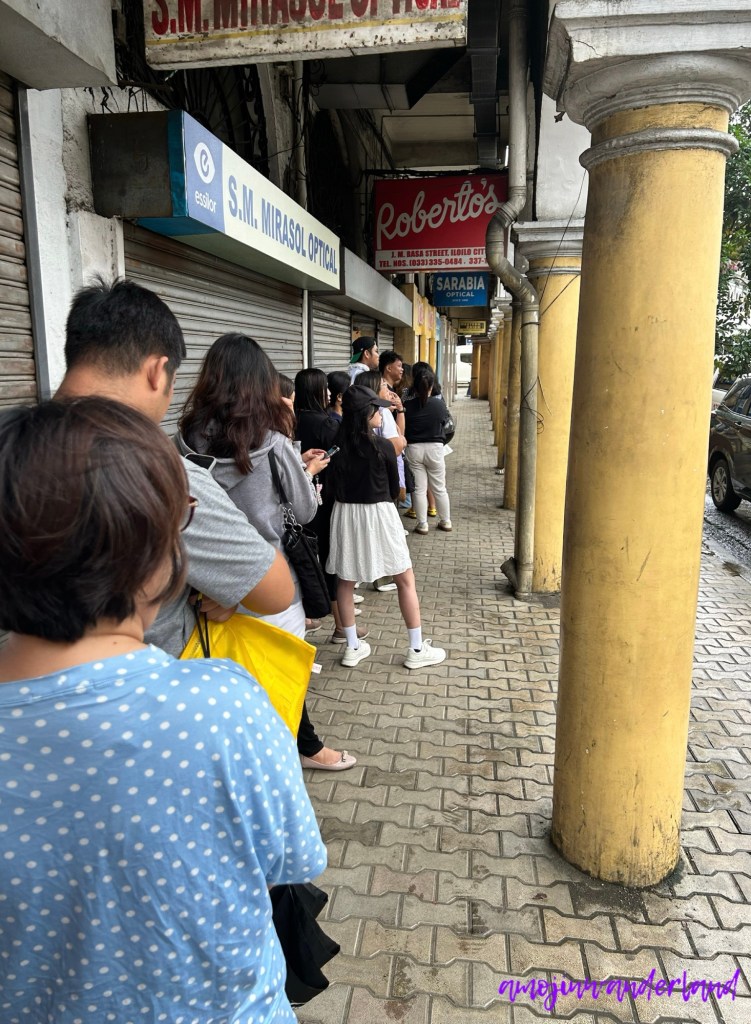
And of course, no food trip to Iloilo would be complete without visiting Roberto’s, a decades-old institution located at Calle Real in the City Proper. Known simply as Roberto’s, this eatery is famous for its generously filled siopao, especially the iconic Queen Siopao, stuffed with bacon, Chinese sausage, chicken-pork adobo, and eggs. Whether you’re a local or a tourist, Roberto’s is a rite of passage, a culinary landmark that continues to shape Iloilo’s food identity.
Experiencing these delicacies in their native districts made me realize how beautifully Iloilo’s food culture mirrors its geography. It is very interesting that two of the city’s most famous dishes, La Paz Batchoy and Pancit Molo, are proudly tied to the districts from which they originated. It also made me wonder why the other districts never developed their own signature dishes. Perhaps the answer lies in history, migration, community traditions, or simply in the way culinary stories take root only in certain places blessed with the right mix of culture and creativity.
What is certain, however, is that Iloilo City’s districts are not just administrative boundaries, they are vibrant cultural pockets, each contributing something unique to the city’s identity. And through these dishes, one delicious bowl, dumpling, or bite at a time, Iloilo continues to tell its rich and flavorful story.
 Amoj In Wanderland