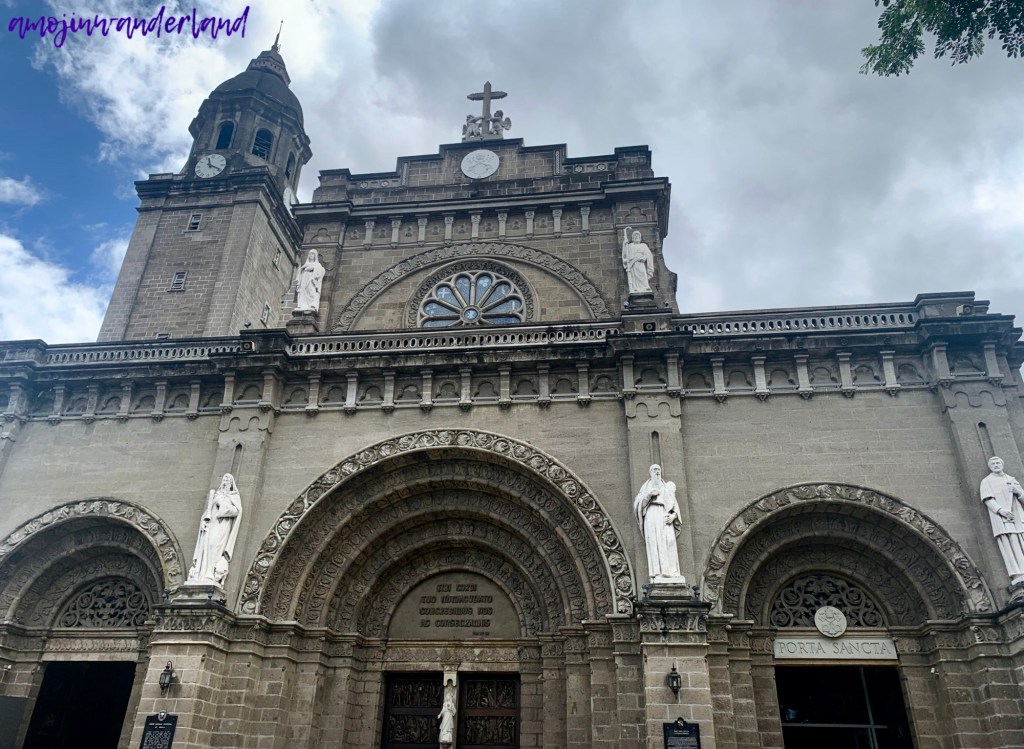
Minor Basilica and Metropolitan Cathedral of the Immaculate Conception of Manila
The devotion to the Immaculate Conception has been deeply woven into the fabric of Filipino Catholic life for centuries. It is a title that does not simply belong to theological discourse, but to the nation’s heart, history, and identity. Every December 8, the entire country pauses to honor Mary as the Immaculate Conception. She is the Patroness of the Philippines.
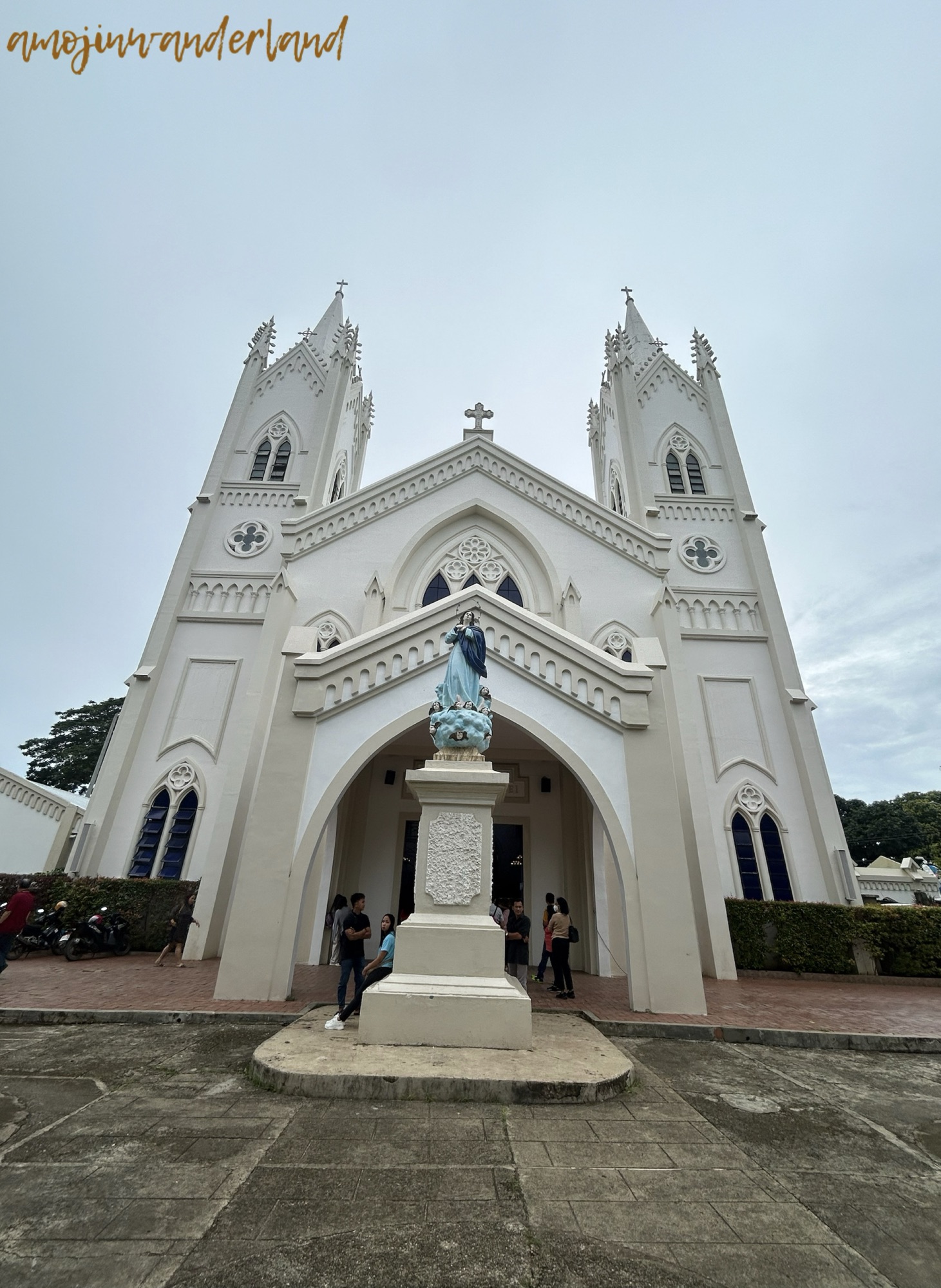
Immaculate Conception Cathedral of Puerto Princesa, Palawan
The roots of this devotion trace back to the Spanish colonial period. Catholicism was first introduced to the islands in the 16th century. From the beginning, Marian devotion played a central role in evangelization. Missionaries dedicated many churches and towns to the Virgin Mary under various titles, reflecting her role as protector and intercessor. Among these titles, the Immaculate Conception stood out for its message of purity. It proclaimed that Mary was conceived without original sin and embodied divine grace. The early Filipinos easily embraced her as a loving mother figure. She was someone close to their hearts who could understand their joys and struggles.
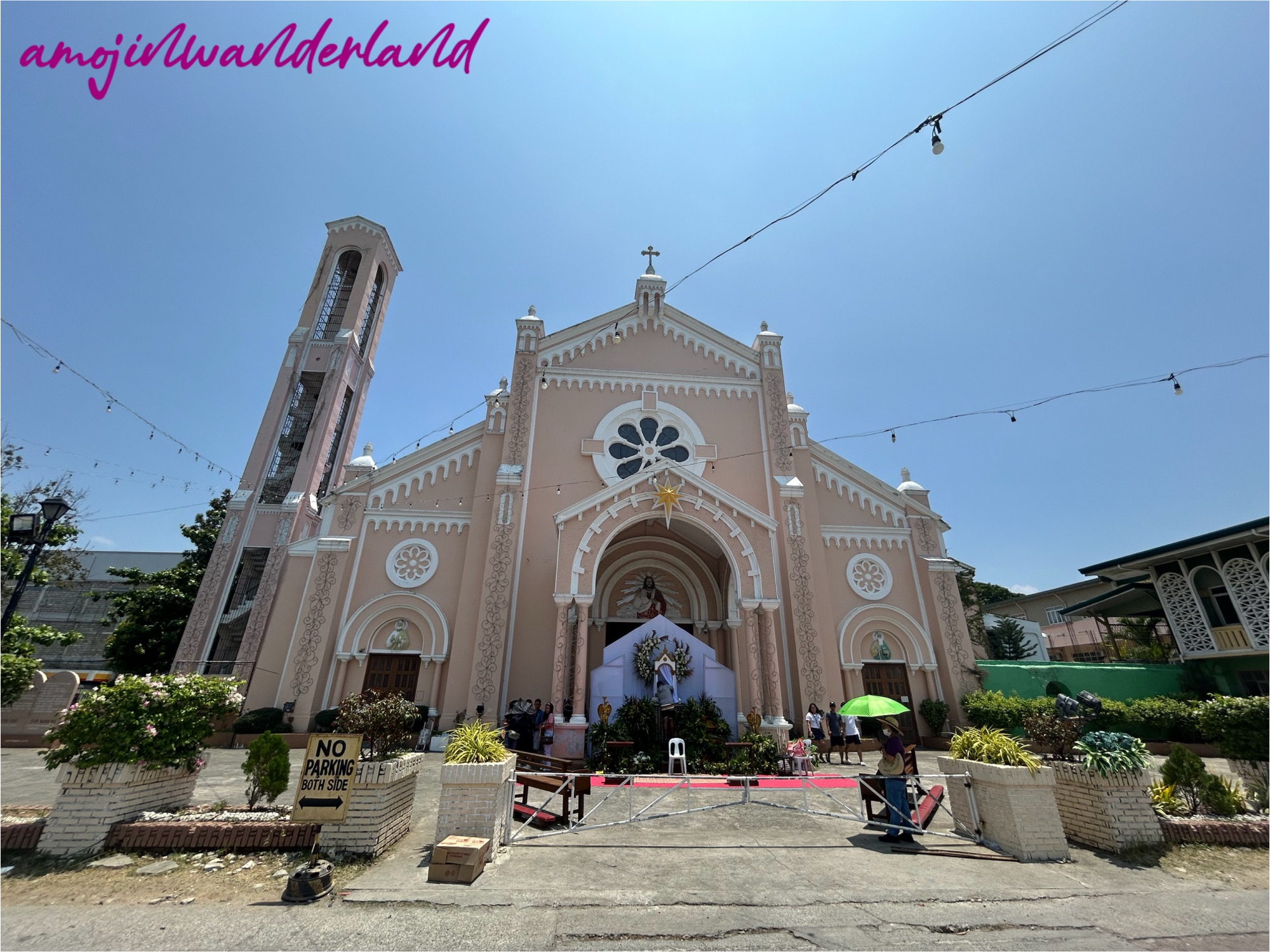
Immaculate Conception Church of Batac, Ilocos Norte
The Spanish crown governed the Philippines. During this time, it was common for entire territories to be placed under the patronage of saints. Initially, St. Pudentiana was recognized as the patroness of the Philippine Islands during the early years of colonization. Pope Gregory XIII granted her this title in 1578. Later, in 1670, St. Rose of Lima, the first canonized saint from the Americas, was also declared as a secondary patroness. Yet, even as these saints were honored, devotion to the Immaculate Conception quietly deepened among the faithful. This happened through feast days, processions, and parish dedications. This devotion would eventually define the country’s spiritual character.
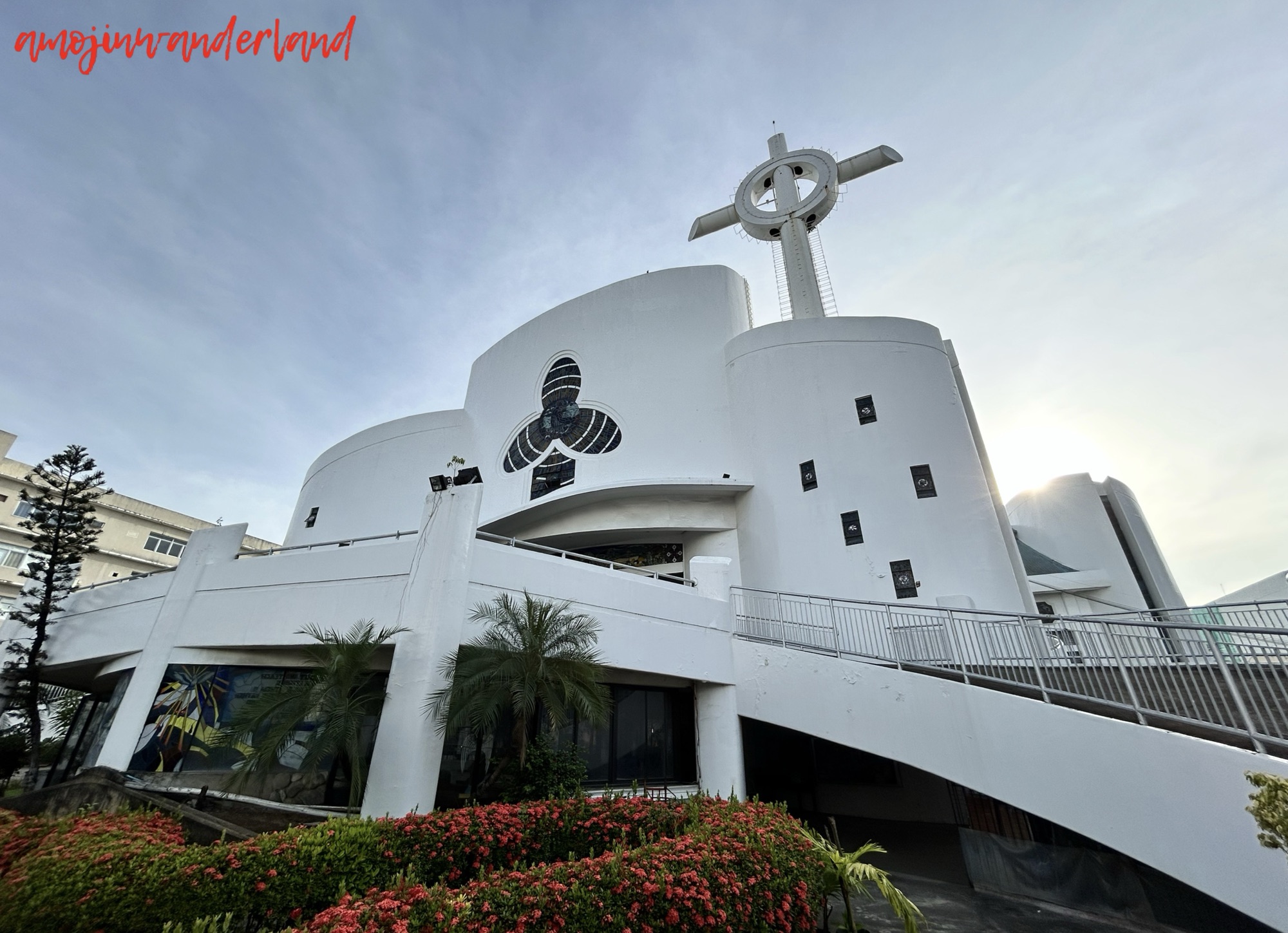
Metropolitan Cathedral of Immaculate Conception in Zamboanga City
The formal recognition of the Immaculate Conception as the principal patroness of the Philippines came much later. It occurred during a time of global uncertainty. On September 12, 1942, Pope Pius XII issued the Apostolic Letter “Impositi Nobis Apostolici.” This happened in the midst of World War II. He declared the Blessed Virgin Mary under the title of the Immaculate Conception as the principal patroness of the Philippines. The timing of this proclamation was symbolic. It was also providential. Amid the darkness of war, the Pope entrusted the Filipino people to the care of the sinless Virgin. She was the light of hope and grace. This declaration also recognized a devotion that had long been lived. The Filipino people had already placed their trust in Mary’s maternal protection for centuries.
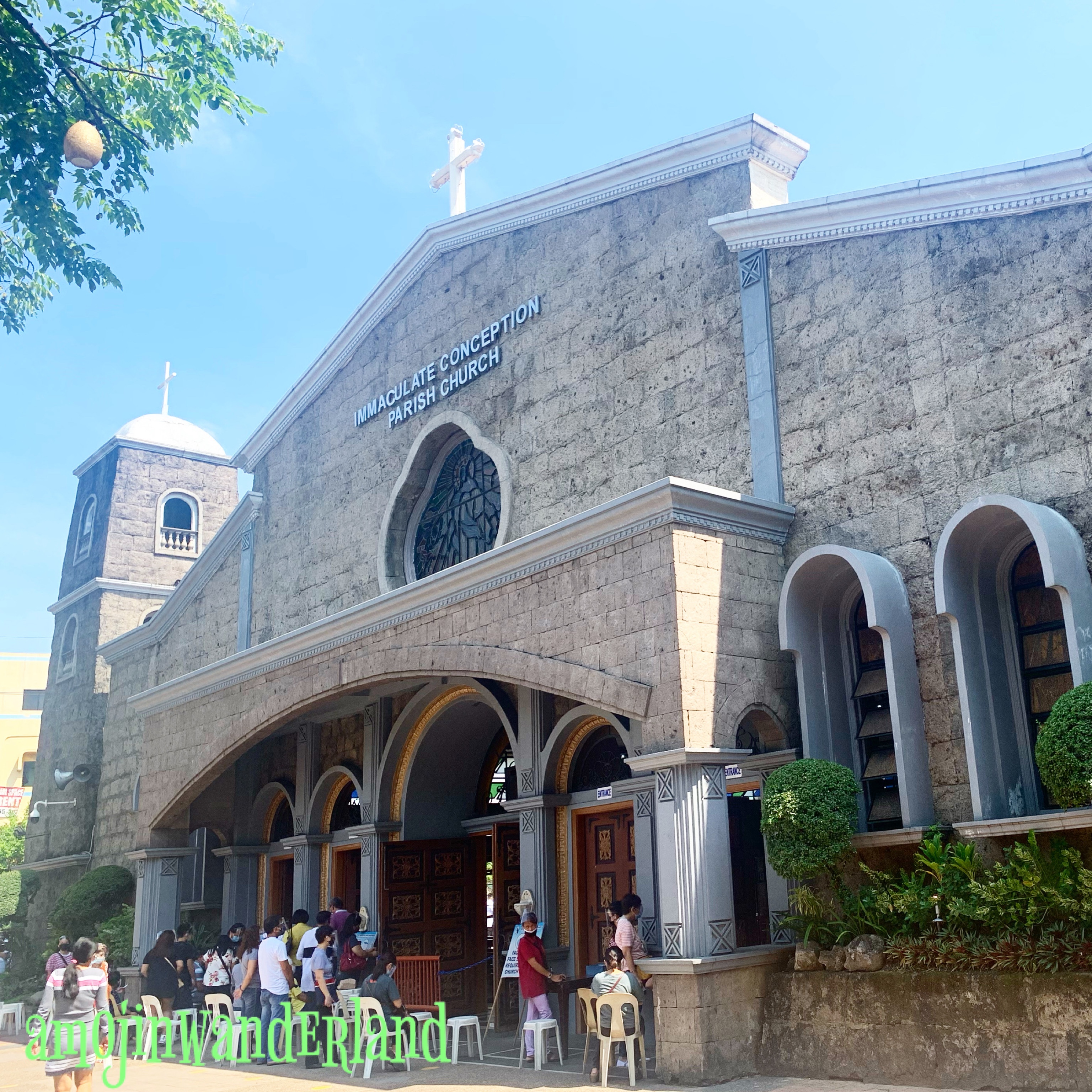
Immaculate Conception Church of Marikina
From that moment, the Immaculate Conception was officially inscribed not only in the Church calendar but in the nation’s identity. Filipino Catholics found in her an image of ideal purity and steadfast faith. Her feast day, December 8, became a day of solemn celebration. For decades, it was observed primarily as a liturgical feast. In 2017, Former President Rodrigo Duterte signed Republic Act 10966. This declared December 8 a special non-working holiday throughout the country. This law acknowledges the profound role the Immaculate Conception plays in Filipino culture and spirituality.
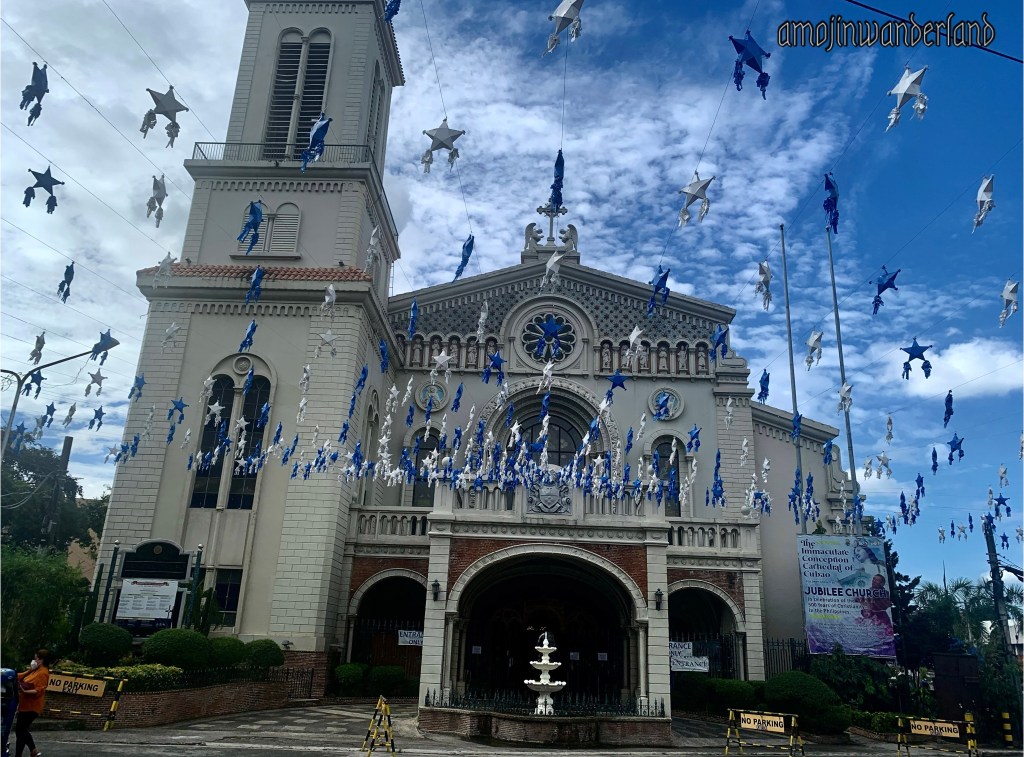
Immaculate Conception Cathedral of Cubao
Today, almost every province in the Philippines has a church, cathedral, or parish dedicated to her. The Manila Cathedral is officially known as the Cathedral-Basilica of the Immaculate Conception. It stands as the mother church of the country. It is also the seat of the Archdiocese of Manila. Its dedication to the Immaculate Conception embodies the faith of millions who call upon her in times of need. Other churches that I have visited bearing her name include the Immaculate Conception Cathedral of Cubao in Quezon City, the Our Lady of the Immaculate Conception Parish in Marikina, the Immaculate Conception Cathedral in Puerto Princesa City, and the Metropolitan Cathedral of the Immaculate Conception in Zamboanga City.
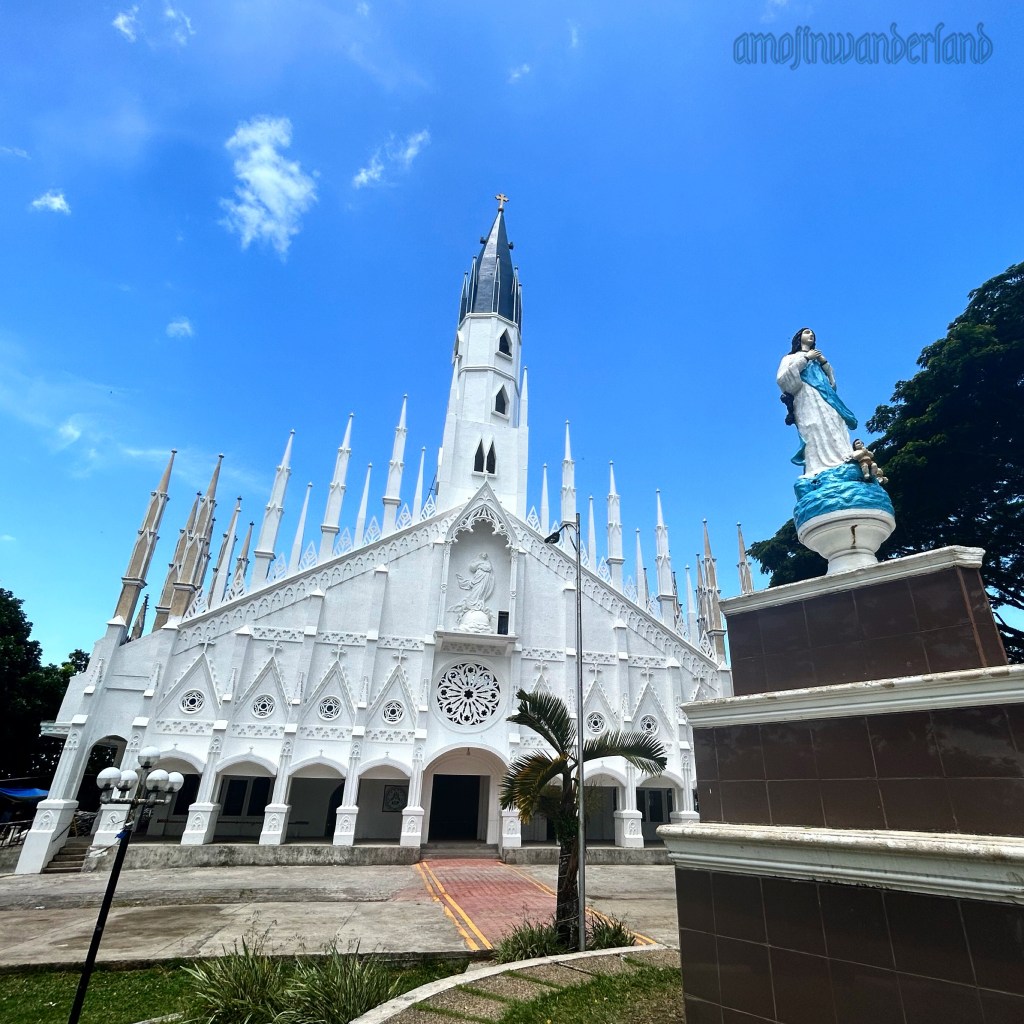
Our Lady of the Immaculate Conception Church of Burauen, Leyte
 Amoj In Wanderland