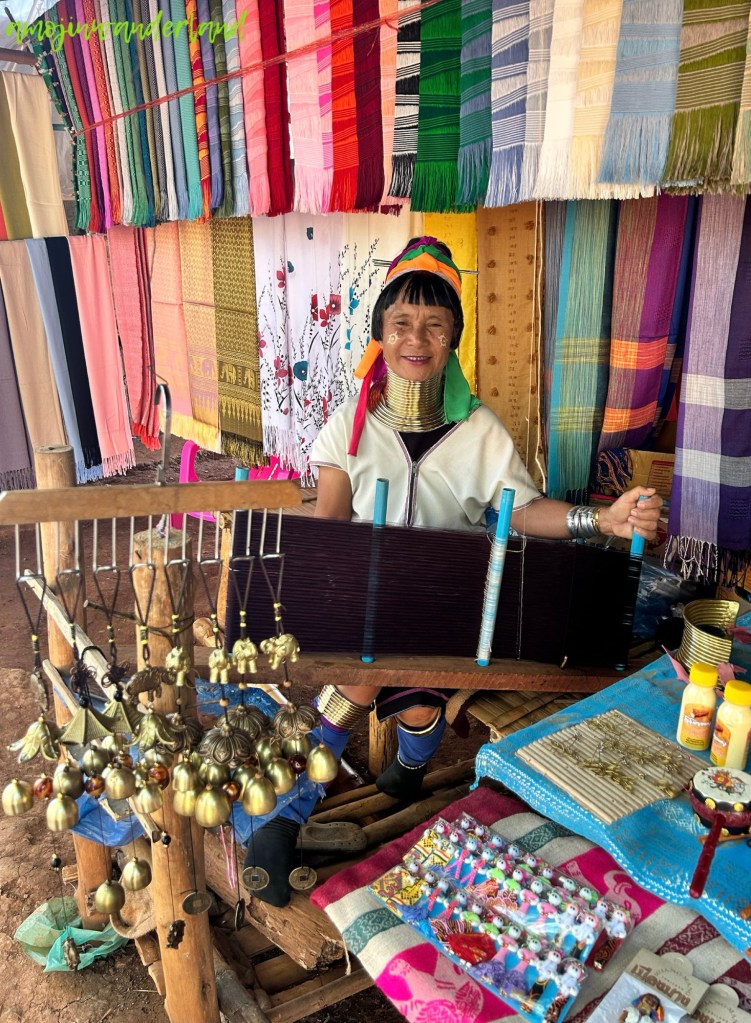
During the late 1980s and early 1990s, many tribal communities fled Myanmar and crossed into Thailand, escaping decades of persecution, civil war, and political instability. Among these displaced groups, the most visible, and arguably the most politicized, are the Longneck Karen, known to outsiders by this descriptive name but calling themselves the Kayan Lahwi or Padaung. Their story is not just about an unusual cultural tradition, but about displacement, survival, and the complicated realities of life in exile.
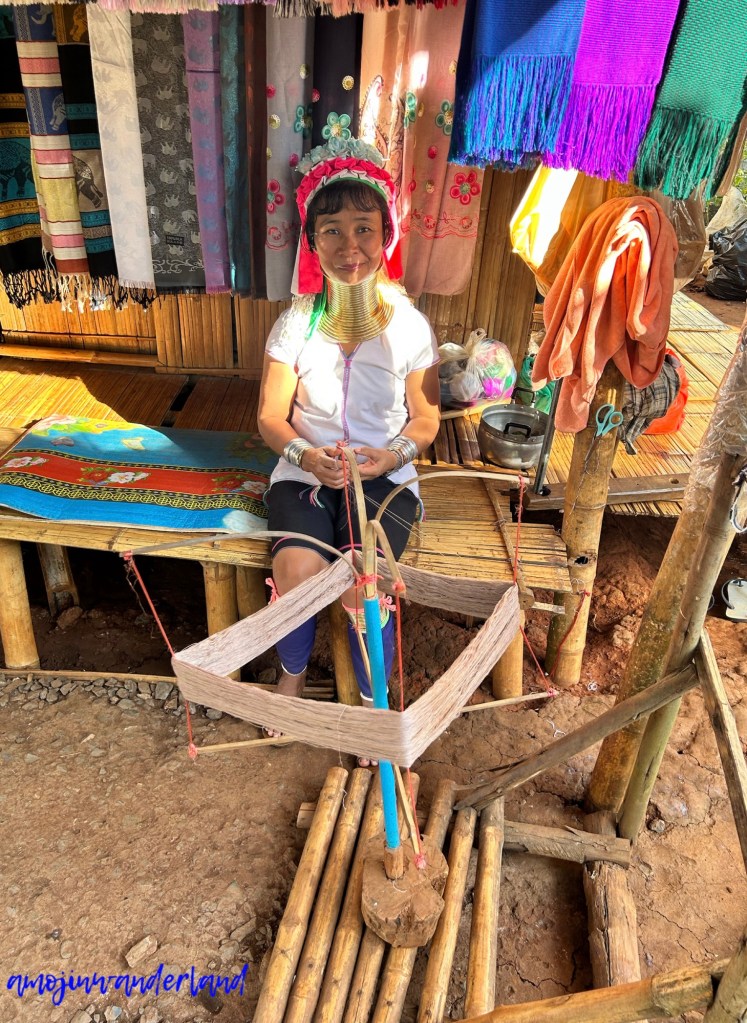
The Kayan people trace their origins back to central China, with historical accounts suggesting their gradual migration into present-day Myanmar around 1000 AD. For centuries, they lived in relative isolation in the highlands, preserving customs that would later draw global attention, most notably, the practice of women wearing brass rings around their necks. In Kayan culture, these rings are a symbol of beauty, identity, and tradition. Contrary to popular belief, the neck itself does not stretch. Instead, the heavy coils, sometimes weighing up to ten pounds, gradually press down on the collarbone and upper rib cage, creating the illusion of an elongated neck.
Girls begin wearing the brass rings at a very young age, sometimes as early as five. As they grow older, the coils are replaced with longer ones, with additional turns added over time. The weight can cause bruising and discomfort, yet the practice persists, deeply embedded in cultural identity. When the women reach young adulthood, they are given a choice: remove the rings or continue wearing them. Most choose to keep them, not because they are forced to, but because the rings have become inseparable from their sense of self and heritage.
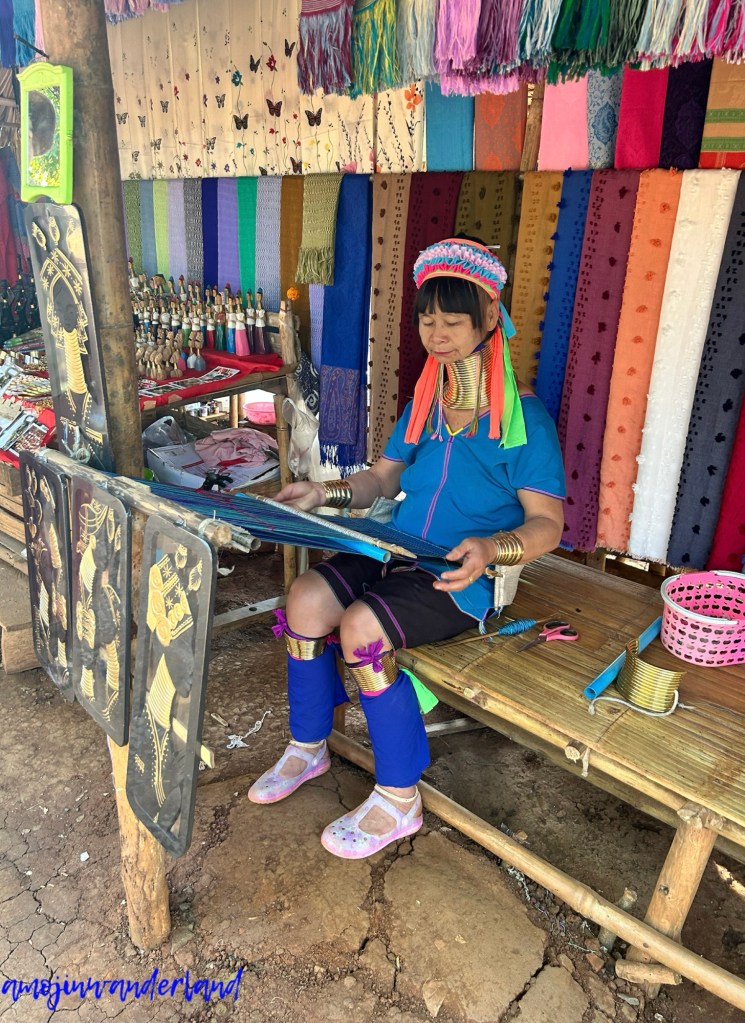
Seeing very young girls wearing these coils can be difficult, especially through the lens of an outsider. Yet this is where perspective matters. This is their culture, shaped long before modern tourism or international scrutiny. I came not to judge, but to understand and to learn, acknowledging that cultural practices cannot be fully grasped through quick visits or simplified narratives.
As curiosity and tourism grew, smaller “villages” were created in northern Thailand where visitors could see Kayan women and other hill tribes such as the Lahu, Kayaw, and Yao in traditional dress. These villages were also intended to provide income, allowing residents to sell handicrafts and souvenirs. According to widely available information, entrance fees collected from tourists are typically retained by the Thai government, which in turn provides a stipend to those living and working in these villages. Any additional income from selling goods is kept by the tribes themselves.
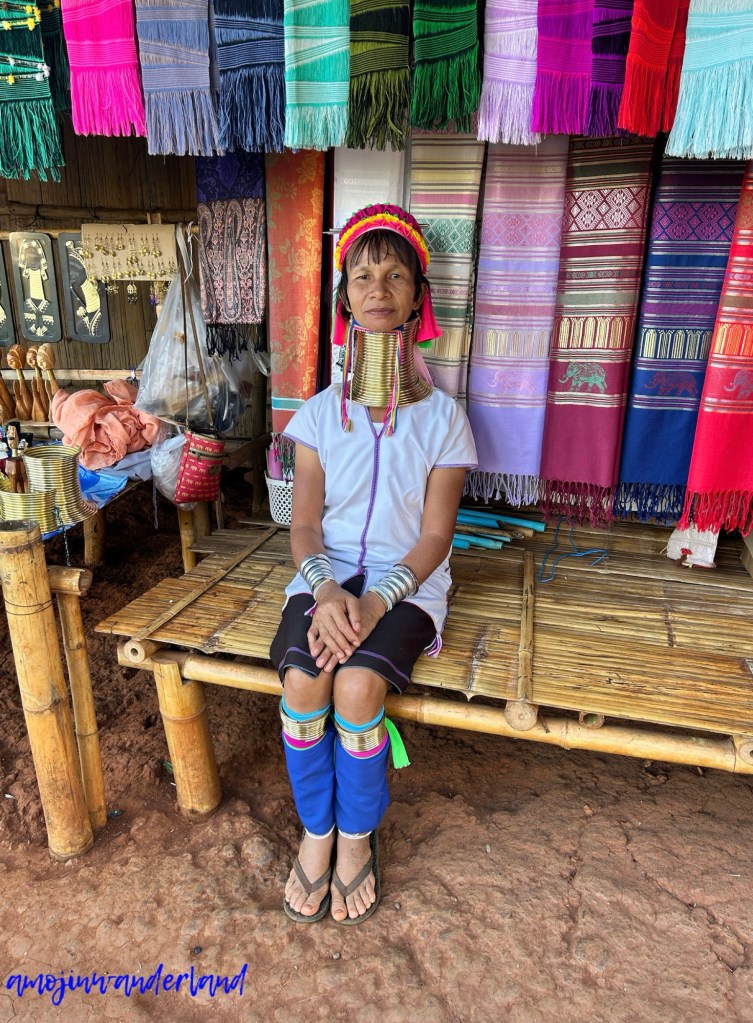
In reality, the experience felt far more commercial than cultural. The entrance fee alone was 300 Baht, frankly a bit overpriced, in my opinion. Inside, the village turned out to be essentially one long market. While there were a few genuinely handmade items crafted by the women, most of the products on sale were mass-produced goods from China, the same souvenirs found in markets all over Thailand. This blurred line between cultural support and commercial tourism left an uneasy feeling, raising questions about who truly benefits from these arrangements.
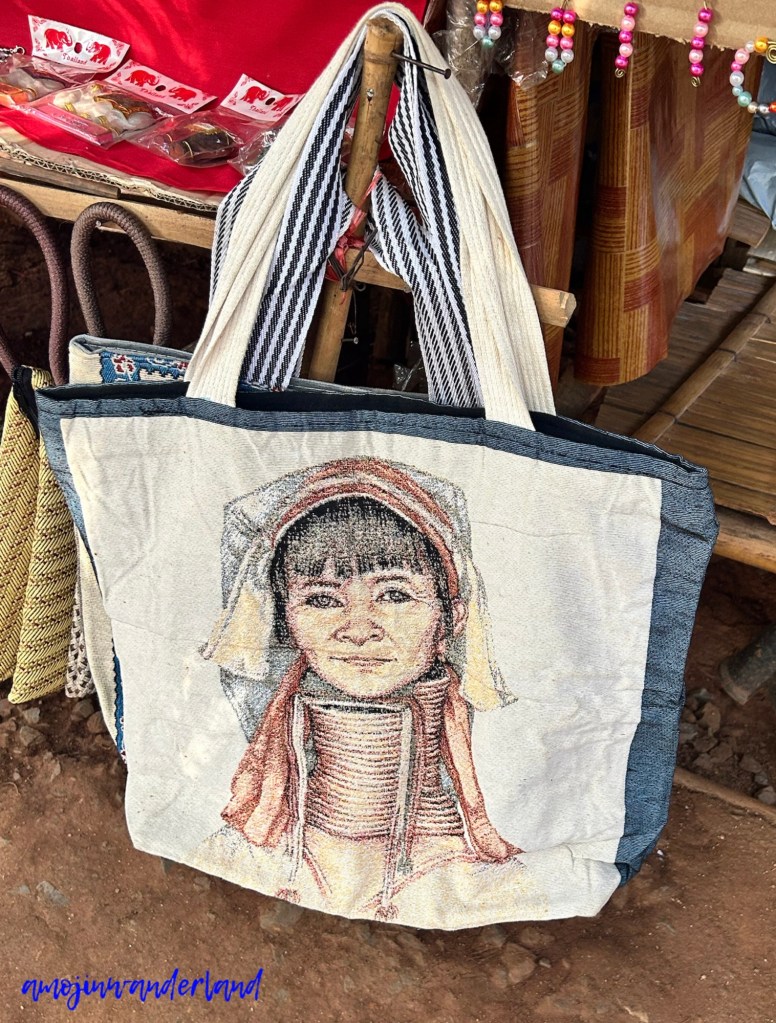
The ethical debate surrounding these villages intensified in 2008, when the United Nations compared visits to Kayan villages to “human zoos,” triggering global criticism and calls for boycotts. Reports surfaced that some Kayan families sought exit visas to resettle in countries like New Zealand but were denied. It was alleged that the Thai government was reluctant to let them leave due to the economic benefits generated by tourism.
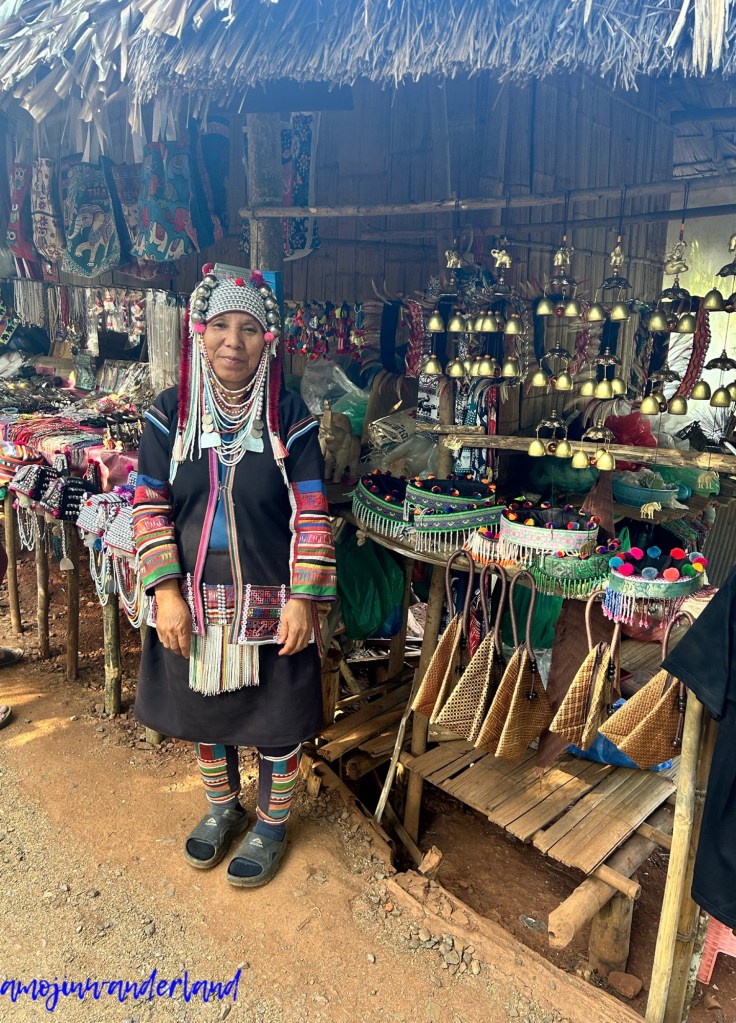
For many years, the Kayan were not allowed to leave their designated villages freely. Access to education, doctors, and hospitals was extremely limited, and movement outside these areas required permission. To remain in Thailand, they had to stay on the land allocated to them. While conditions have slowly improved in recent years, with better access to basic services and incremental easing of restrictions, their freedom remains constrained, and many continue to live in a state of prolonged displacement.
 Amoj In Wanderland