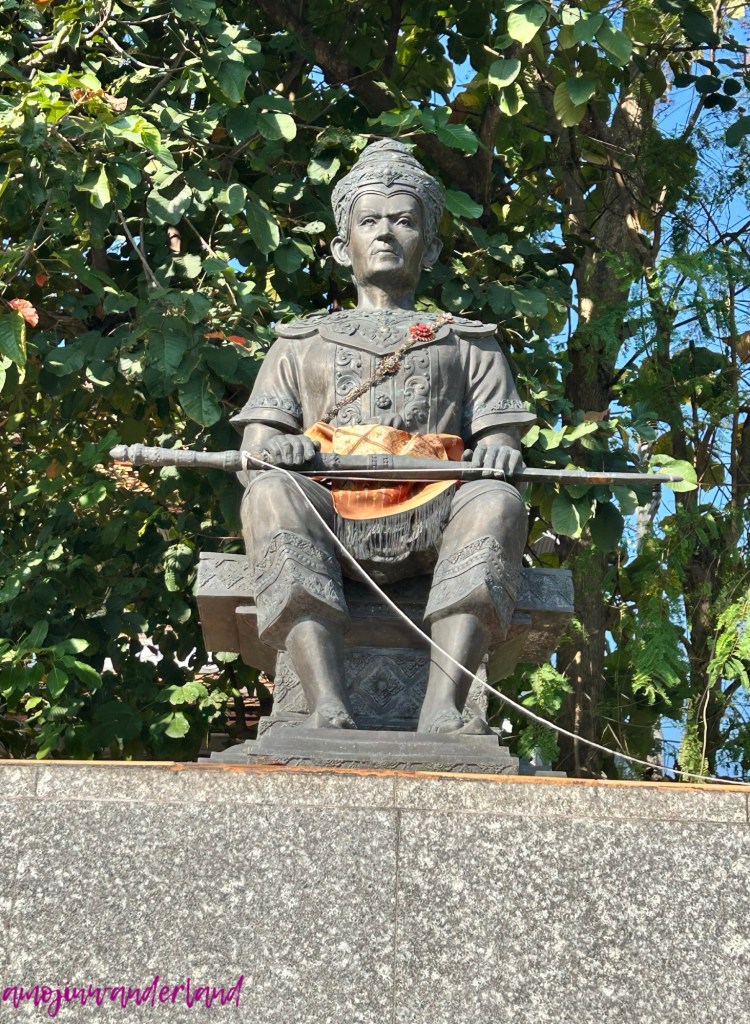
The story of Northern Thailand is inseparable from the rise and legacy of the Lan Na Kingdom, a civilization whose cultural influence continues to shape the region’s identity centuries after its political decline. Founded in 1296 by King Mangrai, Lan Na, literally meaning “a million rice fields”, emerged as a powerful kingdom rooted in fertile river valleys and sustained by sophisticated irrigation systems that supported both agriculture and trade.
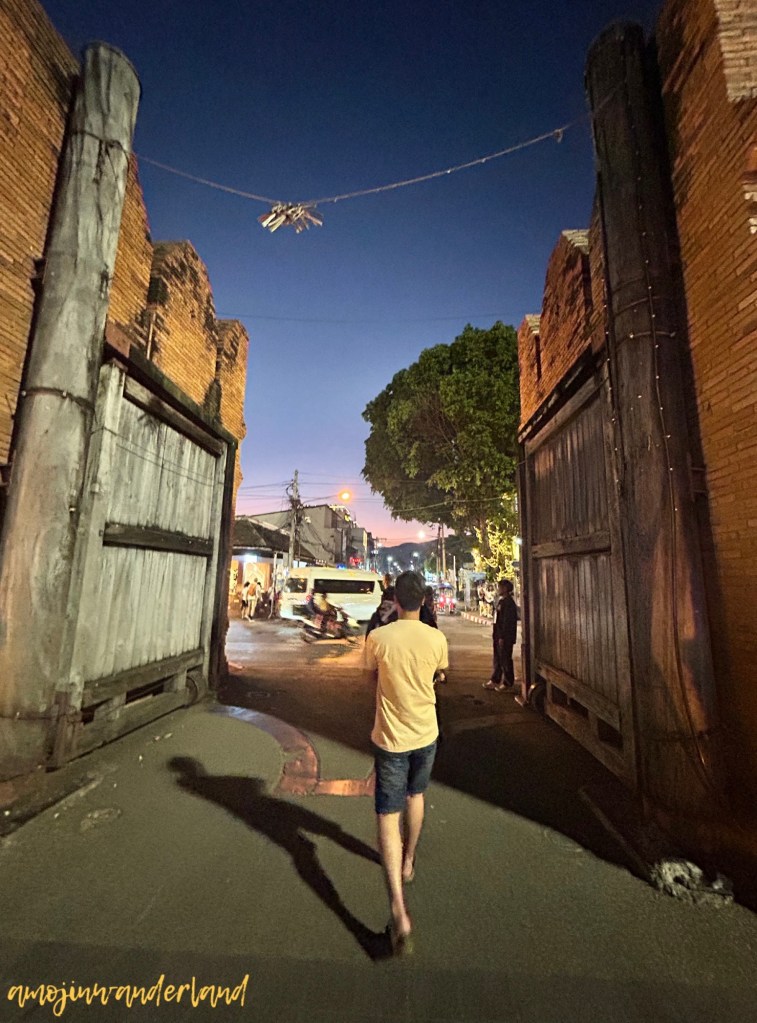
At its heart was Chiang Mai, established as the capital and envisioned as a sacred, cosmologically ordered city. Surrounded by walls and moats, Chiang Mai became not only a political center but also a spiritual and cultural hub, where Theravada Buddhism flourished. Temples such as Wat Phra Singh and Wat Chedi Luang embodied a distinctly Lanna aesthetic, restrained yet intricate, marked by layered roofs, elegant proportions, and finely carved wooden details that reflected harmony between spirituality, craftsmanship, and nature.
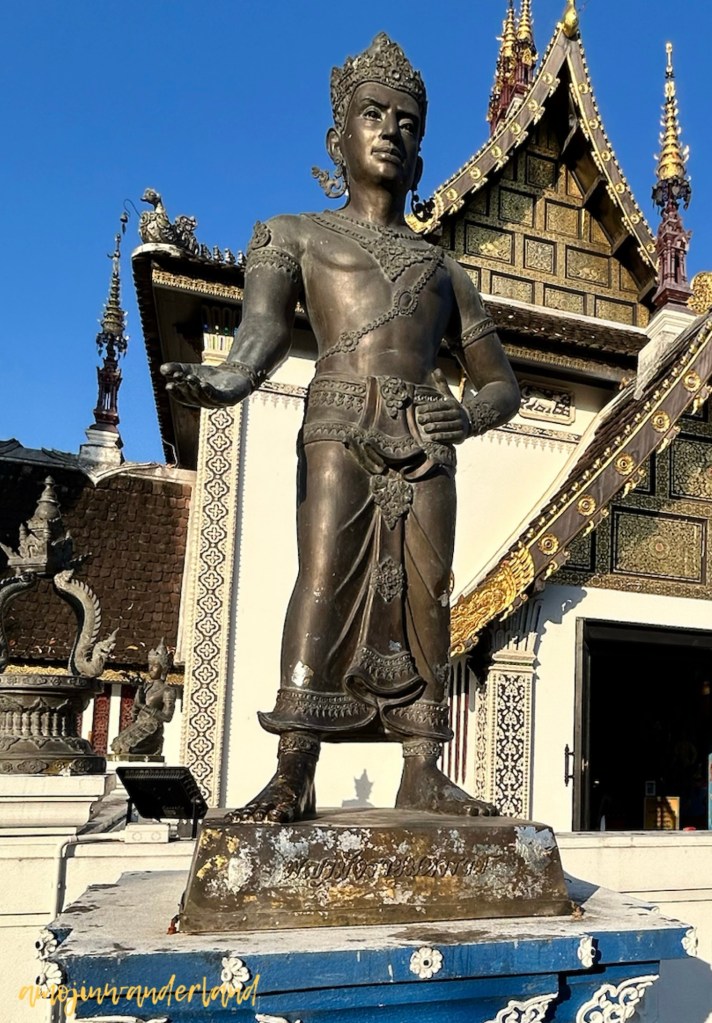
The Lan Na Kingdom reached its cultural and political height between the 14th and 15th centuries, extending its influence across much of present-day Northern Thailand and neighboring regions. Trade routes linking southern China, the Shan states, and the central Thai plains transformed Lan Na into a vibrant crossroads of ideas and beliefs. Buddhism deepened its roots during this period, shaping education, governance, and everyday life, while local scripts, rituals, and artistic traditions flourished in monasteries and royal centers.
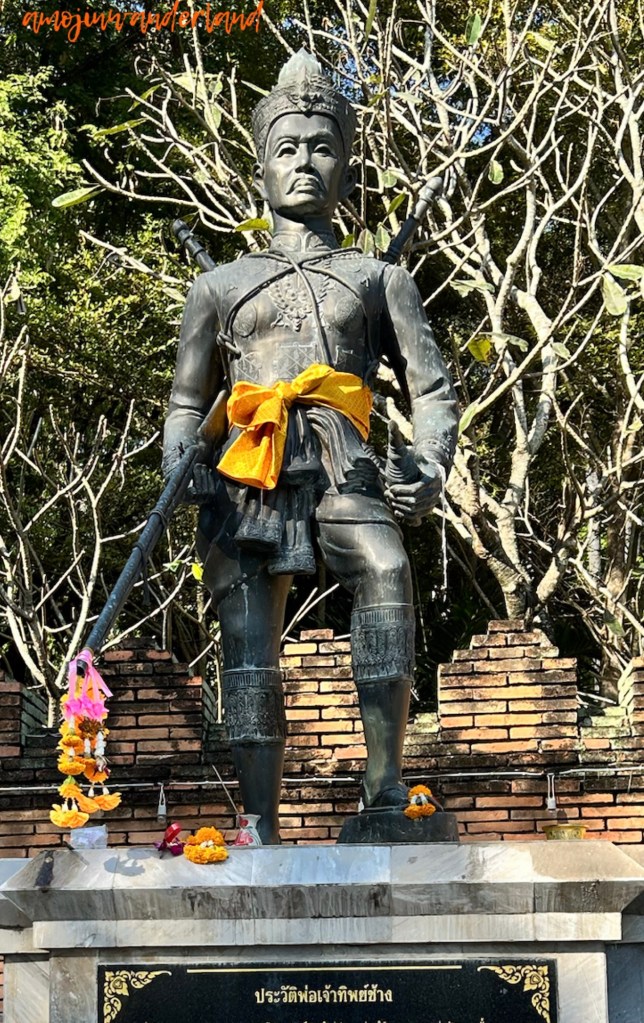
During my visit to Northern Thailand, my journey was deliberately shaped around this legacy. Rather than focusing on modern attractions, I sought out places that most clearly reflected Lan Na culture—ancient temples within Chiang Mai’s old city, mountain shrines, and quiet monastic spaces where the past still feels present. Standing beneath timeworn chedis and listening to the muted sounds of temple bells, it became clear that Lan Na heritage is not confined to museums but continues to live through these sacred spaces.
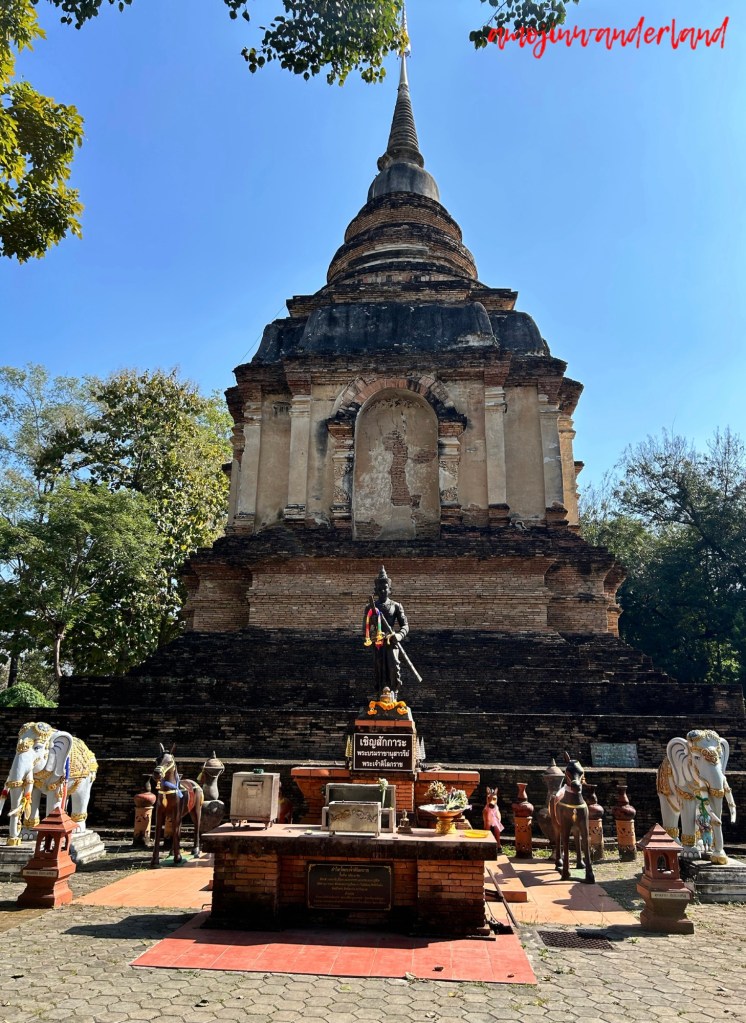
Lan Na’s political fortunes eventually waned, particularly after Burmese domination in the 16th century, followed by gradual incorporation into the Siamese state in the late 18th and 19th centuries. Yet even during periods of foreign rule, local traditions endured. Sites such as Wat Phra That Doi Suthep, overlooking Chiang Mai from its forested mountain perch, remained enduring symbols of faith and regional identity, linking the spiritual landscape to the historical memory of the kingdom.
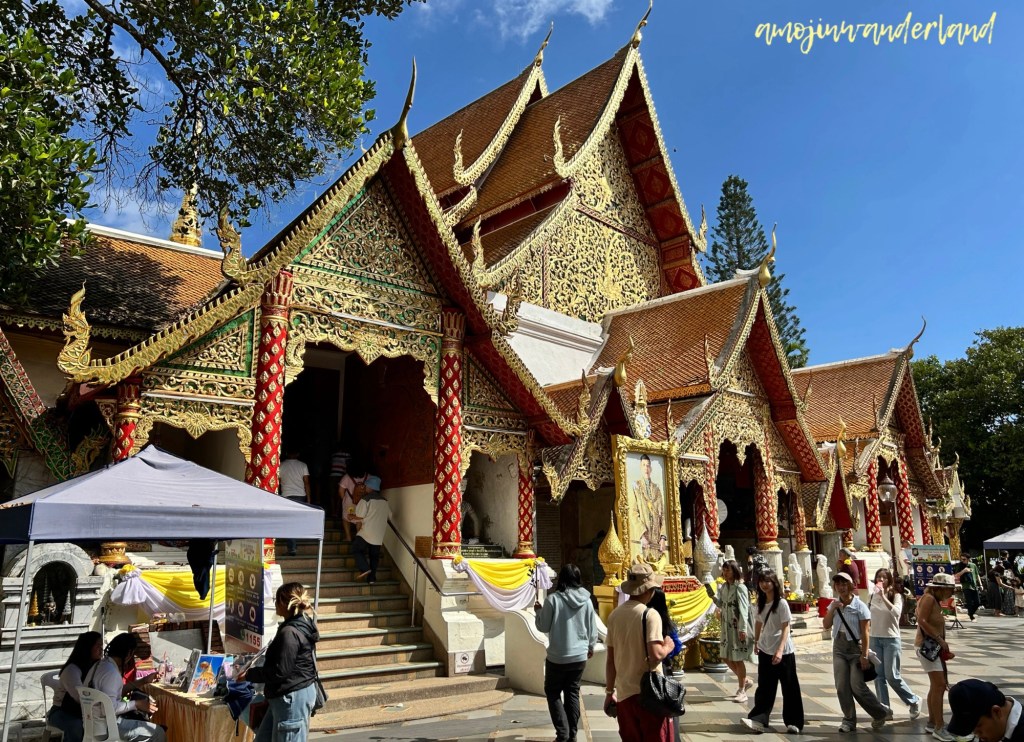
Today, traces of the Lan Na Kingdom remain deeply woven into Northern Thai life, in language, food, music, festivals, and religious practice. For visitors who take time to look beyond the surface, Lan Na reveals itself as a living heritage. My experience in Northern Thailand, shaped by visits to these culturally resonant sites, underscored how the spirit of Lan Na continues to define the region, quietly preserving a civilization built on rice fields, rivers, and devotion.
 Amoj In Wanderland