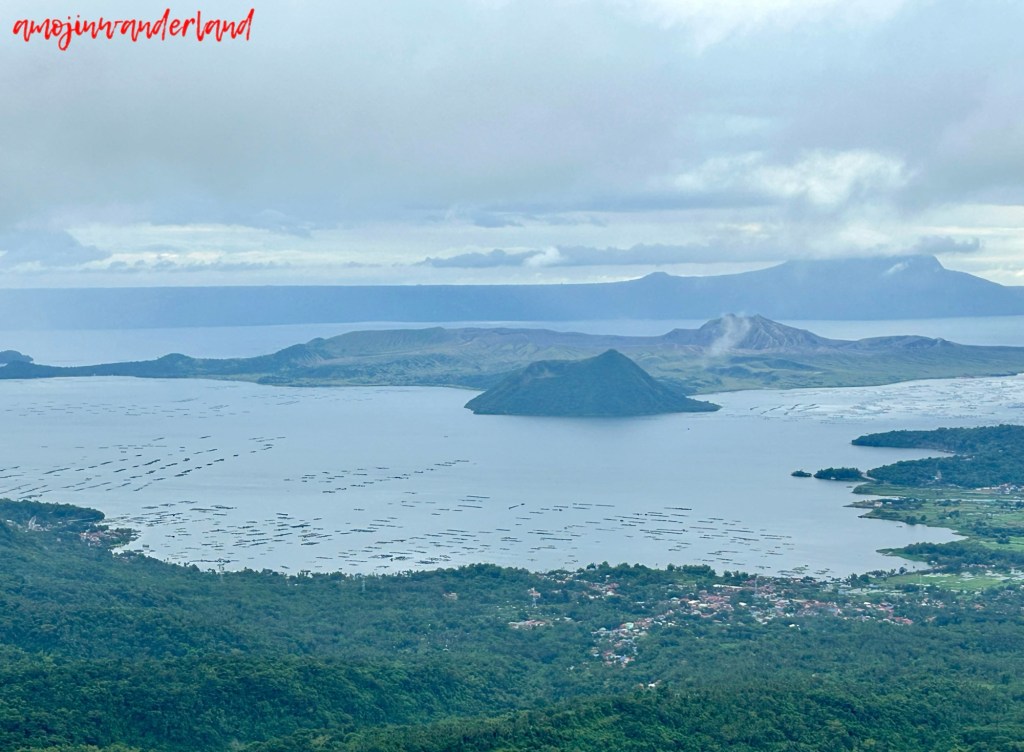
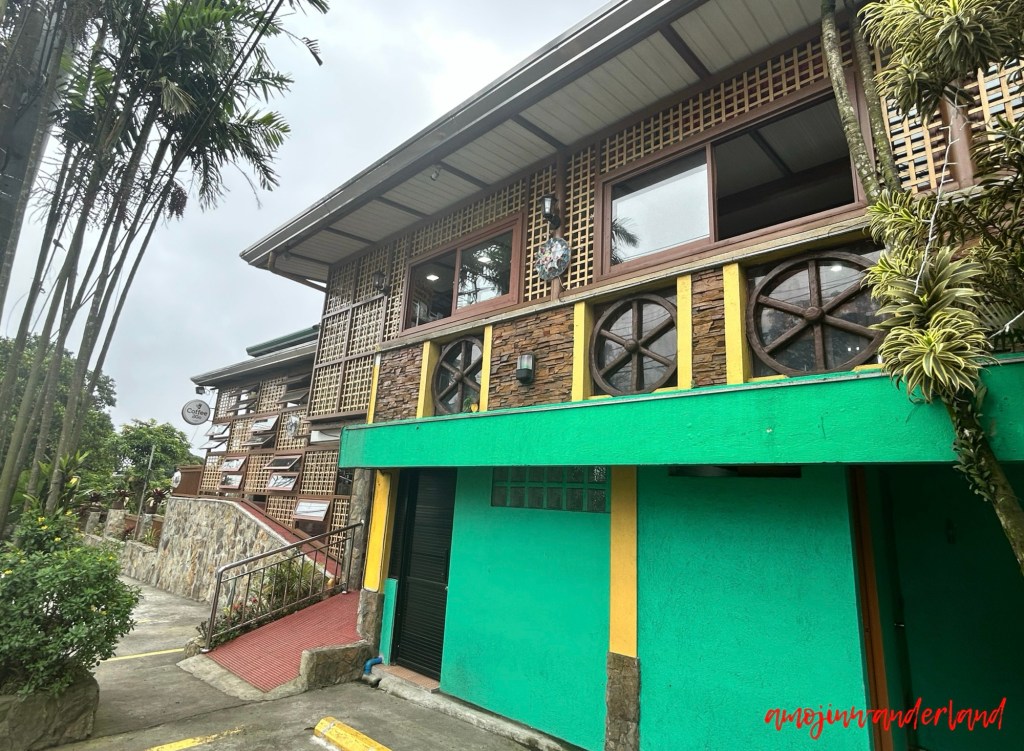
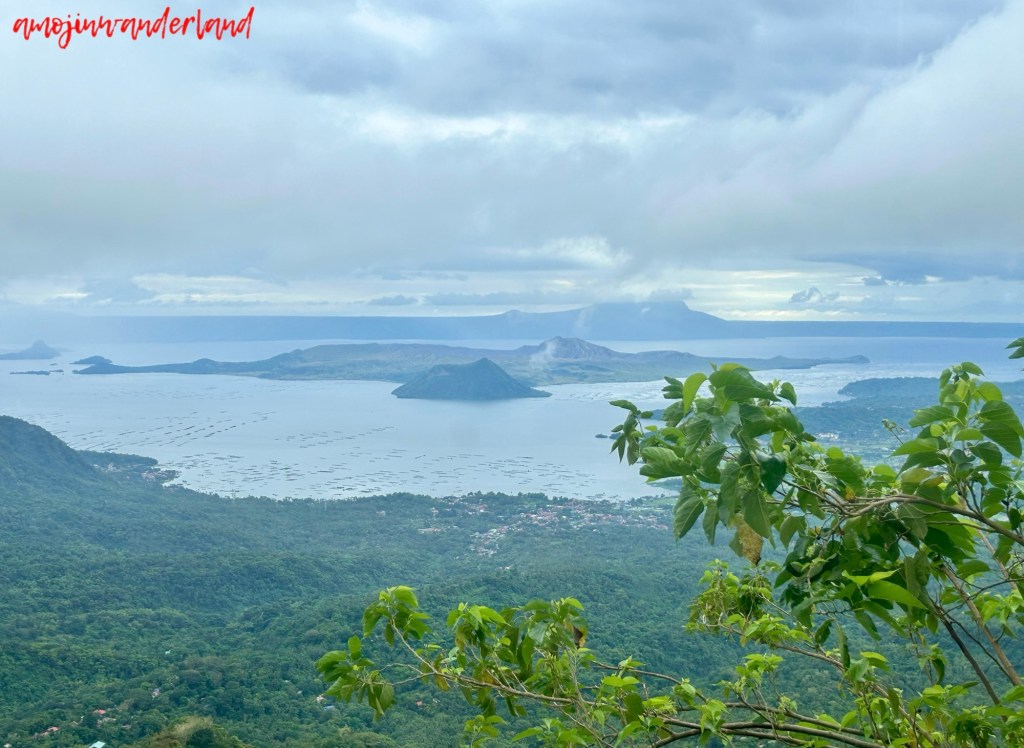
Breakfast that morning was quiet and unhurried at Green ATS Restaurant in Tagaytay, the kind of calm that makes you linger over the view more than the menu. From where we sat, the windows opened out to Taal Lake, its surface smooth and reflective in the early light, with Taal Volcano rising from its center, still, almost gentle, as if it had chosen to rest for the day.
Seen from a distance, the landscape looks almost poetic, but its geography is anything but simple. Renowned for its unusual setting, a volcano within a lake on an island inside another lake, Taal is one of the country’s most studied and closely monitored geological features. Its proximity to densely populated areas, coupled with its frequent activity, has made it both a scientific focus and a source of constant vigilance.
The calm view before us hides a long and violent history. Taal Volcano sits within a vast caldera formed by massive prehistoric eruptions. Over time, this depression filled with water, creating what is now Taal Lake. Within it lies Volcano Island, the main volcanic edifice, dotted with craters, fumaroles, and hot springs. At its heart is the well-known Main Crater Lake. Despite its relatively small size, Taal is capable of powerful eruptions, driven by the interaction of magma and water beneath the caldera, often producing sudden, explosive phreatomagmatic events.
While eating breakfast, it was hard to ignore the more recent and unsettling stories tied to the lake. My thoughts drifted to the news about the missing sabungeros and the discovery of sacks containing bones retrieved from the deeper parts of Taal Lake. The contrast was striking: sunlight shimmering on the water’s surface, while darker narratives lingered below, turning this familiar landscape into a place of unanswered questions.
When our food arrived, tawilis among the dishes, I asked the waitress whether the fish were caught in the same areas where the bones had been found. She paused briefly, then explained that tawilis are usually caught nearer the surface and in established fishing grounds, far from the deeper sections where searches had taken place. Her answer was straightforward and reassuring, grounded in the everyday realities of those who live and work around the lake.
That short exchange brought the moment back to the present. Around us, people were quietly having breakfast, conversations low and unhurried. Outside, life around the lake continued as it always has, even under the watchful presence of the volcano. From our table at Green ATS, the view offered more than a picturesque backdrop, it revealed how natural beauty, geological danger, routine life, and human tragedy all coexist in the same space.
 Amoj In Wanderland