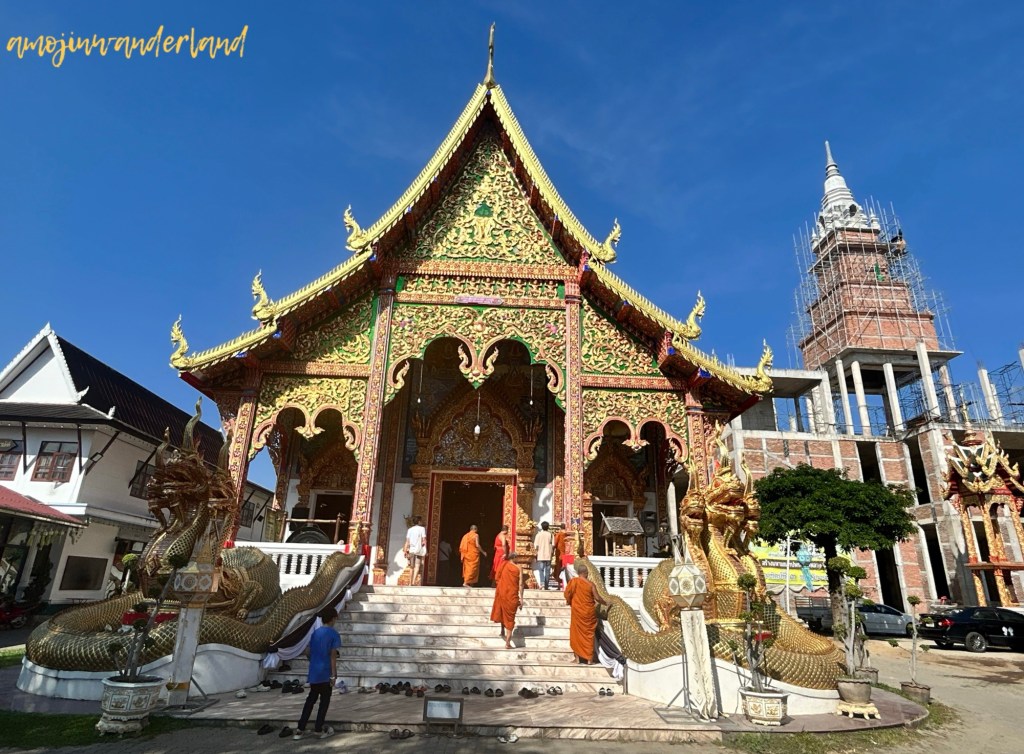
Wat Mahawan Wanaram, formerly known as Wat Mahawaram, is one of the historically significant temples of Lamphun, believed to have been built around the 12th Buddhist century. It is traditionally regarded as one of the four temples established during the reign of Queen Chamadevi, the ruler of the Haripunchai Kingdom. Over time, the temple experienced periods of prominence and decline. Like many religious sites in the region, it was eventually abandoned as a result of wars and political instability.
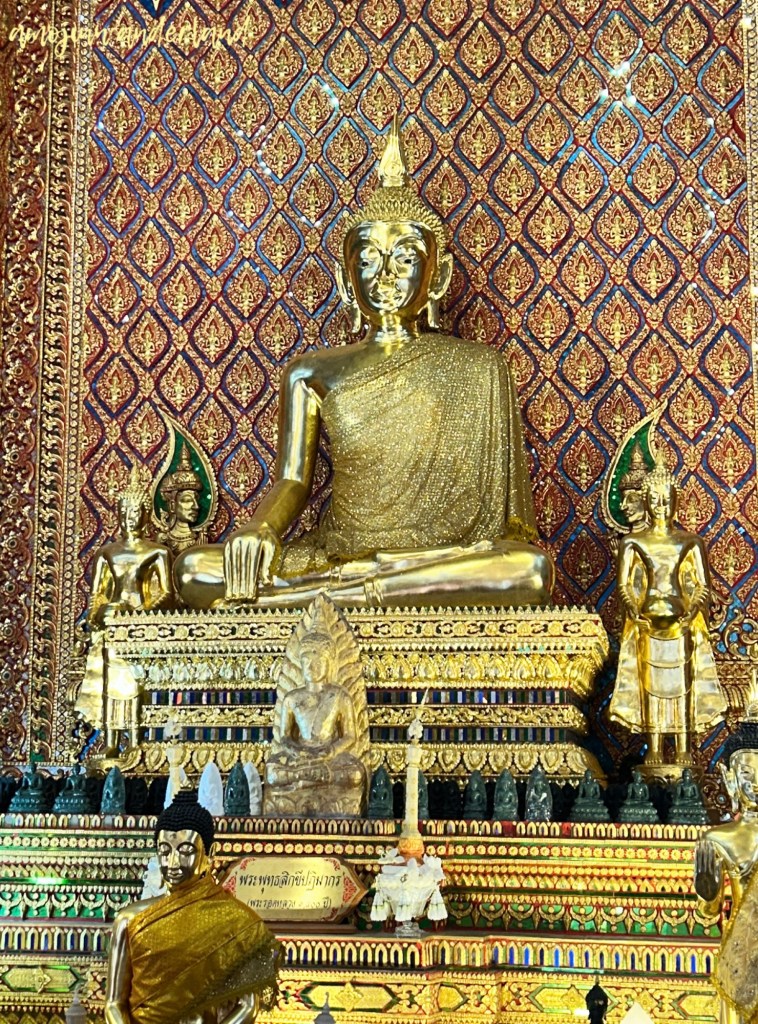
The temple regained importance during the era of King Saphasit, who had ordained as a novice at Wat Mahawan in his youth. Later, as the patron of its restoration, he oversaw the revival of the temple, allowing it to function once again as an active religious site. Much of what visitors see today reflects this later phase of renewal rather than its earliest foundations.
One of the most notable features inside the temple is the naga-associated Buddha image known as Phra Sila Dam, sometimes referred to as the Black Stone Buddha. According to tradition, this image was brought from the Lawoe Kingdom by Queen Chamadevi. Locally, it is more commonly called Phra Rod Laung or Phra Rod Lamphun. The image is particularly important because it served as the mould for the creation of Phra Rod Mahawan amulets, which were discovered only at this temple and remain highly regarded.
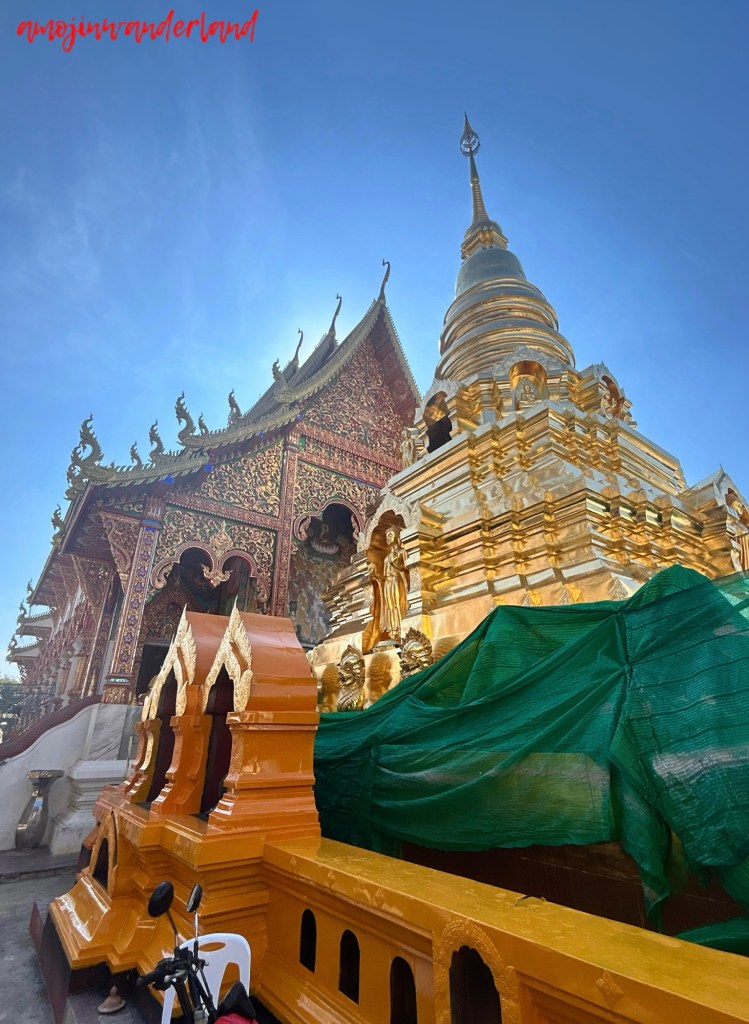
Most of the existing structures in the compound date to the 1940s rather than the early Haripunchai period. Despite this, the temple retains architectural interest, especially the hor trai, or scripture library. This wooden building is marked by steep gables and traditional Thai roof ornaments known as chofah. In front of it stands a tall, narrow bell tower of similar age, along with a small wooden shrine and a drum tower, all reflecting the design sensibilities of the mid-20th century.
 Amoj In Wanderland