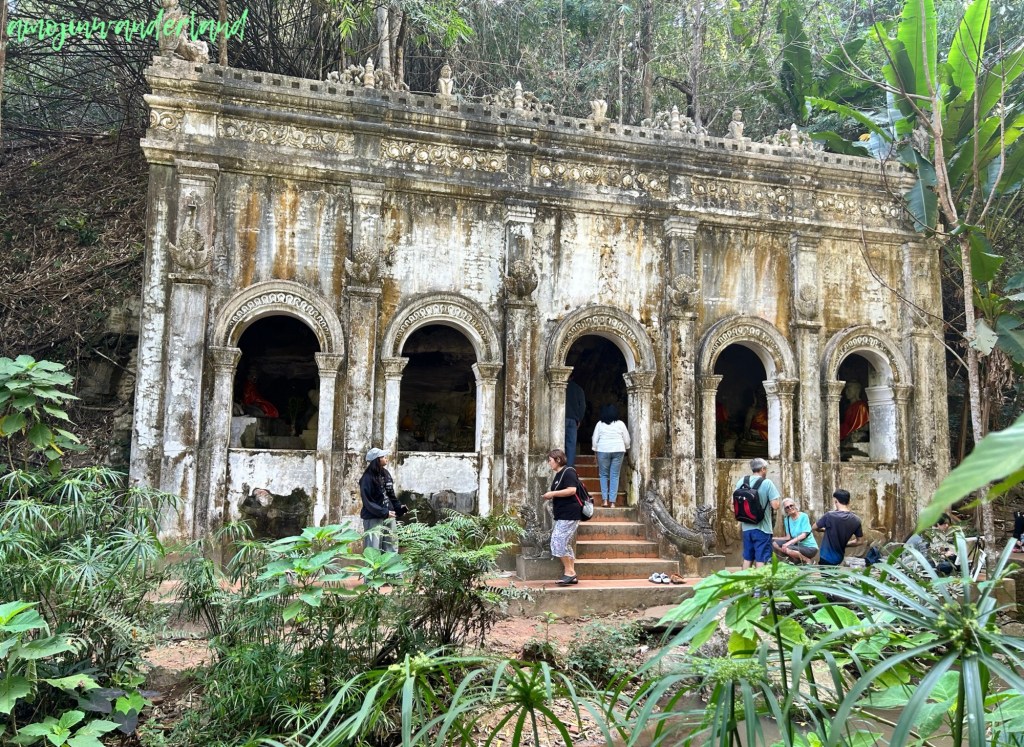
Wat Pha Lat, whose name in Northern Thai means “the monastery at the sloping rock,” sits quietly on the forested slopes of Doi Suthep, just above Chiang Mai. Also known as Wat Sakadagami, this small Buddhist temple carries a history that is closely tied to the spiritual landscape of northern Thailand, yet it remains far removed from the crowds that gather at nearby Wat Phra That Doi Suthep.
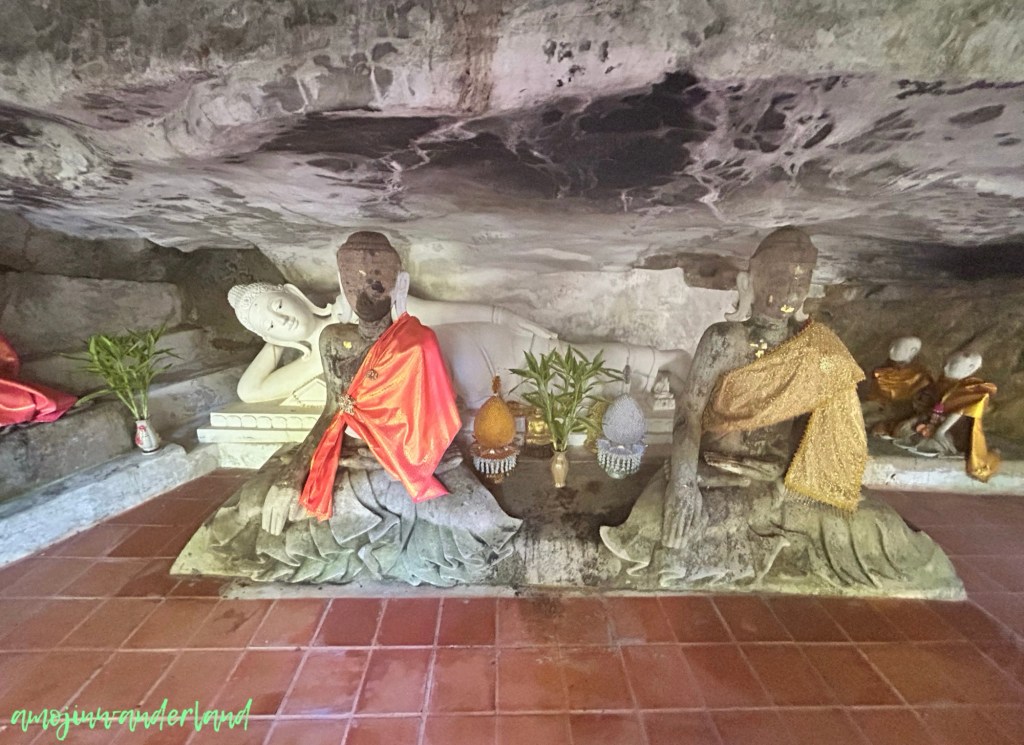
The story of Wat Pha Lat goes back to the 14th century during the reign of King Kuena of the Lanna Kingdom. In 1355, the king ordered the establishment of the temple to honor a sacred white elephant believed to have carried a holy relic. According to tradition, the elephant stopped to rest at this very spot before continuing its climb up Doi Suthep, where it later died. Moved by this event, King Kuena had temples built at both locations—Wat Phra That Doi Suthep at the summit and Wat Pha Lat along the way—so that pilgrims could pause, reflect, and regain strength on their journey uphill. Over time, Wat Pha Lat became known as a peaceful retreat and a resting place for monks and travelers alike.
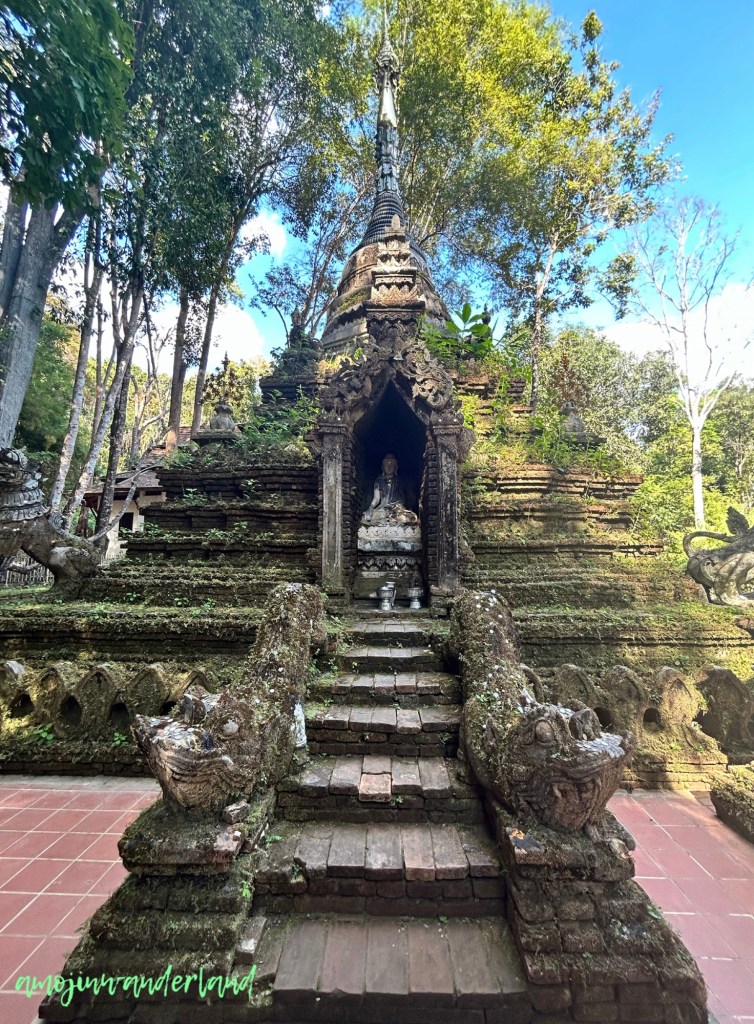
Centuries later, in the early 20th century, the temple received new attention when it was restored through the efforts of Mong Panyo, a Burmese businessman and teak trader connected with the Bombay Burmah Trading Corporation. His involvement helped preserve the site at a time when many forest temples were being left behind. By the mid-20th century, a road linking Wat Pha Lat to Wat Phra That Doi Suthep made the temple more accessible, though it still retained its quiet, secluded atmosphere.
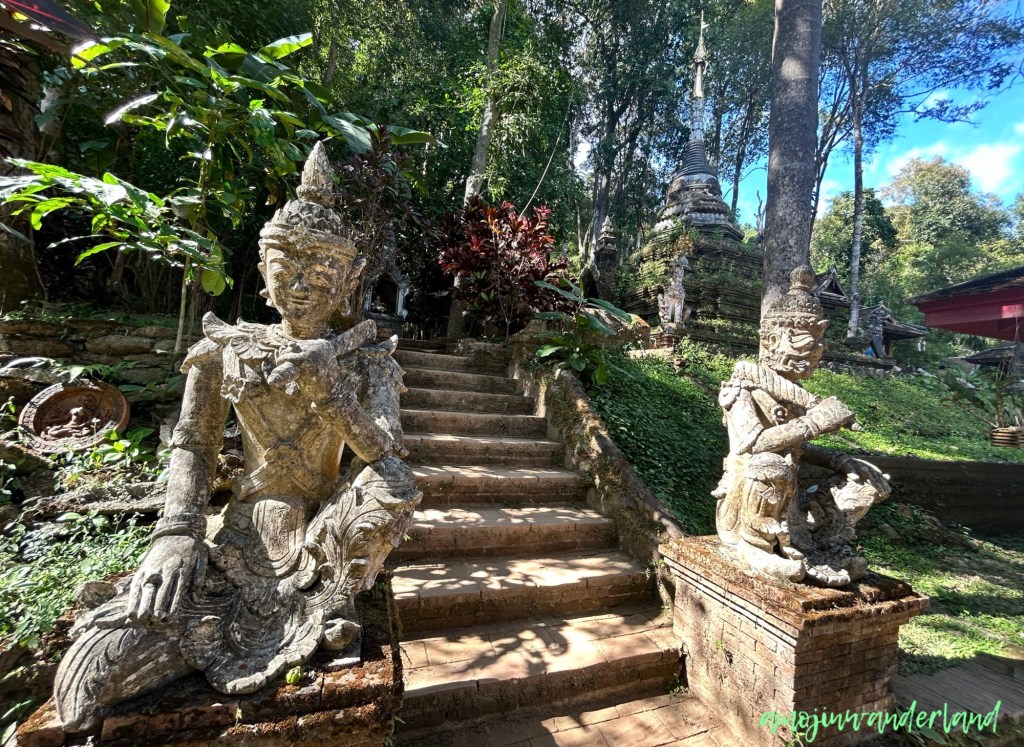
In 1962, the monk Luang Por Sawat Sukkamo came to Wat Pha Lat to practice meditation, adding another chapter to its spiritual life. He later moved to Wat Phra That Doi Suthep, and once again the temple settled into a period of calm and relative obscurity. For many years, it remained a place known mostly to locals and a few devoted visitors.
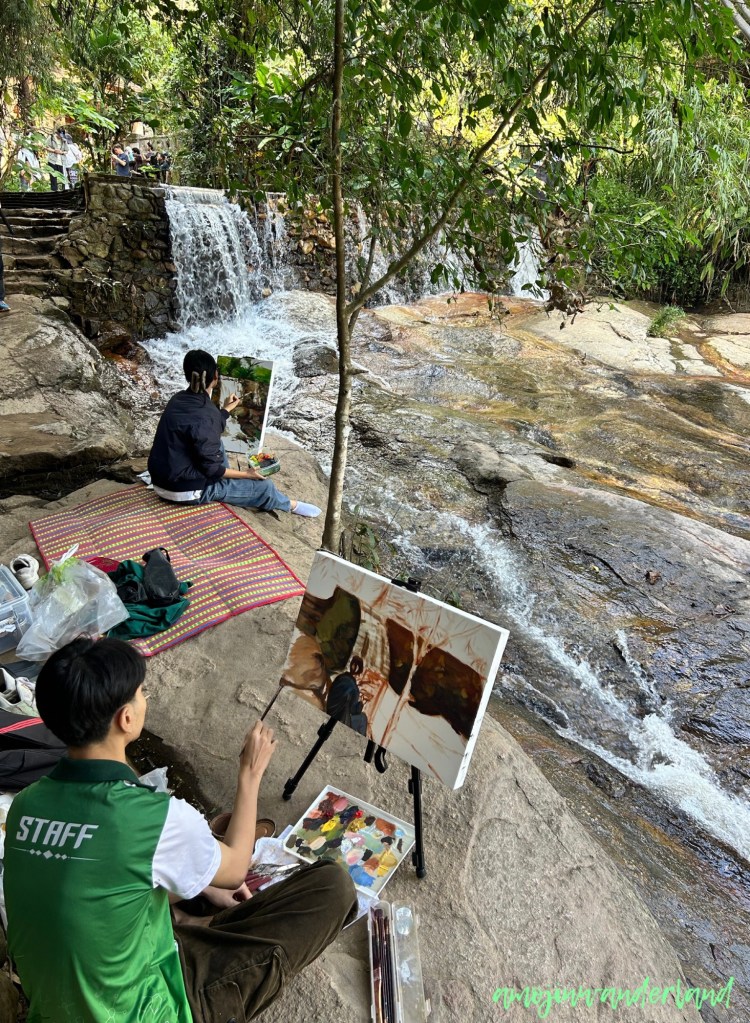
It was only in 1991 that Wat Pha Lat began to draw wider attention again, when a professor from the Ministry of Education took the initiative to revive and care for the site. Since then, the temple has slowly regained its place in Chiang Mai’s cultural and religious map—not as a grand monument, but as a quiet sanctuary where history, nature, and spirituality meet.
 Amoj In Wanderland