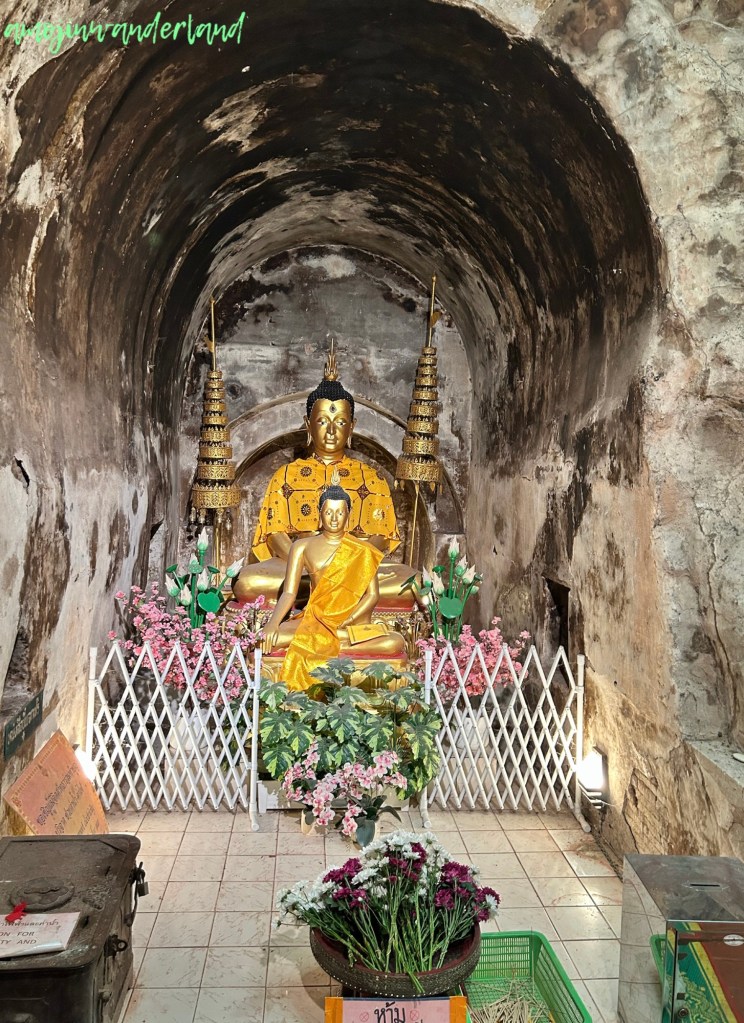
Wat Umong, formally known as Wat Umong Suan Phutthatham, is a 700-year-old Buddhist temple located at the foot of Doi Suthep, just south of Chiang Mai University. It was founded during the reign of King Mangrai and was originally called Wat Welukadtharam, or the “Temple of the Eleven Bamboo Clumps,” a name that reflected its early setting in a bamboo forest. From the beginning, the temple served as a residence for monks invited from Sri Lanka, making it an early center of Theravada Buddhist learning in northern Thailand.
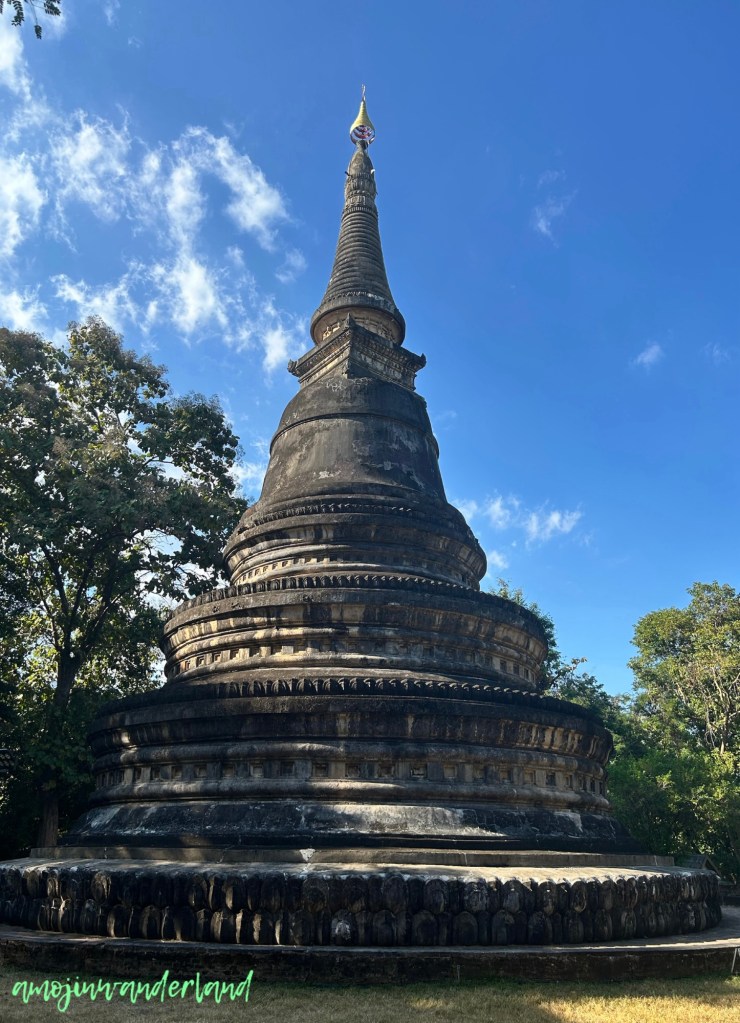
In the 14th century, during the reign of King Kue Na, the temple was restored and gained wider recognition when the respected monk Maha Thera Chan took residence there. At this time, the stupa was repaired and a system of underground tunnels was built in four directions. These tunnels, which remain one of Wat Umong’s defining features, gave the temple its present name. Local tradition says they were designed to provide a safe, contained walking space for a monk known for wandering far from the monastery, allowing him to remain within the grounds.
Wat Umong later fell into neglect during the period of Burmese rule, when it was left without resident monks. Its revival came in 1949, when Chao Chuen Siroros reestablished the site as a meditation center inspired by the forest tradition of Buddhadasa Bhikkhu. Since then, Wat Umong has continued as a place focused on quiet practice rather than large-scale ceremonies.
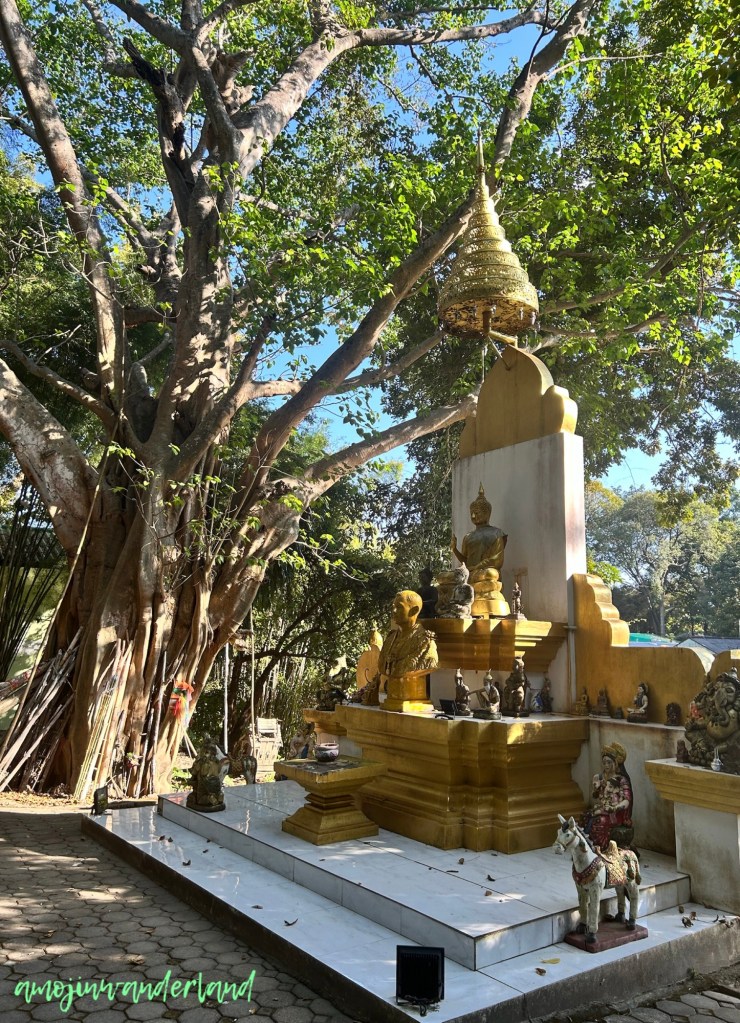
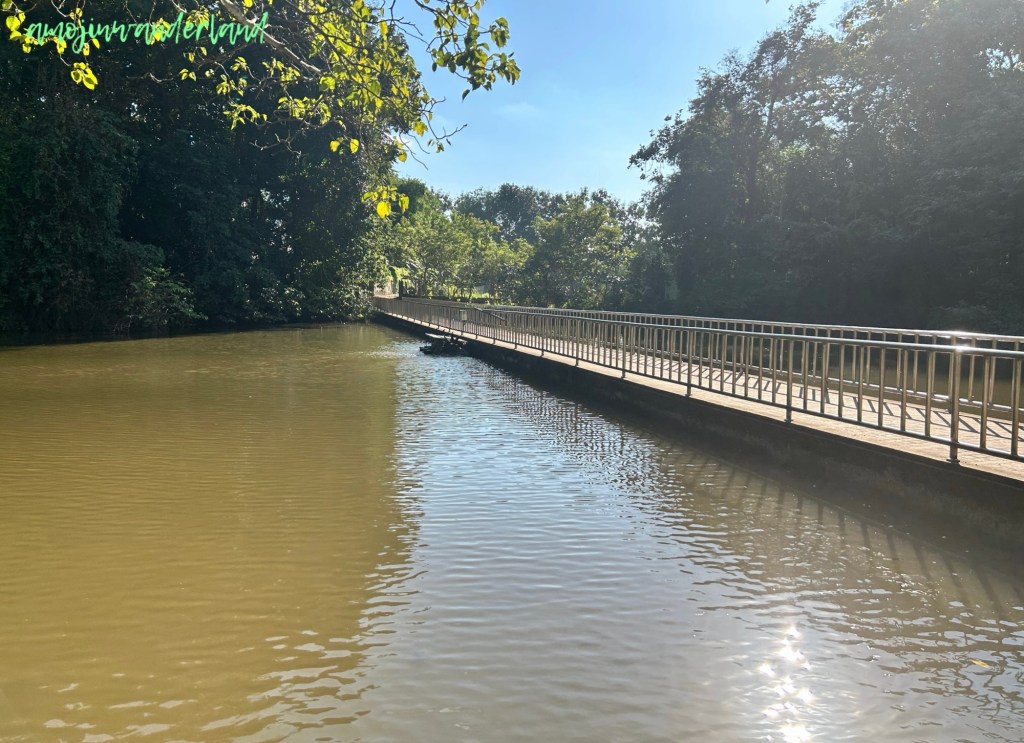
Today, the temple complex covers about 37.5 rai of wooded land. A large pond near the entrance is home to fish, turtles, and ducks, and along the shaded paths are small signs with short reflections in Thai and English, often called the “talking trees.” The atmosphere is simple and unhurried, fitting the temple’s role as a place for reflection.
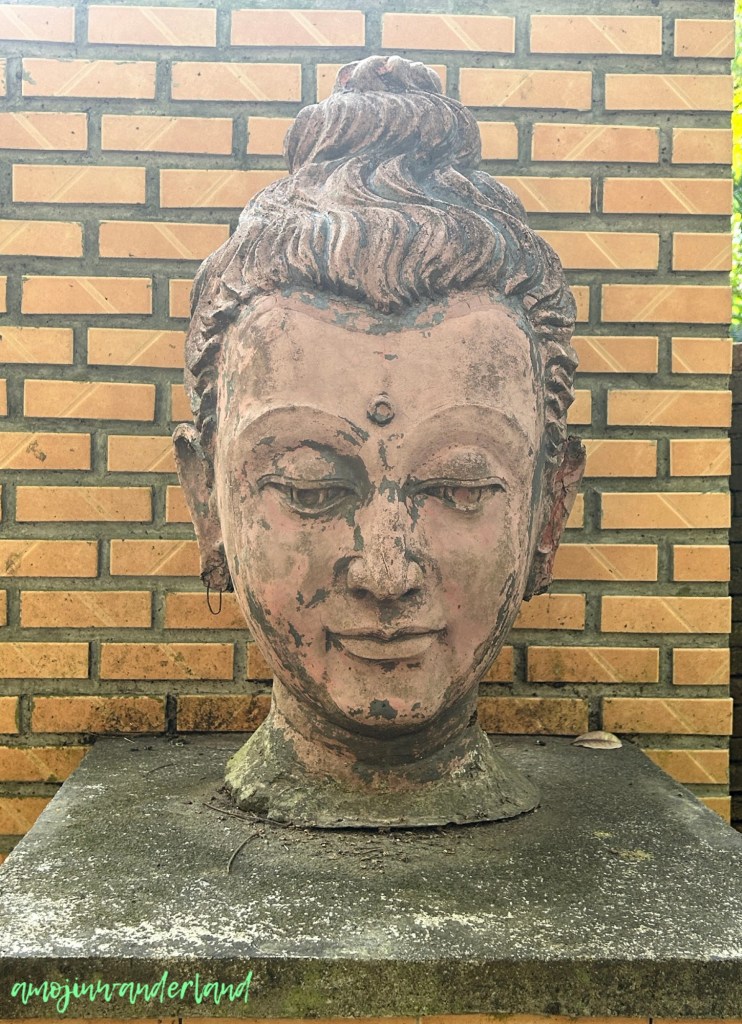
The main chedi stands above the tunnels, where visitors can walk through dimly lit passages lined with old Buddha images. Nearby is a collection of broken Buddha sculptures arranged in an open field, along with other features such as a fasting Bodhisattva statue, a small spiritual theater inspired by Suan Mokkh, and a library-museum that holds books on Buddhism, philosophy, and Thai religious art.
 Amoj In Wanderland