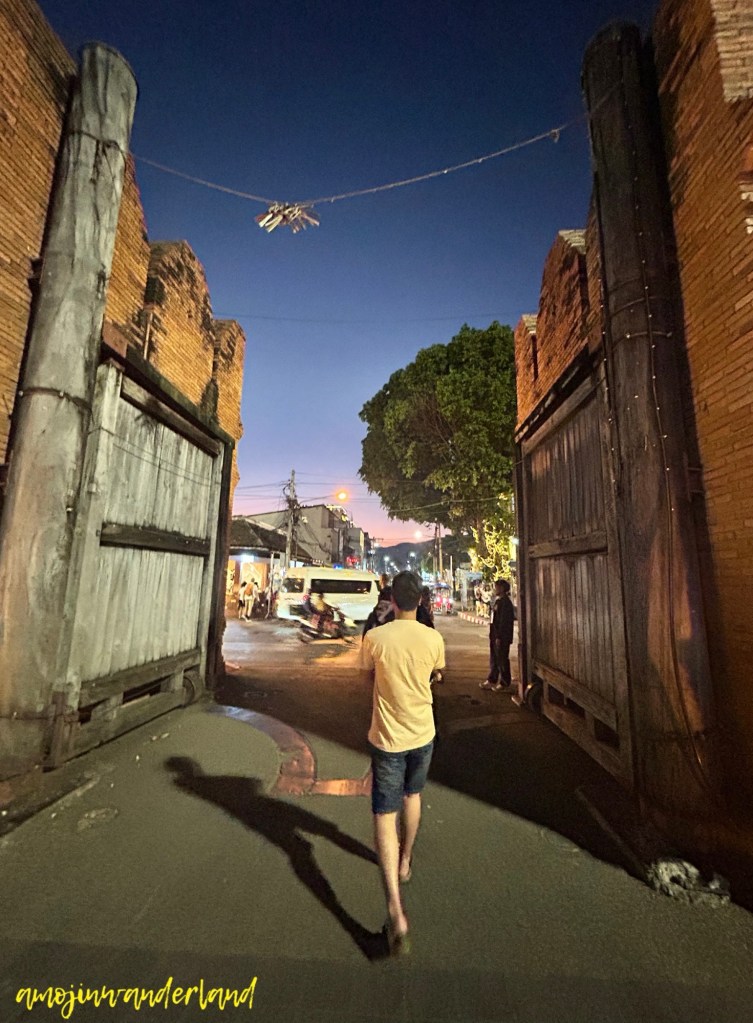
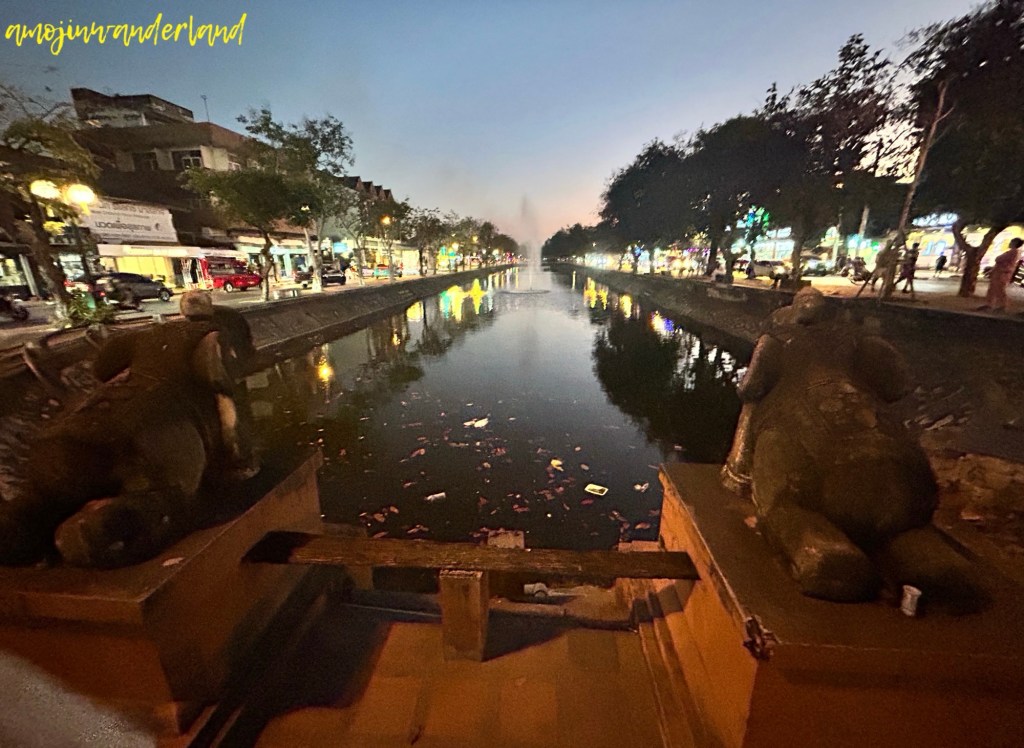
Tha Pae Gate was first built in 1296 during the reign of King Mangrai as part of the city’s defensive system of walls and moat. Originally, it was called Chiang Rueak Gate, named after a nearby village, and served as the main eastern entrance to the city. The area outside the gate developed into an important commercial zone, connected to regional trade routes and river transport along the Ping River.
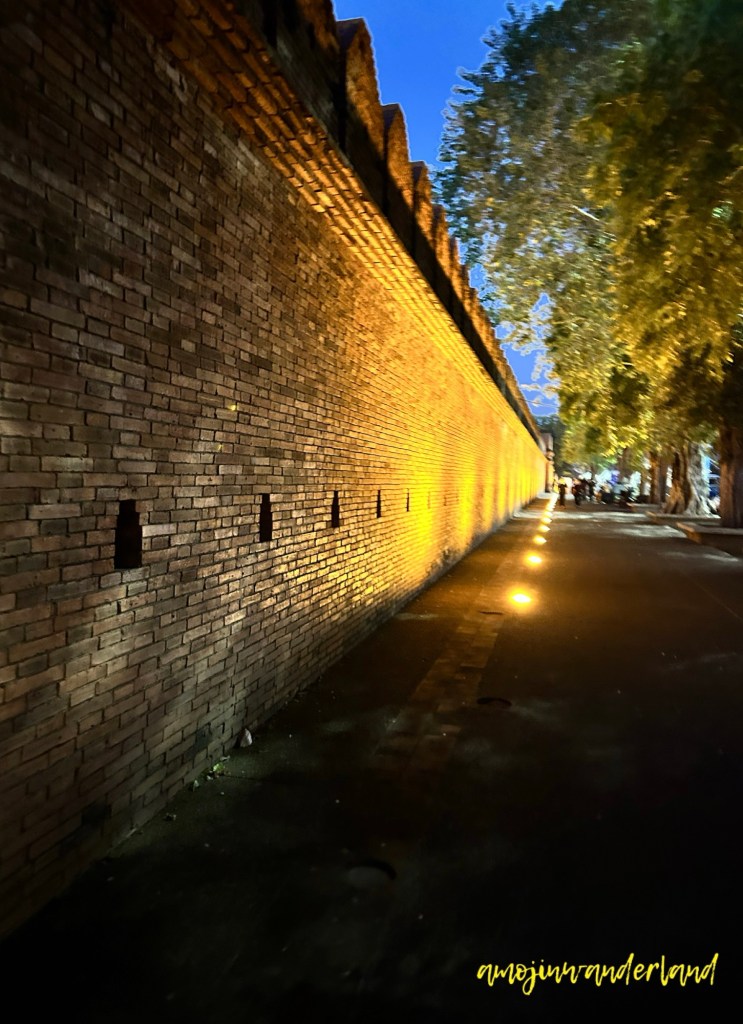
As the city expanded, the name of the gate changed. Chiang Rueak Gate later became known as Inner Tha Phae Gate to distinguish it from the Outer Tha Phae Gate that once stood farther along the same road, near the present site of Wat Saen Fang. When the outer gate disappeared during urban development, the inner gate remained and gradually became known simply as Tha Phae Gate. In its original form, it was more complex than what stands today, designed as a double-layered gate with a staggered layout and a bastion that strengthened the city’s defenses.

Over the centuries, Chiang Mai’s walls and gates were repeatedly altered, dismantled, and rebuilt. The medieval structures no longer survive in their original form. Tha Phae Gate underwent renovation in the late 1960s, but the version seen today comes from a major reconstruction carried out between 1985 and 1987 by the Chiang Mai Municipality and the Fine Arts Department. This work was based on historical records, archaeological evidence, and old photographs believed to show one of the city’s former gates.
The present gate is built mainly of red brick and follows the Lanna architectural style. It features a central wooden door framed by fortified walls extending toward the city corners. Tha Phae Gate is also the only gate of the old inner wall that still retains its complete wooden doors, known locally as bantabaan. Although some sources suggest that parts of the structure may have been rebuilt even before the official restoration of the 1980s, the current form reflects a careful effort to preserve the appearance of Chiang Mai’s historic defenses.
 Amoj In Wanderland