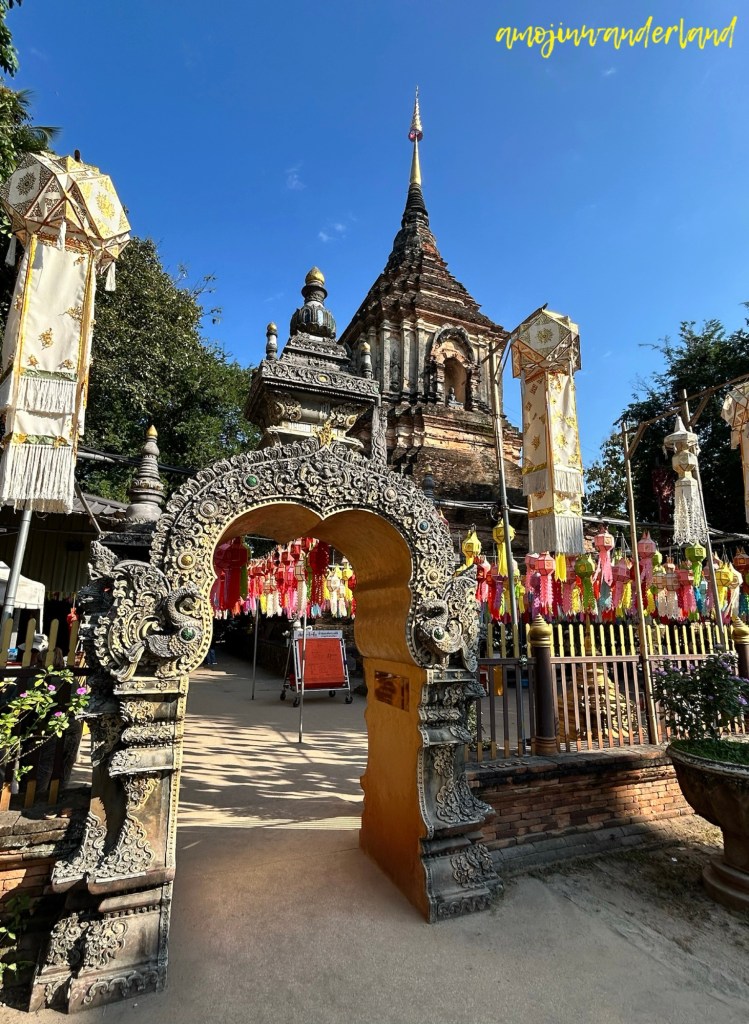
Wat Lok Molee is located on Chiang Mai’s north side of the old city moat, about 400 meters west of Chang Phuak Gate. Set beside the city wall and slightly away from the main tourist routes, it is generally quieter than many of the city’s better-known temples.
The exact date of its founding is unknown, but the temple is first mentioned in a charter from 1367 CE. During the reign of King Kuena of the Mangrai dynasty, ten Buddhist monks from Burma were invited to Chiang Mai to help spread Theravada Buddhism, and Wat Lok Molee served as their residence. This early role established the temple as an important religious site in the Lanna kingdom.
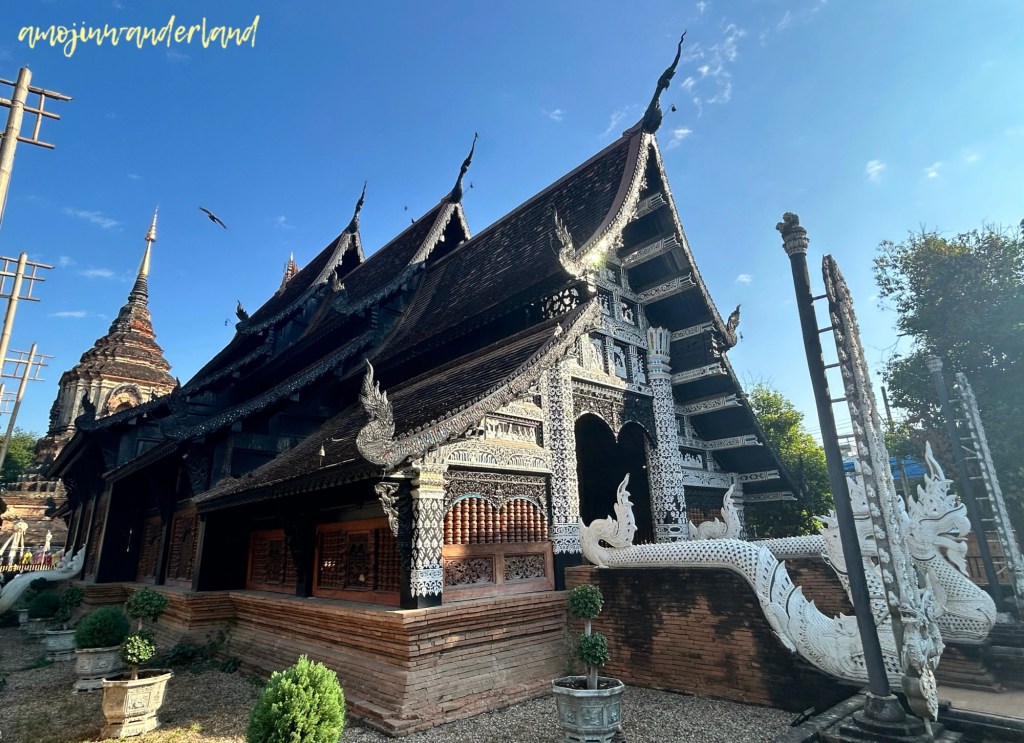
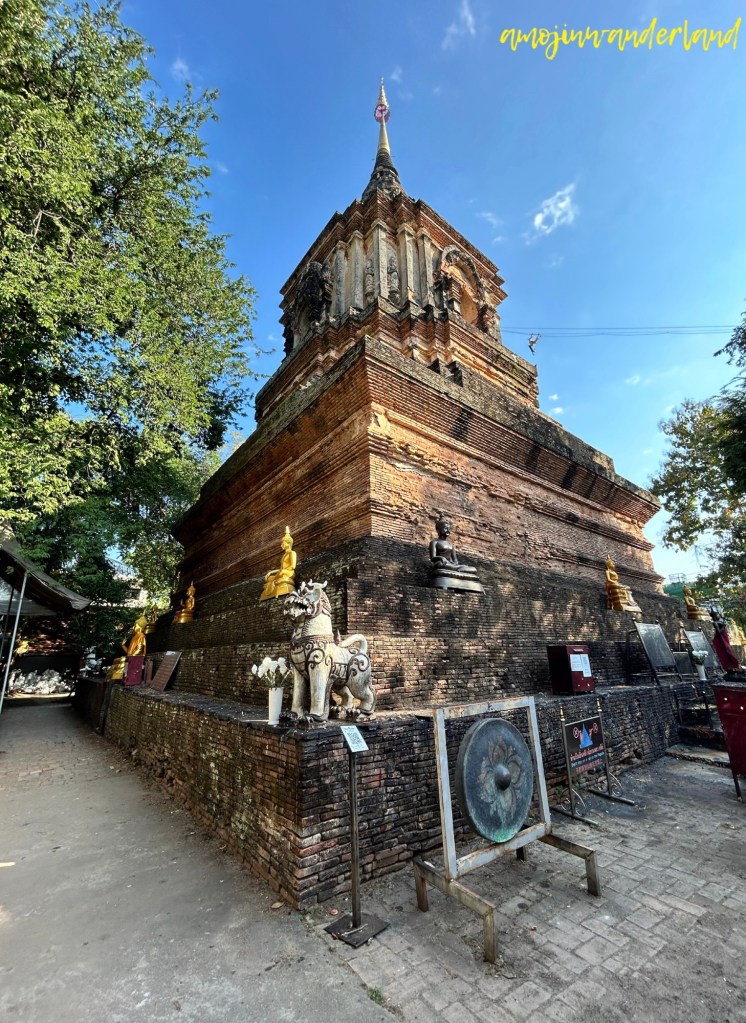
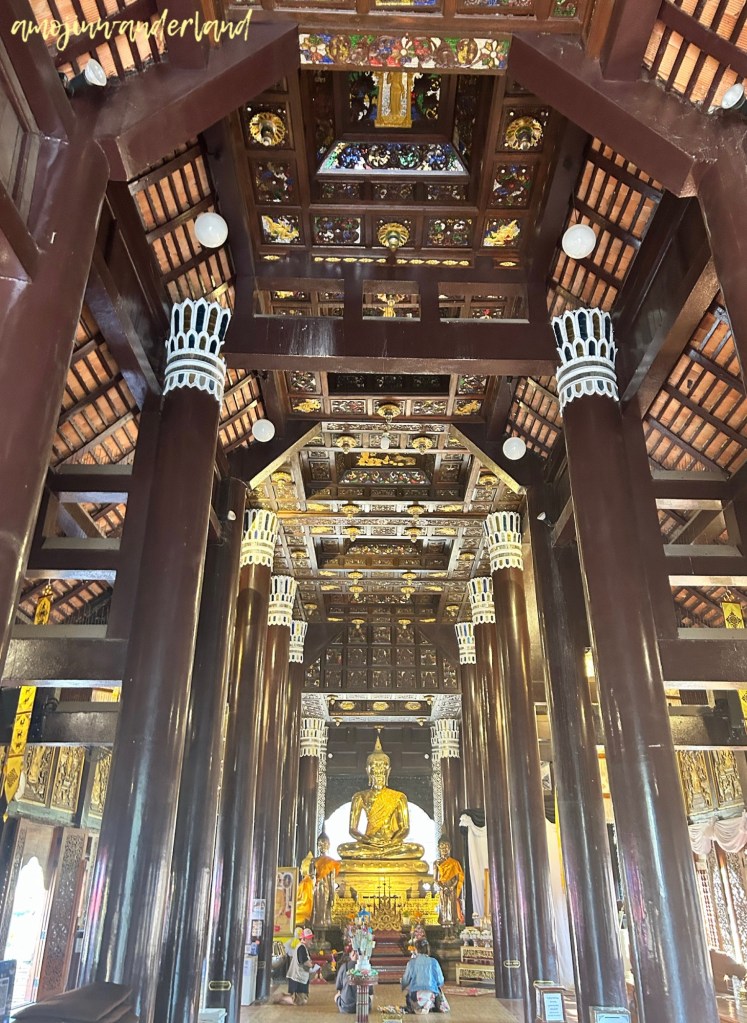
In the 16th century, King Ket, also known as Mueangketklao or Phra Kaew Muang, expanded the temple. He commissioned the large chedi in 1527 and later had the viharn, or assembly hall, built in 1545. These structures form the core of the temple complex today.
Wat Lok Molee is also associated with the Mangrai royal family. The ashes of several members of the dynasty were placed here, and the royal household maintained the temple until the end of their rule. Among those interred at the site was Queen Wisutthithewi, whose ashes are kept in one of the chedis.
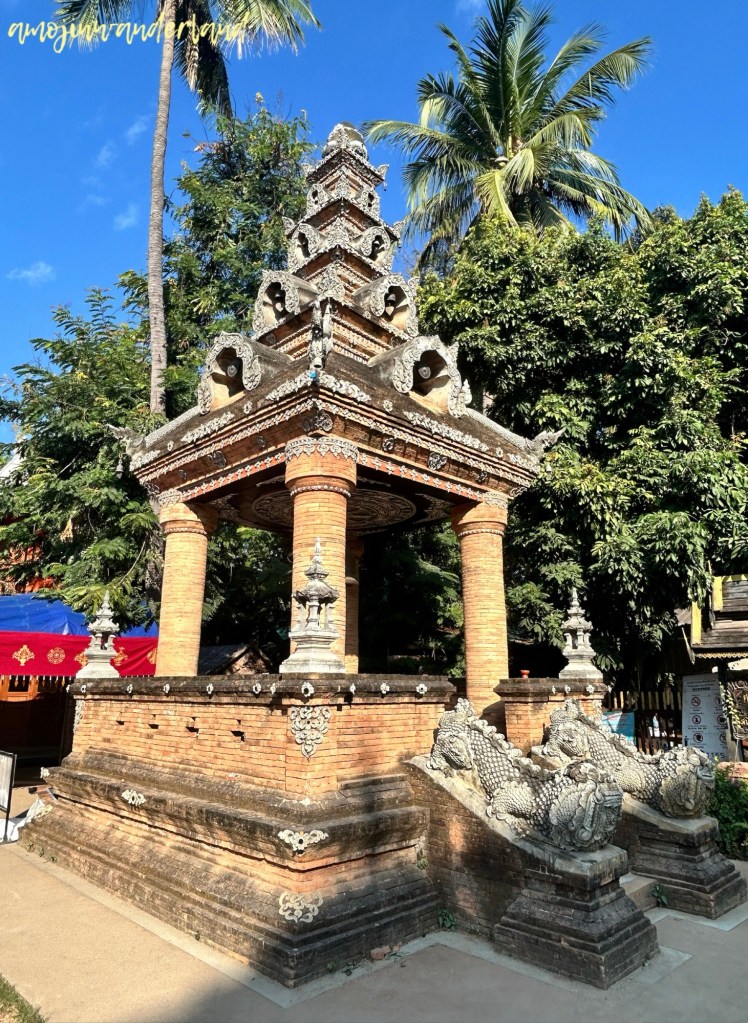
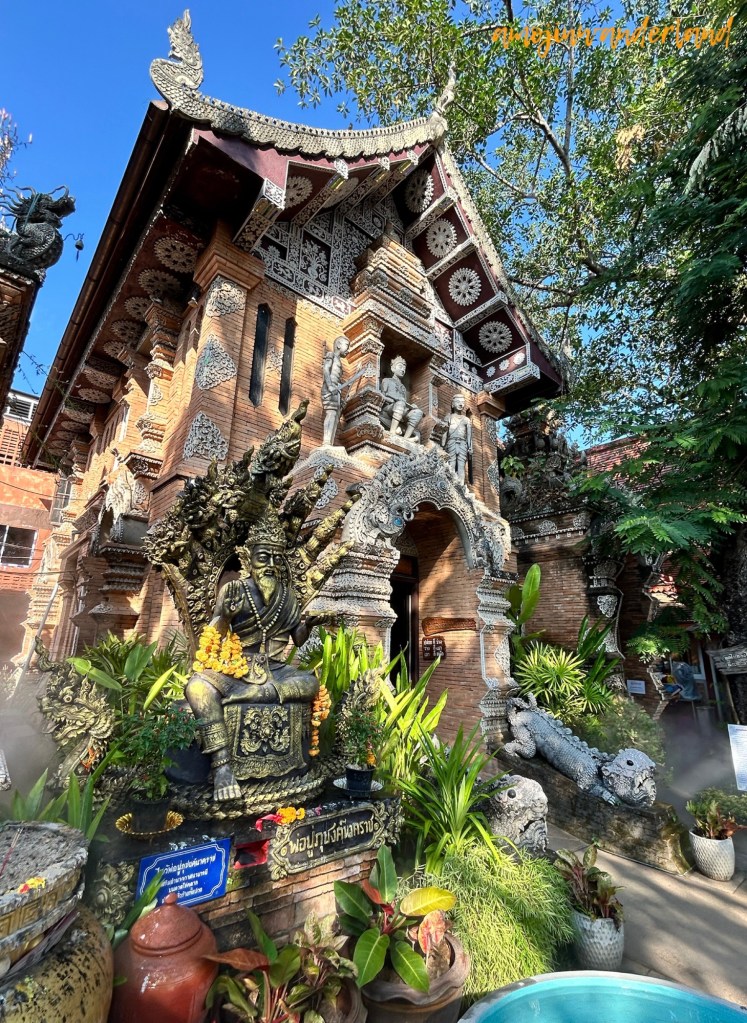
The temple’s main chedi is notable for its mostly bare brick surface, which contrasts with the stuccoed chedis seen at many other temples in Chiang Mai. At its base are finely sculpted Nāga figures, and the wooden façade of the viharn shows traditional Lanna craftsmanship. The temple is aligned along a north–south axis, which is unusual, as most Buddhist temples in the region face east.
 Amoj In Wanderland