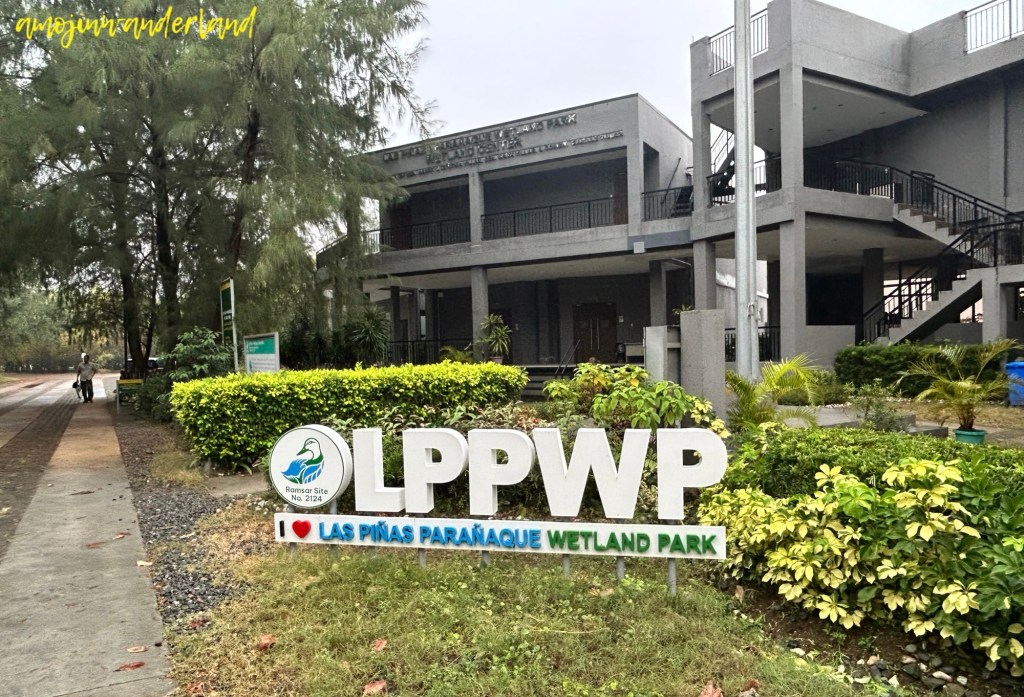
Birdwatching at the Las Piñas–Parañaque Wetland Park (LPPWP) with the Wild Bird Club of the Philippines and WOMA was a rewarding experience. The wetlands provide an important habitat for many bird species despite being located within Metro Manila, and the mix of open mudflats, shallow water, and mangrove edges makes it a productive site for observing both resident and migratory birds.
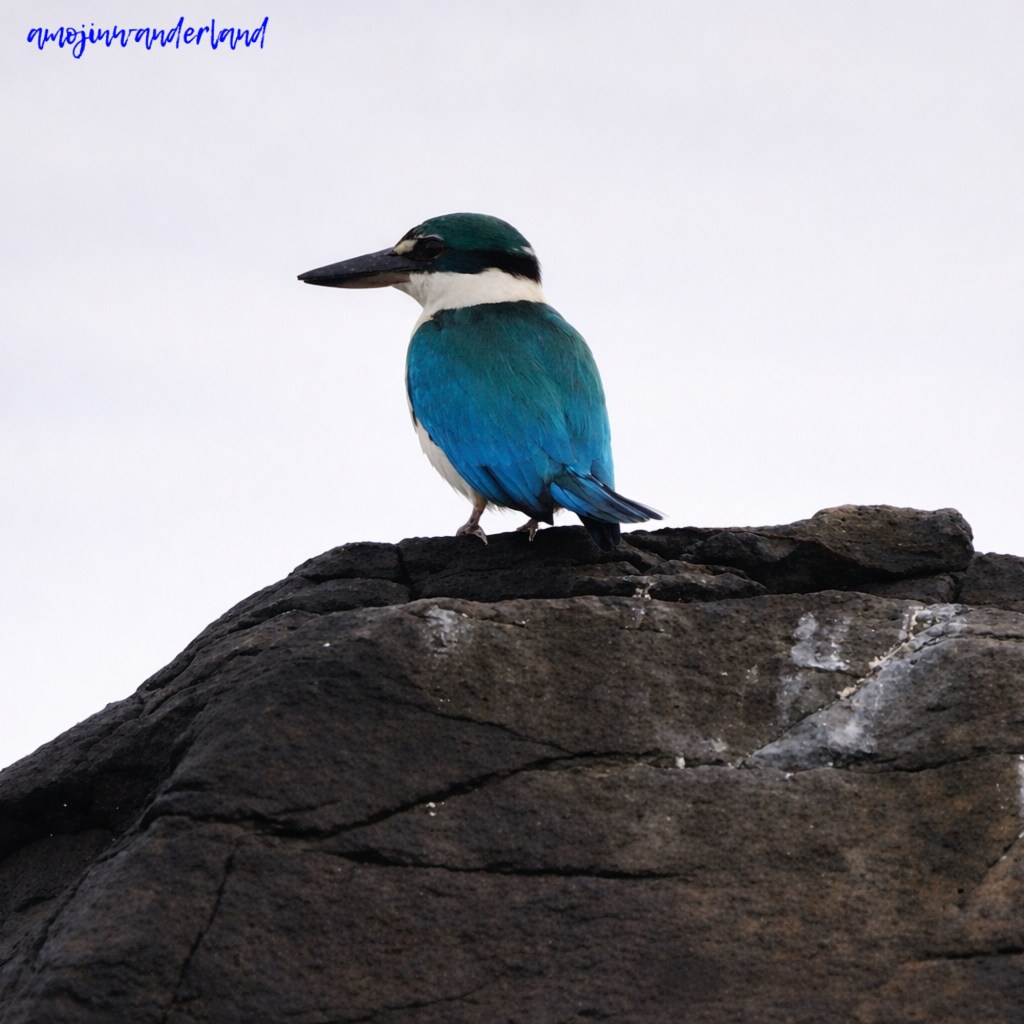
White-collared kingfisher (Todiramphus chloris)
The LPPWP is a 181.63-hectare protected area located at the southwest portion of Metro Manila and Manila Bay. The park is divided into two main landmasses: Long Island, located in Las Piñas City, and Freedom Island, situated in Parañaque City. Predominantly covered by mudflats, the LPPWP also includes brush, grass, beach, dirt, and mangrove areas. Mangroves are the most prevalent plant species in the park, covering about 30 hectares.
The LPPWP lies within the migration path of migrant birds escaping the harsh Siberian winter. Migratory birds use the wetlands as a feeding and resting site, with many species arriving from August to April to feast on the rich mudflat resources. The park is also historically significant as the first critical habitat established in the country through a Presidential Proclamation. Entry is regulated, and permission must be secured in advance, usually requiring about 5–10 working days for processing.
Our group arrived early and spent the morning scanning the shoreline and exposed flats. Being with experienced birders made the visit more informative, as species were quickly identified and discussed while we moved through different viewing areas. The shared pace of the walk allowed everyone to take time watching behavior, flight patterns, and feeding activity.
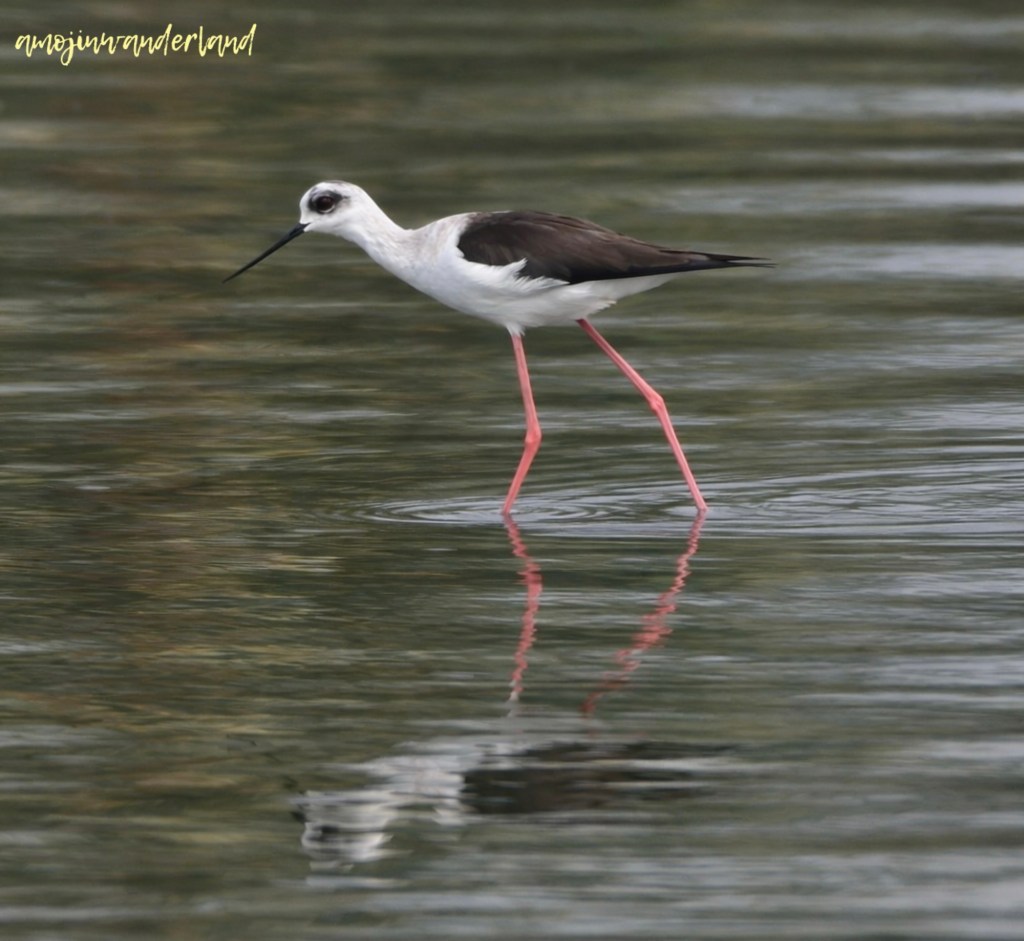
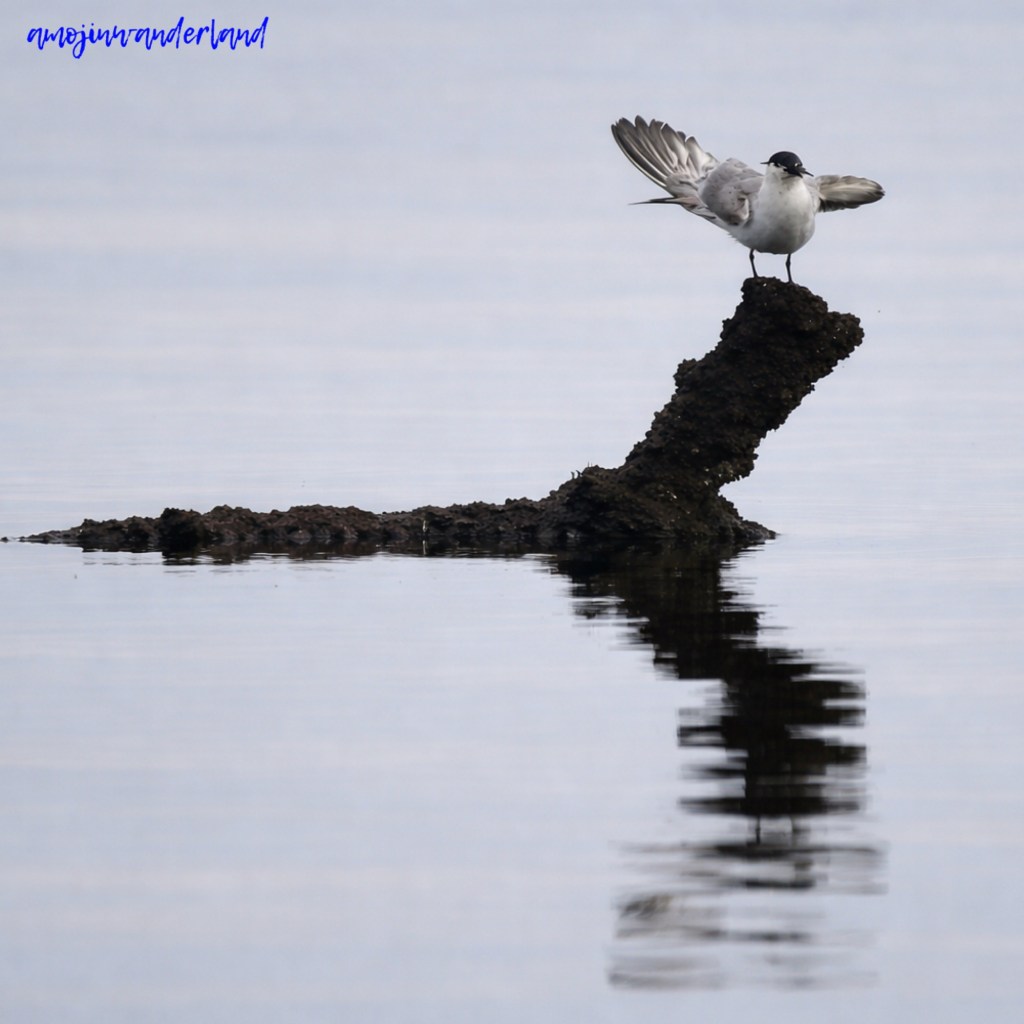
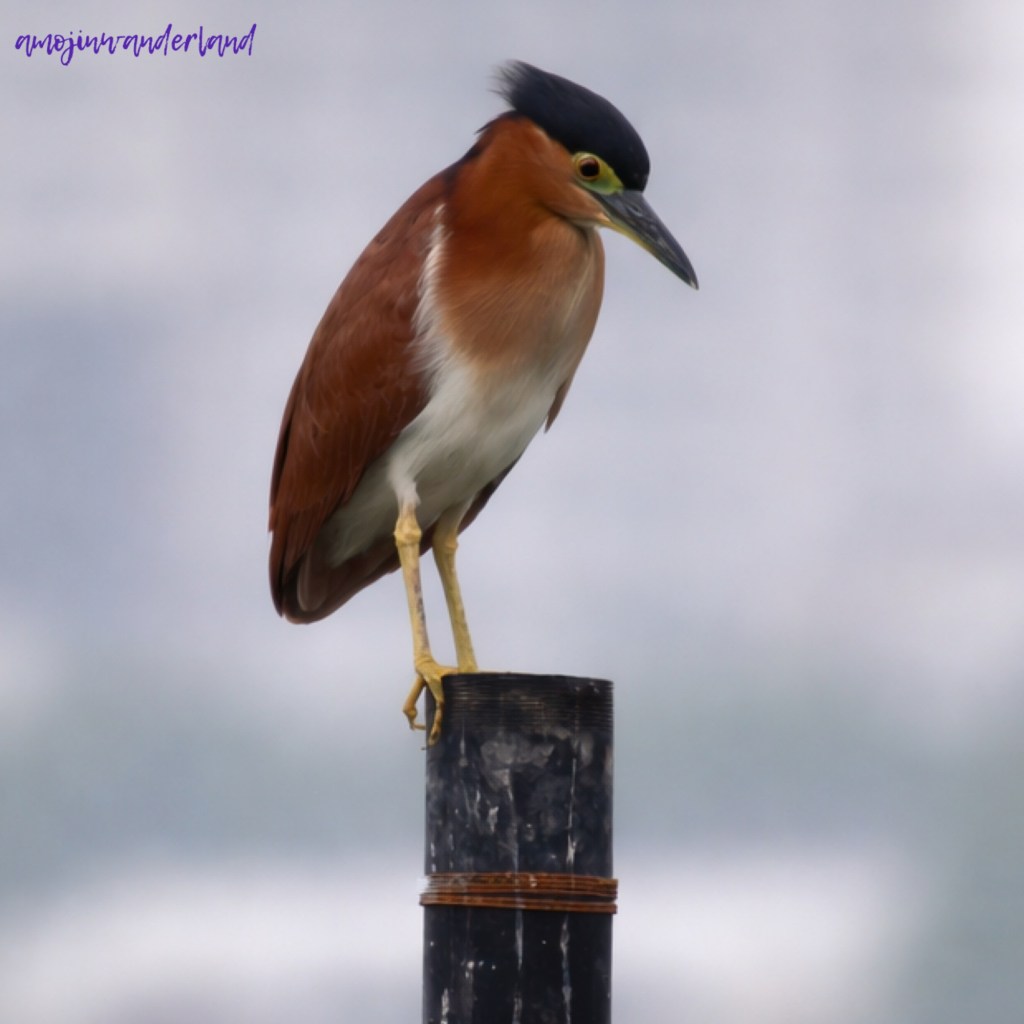
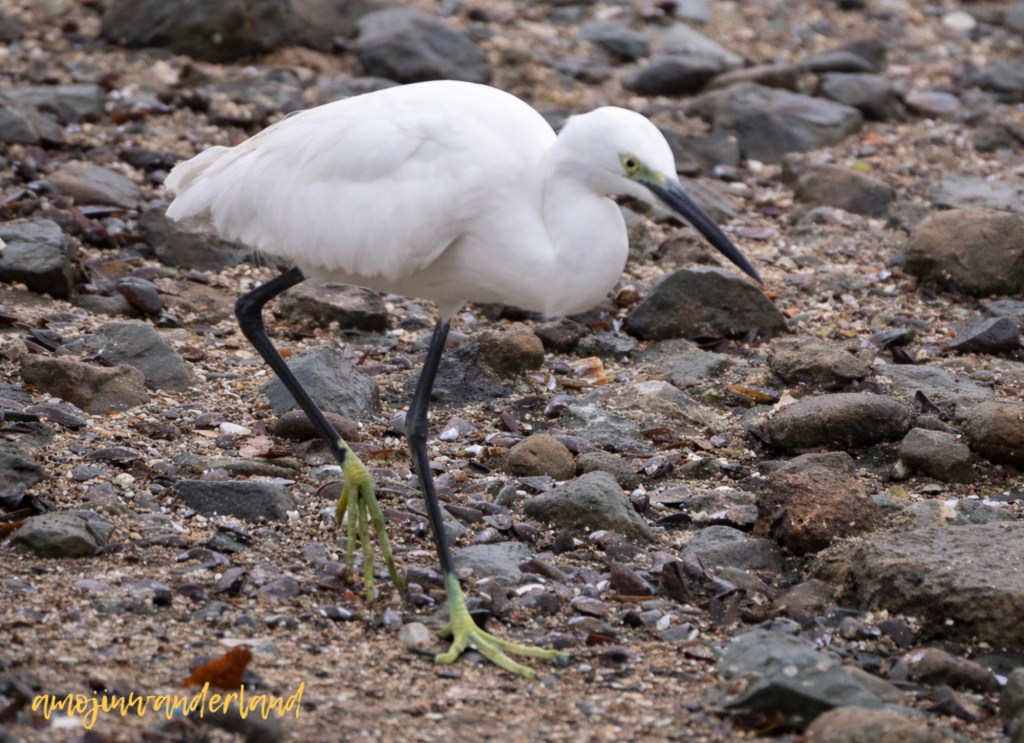
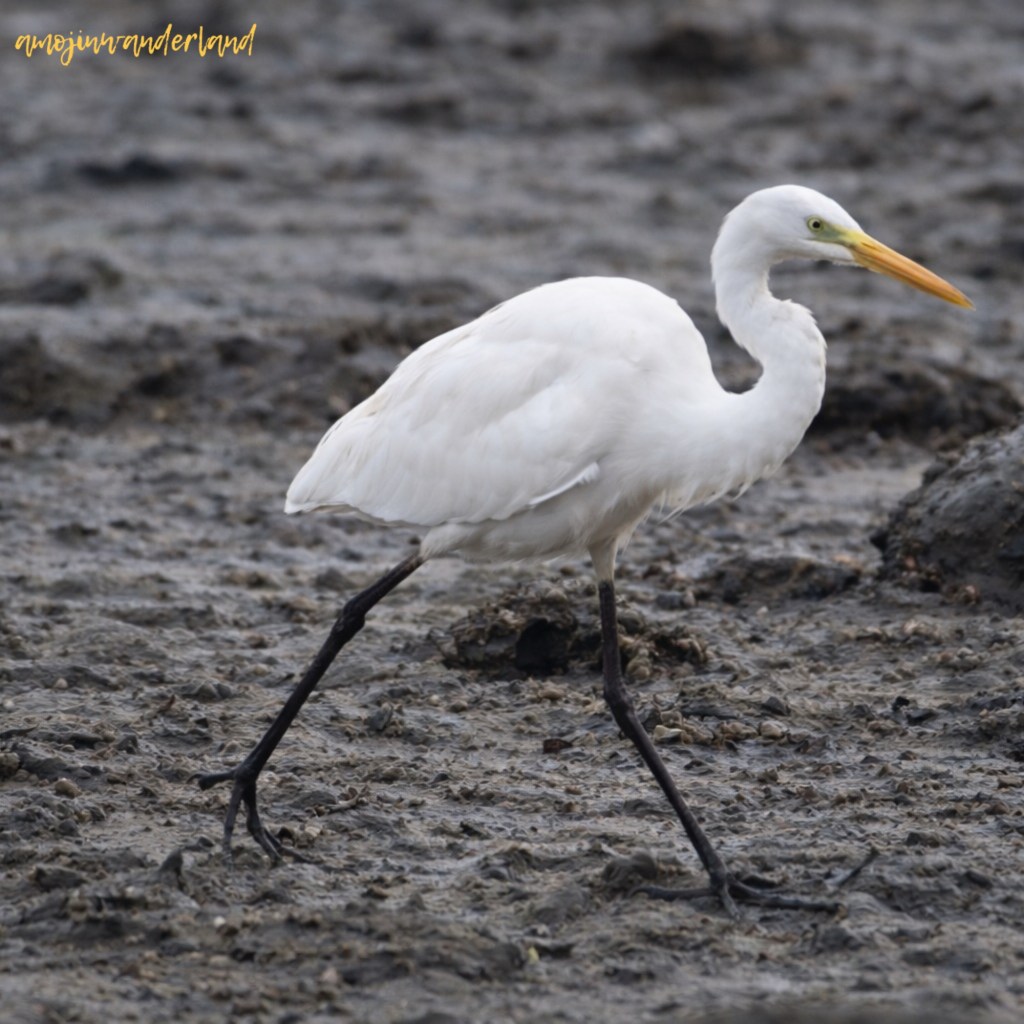
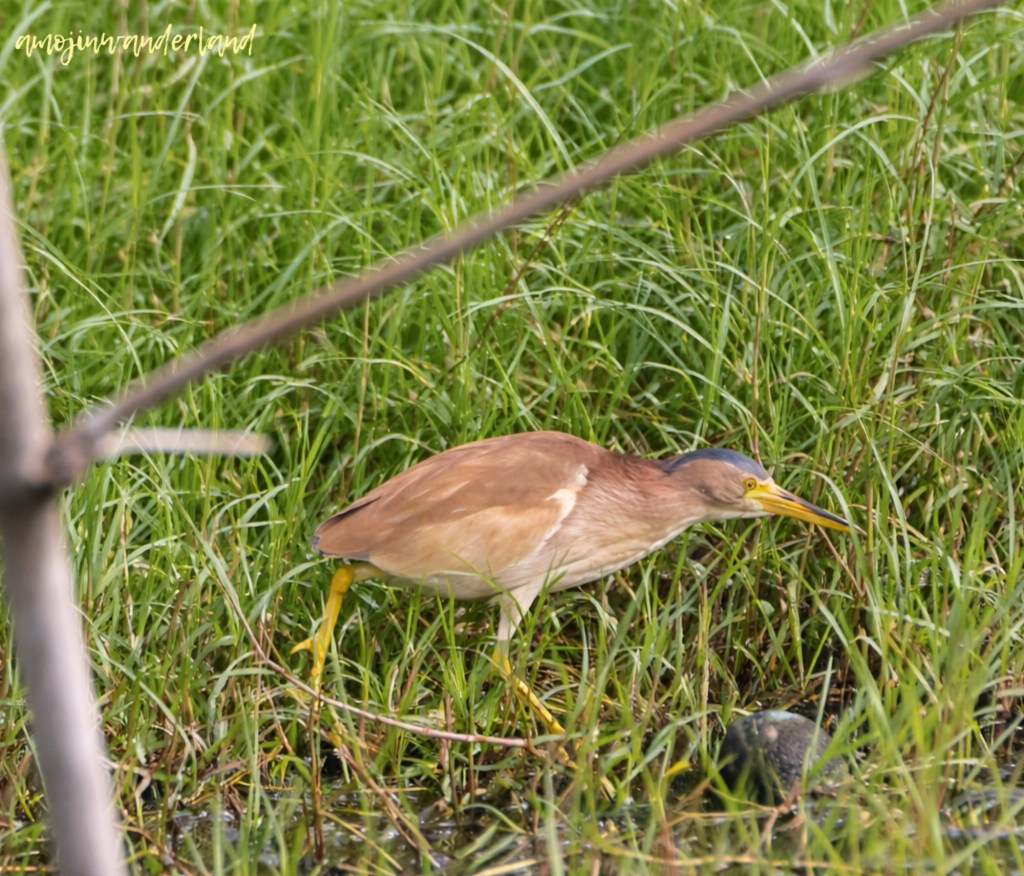
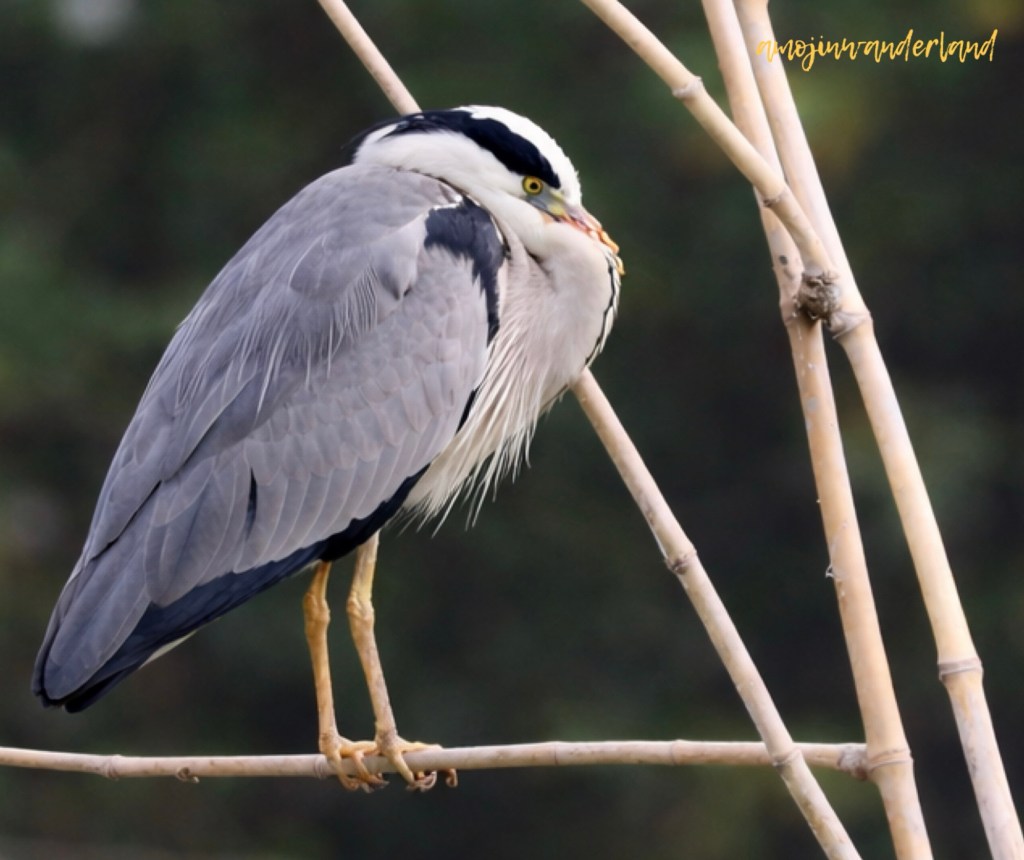
Several waterbirds were seen throughout the outing. Black-winged Stilts stood out with their long pink legs as they waded through the shallows. Egrets, including Little Egret and Great Egret, were present along the edges of the water, feeding quietly. A Grey Heron was also observed resting, tucked in and still, while terns such as the Whiskered Tern moved over the wetland in search of prey. In the grassy sections, a Yellow Bittern was spotted blending into the vegetation, showing how much diversity can be found in these habitats.
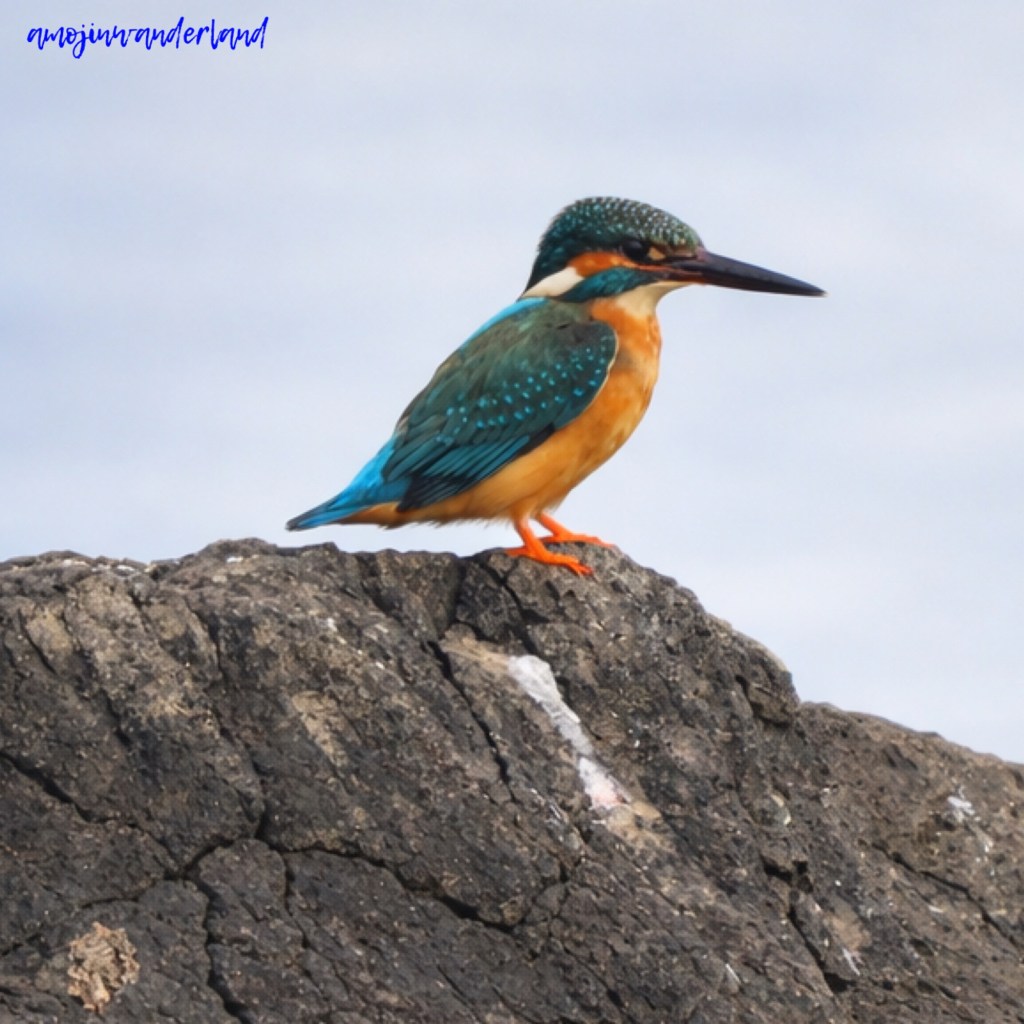
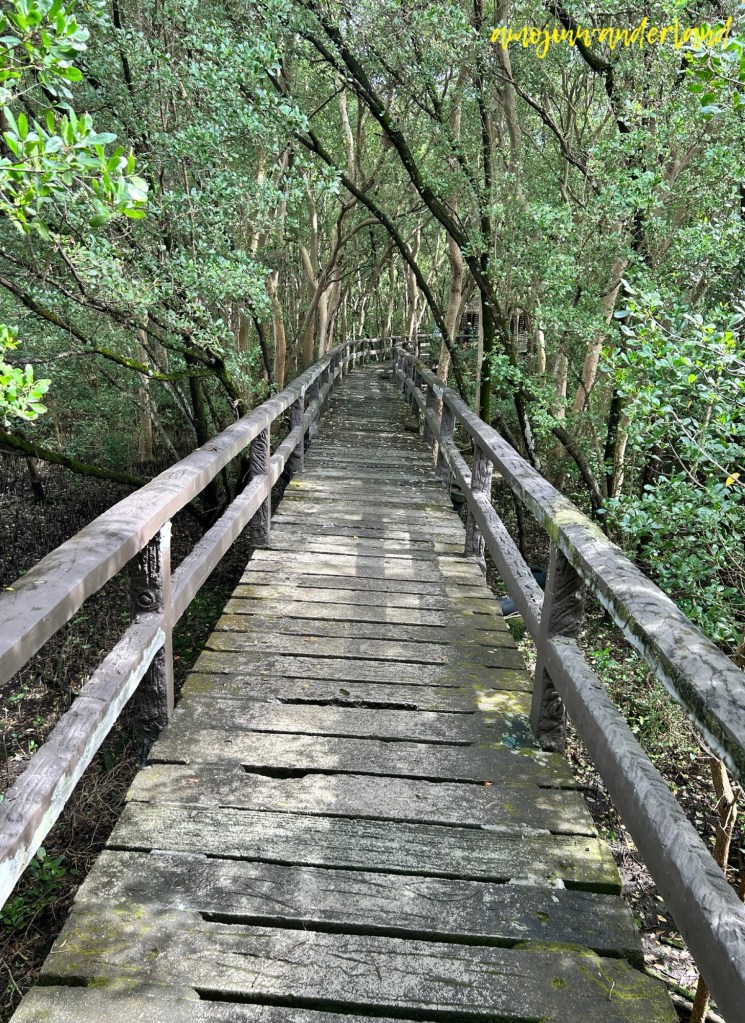
There were also kingfishers along the waterways. White-collared Kingfishers were abundant in the area, frequently seen perched on branches and posts around the wetlands. In contrast, only a single Common Kingfisher was spotted, its vivid blue and orange plumage providing a memorable highlight among the day’s sightings. We ended the trip with a final walk along the long boardwalk at Freedom Island, which offered wide views of the mudflats and mangrove edges and provided a fitting close to the morning’s birdwatching.
 Amoj In Wanderland