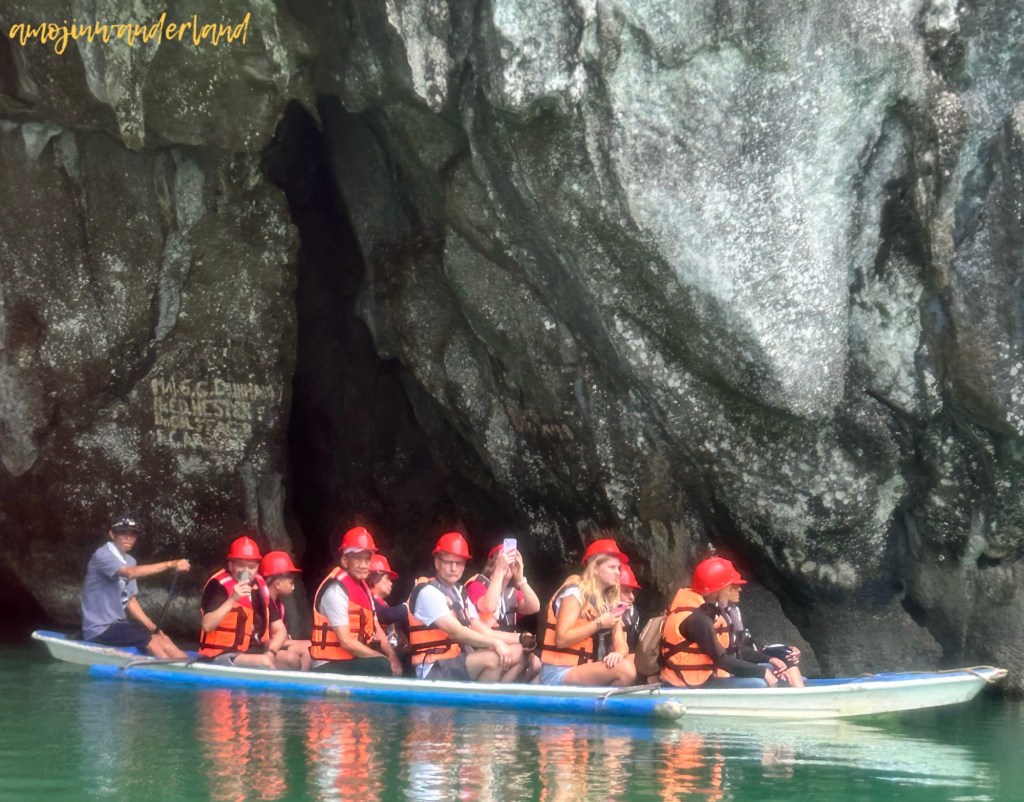
The visit to the Puerto Princesa Subterranean River National Park was my second time entering the cave, although my first visit was already many years ago. The approach from Sabang remained the same, with a short boat ride leading to the wide limestone entrance. From the outside, the opening appears shaded by cliffs and vegetation, and as the boat moves inward, natural light gradually gives way to the guide’s spotlight.
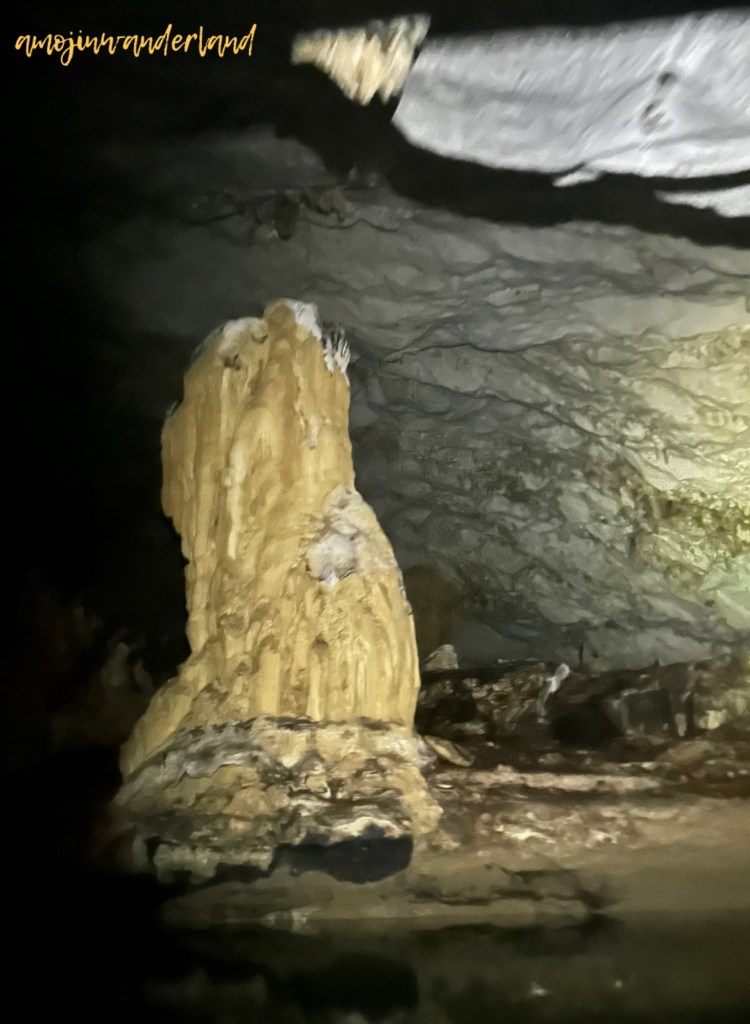
Inside, the environment becomes cooler and more humid. The cave is part of a well-developed limestone karst system shaped by the interaction of water and rock over long periods. The underground river extends for about 4.3 kilometers, though only a portion is accessible during the tour. It is part of a mountain-to-sea ecosystem that connects forest, cave, and coastal environments, and it has been recognized as a UNESCO World Heritage Site.
The main features inside are stalactites and stalagmites, which form through the gradual deposition of calcium carbonate. Stalactites hang from the ceiling as mineral-rich water drips and leaves behind small deposits, while stalagmites form on the floor directly below. In some sections, these structures meet and create columns.
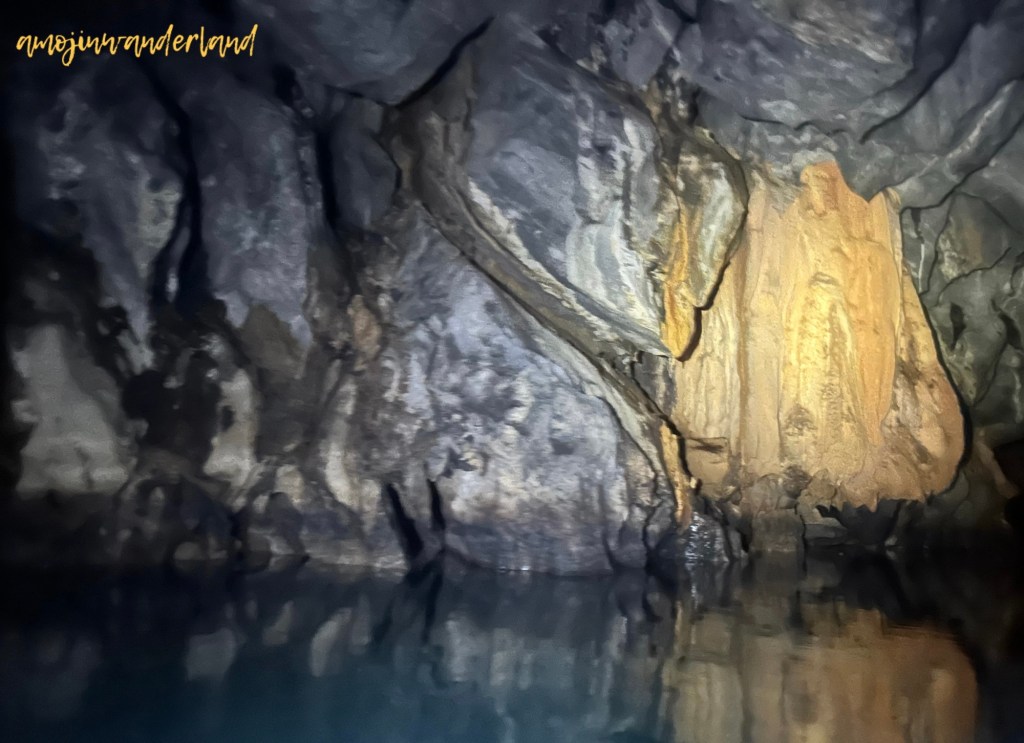
During this visit, I was able to take clearer photographs of the cave formations, which made details such as texture, layering, and shape easier to observe. The guide directed the light toward different sections, allowing for better visibility of the formations during documentation.
The Cathedral Chamber remains one of the most prominent areas inside the cave. It is a wide chamber with vertical formations that resemble pillars. Some of these formations are commonly associated with religious figures, which is how the chamber is named. The open space allows for wider views compared to other sections.
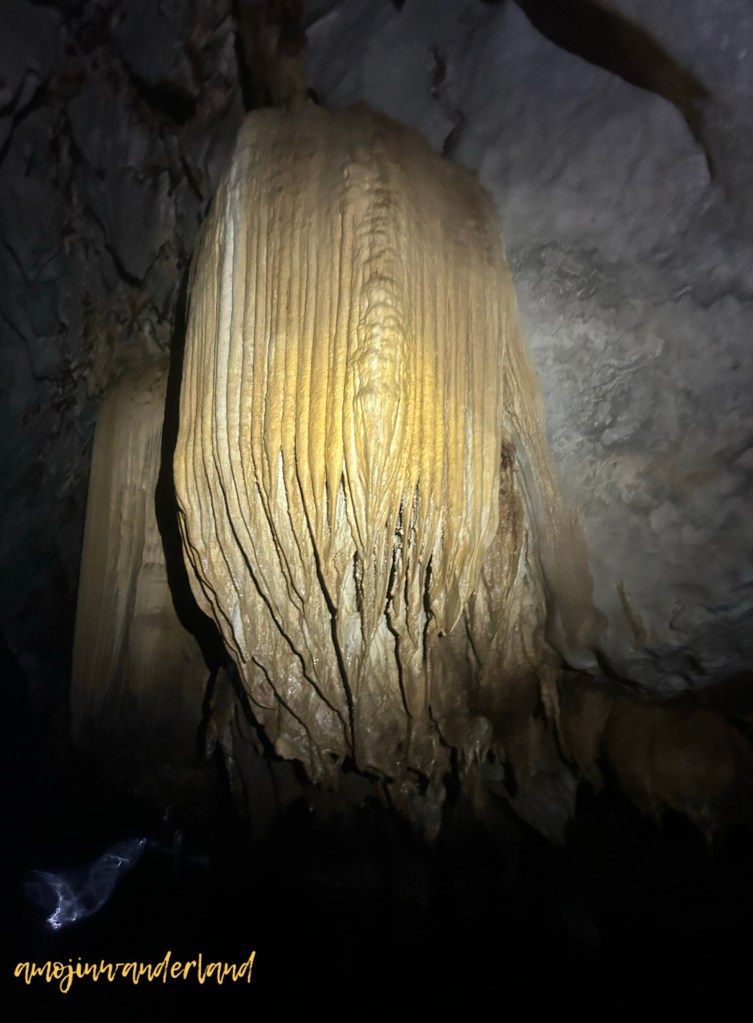
Further along, the Italian’s Chamber is notable for its size, extending approximately 360 meters. It is considered one of the largest chambers in the cave system. The ceiling in this section is higher, and the formations appear more massive and widely spaced.
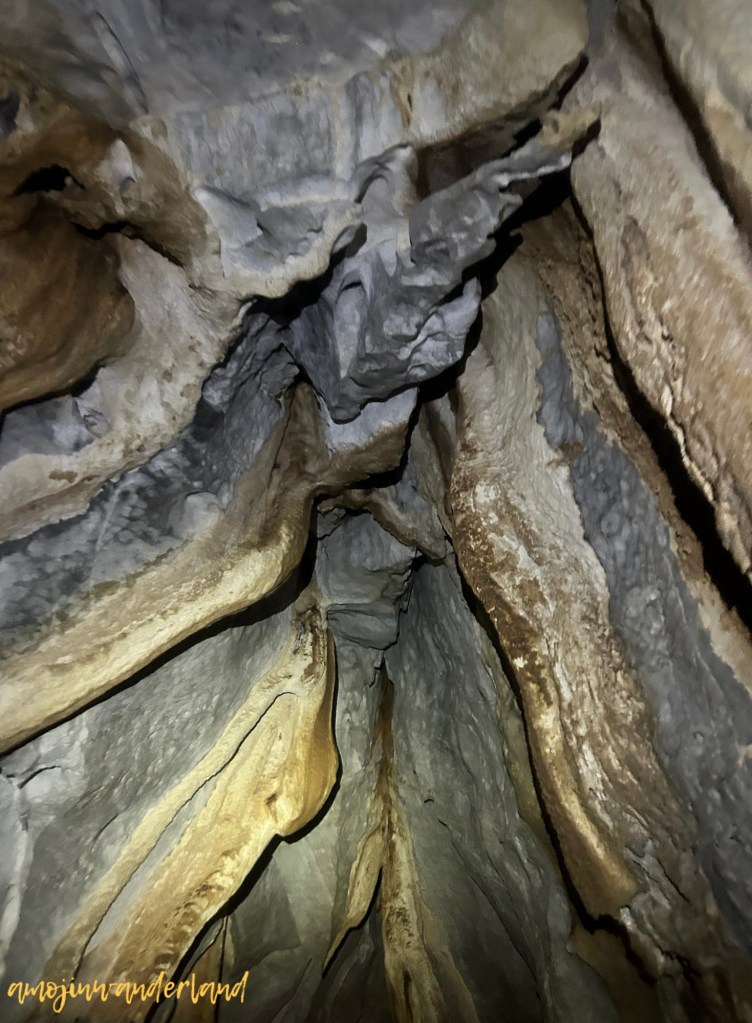
There are also many smaller formations with distinct shapes. Some resemble mushrooms, carrots, or corn, while others appear similar to an umbrella or a ship. Animal-like figures, including a lion near a restricted section known as the Lions’ Cave, can also be identified. Some surfaces appear smooth and layered, similar to melted wax, reflecting the continuous deposition of minerals.
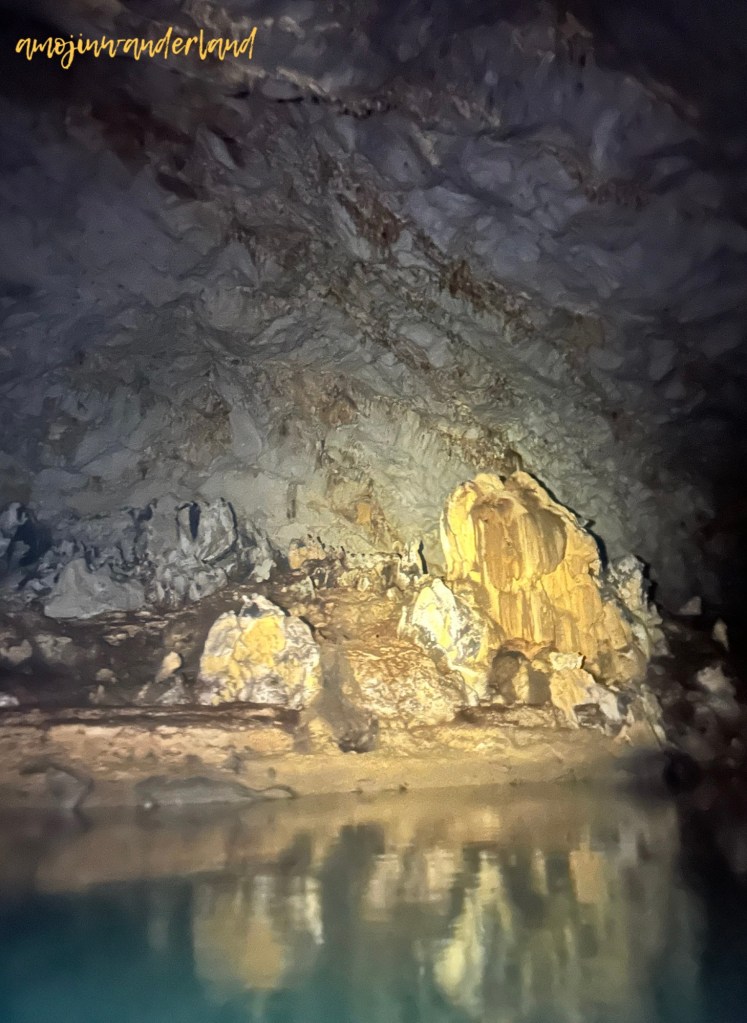
The cave remains an active geological environment. Water continues to drip from the ceiling, contributing to the ongoing growth of stalactites and stalagmites. The river flows gently through the cave and reflects some of the formations above, depending on the angle of the light. Its movement is influenced by tidal changes due to its connection to the sea.
Upon exiting, the transition back to daylight highlights the contrast between the enclosed cave interior and the open coastal surroundings. The visit provides a clear view of how limestone cave systems develop and how their features continue to form over time.
 Amoj In Wanderland